


Is corn a vegetable grain or fruit?
Oct 30, 2019

Corn can be called all three, but not within the same classification rule. Botanically, each kernel is a dry fruit called a caryopsis. Agronomically and in commodity systems, maize is a cereal grain. In kitchens and many nutrition frameworks, immature sweet corn is handled as a starchy vegetable. The correct answer therefore starts with the decision you are making.
A label developer, dietitian, menu planner, customs broker, seed scientist, and frozen-food buyer may use different categories without contradicting one another. Problems begin when a category from one system is copied into another document. "Fruit" may be botanically accurate yet useless on a foodservice plate plan; "vegetable" may fit a menu while failing to describe dry maize in a grain contract.
This guide turns the familiar riddle into a classification record. Identify the corn type, maturity, physical form, intended use, destination rule, and document owner. Then write the category that performs the required job, and keep the supporting basis beside it.
Short answer: A sweet-corn kernel is botanically a fruit, maize is a cereal grain, and immature sweet corn is commonly used as a vegetable. Ask which system governs your decision before selecting one word.

Botany Calls the Kernel a Caryopsis
A fruit develops from the ovary of a flower and contains seed. In grasses, the fruit wall is closely fused with the seed coat, creating a caryopsis. Wheat, rice, and maize kernels share this fruit type. That is why a botanist can accurately describe an individual corn kernel as a one-seeded dry fruit.
The botanical answer describes plant structure. It does not mean corn belongs beside berries or mango in every food category. Everyday language often reserves "fruit" for sweet, fleshy produce. Botany uses the term more broadly, covering structures such as a tomato, a pea pod, and a maize caryopsis because of how they develop.
Use this classification in education, plant science, seed discussions, and explanations of kernel anatomy. Include the specific word caryopsis when precision matters. Simply saying "corn is a fruit" invites a misleading comparison with fresh fruit and hides the grain structure that matters in agriculture and milling.
Agriculture Calls Maize a Cereal Grain
Maize belongs to the grass family Poaceae and is cultivated as a cereal. Dry field corn is harvested at physiological maturity for uses including animal feed, milling, starch, oil, and industrial processing. Commodity records therefore group it with grains rather than with orchard fruit or fresh-market vegetables. Storage, transport, grading, and price reporting follow that dry-commodity context across the trading chain.
Moisture and maturity help define this grain system. Dry-maize contracts can specify grade, test weight, moisture, damage, foreign material, and other trade factors. Those terms are not a suitable specification for IQF sweet-corn tenderness, kernel color, blanching, or free flow. The crop name is shared; the purchasing language is different.
Popcorn, dent corn, flint corn, flour corn, and sweet corn also differ by genetics and end use. A buyer should avoid treating "corn" as one material. Name the class or product first, then apply the grain, vegetable, snack, ingredient, seed, or feed controls that belong to the transaction.

Kitchens Treat Sweet Corn as a Vegetable
Sweet corn is usually harvested while kernels are tender and moist, before the dry grain stage. It is boiled, steamed, grilled, added to soup, mixed into salads, or served as a side. In that culinary setting, it behaves like a vegetable ingredient even though the kernel retains its botanical identity.
Nutrition frameworks may place corn more specifically among starchy vegetables. That phrase helps distinguish its meal role from non-starchy vegetables such as leafy greens. It is a planning category, not a moral ranking. The portion and the rest of the plate determine whether corn replaces another starch or adds variety to a broader vegetable allocation.
Frozen kernels stay within this culinary use. Freezing changes preservation and handling, not the plant organ. A plain frozen kernel can be described as a frozen vegetable product in retail or foodservice context while an agronomist still calls maize a cereal and a botanist identifies the caryopsis.
Maturity Changes the Commercial Answer
The same species can enter different supply chains at different stages. Sweet corn intended for freezing is harvested for tenderness, sweetness, color, and kernel development. Dry maize remains in the field longer and enters storage or processing as grain. Baby corn is harvested even earlier, before kernels develop fully, and is sold as the immature cob.
That sequence makes a single yes-or-no category poor procurement guidance. A specification should state sweet corn, field maize, popcorn, or baby corn; describe maturity and edible part; then add cut, size, treatment, pack, and application. The name "vegetable corn" alone still leaves too much unknown.
For IQF product, maturity affects tenderness and flavor after cooking. Overdeveloped kernels may appear large but perform poorly in a delicate salad. Younger kernels may offer a softer bite yet differ in size distribution or yield. The buyer's sensory target converts maturity from a theoretical stage into an acceptance variable.

Product Form Creates Another Classification Layer
Whole cobs, cob segments, loose kernels, canned corn, cornmeal, starch, oil, syrup, tortilla, and snack products come from corn but need distinct descriptions. The commodity category tells you less than the finished form about preparation, edible yield, ingredient lists, storage, and use. Product identity should follow the transaction rather than a trivia answer.
For frozen sweet corn, a useful commercial name can include color, style, and state: IQF yellow sweet-corn kernels, for example. Add size or maturity criteria when they change application performance. For cob segments, include length range and cutting expectations. For blends, list component percentages and decide whether corn is the named characterizing ingredient or one part of a vegetable mixture.
Processed foods require the complete ingredient identity. Corn starch is not a frozen vegetable serving; corn oil is not grain in a recipe calculation; a seasoned corn snack is not plain kernels. Preserve source-traceability information, but classify the product being sold and consumed.
Nutrition Categories Answer a Meal Question
USDA MyPlate lists corn among starchy vegetables. That placement helps people build a meal and compare vegetable subgroups. It should not be expanded into a claim that corn has the same carbohydrate role as lettuce or the same culinary role as dry rice. Look at the actual serving and preparation.
A dietitian may count corn within a carbohydrate allocation or vegetable subgroup depending on the program. The governing meal plan and clinical owner decide. For a general foodservice menu, state the cooked grams and show how corn interacts with other starches. For a therapeutic plan, use current verified nutrition and qualified individualized guidance.
This is why "vegetable" cannot mean unlimited. It is also why "grain" does not make a cooked sweet-corn side identical to bread. Category words organize decisions; they do not replace serving data, ingredient lists, or the finished recipe.
Customs and Labeling Need the Destination Rule
Tariff classification is a legal product-classification exercise. It can depend on species, state, preparation, preservation, added ingredients, packaging, and destination schedule. A botanical statement or a menu category does not provide a tariff code. The importer and qualified customs adviser should review the exact product under the current destination rules.
Label names also follow applicable market requirements. A front-panel culinary description, an ingredient-list name, a nutrition declaration, and a customs entry may use related but nonidentical language. Keep the approved product description consistent enough to trace the same SKU, while allowing each document owner to apply the required rule.
The evidence pack can include species, cultivar or class where relevant, harvest maturity, processing flow, ingredient statement, specification, images, net weight, storage condition, and sample label. These facts help the compliance owner choose a code or legal name. The supplier should avoid presenting an informal category as a binding determination.
Representative Scenario 1: A School Menu Database
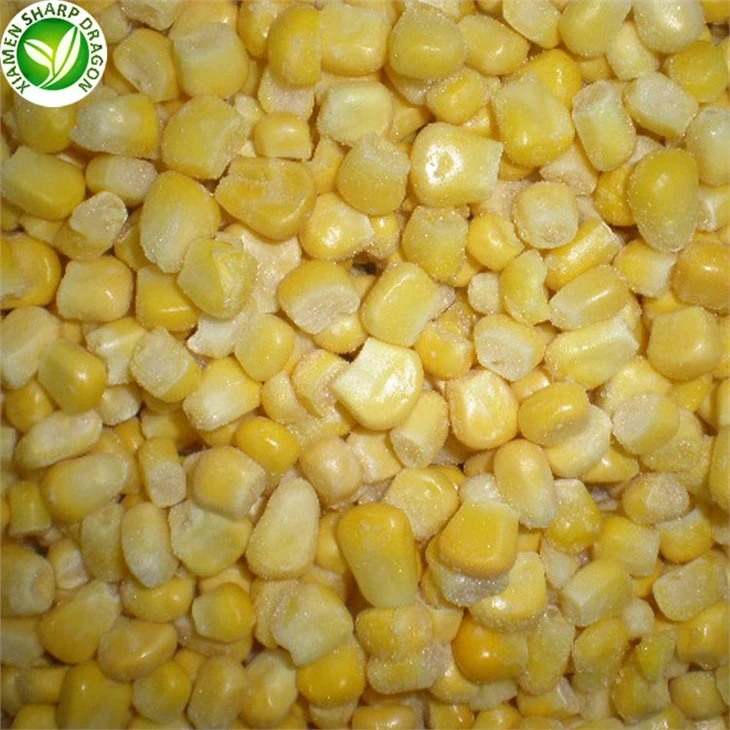
Practical example: A school caterer adds plain frozen sweet-corn kernels to its ingredient and menu database. Its decision function is meal-component mapping. The product is tender sweet corn harvested immature, supplied IQF, cooked and served as a 60-gram side. The governing menu framework treats it as a starchy vegetable. Procurement preserves the IQF identity and lot specification even though the visible database field shows the meal category.
The team records the culinary category, cooked portion, nutrition basis, other starches in the meal, ingredient status, allergen review, and serving utensil. It does not rename the product "fruit" merely because kernels are caryopses. Botanical accuracy belongs in teaching material; the database field needs the category used for menu compliance.
The action is to approve "plain sweet corn-starchy vegetable" for that program and attach the current specification. The result is a repeatable menu mapping. If the product changes to a creamed or multi-ingredient formula, the team reopens ingredient, nutrition, and component review.

Representative Scenario 2: An Import Classification File
Application example: An importer evaluates an IQF sweet-corn shipment. Its decision function is destination customs and legal product identity. The file states species, kernel form, immature harvest, blanching and freezing, no sauce, retail or foodservice pack, net weight, origin, and intended human consumption.
Worked example: A 20,000-kilogram shipment contains 2.5-kilogram inner bags, eight bags per 20-kilogram carton, or 1,000 cartons nominally. That pack calculation supports quantity and logistics; it does not select a tariff heading. The customs owner uses the facts, destination schedule, and current rulings or professional advice to make that legal decision.
The action is a controlled classification memo linked to the exact SKU and evidence revision. The result differs from Scenario 1. The school maps a food to a meal component; the importer maps a processed product to a legal schedule. Both may use the word vegetable, but for separate reasons and with separate authority.
XMSD Experience: Product Identity Begins at the Sample
When we review a frozen corn inquiry, we first separate kernels from cob products and sweet corn from other maize uses. We look at color, maturity, tenderness, size distribution, broken pieces, residual cob material, surface ice, and free flow. Those details connect the category name to a physical product that the buyer can test.
We then ask how the product will be cooked or manufactured. A salad, soup, mixed vegetable bag, prepared bowl, and cob side set different priorities. The same frozen format may be acceptable in one and unsuitable in another because texture, appearance, distribution, or yield changes the decision.
The frozen corn product range is a candidate map, not a classification ruling. Your sample approval, destination review, and finished application close the record.

XMSD Experience: Documents Must Follow the Same SKU
We compare commercial name, specification, label text, packing list, carton mark, certificate descriptions, and shipment documents for identity consistency. A phrase can be correct in isolation yet create doubt if another document describes a different form. Kernel versus cob, plain versus seasoned, and frozen versus canned are practical fault lines.
Pack and cold-chain details remain part of the product record. Inner-bag weight, carton quantity, pallet pattern, coding, frozen condition, and route do not answer "fruit or vegetable," but they distinguish the approved SKU from a nearby alternative. That traceability helps the importer show that the evidence applies to the goods presented.
If the product form, ingredients, process, pack, origin, or destination changes, reopen the affected classification. The update may leave botanical identity untouched while changing a legal or commercial category. That is exactly why one permanent answer should not be pasted across every document.
Build a Classification Record, Not a Single Field
Start the record with the question owner. A science editor needs morphology; procurement needs trade identity and specification; a menu team needs culinary and nutrition placement; regulatory staff need the applicable legal definition. Put that purpose at the top so later readers understand why one category was selected. Without the purpose, a correct word can look like an error when it appears beside another system.
Next describe the material. Record corn type, harvested maturity, edible part, moisture state, process, additions, and pack. "Yellow sweet-corn kernels, harvested immature, blanched and individually quick frozen, no added sauce" supports a much firmer decision than "corn." For dry maize, the record would instead emphasize cereal class, moisture, grade, intended processing, and storage condition.
Then identify the governing reference and revision date. Botanical terminology may be stable, while a tariff schedule, label rule, school-meal standard, or customer database can change. Save the cited provision, reviewer, decision date, destination, and SKU revision. A future team can then revalidate the moving rule without reopening settled facts about the product.
Fresh, Frozen and Canned Corn Keep the Plant Identity
Preservation does not turn a caryopsis into another plant organ. Fresh, frozen, and canned sweet-corn kernels remain kernels. Their commercial descriptions diverge because processing adds practical attributes: frozen state and blanching, canning medium and thermal process, drained basis, ingredient additions, shelf life, storage, and preparation. Those differences deserve separate SKU identities.
Compare them on the decision basis. A chef may choose frozen kernels for free-flow dosing, canned corn for ambient storage, or fresh cobs for presentation. A nutrition comparison needs the consumed product, drained state, additions, and serving. An importer needs the exact preservation method and legal description. One generic "vegetable" flag cannot perform all of those comparisons.
For mixed products, determine whether the category field refers to the corn component or the complete food. A frozen vegetable blend can contain sweet corn as a starchy-vegetable component. A prepared rice bowl contains corn but is not itself corn. A corn-based sauce or snack requires its complete formula and product category. Keep ingredient identity separate from finished-product identity.

Use Change Control When a Category Can Move
Set triggers before approval. A change from kernels to cob pieces alters edible-yield and product-description fields. Adding butter sauce introduces ingredients and a different nutrition result. Moving from foodservice bulk to retail packs can add label obligations. Changing destination can open another tariff or language review. Each trigger names the record owner and the evidence to refresh.
Version control should reach the physical goods. Link the decision memo to a specification number, approved artwork, carton mark, code format, and sample or retained-image set. At receipt, verify that these identifiers match. If the shipment carries the right crop but the wrong form or formula, the botanical answer offers no commercial protection.
Close the record with a plain-language summary: "Botanically a caryopsis; traded here as IQF immature sweet-corn kernels; mapped as a starchy vegetable in this menu; destination customs and label classifications approved separately." That sentence keeps the systems visible together while assigning each decision to its proper evidence.
Write the Answer for Its Reader
For a science reader: "Each corn kernel is a caryopsis, the dry fruit of a grass." For an agriculture reader: "Maize is a cereal grain crop." For a menu reader: "Immature sweet corn is used as a starchy vegetable." For a buyer: "Specify the actual corn type, maturity, form, process, pack, use, and destination rule."
These statements can coexist because they solve different problems. A good document names the governing system rather than arguing that one category invalidates the others. It also avoids using classification as a nutrition shortcut: health fit still needs portion, preparation, full recipe, and individual context.
For more context on culinary demand, the article on why people eat corn addresses use and appeal. The broad corn health question remains separate from the classification decision here.
XMSD sourcing note: Share the corn type, maturity, form, ingredients, process, pack, application, destination, and document that needs an approved product description. We can review the frozen-product evidence for your file.
References
- Encyclopaedia Britannica: Caryopsis
- Encyclopaedia Britannica: Corn as a cereal plant
- USDA MyPlate: Vegetable subgroups and starchy vegetables
- FAO: Maize in the world and grain use
- XMSD operational experience in frozen sweet-corn identity, sample checks, applications, packaging, shipment records and destination review.
Corn is a grain, and grain refers to a general term for various plant seeds as a staple food in cooking foods. The grain is basically a gramineous plant, and the nutrients contained in it are mainly sugars, followed by proteins.
