


Corn is good for weight loss or not?
Oct 30, 2019

Corn can be part of a weight-loss menu, but it does not make the menu produce weight loss. The useful test is operational: what does the corn replace, how much edible corn reaches the plate, what ingredients travel with it, and can the same serving be repeated? Plain kernels replacing a larger portion of another energy-dense side may support the plan. Corn piled on top of an unchanged meal, coated in butter, or hidden in a rich formula may work against it.
A diet-meal developer, caterer, prepared-food team or private-label buyer needs a reformulation audit before deciding whether a corn component improves an existing menu. The broader consumer explainer covers whether corn can fit a weight-loss eating pattern. Compare the before and after formula, lock an issue-to-serving yield and release a repeatable meal.
Quick decision: Approve corn for the program only when the revised finished meal has a defined edible serving, a documented replacement, an accepted sensory result, and current nutrition evidence. A healthy-food reputation is not a reformulation record.

Start with the Meal That Exists Now
A reformulation begins with a baseline recipe, not a list of favorable nutrients. Record every component at the same measurement stage: cooked serving weight, sauce pickup, garnish, oil, dressing, and waste. If rice is weighed cooked while corn is quoted from a frozen specification, the comparison is already unstable. The team needs one common basis before it can say the new meal is lighter, more filling, or easier to portion.
Next identify the job of the side. Is it the main starch, a colorful vegetable inclusion, a topping, or a small texture accent? Sweet corn is commonly treated as a starchy vegetable in meal planning, so a full corn portion alongside an unchanged rice or potato portion can create an addition rather than a swap. That distinction changes purchasing quantities and the nutrition calculation at the same time.
Write the proposed change in one sentence: "replace 80 grams cooked rice with 70 grams drained sweet-corn kernels," for example. Avoid "add corn for health." The first statement has weights, food states, and a replacement. The second has no measurable action. A procurement specification can support the first; no ingredient certificate can rescue the second.
Separate Replacement from Addition
Weight management reflects the complete eating pattern and energy balance over time. Corn is one controllable part of that pattern. Its value in a menu comes from the role it performs. Replacing part of a larger starch allocation can change the plate; adding an equal corn portion to the existing plate makes a different meal. Both may be legitimate, but only one matches a reduction brief.
Worked example: A baseline tray contains 180 grams cooked rice. The developer proposes 110 grams rice plus 70 grams cooked corn. The new tray removes 70 grams of rice and adds 70 grams of corn, so the edible side weight remains 180 grams. Calculate the complete nutrition with current data for both cooked foods. Do not subtract a raw-rice value from a cooked-corn value or assume equal grams mean equal energy.
The calculation is only the first gate. The revised plate must also satisfy taste, color, utensil control, holding, and fullness in the intended service. If diners leave the corn and buy another snack, the theoretical swap did not achieve the operational result. Record plate waste and follow-on purchasing during the trial rather than claiming that fiber guarantees satiety.

Choose the Corn Form Before Quoting a Portion
A cob, loose kernels, canned corn, creamed corn, and a seasoned frozen blend are not interchangeable. A cob includes an inedible core; canned corn may be compared after drainage; a sauce changes the complete composition; a blend may contain other vegetables and seasoning. The serving basis must name the product and its state at consumption.
Plain IQF kernels offer a practical dosing advantage because a foodservice team can issue a measured quantity without thawing an entire block. That convenience does not create weight loss. It helps the operation repeat the planned amount, manage partial bags, and avoid an uncontrolled garnish. Clumps, frost, fines, or poor free flow can weaken that advantage, so physical acceptance belongs in the trial.
Cob segments can be useful in a menu that wants a distinct visual portion, but gross issue weight is not edible intake. Establish a kernel-yield test for the actual cob size and maturity. If the supplier and caterer use different cob lengths or kernel development, their gross-weight records may look consistent while the consumed serving changes.

Read Nutrition on the Finished-Meal Basis
USDA food-composition data can provide a transparent reference for plain sweet corn, but a database entry is not the label for every SKU or recipe. Cultivar, maturity, drainage, cooking, seasoning, and moisture affect the comparison. Use the reference to structure the test, then calculate with verified product and finished-meal information.
Keep calories, carbohydrate, fiber, protein, sodium, and fat on the same serving. A developer who cites fiber per cup but energy per 100 grams makes the reader assemble incompatible numbers. A finished-meal panel should show the serving diners actually receive and include oil, sauces, cheese, mayonnaise, sugar, or other additions that alter the result.
Claims need another layer. "Supports a controlled serving" describes a process when a portion record exists. "Low calorie," "high fiber," and weight-control claims may have defined destination-market rules. Release those words only after the current formulation, laboratory or calculated evidence, serving, rounding rules, and label have been reviewed by the responsible owner. Archive the approved evidence beside the artwork version so a later ingredient or serving change reaches regulatory review before reprinting.
Audit the Spoon, Pack and Yield
A recipe can specify 70 grams while a service spoon delivers 55 to 95 grams. Measure at least a realistic sequence of portions from the actual vessel and holding condition. Record mean, range, operator method, and whether broken kernels or liquid change the scoop. A narrow paper target has little value when the line cannot reproduce it.
Pack size also affects control. A kitchen serving 200 portions at 70 grams needs 14 kilograms accepted cooked corn. If its measured cooked yield from frozen product is 96 percent, nominal frozen input is 14 ÷ 0.96 = 14.58 kilograms. Choose an inner-pack pattern that fits the batch while leaving a documented plan for any opened remainder.
Yield should be measured under the intended cook, drain, and hold routine. A vigorous boil may create different loss and texture from steaming or direct addition to a sauce. The accepted weight excludes rejected clumps, excessive liquid, and unusable residue according to the agreed method. Keep the sample, batch, equipment, times, temperatures, and acceptance result together.
Representative Scenario 1: A Hospital Tray Swap
Practical example: A hospital foodservice team wants more color and portion visibility in a standard energy-controlled lunch. Its decision function is clinical-menu execution. The baseline tray has a fixed cooked-rice weight; the proposal replaces part of that amount with plain kernels, leaving protein, sauce, dessert, and beverage unchanged during the first comparison. The menu lead also keeps the same plate, serving time, and utensil during evaluation, limiting variables that would obscure the swap result.
The inputs are verified cooked nutrition, a 70-gram corn target, actual scoop distribution, tray holding for 35 minutes, plate waste, and patient-menu restrictions. The team rejects a buttery corn blend because it introduces a different formula and makes the first trial harder to interpret. It selects plain kernels and documents any seasoning separately.
The action is a controlled service test across the real meal period. The result is not "corn causes loss." It is a release decision: the revised tray meets the planned nutrition, stays acceptable after holding, and can be portioned within the agreed tolerance. Clinical appropriateness for an individual remains with qualified care.

Representative Scenario 2: A Retail Bowl Reformulation
Application example: A private-label team is revising a 320-gram frozen grain-and-vegetable bowl. Its decision function is manufactured formula and label release. Corn will replace part of a cooked grain component rather than appear as an extra topping. The team fixes the target fill weights before requesting commercial samples.
For a 6,400-kilogram batch, a 7.5 percent corn inclusion requires 6,400 × 0.075 = 480 kilograms at the specified formulation basis. If the input basis and the finished-fill basis differ, the developer applies measured process yield before ordering. It checks distribution across early, middle, and late packs rather than relying on the mixer total.
The action includes pilot cooking, frozen storage, reheating, sensory review, fill-weight checks, nutrition recalculation, and artwork approval. The team may approve the meal because the replacement performs and the documentation is complete. That decision differs from Scenario 1: one controls a served hospital tray; the other releases a packaged recipe and legal label.
XMSD Experience: Define the Physical Portion
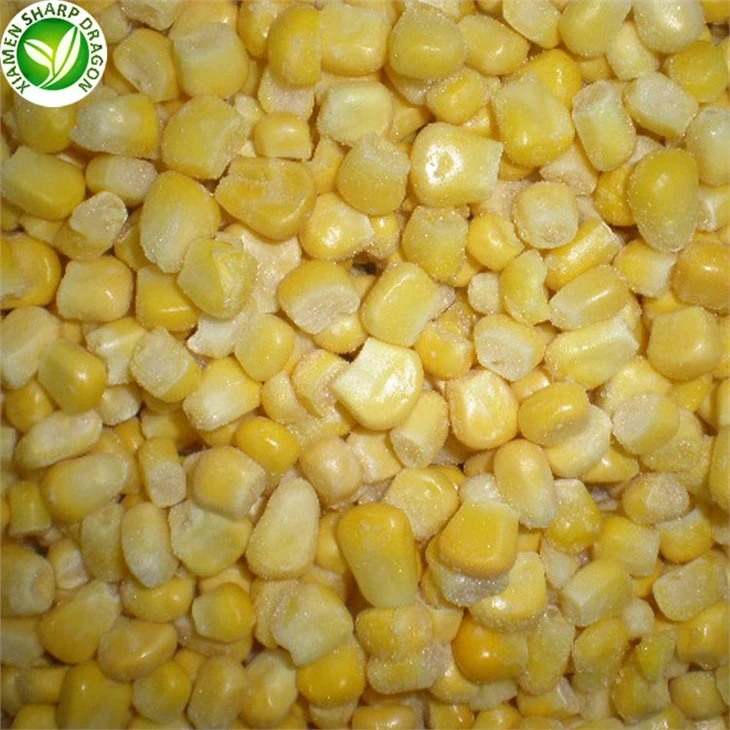
When we review frozen corn for a portion-sensitive application, the first useful sample question is not whether the kernels look attractive in a bag. We check free flow, size distribution, maturity, tenderness, broken pieces, surface ice, and the way the product behaves in the actual utensil. Those observations show whether the intended grams can be issued without repeated hand correction.
We also compare the frozen input with accepted cooked output. The trial names the method and the point at which weight is taken. A drain time of thirty seconds and a drain time of five minutes are different procedures. If the finished application holds in sauce, that system needs its own yield and texture record.
The frozen corn range helps identify candidate forms, but the buyer's serving and cooking test decide suitability. A photo, crop average, or supplier statement cannot establish the finished meal result.

XMSD Experience: Connect Reformulation to Supply
A portion decision becomes a supply decision once volume is known. We translate accepted cooked grams into frozen kilograms using the buyer's measured yield, then examine inner-bag quantity, carton configuration, pallet pattern, order rhythm, and cold-store capacity. The aim is to keep the tested batch logic intact when the project moves from a kitchen trial to routine production.
Lot acceptance remains separate from nutrition approval. We review frozen condition, coding, seals, cartons, temperature evidence, and the agreed physical specification. The buyer or its qualified service completes the finished-product nutrition and claim process. The packaging overview shows the logistics variables that should stay attached to the approved serving plan.
We recommend a change-control note for product form, source, maturity range, recipe, cook method, pack, or label. A substitution that seems small can alter drainage or visual distribution. Recheck the deciding evidence when one of those inputs moves, rather than carrying the original conclusion into a new configuration.
Failure Modes That Reverse the Decision
The first failure is silent stacking: corn enters the dish while the original starch, sauce, and garnish remain unchanged. The second is basis drift: purchasing uses frozen kilograms, recipe development uses drained grams, and the label uses an unrelated database cup. The third is portion drift at service or filling. Each can turn a sound concept into a different finished meal.
Another failure is using a favorable plain-corn fact to describe a seasoned, fried, creamed, or multi-ingredient product. Compare the actual product. Review the frozen and canned corn form distinction when the supply option changes, then inspect ingredients, liquid, seasoning, preparation, and consumed serving.
Finally, do not turn a program result into an individual medical promise. Weight trends have many inputs, and a therapeutic plan may require individualized targets. The article supplies a meal-development framework. It does not diagnose, prescribe, or guarantee a change in body weight.

Test Appetite Claims with Observed Service Evidence
Corn contains fiber, yet the word "fiber" alone cannot predict how a specific meal feels to every diner. Protein, water, texture, eating speed, total volume, palatability, and the next eating opportunity all matter. Treat appetite as an outcome to observe in the program, not a property granted by the ingredient name.
For your pilot, keep the meal occasion and service conditions stable. Record how much is served, what remains, whether seconds are requested, and whether a planned snack is still used. A short catering test will not prove long-term fat loss, but it can expose a poor portion, an unpopular texture, or a replacement that makes the meal less workable. Those findings should trigger recipe changes before commercial scale.
Ask diners about the complete meal rather than prompting them to rate corn as a health food. Was the portion adequate? Did the kernels remain tender after holding? Did the dish feel balanced? Was the product easy to eat in the setting? Combine that feedback with measured waste and service records. The result guides a menu decision without converting a subjective response into a medical or universal benefit claim.
Include Cost and Waste in the Reformulation Gate
A meal that meets nutrition targets but creates excessive waste is unlikely to stay in use. Calculate cost per accepted serving, not only price per frozen kilogram. Include measured yield, rejected product, labor, energy, sauce, opened-bag remainder, and plate waste. This exposes cases in which a lower-price nominal pack becomes a more expensive finished portion.
Decision example: Option A costs 1.00 currency unit per frozen kilogram and yields 92 percent accepted corn. Option B costs 1.05 and yields 98 percent. At 70 grams accepted corn, raw material cost is 0.070 ÷ 0.92 × 1.00 = 0.0761 for A and 0.070 ÷ 0.98 × 1.05 = 0.0750 for B. The higher purchase price produces the slightly lower accepted-serving cost before labor and waste are added.
The calculation also helps procurement compare pack formats honestly. A large bag may reduce packaging per kilogram while increasing partial-bag loss in a small kitchen. A smaller inner pack may cost more but align with one batch. Choose after mapping daily servings, peak volume, freezer space, opening frequency, and the food-safety procedure for remainder. The approved format should protect the portion system as well as the product.
Monitor the First Routine Lots
Pilot approval is the start of control. For the first routine lots, compare frozen condition, cooked yield, utensil performance, actual fill weights, sensory acceptance, and waste with the release record. Set a review trigger for meaningful drift instead of waiting for an end-user complaint.
Trend the variables that can change the decision. A shift in kernel maturity may affect tenderness and drainage. More clumps can slow dosing. A new sauce viscosity can change distribution in a bowl. A different hold time can alter surface condition. The response is targeted: identify the changed input, repeat the relevant test, and update the formula or acceptance rule when the evidence supports it.
Close the monitoring loop with both kitchen and purchasing teams. Purchasing sees lot and pack changes; production sees handling; nutrition or regulatory staff see formula and claim implications. One shared record prevents each group from approving a different version of the meal. It also keeps the original weight-management purpose visible after routine supply pressures begin.
Release Checklist
A useful release file answers six questions. What meal component is replaced? What product form and consumed grams are approved? Which cooking, drainage, and hold method produced the measured yield? Does the finished meal meet nutrition and sensory targets? Can the operation repeat the portion? Which person owns the final claim and change control?
Keep formula version, ingredient specification, sample lot, test dates, weights, waste, photographs, sensory notes, nutrition calculation, artwork, and approval together. That record lets a later reviewer understand why corn was chosen. It also makes a failed trial useful, because the next version can change one meaningful input instead of restarting from a slogan.
Corn is "good for weight loss" only in the limited sense that an accurately portioned corn component can fit a complete program designed for that purpose. The defensible commercial answer is therefore conditional: define the replacement, measure the finished serving, verify the entire meal, and monitor whether production preserves the approved design.
XMSD sourcing note: Share the current and proposed formula, consumed corn grams, cook-and-yield method, batch volume, pack, destination, and required product controls. We can review an IQF corn direction for the trial.
References
- USDA MyPlate: Vegetables and starchy-vegetable grouping
- USDA FoodData Central: Food-composition reference
- U.S. FDA: Using the Nutrition Facts label
- NIDDK: Healthy weight management context
- XMSD operational experience in frozen-corn form, portioning, cooked yield, packing, cold-chain receipt and application trials.
Corn is good for weight loss. Corn contains water-insoluble dietary fiber. This fiber stimulates the intestinal and helps excrete . It is very helpful for people who are often constipated. Regularly eating corn can excrete toxins and carcinogens absorbed in the body. Corn also contains a lot of magnesium, which can strengthen the intestinal wall activity, promote the discharge of body waste, and help to lose weight.
