


How to Choose Broccoli: Fresh Heads and Frozen Packs
Oct 06, 2021

Choose fresh broccoli with a firm, compact crown, closely closed buds and sound stems. Green or purplish-green color can be normal; opened yellow flowers, limpness and visible damage make a head less attractive for a fresh meal. For frozen broccoli, start with the product description, intact packaging and appropriate frozen storage, then choose the cut and piece size for the dish.
Yellowing is a quality signal, not a complete food-safety test. Broccoli can yellow as it ages, but color alone does not establish whether harmful microorganisms are present. Reject produce that looks rotten, and take uncertain handling or a product recall seriously even if the florets still look green.
The right purchase also gives you enough usable broccoli in a form you will eat. A large whole head may include more stem than a smaller crown, while a frozen bag may contain florets, chopped pieces or sauce. Read what is being sold before comparing pack weights. For children, selecting a sound head is only the start: preparation, suitable texture and supervised eating remain separate decisions. The cut you select should make that preparation manageable.


Look at the Crown, Buds and Stem Together
University of Illinois Extension recommends firm heads with compact buds and identifies bright green or purplish-green as suitable colors. Yellow flowers and enlarged buds indicate that the head is overmature. This gives you a practical starting point at the display: examine the actual head rather than choosing by size or a promotional label alone.
Look around the sides as well as the top. A crown can present neatly from one angle while a damaged area remains hidden underneath. Turn it gently, check the cut end and notice how much stem comes with it. Avoid squeezing the buds hard or pulling the crown apart during inspection; the aim is to select food without damaging it.
Compare like forms. A crown-cut product and a long-stem head have different proportions even when both look fresh. If dinner needs individual florets, consider how much trimming and cutting you can do. If the stem has a planned use, its presence can be useful rather than simply something to remove.
For loose pre-cut pieces, assess the contents rather than expecting every piece to resemble a small complete head. The important question is whether the form is identified clearly and suits your recipe. Keep appearance, usable amount and handling condition in view together; no single attractive feature compensates for a serious problem elsewhere.
What Yellowing Can Tell You
UC Davis describes yellowing as a postharvest quality change associated with factors including maturity, storage temperature, ethylene exposure and time. It also distinguishes age-related yellow beads from paler areas that received less light during growth. Those descriptions explain why a yellowish area requires context rather than an automatic conclusion about contamination.
At the shop, choose a sound head with the fresh appearance you want instead of paying for advanced yellowing or opened flowers. If the display only offers overmature heads, consider a suitable frozen product or another vegetable for the meal. Choosing an alternative can be simpler than buying a head whose appearance already disappoints.
At home, evaluate the whole condition and handling history. Color change accompanied by wet, slimy decay is a different finding from an isolated pale area. UC Davis describes wetness, slime and unpleasant odor in broccoli affected by soft rot. FDA advises discarding produce that looks rotten. Do not use cooking or blending as a way to make spoiled broccoli acceptable.
When the condition is uncertain, set the item aside from food ready for preparation and resolve the uncertainty before using it. A photograph sent with a question should show the affected area, whole head and packaging, with the purchase and storage details. An image of one small patch rarely explains the entire decision.
Select the Part That the Recipe Needs
Florets are convenient when their shape remains visible on a plate. Edible stem can work in a recipe that includes it intentionally. Illinois Extension suggests using broccoli stems in foods such as slaw, soups and stir-fries. That is a use for sound edible material, not advice to rescue rotten or contaminated produce.
For a mixed dish, consider the pieces alongside the other ingredients. Long stem sections may be awkward in a small spoonful, while a large crown can dominate an otherwise evenly portioned side. A useful selection is one that can be prepared to the desired texture without repeatedly cutting individual pieces at service.
We would describe the intended presentation before choosing a frozen cut. For a visible floret side, crown shape and stem length deserve attention. For a blended soup, the practical questions shift toward preparation and finished texture. A smaller or less symmetrical sound piece can be suitable for that second use without being the preferred choice for the first.
Make one trial serving using the intended method and utensil. Observe how the broccoli sits in the dish and how easily it is eaten. That is more informative than comparing two uncooked samples from above. Our fresh broccoli preparation guide explains the cooking side of this choice.

Worked Example: The Larger Head Gives Fewer Florets
Suppose a home cook needs 500 g of prepared raw florets for a recipe and compares two otherwise sound heads. Illustrative trimming records show that Head A weighs 900 g and yields 480 g florets, 260 g edible stem and 160 g trim. Head B weighs 750 g and yields 520 g florets, 150 g edible stem and 80 g trim.
Head A is larger at purchase but falls 20 g short of the floret requirement. Head B supplies the required amount with 20 g florets left over. For this particular recipe, Head B is the better quantity match. The stem from either head can be assigned to another planned use, but it should not silently be counted as florets in the first recipe.
The arithmetic also depends on what the cook intends to use. Head A provides 740 g when both florets and edible stem are included, whereas Head B provides 670 g. A recipe designed around both parts could therefore lead to a different purchase decision. These are hypothetical preparation yields, not fixed percentages for fresh broccoli.
Keep a short note of what your usual purchase produces after normal preparation. It helps you buy the amount needed without assuming that every kilogram of whole heads becomes a kilogram of serving-ready florets. Quality selection comes first; usable quantity then connects that purchase to a real meal.
Read the Frozen Broccoli Description Before the Picture
Frozen broccoli can be sold as plain florets, a mixture of florets and stems, chopped pieces or a prepared product with sauce. Illinois Extension highlights these distinctions when discussing frozen choices. Read the name and ingredient information so the pack you take home matches the recipe you intend to make.
On a bag described simply as broccoli, examine any more specific wording nearby. A serving suggestion may show added sauce, another vegetable or an assembled meal. The ingredient statement tells you what is supplied; a photograph shows a presentation. Keep the two separate when deciding what else the recipe requires.
For a plain ingredient, compare the cut, net quantity and preparation instructions between packs. For a sauced product, evaluate it as a prepared food. Substituting one for the other changes the dish before cooking begins. A larger package is useful only when its contents and handling fit the meals you have planned.
The bulk frozen broccoli formats provide a starting point for discussing commercial cuts. For a specific supply decision, describe the intended floret presentation and pack use, then compare a representative sample under the preparation you actually plan to use.
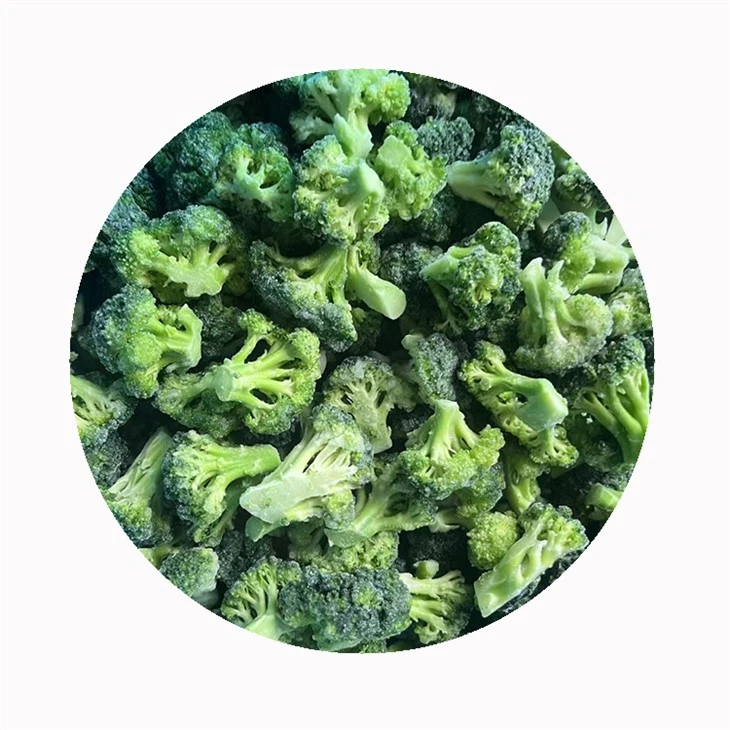
The U.S. frozen broccoli grade standard treats cut, chopped and piece styles differently, and assesses traits such as brightness, flavor, grit and style-specific defects. If your contract uses a grade, state the style and relevant grade standard. For a particular tray, also agree the crown size, acceptable stem share and method for measuring broken pieces. A grade description alone does not tell you how many whole florets will fit each compartment.
Frost, Clumps and Freezer Burn Need Different Questions
Light surface frost and pieces touching inside a frozen bag are observations about its condition. A large fused mass poses a different practical problem when you need to dispense loose florets. Describe what you can see before assigning a cause. Breaking everything apart immediately removes useful information about the original arrangement.
For a household purchase, choose an intact pack kept appropriately frozen and read its instructions. If the package is damaged or the food appears to have been mishandled, raise the issue with the retailer rather than guessing the previous temperature from a single visual sign. Keep the pack identity available for that conversation.
University of Maine Extension explains freezer burn as damage from exposure to dry freezer air, affecting moisture, color, texture and flavor. Freezer burn itself is a quality defect rather than a reason food becomes unsafe. That distinction does not clear an unrelated storage or contamination concern. Use the food's full history when evaluating more than appearance.
For receiving inspections, our IQF free-flow and clump guide covers a defined assessment. Here, the useful purchase decision is simpler: will the supplied form portion as intended, and are the product identity and handling condition clear enough to assess it properly?

If a delivered carton has a torn liner or a fused block, keep it in the required storage conditions and set it aside for review. Record the lot, affected carton positions, condition at receipt and available time and temperature history. A few crystals with a sound seal warrant a different quality conversation from a damaged pack with an unknown handling history.
Put Size and Appearance into Observable Terms
Descriptions such as attractive, selected or uniform leave room for different expectations. Start with a sample and the feature that matters to the dish. If stem length is the problem, record stem length. If oversized florets do not fit a compartment, record the relevant dimension and the serving arrangement.
Photographs help when they include scale and a representative spread of pieces. Keep the lighting and food state similar between comparisons. A close photograph of a single large floret and a distant photograph of a whole bag are poor evidence for deciding which product has the more consistent size distribution.
We would agree the measurement method before comparing percentages. State how a floret is positioned, which dimension is measured and how broken pieces are classified. A crown width and an overall stem-to-crown length can both be measured accurately while answering different questions. Writing the dimension beside the number prevents that simple mismatch. Keep one clearly marked sample photograph beside the measurement instructions so another person can repeat the positioning.
Use the same definition for acceptable pieces throughout a comparison. If the application changes, revise the requirement openly and test against the new use. Do not relabel a failed side-dish sample as satisfactory simply because some of it could disappear into a soup. That would change the decision after seeing the result.
Worked Example: Piece Count and Weight Tell Different Stories
Imagine a foodservice receiving comparison in which a defined sample contains 60 frozen florets weighing 1,200 g. Nine pieces fall outside the agreed size definition, and together they weigh 54 g. The figures are illustrative; neither the sample size nor the result is an XMSD acceptance standard.
By count, the outside-size fraction is 9/60 × 100 = 15%. By weight, it is 54/1,200 × 100 = 4.5%. Both describe the same observations. The difference arises because the affected pieces are relatively light, so their share of the piece count exceeds their share of the sample's mass.
A kitchen placing individual florets on plates may find the count result useful, while a recipe dosed by weight may need the mass result. The action is to use the basis specified for the actual purchase and application. Writing only 4.5% defects would conceal the denominator and make the result difficult to compare with another report.
Retain the original counts, weights and definition with the photographs. Compare the result with the agreed quality limit rather than inventing a pass mark afterward. This size assessment addresses physical suitability; a low percentage is not a microbiological safety result or a substitute for the other release checks.

Bring Fresh Broccoli Home with a Use Plan
Buy the amount you can prepare while it remains in good condition. Illinois Extension recommends keeping fresh broccoli unwashed in a loose or perforated bag in the refrigerator crisper, washing before use, and using it within its three-to-five-day storage guidance. Treat that as a quality-planning guide, not a guarantee for a head that was already old or poorly handled.
FDA recommends choosing refrigerated or iced pre-cut produce, refrigerating purchased pre-cut produce and keeping perishable produce in a clean refrigerator at 40°F or below, about 4°C. Keep produce separate from raw meat, poultry and seafood during shopping and preparation. A thermometer is more useful than assuming the refrigerator feels cold enough.
Put the planned meal beside the purchase in your routine. If dinner changes, reassess the broccoli while it is still suitable for use. A sound ingredient with no place in the week's meals can become an avoidable waste problem. Choosing a smaller quantity or a suitable frozen format may fit an unpredictable schedule better.
In foodservice and catering, the same logic applies to delivery quantity and kitchen use. We would connect the broccoli order to the actual menu, preparation capacity and storage space, then check whether the chosen cut reduces work at the point where the kitchen is busiest.
Keep Preparation Separate from Appearance
FDA advises washing hands for at least 20 seconds before and after fresh-produce preparation, rinsing produce under running water and avoiding soap or detergent on the food. Remove damaged or bruised areas from otherwise sound fresh produce; discard produce that looks rotten. Washing reduces surface contamination but does not eliminate all bacteria.
Frozen broccoli has its own instructions. University of Maine Extension distinguishes ready-to-eat products from products labeled ready-to-cook or requiring thorough cooking. Freezing does not reliably eliminate harmful bacteria. Follow the actual product's preparation directions, including its starting state, rather than treating a bright color or a loose IQF appearance as permission to eat it uncooked.
For young children, CDC advises introducing complementary foods at about six months with developmental readiness in mind, preparing a suitable texture, offering small portions and supervising eating. Vegetables may need cooking until easily mashed. Choosing a green head does not replace these steps, and an attractive whole floret may still be the wrong form for a child's feeding ability.

Keep the Label When a Purchase Needs Follow-Up
If a concern arises, retain the product name, lot identification, date information and purchase details. Photograph the unopened package and the specific issue where possible. Describe what happened plainly: a torn seal, an unexpected cut or a portion that performs differently after the stated preparation are separate findings.
A food recall takes priority over a favorable visual impression. FDA advises stopping sale or service of recalled fresh or frozen produce, keeping it separate and following the return or disposal instructions. Match the product and lot information against the notice; do not taste a product to decide whether a recall applies.
For a quality question, include the sample amount and preparation used. That makes the complaint actionable and allows a comparison with the agreed product. Keep the packaging details in the same record when the issue involves identification, protection or repeated opening. A clear description is usually more useful than a general claim that the broccoli looks wrong.
Choose again using what the meal taught you. If the florets were sound but too large for the serving, change the cut requirement. If the pack size left unused food, adjust the purchasing quantity. If handling or safety was in doubt, resolve that concern directly before returning the product to use.

XMSD can review broccoli cuts and packing for your intended food application. Share the finished dish, preferred floret presentation and sample observations so the discussion addresses the ingredient you need.
Send the broccoli cut, pack format and intended dish through our enquiry page. Include the specific selection question the sample should answer.
References
- University of Illinois: Broccoli Selection and Storage
- University of Illinois: Broccoli Forms and Stem Uses
- UC Davis: Broccoli Quality and Postharvest Disorders
- FDA: Selecting and Serving Produce Safely
- University of Maine: Freezer Burn and Packaging
- University of Maine: Cooking and Handling Frozen Vegetables
- CDC: Introducing Solid Foods
- FDA: Handling Recalled Produce
- USDA AMS, style-specific U.S. grades for frozen broccoli
- FDA, follow the cooking instructions on ready-to-cook food