


Who Should Avoid Blackberries? Allergies and Food Safety
Nov 15, 2021

Most people can eat blackberries as part of a varied diet. The clearest reasons to avoid them are a known blackberry allergy or a specific medical instruction that excludes berries, such as a prescribed low-fiber diet. Pregnancy alone is not a reason to remove properly handled fruit. Young children need fruit prepared to suit their chewing and swallowing development, while frozen berries need the preparation required by the pack and relevant local food-safety advice.
Start with the reason behind the question. An itchy mouth after eating fruit, a hospital diet sheet, a toddler's snack and a bag intended for cooking raise different issues. Making the portion smaller will not resolve a known allergy. Blending whole berries does not remove their ingredients or automatically make them suitable for a restricted diet. A dark color and pleasant smell cannot establish that a product has been safely handled.
For an ordinary meal, choose sound fruit, use a suitable preparation method and consider the whole dish. When someone has a diagnosed restriction, use their actual instructions before buying or mixing ingredients. This keeps a useful food available to people who can enjoy it while giving those with specific needs a clear, practical alternative.

A known allergy changes the decision
The NHS explains that allergy can occur with any food. Someone with a diagnosed blackberry allergy should avoid blackberries and follow their specialist's action plan. Suspected reactions deserve medical assessment; cooking or tasting a smaller amount at home is not a way to establish safety. Sudden throat or tongue swelling, breathing difficulty or collapse requires emergency help. Use prescribed emergency adrenaline as directed and call your local emergency service, even if symptoms improve.
Keep the exact food description when asking for help. A reaction after a blackberry dessert could involve the fruit, the dairy base, a nut topping or another ingredient. A photograph of the pack and the recipe can make that conversation clearer. Trying several different desserts and guessing from their colors leaves much less useful information for the clinician.
At a café counter, ask about the prepared dish rather than the fruit name alone. "Does this contain blackberries?" and "How was this portion prepared?" are specific questions staff can investigate. A berry sauce may have been added to a plain-looking dessert, or a blend may contain fruit that is difficult to identify once crushed. The person serving should check the recipe instead of identifying ingredients by sight.
The NHS also distinguishes food intolerance from allergy. That distinction belongs in an assessment, not in a quick judgement that a symptom sounds too mild to matter. Record the food, amount, timing and symptoms, and take that account to a healthcare professional if you suspect a problem.
Follow the actual low-fiber diet instruction
MedlinePlus lists berries among foods excluded from its low-fiber diet guidance. Such a diet may be recommended temporarily during some bowel flare-ups or after intestinal surgery; a stricture can require longer restriction. This does not mean everyone with a digestive diagnosis must avoid berries permanently. The individual's clinician or dietitian should specify the foods, duration and return to a broader diet.
For someone following that instruction, whole blackberries, mashed blackberries and a smoothie containing whole blackberries are different textures of the same starting ingredient. A home blender is not a seed-removal process. A product described as purée also needs checking: it might contain the whole crushed fruit. Ask the dietitian about a particular strained product before treating it as an approved replacement.
Our blackberry nutrition guide explains portions and composition for ordinary food comparisons. A nutrient calculation serves a different purpose from permission to eat a restricted food. When a diet sheet excludes berries, fitting a small portion inside a daily fiber total does not cancel that instruction.
Bring the actual product information to a diet discussion. "Fruit sauce" could mean a smooth strained preparation, a seeded purée or a mixed dessert. The ingredient list and a description of its texture give a dietitian something concrete to assess. Once an acceptable option is agreed, write its precise form into the household shopping list so another person does not buy a similar-looking substitute.
Pregnancy calls for safe preparation and variety
NHS pregnancy guidance includes fresh and frozen fruit in a varied diet and advises careful washing of fresh produce. It also explains that food does not replace the recommended folic acid supplement. Blackberries can therefore be an ordinary fruit choice during pregnancy, subject to individual advice and the preparation requirements of the product. Claims that a particular berry guarantees a baby's development go beyond what this guidance supports.
Choose a way of serving fruit that fits the meal and your appetite. A small bowl alongside breakfast, fruit incorporated into a suitable cooked dish, and a dessert containing several ingredients are separate choices. If a particular dish is unappealing, there is no need to force it because someone has described blackberries as uniquely necessary. The useful question is which suitable foods you can eat consistently across the week.
For a purchased dessert, ask the question that remains unanswered. If the concern is frozen fruit preparation, find out how that ingredient was treated. If a maternity team has given a dietary instruction, check the finished dish against it. A general "healthy fruit" description gives neither answer, whereas a clear ingredient list and preparation account usually identify what needs checking next.
Young children need an appropriate texture
The CDC identifies uncut berries as a potential choking hazard for young children. Preparation should match the child's development: cut or mash food as appropriate, avoid hard pieces, have the child sit upright and supervise eating. A frozen berry that is hard enough to resist mashing should not be offered as though it were soft fresh fruit. Ask the child's healthcare team for advice when chewing or swallowing ability is uncertain.
Plan the child's serving separately from the presentation for adults. A whole-berry garnish might look attractive on the family dessert but be the wrong form for a young child. Prepare the suitable texture before the plate reaches the table. This is easier than trying to change the food while also serving everyone else or relying on a child to take unusually careful bites.
The same attention is useful when food changes hands. A grandparent receiving a tub marked only "berries" may serve it differently from the person who prepared it. Describe the finished texture and any remaining preparation clearly. If the fruit needs further treatment before use, make that visible instead of leaving the next caregiver to infer readiness from its softness.
Plan separate portions before mixing the fruit
Worked example: imagine a family preparing dessert for eight people, with an illustrative fruit allocation of 80 g each. One person has a clinician's instruction to avoid berries and already has a separately approved alternative. The other seven portions need 7 × 80 g = 560 g of prepared berries. The eighth portion uses 80 g of the agreed alternative, prepared and served separately. These quantities describe the menu, not a recommended medical serving size.
The shopping total is still 640 g of prepared fruit, but the ingredients are allocated before assembly. Mixing all 640 g into a shared dessert and then trying to pick berries out would defeat the purpose of planning a separate dish. If the issue is allergy, ingredient removal after contact is especially inappropriate; the applicable allergy plan and preparation controls must be followed from the start.
Name the alternative on the preparation note. "Special portion" gives a helper little information, while "use the agreed fruit option in the separate labeled bowl" connects the instruction to an actual dish. For this hypothetical family, the result is seven berry portions and one deliberately prepared alternative, with the distinction preserved through serving.
Change the count if the guest list changes. The benefit of this calculation is that it separates the number of ordinary portions from the number requiring a different ingredient. It also reveals why buying enough total fruit is only the first step: the available fruit has to be suitable for the people receiving each portion.

Fresh berries need careful handling
FDA advice for fresh produce is to wash hands, rinse fruit under running water and keep it separate from raw meat and contaminated utensils. Soap and detergent are unsuitable for washing produce. Refrigerate perishable produce at 40°F, about 4°C, or below, and discard fruit that is rotten. Rinsing reduces surface contamination but does not eliminate every microorganism. These handling measures matter even when fruit looks attractive.
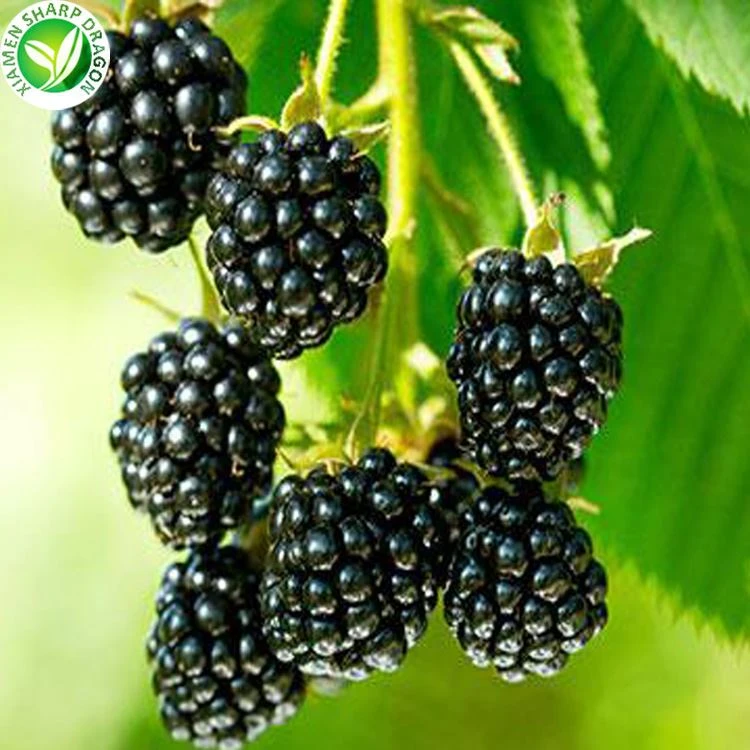
Look through the container before preparing a dish. A photograph of ripe berries shows the appearance you might want, but it tells you nothing about the storage history of the fruit in your kitchen. If the condition of a purchase raises doubts, keep the packaging and contact the retailer with a clear description. Do not use a sauce, a smoothie or a dark dessert base to conceal questionable fruit.
Organize the work surface so washed fruit has a clear destination. Set out a clean bowl before rinsing, and remove packaging from the space where the prepared fruit will be handled. This simple arrangement helps the next step happen deliberately; otherwise fruit often moves back into whatever container is closest, even when that container was intended only for the unprepared purchase.
For a shared meal, decide who handles the fruit and who finishes the plates. A bowl left between two busy work areas invites uncertainty about whether it has been washed or is ready to serve. An ordinary preparation note, such as the fruit name and the completed step, can prevent a second person from making the wrong assumption.

Frozen berries may require a heat step
The Food Safety Authority of Ireland advises boiling imported frozen berries for one minute before consumption because freezing can preserve viruses. The advice is particularly relevant when serving vulnerable people. It applies to imported frozen berries, not fresh berries or home-grown berries frozen after picking. In other markets, follow applicable local advice as well as the product instructions; do not assume every bag is ready to eat directly from the freezer.
Read the preparation information before designing a cold dessert. If heat treatment is required, the recipe needs an appropriate heating and cooling process before chilled service. A quick rinse, a brief softening or a blender cycle should not be substituted for the specified step. When instructions are missing or unclear, obtain the information before using the fruit in a dish without further cooking.
We would assess a frozen blackberry product against the intended preparation before comparing its appearance on a dessert. An attractive intact berry may soften during the process a kitchen needs to use. That result should influence the recipe or product choice; it is not a reason to omit the process that makes the ingredient suitable for service.
Make the sample trial resemble the final use. Evaluate the fruit after the required preparation, at the point it will be portioned and eaten. A frozen sample viewed in its bag answers a question about incoming appearance. A prepared sample on the actual plate answers a question about service. Keeping those observations separate prevents an attractive photograph from becoming an unrealistic promise about the finished dish.
Measure the topping after preparation
Worked example: a catering supervisor needs 24 portions containing 50 g of an approved prepared berry topping, so the service target is 1,200 g. Three illustrative 500 g packs provide 1,500 g before preparation. The 300 g difference is a planning margin, not a measured yield or a reason to change the required cooking and cooling process.
Suppose a trial using the intended method produces 1,350 g ready for portioning. Dividing by 50 g gives 27 complete portions, three more than needed. If a different trial produces only 1,100 g, it provides 22 portions and leaves a shortfall of two. These are hypothetical outcomes: the supervisor needs the actual prepared weight before assigning a dependable portion count.
Adjust the quantity ordered or the number of portions promised. Keep the required preparation unchanged, and record the method beside the measured output. The next trial can then test a specific change instead of repeating an unexplained shortfall.
For repeat foodservice and catering applications, we recommend comparing portions at the same stage of preparation. One team may weigh fruit with all its released liquid while another counts drained pieces only. Both measurements can be useful, but the recipe must say which one represents a serving. Otherwise a promising trial result can disappear simply because the portion basis changed between the kitchen test and service.

Keep ingredient information with the dish
Food Standards Agency guidance for England, Northern Ireland and Wales calls for current ingredient records and controls to prevent allergen cross-contact. It recommends cleaning utensils, keeping relevant ingredients separate and retaining clear labels. It also notes that people can react to ingredients beyond the allergens specifically covered by declaration rules. A short list of emphasized allergens therefore cannot answer every individual question about a berry dish.
For an enquiry about a finished dessert, start with its full recipe. Include the fruit blend, base, garnish and any sauce added during serving. Then compare that record with the packs actually used. If the usual product was replaced for that service, the old recipe sheet may need updating before staff can give an accurate answer.
Keep the question attached to the correct portion. A kitchen may correctly prepare a different dessert and still lose the distinction when several similar plates reach the counter. A clear serving note should identify the intended dish and the staff member responsible for handing it over. This is a practical communication choice, and it should fit the business's established food-safety procedure.
Choose containers for their intended use
Oregon State University's freezing guidance recommends containers designed for freezer storage, including appropriate freezer bags, rigid containers and suitable glass jars. Packaging should resist moisture and vapor, protect the food and leave the required space for expansion. Choose a container for the actual process instead of assuming that any decorative bowl, reused jar or thin bag is suitable for freezing.
For cooking equipment, follow the manufacturer's food-contact and use instructions, including any limits for acidic foods. Identify the material and condition of the particular item before deciding to use it. If those details are unavailable, choose a suitable item whose intended use is clear.

Keep the original product identity available when transferring fruit. An outer carton may carry information that is absent from an inner bag. If the bag is portioned into smaller containers, preserve the connection to the product and lot in the kitchen's records. Our frozen-food packaging information is useful when discussing how the pack will be handled through receiving, opening and portioning.
We also distinguish a request for seedless texture from a request to avoid blackberries. A processor may want fewer visible seeds for a sauce; a diner may need the ingredient excluded entirely. Those requests lead to different product decisions. State the intended result plainly so an application adjustment is not mistaken for a response to a medical restriction.
Resolve a product question before serving
When information is missing, make the enquiry specific: product name, pack photograph, lot code, preparation instructions and the proposed dish. Explain what remains uncertain. A supplier can investigate product composition or intended preparation, while the person's healthcare professional decides how a medical restriction applies. Sending a focused question to the right person is more useful than asking for a blanket guarantee that blackberries suit everyone.
Keep the answer with the recipe or product record so it remains available to the next person preparing the food. If the answer changes the ingredient choice, change the shopping or receiving instruction too. This closes the gap between deciding on a suitable option and actually serving that option when the kitchen is busy.

At XMSD, we can review blackberry form, packing and intended preparation against your application. Include the finished texture you need and the product information your team must retain.
Send the product details and preparation question through our enquiry page. Include the destination market and the dish you plan to prepare.