


IQF Frozen Vegetable Free-Flow Test: Clump Limits and Lot Acceptance
Aug 21, 2026

An IQF frozen vegetable is free-flowing when its pieces can be separated and dispensed in the intended frozen condition without unacceptable fused masses. That does not mean every pea, carrot dice, broccoli floret, or cauliflower piece must sit alone. Natural contact, light surface frost, and small friable clusters can occur. The useful question is whether the lot remains portionable and whether any clumps exceed the written mass, size, or application limit.
We recommend a frozen, mass-based test rather than a quick visual judgment. Define the sample size, conditioning temperature, handling method, clump categories, separation force, calculation, and acceptance rule before comparing lots. A result such as "8.0% of the sample remained in fused clumps after gentle hand separation" is reproducible enough to discuss. "Looks a little blocked" is not.
The same percentage can lead to different decisions. An automated multihead weigher may reject clumps that a soup plant can meter into a steam kettle. A retail pouch may need attractive loose pieces, while an industrial puree line may accept a non-free-flowing block if that format was ordered. Start with product presentation and application, then set the test. Our wider frozen vegetable range illustrates why one clump rule cannot sensibly cover every vegetable style.
The short answer: Test free flow while the product is fully frozen, classify loose ice, friable clusters, and fused clumps separately, weigh the unacceptable fraction, and compare it with a limit written for the actual cut, pack, and dosing method.
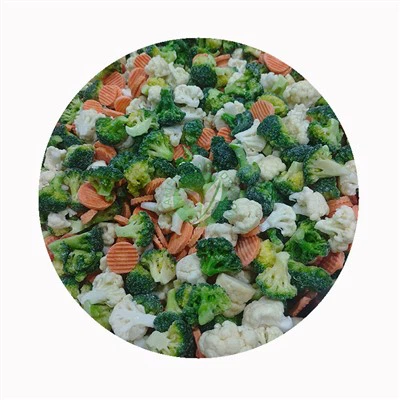
Free Flow Is a Defined Product Property, Not a Slogan
IQF describes a process and presentation objective: small pieces are frozen rapidly and kept individually usable. FAO technical material explains that fluidized-bed freezing is useful for particles that tend to stick or lump because cold air can surround and suspend the product. The process is valuable for portion control, but the letters IQF do not guarantee that a carton will remain loose after packing, storage, transport, and repeated handling.
Our IQF freezing definition guide covers freezing identity and process fundamentals. The owner here is narrower: how you turn "free-flowing" into a receiving test and lot decision. The distinction matters because a technically IQF product can later acquire clumps from residual surface water, compression before hardening, a weak moisture barrier, seal damage, or temperature movement.
Do not copy one numerical limit across products. A USDA commodity specification for diced IQF mushrooms, for example, required the product to be free flowing and limited frozen clumps greater than one inch to 10% by weight. That is a useful demonstration of a complete rule because it states product, presentation, clump size, and mass basis. It is not a universal legal limit for peas, edamame, broccoli, or a private-label vegetable blend. Use the destination requirement and the approved commercial specification for your SKU.
Separate Four Conditions Before You Calculate Anything
A useful inspection separates conditions that have different causes and consequences. If every white particle is called "ice" and every connected piece is called a "clump," the result will not guide production correction or a claim. We use plain physical categories first and investigate cause second.
| Observed condition | How to handle it in the test | What it may indicate |
|---|---|---|
| Loose frost or free ice | Collect and weigh separately if the specification controls it | Surface water, abrasion, moisture entry, or ice migration |
| Friable cluster | Apply the defined light separation action; record it as loose if it releases | Normal contact, light frost bonding, or pack pressure |
| Fused clump | Retain, measure or sieve by the written size threshold, then weigh | Excess water, incomplete separation, compression, or temperature exposure |
| Solid block presentation | Do not test against an IQF rule unless the order called for IQF | Intentional block pack or a major presentation failure |
Loose ice and fused vegetables are not interchangeable. Loose ice changes net-content and appearance questions, while a fused vegetable mass changes dosing and cook uniformity. A clump can contain little visible free ice yet still bridge a hopper. Conversely, a pouch may contain loose frost but pour normally. Record both conditions so the corrective action follows the evidence.

A Repeatable IQF Vegetable Clump Test
1. Define the supplied condition and test temperature
Name the vegetable, cut, blanch status, IQF or block presentation, inner pack, and expected frozen condition. Test unopened units from controlled frozen storage. Codex CXC 8 recommends maintaining quick-frozen foods at -18°C or colder with minimum fluctuation through storage and ideally through transport. Use the contractual temperature and the applicable local tolerance, but keep samples frozen during the physical test. A warming sample may appear easier to break for a few minutes and then become wet and sticky, invalidating comparison.
2. Choose samples across cases and pallet locations
One attractive top bag does not represent a shipment. Draw unopened packs from the agreed number of cases and positions. If the complaint is route-related, include top, center, side, door-end, and floor-adjacent locations where practical. Keep each sample identified by lot, case, pallet, and location. The sampling plan must fit the decision: supplier approval, routine lot release, arrival hold, or complaint investigation use different risk and therefore may use different sample sizes.
Before using the result for acceptance, run the method on duplicate packs and compare operator results. If two trained inspectors classify the same cluster differently, tighten the definition with a reference photo, a dimension, and an exact separation action. If replicate percentages vary widely within one case, expand the sample rather than averaging away the variation. The purpose is not laboratory precision; it is a method stable enough that supplier and receiver reach the same commercial decision from equivalent frozen samples.
3. Open, spread, and apply one separation action
We place a known frozen mass on a clean, cold working surface or in a preconditioned tray. Use the same action for every sample: a defined number of gentle shakes, a stated sieve movement, or light hand pressure through insulated gloves. Do not strike one supplier's clumps against a table while giving another supplier only a shake. If force matters to the application, define a simple device or method and validate its repeatability.
4. Classify and weigh the remaining fractions
After the approved separation action, weigh the free-flowing pieces, loose ice or frost, acceptable small clusters, and unacceptable fused clumps. If the specification includes a clump dimension, measure the retained clumps at the stated largest dimension or use the agreed screen. Keep broken product and fines separate unless the same specification deliberately combines them. The four fractions should reconcile reasonably with the starting mass; a large balance error usually means thaw drip, product loss, or incomplete collection changed the test.

Worked example: A hypothetical inspection starts with 600 g of frozen vegetable mix. Gentle standardized separation leaves 48 g in fused clumps above the agreed dimension, 9 g as loose ice, and 543 g as loose pieces or acceptable small clusters. The fused-clump fraction is 48 ÷ 600 × 100 = 8.0%. Loose ice is 9 ÷ 600 × 100 = 1.5%. Report both. If the contract allows no more than 5.0% fused clumps, this sample fails that quality rule even though 90.5% remains usable. If the limit is 10.0% for this exact SKU and application, it passes the clump rule but still needs the separate loose-ice decision.
Do not convert the worked figures into a standard. They show the calculation and why the denominator matters. If you remove loose ice before defining the starting mass, or compare a 500 g retail pouch with an unknown scoop from a bulk liner, percentages will not be comparable. Write the denominator and handling sequence into the method.
Where Clumps Form Across Processing and Distribution
Clumping is a symptom, not a single diagnosis. Start with the pattern. Uniform light clusters throughout many cases point in a different direction from one wet block beside a damaged seal. Use production records, photographs, pack condition, temperature evidence, and repeat samples before assigning responsibility.
Surface water and piece preparation
Water carried from washing, blanch cooling, or glazing can freeze between adjacent pieces. The correct control depends on the vegetable. Peas and small dice expose many contact points; cauliflower florets trap water in branching surfaces; leafy cuts can mat together; broccoli fines can fill gaps between larger florets. Review drain time, dewatering equipment, piece load, size distribution, and the delay between dewatering and freezing. More drainage is not automatically better if it warms or dehydrates the product, so verify frozen condition and cooked quality together.
Freezer loading and hardening
A fluidized freezer needs an operating window that matches piece mass, surface area, bed depth, air distribution, infeed condition, and belt speed. Overloading can reduce movement and create contacts before surfaces harden. Very wet or sticky products may not fluidize like clean, evenly cut pieces. Inspect line settings with actual product temperature and throughput records. A photograph of equipment cannot prove the lot's freezing performance, but a qualified review of the processing and inspection equipment helps you ask where separation, dewatering, freezing, and final checks occur.

Packing, compression, and temperature movement
Product packed before it is uniformly hardened can compress into clusters. A tall bulk liner places different pressure on lower layers than a small retail pouch. Case stacking, pallet overhang, and rough transfers can push irregular pieces together. Later, moisture migration and ice recrystallization during temperature fluctuation can strengthen bonds. Codex treats quick-frozen storage and transport as a temperature-managed chain; a freezer set point alone does not describe product history.
At arrival, review container and logger records, case condition, inner seals, wet staining, frost pattern, product temperature under the approved procedure, and clump distribution. Codex presents a stepwise approach: visual inspection, air-temperature records, non-destructive product measurement when needed, and destructive measurement if the evidence indicates a possible violation. Follow destination rules and your approved procedure rather than improvising a probe method in the loading bay.
Set Acceptance by Application, Not Appearance Alone
The commercial loss from clumps depends on how the product moves after opening. A multihead weigher needs a stable flow of pieces into weigh buckets. A small clump can create overweight packs or starve the next portion. An auger or narrow chute may bridge on a floret mass. Hand scooping is more tolerant but still produces irregular portions. A batch kettle can accept larger clusters if heat and agitation separate them safely and uniformly.
Run the free-flow result beside an application trial. Record dispense time, consecutive portion weights, blocked feeds, operator intervention, cook uniformity, and waste. Our broad frozen vegetable quality standards guide explains why cut, defects, color, character, and application performance need separate acceptance lines. A free-flow pass does not excuse excessive broken pieces, foreign material, poor texture, or an incorrect blend ratio.

Practical example: A hypothetical ready-meal line doses 125 g of frozen broccoli into each tray. Lot A contains 4% friable clusters that release with one hopper vibration and produces 20 consecutive portions between 122 g and 128 g. Lot B also shows 4% clustered mass, but several fused florets bridge the chute and the same trial produces portions from 109 g to 143 g. The percentages look equal; the production risk is not. Approve the physical limit only after the actual feeder trial, and write the flow-performance rule into sample approval.
Write a Specification That Another Inspector Can Repeat
A strong free-flow clause states the product and cut, IQF presentation, pack size, required frozen condition, sample selection, test mass, conditioning temperature, separation action, clump definition, size screen or measurement, calculation basis, acceptance number, re-test rule, and disposition. Add loose ice, broken pieces, and package condition as separate lines when they matter. If more than one country or customer standard applies, identify which document controls the order.
Keep supplier-process controls and buyer acceptance linked but distinct. The supplier may monitor dewatering, belt load, freezer temperatures, and final check samples. Your receiving plan may use unopened packs from selected cases. A contract failure occurs against the agreed finished-product method; a process deviation is investigated through records. Do not reject a lot solely because a set point differs from an assumed number when the approved finished product still complies, and do not accept a nonconforming lot merely because the set points appear normal.

For initial approval, keep photographs of representative acceptable and unacceptable conditions, but never use photos without the written method. Scale, lighting, angle, and thaw state can distort appearance. Retain the sample identity, test sheet, balance identification, result, calculation, inspector, date, and disposition. Where repeated lots run near the limit, trend the values instead of waiting for a failure. A stable upward trend in clump fraction can reveal drainage, loading, packaging, or cold-chain drift before the application stops.
Packaging Can Preserve or Destroy Free Flow
The inner pack must limit moisture transfer, remain sealed in frozen handling, and suit the amount opened at one time. A puncture or weak seal can allow moisture exchange and dehydration. Excess headspace may increase movement and breakage, while a tightly compressed liner can encourage contact between pieces. Pack size also changes use: several smaller bags can reduce repeated warm-air exposure compared with one large liner opened many times, but they add seals and handling points.
Review material structure, thickness where specified, seal width and cleanliness, leak-test method, carton strength, liner closure, lot coding, pallet pattern, and route conditions. Our overview of frozen packaging technology provides the next step when you need to connect an IQF free-flow target to inner bags, cartons, private-label formats, and frozen distribution.

A Clump Result Is Not a Food-Safety Verdict
Clumps are primarily a presentation and quality signal. They can support an investigation of excess water, freezing performance, packaging, or temperature exposure, but they do not prove a pathogen hazard or prove that a thaw-refreeze event occurred. A frozen product can clump without unsafe warming, and a microbiological problem can exist in a free-flowing pack. Keep hazard controls, microbiological criteria, foreign-material control, allergen status, and ready-to-cook or ready-to-eat identity in their own release system.
If clumping arrives with torn packaging, wet cartons, abnormal odor after controlled thawing, missing traceability, or temperature evidence outside the permitted rule, place the affected stock on hold and follow the approved food-safety and quality investigation. Preserve evidence before breaking every clump apart. Photograph sealed packs, record locations, protect logger files, and keep retained samples under controlled frozen conditions.
Frequently Asked Questions
Does IQF mean zero clumps?
No. IQF aims for individually usable pieces, but the acceptance level must name the product, clump definition, test, and application. Small friable contacts may be acceptable; fused masses that disrupt dosing may not be.
Can I judge thaw-refreeze from clumps alone?
No. Clumps can come from water, freezer loading, compression, packaging, or temperature movement. Combine the physical pattern with seals, cartons, production data, logger records, product-temperature measurements, and comparison across pallet locations.
Should loose ice be included in the clump percentage?
Usually it is clearer to report loose ice separately because it affects net content and package appearance differently from fused vegetable pieces. If your contract combines them, state that basis explicitly and use it for every comparison.
What evidence should accompany a clump complaint?
Provide lot and pack identity, affected quantity, unopened-pack photos, sampling locations, frozen-condition records, the exact test method, starting and fraction weights, calculations, packaging observations, logger evidence, retained samples, and the application consequence.
XMSD sourcing note: When you compare IQF vegetable samples, we can review the intended cut, pack, dosing method, free-flow test wording, and application trial inputs before quotation.
References
- Codex CXS 320-2015: Standard for Quick-Frozen Vegetables
- Codex CXC 8-1976: Processing and Handling of Quick-Frozen Foods
- FAO: Freezing of Fruits and Vegetables - Freezing Equipment and IQF Principles
- USDA AMS: Frozen Vegetable Commodity Specification Amendment for IQF Diced Mushrooms
- USDA AMS: Frozen Mixed Vegetables Grades and Standards