


Broccoli Serving Spacing: Build a Cadence That Fits
Nov 11, 2019

There is no required waiting period between broccoli servings for most healthy people. Broccoli can appear on consecutive days, several times during a week, or less often. The useful cadence is the one that delivers an appropriate vegetable portion, leaves room for other foods, remains comfortable, and still tastes appealing.
Frequency and spacing solve different problems. "Three times this week" counts appearances. "Monday, Tuesday, and Friday" shows the interval. Those schedules may have the same count but feel very different: consecutive servings can simplify preparation, while spaced servings can improve recipe variety and make digestive patterns easier to interpret.
Start with the meal plan, not a broccoli quota. Name the cooked portion, the other vegetables available, the form and recipe, and any symptoms or medical instructions. Then place broccoli where it adds a dark-green vegetable without turning every lunch into the same plate. Review the schedule after two cycles and adjust the interval, not only the amount.
The direct answer: Eat broccoli as often as it fits a varied, comfortable diet; use spacing to manage acceptance, preparation, and consistency rather than following a universal interval.

Choose an Interval Only After the Portion Is Clear
One small side on two consecutive days is not equivalent to a very large bowl at one meal. Before discussing "often," define the edible basis. Weigh a normal serving after heating and draining, or use a clearly stated household measure with the food form attached. A cup of loose crowns, a cup of chopped broccoli, and a cup of a mixed dish are different.
MyPlate counts one cup of chopped broccoli or florets, fresh or frozen, as one cup from the vegetable group and classifies broccoli as a dark-green vegetable. That equivalence helps record intake; it does not instruct everyone to eat a cup at every appearance. Overall vegetable needs vary, and a partial cup can still contribute to the day.
Spacing becomes useful when the total serving is already sensible. If a 90 g cooked side is comfortable, consecutive days may work. If a 250 g bowl causes fullness or replaces other foods, waiting an extra day does not repair the oversized meal. Reduce the portion or revise the recipe first, then consider interval.
For a defined composition basis, the XMSD reference for cooked frozen broccoli keeps preparation and edible weight attached to nutrient values. A product label takes priority for a seasoned, breaded, blended, or otherwise different SKU.
Use the Vegetable Pattern as the Calendar Frame
USDA MyPlate emphasizes variety within the vegetable group. Broccoli can help fill the dark-green category, while red-orange vegetables, beans, peas and lentils, starchy vegetables, and other vegetables bring different foods into the pattern. The question is therefore not how quickly broccoli can return; it is whether the return leaves visible space for the other categories.
Write seven meal slots across a page and mark the vegetable already planned. If broccoli appears at lunch on Monday, a carrot dish at dinner on Tuesday and beans on Wednesday create genuine rotation even if broccoli returns Thursday. A varied schedule can contain repetition. Variety does not require banning a practical ingredient for an arbitrary number of days.
The same principle prevents token variety. Rotating only broccoli, cauliflower, and cabbage changes the name but stays within a narrow cruciferous set. Include different colors, plant families, textures, and preparation styles. For buyers and menu planners, this also reduces dependence on one cut, one crop window, or one supplier specification.
A schedule is adequate when the broccoli appearances contribute rather than dominate. If it fills every vegetable slot because it is easy to store, keep the convenience but reduce some appearances. Frozen format can remain the operational anchor while carrots, spinach, peppers, legumes, mushrooms, or other vegetables rotate around it.

Spacing Helps You Read Digestive Feedback
Broccoli can contribute to gas or bloating for some people, particularly when the portion or total fiber increases abruptly. Consecutive servings are not inherently harmful, but they can make cause and effect difficult to separate when symptoms begin. A measured interval creates a clearer observation window.
Keep the portion and preparation stable for the first comparison. Record the time eaten, other fermentable foods, carbonated drinks, symptoms, onset, and duration. If the same response follows broccoli twice and improves when the serving is smaller, the portion may matter more than the number of days between meals.
NIDDK identifies cruciferous vegetables among foods that may contribute to gas symptoms and suggests a food-and-symptom diary for people trying to identify triggers. It also advises smaller meals in some gas-management situations. Use those ideas to create a clean comparison, not to label broccoli as unsuitable for everyone. Write enough detail that you can distinguish a larger serving from a shorter interval, a richer recipe, or a meal eaten too quickly.
Persistent pain, repeated diarrhea, vomiting, blood in stool, fever, or symptoms that interfere with daily life need medical attention. Allergy-type symptoms require a different response: stop the suspected food and seek appropriate care, with urgent help for breathing trouble, throat swelling, faintness, or rapid worsening.
Representative Scenario 1: Separate Variety from Tolerance
Representative scenario - Practical example: Decision function - personal meal cadence. An adult enjoys 80 g of cooked broccoli and has no symptoms. The existing plan serves it Monday, Tuesday, Wednesday, and Thursday with the same rice-and-chicken dinner. The problem is boredom and missing vegetable variety, not tolerance.
The person keeps the 80 g portion but schedules broccoli Monday and Thursday. Tuesday uses carrots and peppers, Wednesday uses beans and leafy greens, and Friday uses mushrooms with another vegetable. Broccoli still appears twice, yet the new spacing changes color, texture, and plant family across the workweek.
A later busy week uses broccoli on consecutive Monday and Tuesday because one batch is prepared for two meals. That is acceptable: the rest of the week retains variety and the portions remain comfortable. The schedule responds to real meal preparation instead of treating a one-day gap as a biological requirement.
The result is a flexible cadence rule: consecutive servings can be used for efficiency, while the wider week protects variety and acceptance. If symptoms appear after a recipe change, the person evaluates portion and ingredients separately before changing the entire calendar.
Three Clocks Shape the Right Cadence
A workable plan has three clocks: the eater's clock, the kitchen clock, and the stock clock. The eater's clock concerns appetite, comfort, variety, and medical consistency. The kitchen clock covers preparation labor, batch size, holding, and service. The stock clock covers pack openings, frozen storage, rotation, and the time required to use one inner unit.
Start with the eater. If broccoli is welcome, the serving fits, and other vegetables remain visible, no artificial gap is needed. If acceptance falls after consecutive meals, widen the interval or change the recipe. If symptoms occur, keep the portion and preparation defined while you test the spacing. If warfarin or a prescribed diet applies, the clinical plan comes first.
Next, review the kitchen. One batch may efficiently cover two consecutive services without reducing quality. A long hold followed by reheating may not. Record when the product leaves frozen storage, the heating method, cooked yield, drain point, service temperature, and any leftovers. Broccoli scheduled on paper is useful only when the real process delivers the intended portion and texture.
Then examine stock. An unopened frozen unit can wait under its specified storage conditions; an open liner introduces a different handling task. If your service gap is long, use a practical inner unit or pre-weigh protected batch amounts according to the product and facility procedure. Do not let an open pack decide the menu simply because it must be emptied.
Conflicts between the clocks reveal the actual decision. The eater may prefer a wider recipe rotation while the kitchen wants a two-day batch. The answer might be to use the same frozen cut in broccoli soup on day one and a mixed grain bowl on day two, then leave a gap. Or the pack may need to change so the menu is not forced.
Review all three clocks after two full cycles. Keep the cadence if plate returns, comfort, cooking performance, and pack handling remain stable. Change only the clock that failed. This avoids reducing frequency when the real issue is an oversized portion, or changing the product when the real issue is a repetitive recipe.
Preparation Rhythm Matters as Much as Eating Rhythm
Repeating one recipe can create menu fatigue even when the ingredient remains welcome. Alternate a firm stir-fry, soup, grain bowl, omelet filling, or lightly seasoned side if those forms suit the eater. Change one major preparation variable at a time when digestive tolerance is under review, but use broader variety when acceptance is the goal.
Finished-dish ingredients still count. Cheese sauce, butter, breading, frying oil, stock, meat, and salt can shift the meal. A lightly cooked frozen floret and a breaded broccoli bite are not interchangeable because both contain broccoli. Review the complete label or recipe per serving.
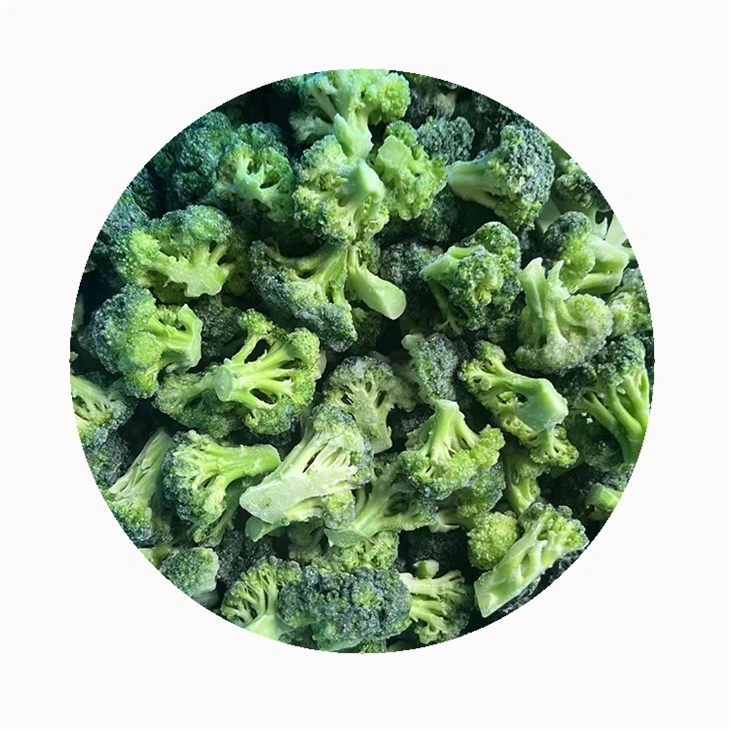
Frozen broccoli can make serving intervals easier because the kitchen removes only the required amount. It also changes the operational questions: cut consistency, loose ice, clumping, breakage, pack resealing, and holding time affect whether each scheduled serving resembles the first one. The general XMSD discussion of frozen vegetable nutrition provides context while the SKU and recipe set the exact result.
Do not thaw a bulk quantity simply because broccoli appears again later in the week. Follow the product's storage and preparation instructions. Plan each opening around a defined use cycle, keep product protected at the specified frozen condition, and avoid repeated temperature exposure during small daily draws.
Vitamin K Makes Schedule Changes Important for Some People
Broccoli is among common dietary sources of vitamin K. NIH advises people taking warfarin and similar anticoagulants to keep vitamin K intake consistent because sudden changes can change the medicine's effect. The concern is not that broccoli must be separated by a fixed interval; it is that a stable pattern should not swing sharply without clinical guidance.
If a person moves from one small broccoli serving a month to large portions every day, record the planned grams and frequency and contact the prescribing team. Do not adjust the drug independently. Consistency can involve regular broccoli, but the appropriate plan belongs with the professional managing anticoagulation.
Other clinical diets may set their own limits for fiber, potassium, meal volume, carbohydrate, or texture. Put the exact cooked broccoli portion and schedule inside that plan. A generic weekly pattern cannot override kidney, gastrointestinal, swallowing, postoperative, allergy, or other personalized instructions.

XMSD Experience 1: Match Inner Packs to the Service Gap
In repeated frozen-food programs, we first ask how much broccoli the kitchen uses per cooking cycle and how long it waits before the next cycle. A 10 kg inner liner may suit a high-volume lunch line but be awkward for a small operation serving broccoli every third day. Frequency becomes a pack-use question.
We calculate the expected frozen input from the cooked target and an observed trial yield. Then we compare that input with the inner unit. If one service uses 6.5 kg frozen and the next service is several days away, a 10 kg open remainder needs a clear protected-handling plan. A closer pack match may reduce repeated access and portion guessing.
Pack size is not chosen from frequency alone. Carton handling, packaging material, cost, waste, label space, destination requirements, and customer equipment matter. We would verify the actual service quantity and cold-handling routine before recommending a configuration. The XMSD overview of frozen-food packaging options can start that discussion.
This approach makes the cadence measurable. The menu specifies the days; the cooking trial supplies frozen input; the pack plan controls openings; and the storage instruction protects the remaining units. A slogan such as "broccoli twice weekly" provides none of those operational links.

Representative Scenario 2: Space a Five-Day Lunch Program
Representative scenario - Worked example: Decision function - foodservice production cadence. A workplace cafeteria serves 400 lunches per day and plans 70 g cooked broccoli per broccoli meal. One service therefore needs 28 kg cooked output. A trial records 84% usable cooked yield for the approved frozen cut.
The estimated frozen input per service is 28 ÷ 0.84, or 33.3 kg. The first draft menu places broccoli Monday, Tuesday, and Wednesday. Kitchen labor is efficient, but plate-return review shows acceptance falling on the third consecutive day despite three different sauces.
The team keeps two broccoli services but moves the second to Thursday. Tuesday uses a red-orange vegetable and Wednesday uses beans with another green. It retests 33.3 kg as the starting estimate, confirms the actual line yield, and chooses inner units that reduce awkward partial openings during each 400-meal batch.
The result is not a nutrition prescription of twice per week. It is an operating schedule that protects acceptance, variety, and batch control. The frozen broccoli product format frames sample review, while the cafeteria's own cooking and return data determine cadence.
XMSD Experience 2: Review the Last Service, Not Only the First
When broccoli repeats within one week, we compare performance across the first and last service. A sample approved on Monday may be portioned differently on Thursday because staff, scoop angle, bag separation, or holding time changes. Weekly consistency needs observations from more than one convenient trial.
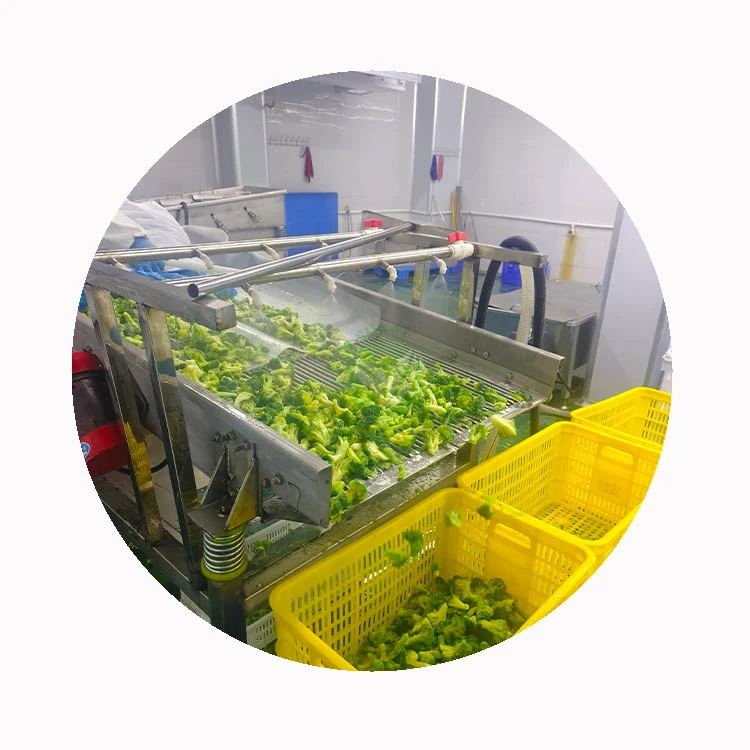
Our review records frozen scoop weight, cooked and drained output, floret appearance, free water, holding duration, and returned food. If the final service has more fragments or softer crowns, we trace handling, open-pack practice, cook load, and line timing. We do not automatically blame the crop or increase input.
A stable specification helps: nominal cut band, reasonable stem allowance, tolerance for small pieces, preparation status, pack and label, and agreed sample method. The XMSD frozen broccoli range shows available product directions, while an approved sample and written details govern the actual program.
This second-service check is especially useful when the menu gap is part of the design. If quality and returns are stable after the gap, the cadence is operationally sound. If they drift, correct handling or format before adding more broccoli days.
Use a Cadence Review Instead of a Fixed Rule
| Question | Evidence | Cadence action |
|---|---|---|
| Is the portion clear? | Cooked edible grams | Fix amount before interval |
| Is variety visible? | Seven-slot vegetable map | Space appearances if gaps remain |
| Is tolerance comfortable? | Measured food-and-symptom record | Adjust amount, recipe, then interval |
| Does acceptance fall? | Plate returns and comments | Change recipe or widen service gap |
| Does the pack fit? | Frozen input per cycle | Align inner unit and handling plan |
Keep the existing cadence when the portion is eaten, the week remains varied, digestion is comfortable, and the product performs consistently. Change it when boredom, leftovers, symptoms, medical instructions, or pack handling create a clear reason. The response may be a smaller portion or different recipe rather than fewer appearances.
Broccoli can return at the next meal or after several days. What matters is the evidence around that return. A good cadence makes the vegetable easy to use without turning convenience into monotony, a large serving into a frequency problem, or a medical consistency issue into guesswork.

XMSD sourcing note: For a repeating broccoli menu, share service days, cooked grams per plate, meal count, heating and hold cycle, floret range, batch input, inner-pack preference, destination, and storage routine. We can use those details to frame a suitable sample and specification review.
References
- USDA MyPlate vegetable-group guidance
- 2025 Dietary Guidelines Advisory Committee vegetable-pattern modeling protocol
- NIDDK diet guidance for digestive gas
- NIH vitamin K information for health professionals
- XMSD operational perspective on frozen broccoli service intervals, cooked yield, pack use, holding, and repeat-menu acceptance.