


What happens if you eat broccoli every day?
Nov 11, 2019

Eating broccoli every day produces one certain event: a broccoli portion enters the diet. It contributes water, carbohydrate, fiber, vitamin C, vitamin K, and other food components in an amount determined by the product and preparation. What happens next depends on the portion, the food it replaces, the recipe, the person's tolerance, and the rest of the dietary pattern.
The first noticeable change may be nothing unusual. A familiar cooked serving can simply become a reliable dark-green vegetable. If intake jumps sharply, gas, bloating, fullness, or stool changes may appear. Over several weeks, the clearest outcome may be operational rather than medical: more vegetables are actually eaten, or menu boredom and plate waste increase.
Daily broccoli does not guarantee detoxification, younger skin, a stronger liver, a healthier heart, cancer prevention, or treatment. Those outcomes require evidence beyond a nutrient list. Use a timeline that separates immediate intake, short-term tolerance, meal-pattern change, biomarkers measured in a defined study, and long-term clinical outcomes.
The direct answer: Daily broccoli reliably changes food intake; digestive response and meal quality may change soon afterward, while disease outcomes cannot be predicted from the habit alone.

At the Meal: Intake Changes Before Health Outcomes
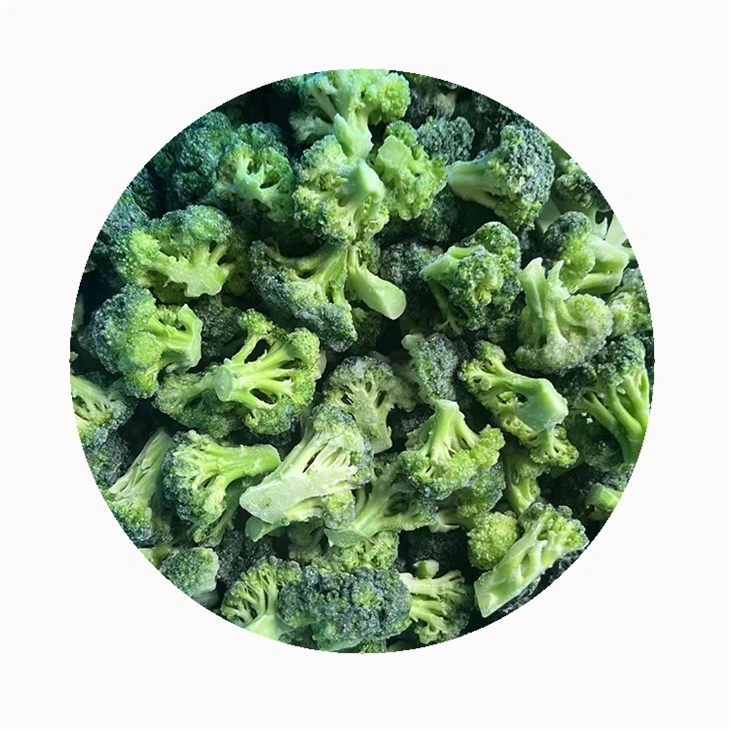
The first step is mechanical: broccoli occupies space on the plate and contributes its measured composition. USDA legacy data for frozen chopped broccoli, cooked, boiled, drained, and unsalted report about 28 kcal, 5.35 g carbohydrate, and 3 g fiber per 100 g. Those values belong to that exact state, not every broccoli dish.
NIH lists broccoli as a vitamin C food source. Vitamin C supports collagen production, nonheme-iron absorption, normal immune function, and antioxidant activity in the body. Broccoli also supplies vitamin K, which is involved in blood clotting and bone-related proteins. These are established nutrient functions, not a forecast of visible transformation after dinner.
The food that leaves the plate matters. If 80 g cooked broccoli replaces a fried side, the meal changes differently from adding broccoli without removing anything. If the broccoli arrives under cheese sauce or breading, those ingredients join the nutrition calculation. The daily word does not erase the finished recipe.
Use the XMSD page on cooked frozen broccoli composition as a form-specific reference, then replace it with the label or laboratory basis for the actual SKU. The most defensible first statement is that a verified portion contributes verified nutrients.
During the First Days: Tolerance May Become Visible
Someone already accustomed to vegetables may notice no digestive difference. Someone who moves from little fiber to a large raw broccoli bowl can experience gas or bloating. NIDDK explains that bacteria in the large intestine create gas while breaking down carbohydrates that were not fully digested earlier, and cruciferous vegetables can contribute to symptoms in some people.
Record the actual cooked or raw amount, meal companions, eating time, onset, duration, and severity. A large mixed slaw with cabbage, onion, beans, and rich dressing cannot isolate broccoli. A smaller single-ingredient serving gives a cleaner comparison. Adjust one major variable at a time.
A mild repeatable response can lead to a smaller portion, a different preparation, or fewer servings while you identify the trigger. Persistent pain, repeated diarrhea, vomiting, bleeding, fever, or symptoms that disrupt daily life require medical review. Hives, swelling, wheezing, or throat symptoms need an allergy response rather than a tolerance experiment.
The separate question of excess intake is handled through a dose reset, not through a claim that every daily serving is problematic. A comfortable 70 g cooked side and a sudden 300 g raw bowl can share the same calendar frequency while producing very different experiences.

Across One or Two Weeks: The Meal Pattern Becomes the Result
Repeated broccoli may make vegetable intake more dependable because a familiar food is easy to buy and prepare. That is a meaningful result. It becomes stronger when the portion is actually eaten and replaces a less suitable side. It becomes weaker when broccoli is merely added to an unchanged meal or left uneaten.
Variety also becomes visible over time. MyPlate places broccoli within dark-green vegetables and encourages choices across vegetable subgroups. If broccoli occupies nearly every vegetable position, add red-orange vegetables, beans and lentils, starchy vegetables, and other vegetables. Daily repetition can coexist with variety when the surrounding meals change.
Acceptance is another outcome. The same steamed side may lose appeal by the tenth appearance, while rotating soup, grain bowl, stir-fry, and omelet applications can keep the ingredient useful. Recipe changes should still be assessed as complete dishes; more oil, salt, sauce, or breading may alter the original goal.
A simple two-column log is enough: planned outcome and observed outcome. "Serve a dark-green vegetable" can be checked through cooked grams and plate waste. "Reduce fried sides" can be checked through substitution. "Improve acceptance" can be checked through returns and comments. Add the recipe version and portion basis so the next person can repeat the comparison. "Prevent disease" cannot be verified by a short menu log, regardless of how tidy the record looks.
Representative Scenario 1: Audit an Everyday Dinner
Representative scenario - Practical example: Decision function - household pattern change. A household adds 90 g cooked broccoli to dinner for fourteen days. During week one it sits beside the existing meal, including the same fried side. During week two it replaces half that side and other vegetables appear at lunch.
The first week increases total food but does not create the planned substitution. The second week changes the plate: broccoli is finished on twelve of fourteen days, the fried side is smaller, and carrots, beans, peppers, and leafy greens still appear elsewhere. No digestive symptoms are recorded.
The decision is to keep the 90 g serving only on days when it performs a defined role. Other days use a different vegetable. The result is not "healthier and healthier" as an abstract promise; it is a documented improvement in vegetable delivery and side-dish balance.
If plate waste had risen or other vegetables disappeared, the same daily count would have failed. This is why an observable meal change is more useful than attributing skin, liver, heart, or immune outcomes to a fourteen-day broccoli calendar.
Human Trials Measure Defined Interventions, Not Every Broccoli Habit
Research can show that broccoli components are absorbed and metabolized. One randomized crossover study involved 18 participants and compared a control diet with a diet containing 200 g cooked broccoli plus 20 g raw daikon radish daily for fifteen days, followed by a different amount on day sixteen. It studied isothiocyanate absorption and metabolism, not a universal wellness outcome.
The VESSEL crossover research used about 300 g per day of mixed cruciferous vegetables in standardized soups and compared the intervention with root and squash vegetables in adults with mildly elevated blood pressure. Published analyses reported changes in selected vascular or glycaemic measures. The population, mixture, comparison diet, dose, duration, and outcomes define what can be said.
Those trials do not establish that an ordinary daily floret portion will produce the same biomarker change in every person. They also do not turn broccoli into treatment. A commercial claim must match the actual food, serving, intended population, destination rules, and evidence file.
The National Cancer Institute explains why cruciferous vegetables attract research interest: glucosinolates form biologically active compounds during food preparation and digestion. It also reports mixed results from human studies. A nutrient-rich vegetable can support a healthy eating pattern without a promise that daily consumption prevents or treats cancer.
Measure Change Without Inventing a Cause
A daily habit often begins alongside other changes: more home cooking, fewer takeout meals, a new exercise plan, different sleep, or an altered medication. If weight, energy, bowel habits, or laboratory results later change, broccoli may be one part of a much larger pattern. Record the surrounding changes before assigning credit.
Use measurements that match the decision. For meal quality, note the item broccoli replaces, the cooked grams eaten, other vegetable groups, and plate waste. For tolerance, note symptom timing and meal companions. For product acceptance, use repeat purchases, complaint themes, returns, and sensory review. Each measure answers a practical question without pretending to prove a medical effect.
Weight deserves particular care. Plain broccoli is low in energy per 100 g, but the scale responds to total energy balance, fluid, glycogen, bowel contents, and many other factors. A daily broccoli side may support a lower-energy substitution. It does not cause predictable weight loss on its own, and a rich broccoli dish may not create the intended swap.
Skin, immunity, liver, and heart claims also need a longer evidence chain than "contains vitamin C." The chain begins with verified content in the eaten portion, continues through bioavailability and total dietary adequacy, and then requires an appropriate study for the stated outcome. Missing links should not be filled with familiar wellness phrases. Keep the consumer message at the verified nutrient or food-pattern level.
If a clinician orders a laboratory test, interpret it within clinical care. A before-and-after number can move for reasons unrelated to broccoli, and a normal result does not validate a marketing claim. Bring the full diet, supplement list, medicines, health history, and timing to the professional who ordered the test.
This measurement discipline does not make broccoli less useful. It makes the useful result clearer. You can show that a program supplied an average cooked vegetable portion, displaced a specified side, maintained variety, and stayed acceptable. Those outputs help households and food businesses make decisions immediately, without waiting for an exaggerated body transformation.
Medication Can Make a Sudden Habit Change Important
NIH identifies broccoli as a common vitamin K source and advises people taking warfarin or similar anticoagulants to maintain consistent vitamin K intake. A sudden move from rare broccoli to large daily servings can change the diet in a way that matters to the prescribing team, even when the eater feels well.
Record the actual serving and planned frequency, then contact the clinician managing the medicine. Do not alter the medication yourself. Consistency may include broccoli; the correct pattern is individualized and monitored.
A kidney, gastrointestinal, postoperative, swallowing, allergy, or other prescribed diet may introduce different limits. Use the exact product form, cooked amount, texture, and recipe within that plan. General statements about vegetables cannot replace an individualized instruction.

XMSD Experience 1: Trace the Portion Before the Claim
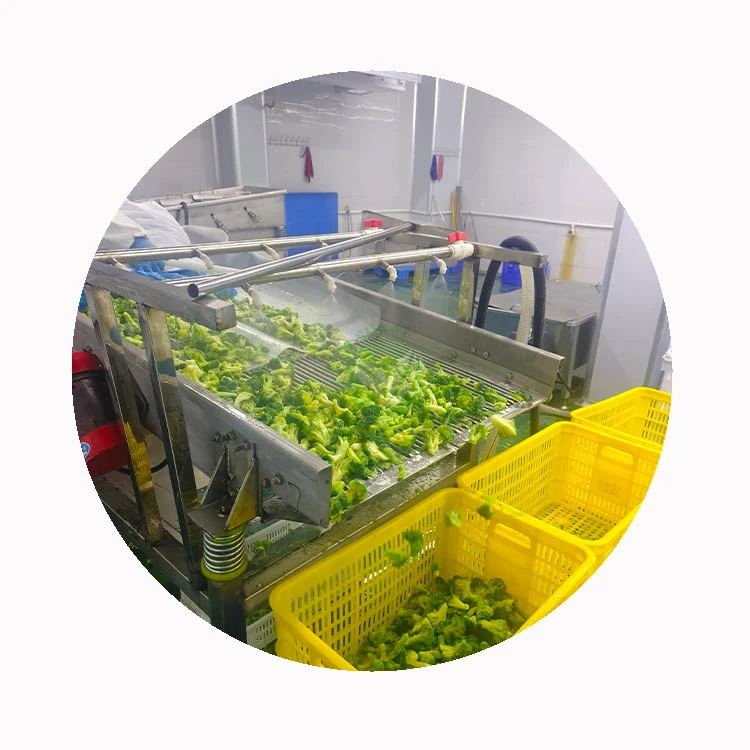
For repeated frozen broccoli use, we begin with the portion pathway. Frozen input moves through cooking, draining, transfer, holding, serving, and possible plate return. A daily menu claim based on 100 g frozen input can be misleading if only 72 g cooked broccoli reaches the plate or a quarter is left.
Our practical check weighs a representative frozen batch, records the cooking and drain point, measures cooked output, and samples several served portions. We review intact crowns, stem distribution, fragments, free water, and plate waste. The result defines what the daily program actually delivers.
Only then would we connect the product to a nutrition calculation or label. The composition basis, recipe version, declared serving, and lot or specification reference must align. A raw-broccoli table should not silently support a cooked frozen meal, and a plain product record should not represent a sauced bowl.
The XMSD frozen broccoli range gives a product-form starting point. The approved daily application still needs cut, stem allowance, preparation state, pack, cooked performance, and serving basis in writing.

Representative Scenario 2: Approve a Daily-Soup Message
Representative scenario - Worked example: Decision function - finished-product claim approval. A private-label soup brief asks for "daily broccoli detoxifies the liver and protects the heart." Each 300 g bowl contains 60 g cooked broccoli along with potato, cream, stock, oil, and salt.
The team removes the detox and heart-protection promises. It confirms the 60 g finished-bowl inclusion, formula version, nutrition calculation or laboratory basis, serving size, ingredient order, allergen information, and destination claim rules. Broccoli research is kept as background, not treated as a trial of this soup.
A 1,000-bowl production run targets 60 kg cooked broccoli. If an application trial records 83% usable cooked yield, the starting estimate is 60 ÷ 0.83, or about 72.3 kg frozen input. The plant confirms that number under its own line conditions and checks bowl-to-bowl distribution.
The approved message describes a broccoli-containing vegetable soup and uses only supported nutrition wording. The decision preserves an accurate ingredient story while rejecting outcomes the finished recipe has not demonstrated. The frozen broccoli product format can support sample discussion, not the disease claim.
XMSD Experience 2: Review the Seventh Service
A daily program can look strong during one carefully watched trial and drift during ordinary repetition. We compare early and later services for scoop weight, cooked yield, crown integrity, holding time, seasoning, and returns. The seventh service often reveals fatigue or process shortcuts that the first service hides. We also compare the open-pack condition and batch load, because a change in separation or staff handling can alter both portion appearance and free water.
If later bowls contain more fragments, we examine bag separation, open-pack handling, staff method, batch load, and overcooking before increasing frozen input. If plate waste rises while the product remains consistent, the recipe or daily cadence may need to change. Product and menu are separate control points.
Inner packs should also suit the daily batch. Repeatedly accessing a large liner for a small draw can complicate portioning and storage. The XMSD overview of frozen-food packaging options provides formats to discuss after the buyer supplies batch input, service pattern, and destination needs.
This later-service review creates a credible result: the menu either delivers the planned vegetable consistently or it does not. Record the date, line, product lot, frozen input, finished output, and reviewer so the finding can be investigated and repeated. It cannot show that daily broccoli changed internal organs, prevented illness, or reversed aging. Keep the conclusion at the level of the observation.
Use an Outcome Ladder for the Final Judgment
| Level | What can be checked | Responsible conclusion |
|---|---|---|
| Intake | Cooked grams and composition basis | Verified portion contributes verified components |
| Tolerance | Symptoms, timing, recipe, repeat response | Adjust portion or preparation |
| Meal pattern | Substitution, variety, plate waste | Habit improves or weakens the actual menu |
| Biomarker | Defined human intervention and outcome | Applies within study conditions |
| Disease outcome | Appropriate long-term clinical evidence | No promise from a nutrient list |
Use the lowest level that answers the real question. At home, portion, comfort, substitution, variety, and acceptance usually provide enough information. In product work, add formula, label, trial, lot, and serving records. Name the decision owner and the document that supports it, especially when marketing language is involved. Move to a broader outcome only when the evidence genuinely supports it.
What happens with daily broccoli is therefore concrete but modest: you repeatedly consume the broccoli portion and repeatedly create a meal choice. That pattern can be useful, neutral, or uncomfortable. Review it at the plate, recipe, and weekly-menu levels before drawing a wider conclusion. Judge the outcome you can observe, preserve variety, and keep medical or disease language within its evidence.

XMSD sourcing note: For a repeating broccoli recipe, share cooked grams per serving, formula, meal count, cut range, heating and hold cycle, batch input, inner-pack need, destination, label scope, and the outcome you intend to describe. We can frame the sample and specification around those facts.
References
- USDA SR28 vegetable composition tables
- NIH vitamin C information for health professionals
- NIH vitamin K information for health professionals
- NIDDK diet guidance for digestive gas
- Randomized broccoli isothiocyanate absorption study
- VESSEL cruciferous-vegetable glycaemic analysis
- NCI cruciferous vegetables fact sheet
- XMSD operational perspective on cooked portion tracing, repeated-service control, formula alignment, packing, and claim boundaries.