


Edamame and Cholesterol: Soy Evidence and Meal Choices
Feb 02, 2021

Edamame can fit a diet intended to improve cholesterol, especially when it replaces an ingredient with more saturated fat. The evidence supports a modest role for soy foods within the overall diet. Claims that a bowl of beans clears fat from arteries or replaces prescribed treatment overstate that role.
Two questions deserve separate answers: what did research find about soy protein, and what changes when you put edamame into your own meal? Some studies compare concentrated protein products for several weeks. A kitchen works with cooked beans, sauce, vegetables and serving sizes. Those are different decisions, even though both involve soy.
For an everyday meal, start with the ingredient that the beans will replace, weigh the edible prepared portion, and include the dressing or sauce in the comparison. Plain edamame offers more flexibility than a heavily seasoned product when you want to control the finished recipe. People with soy allergy need another ingredient; anyone managing diagnosed high cholesterol should keep food changes within their agreed care plan.
One useful benefit is practical: edamame gives you another bean ingredient with which to build meals you enjoy and can prepare consistently. Its nutrient contribution can be calculated; individual cholesterol response requires clinical assessment.

What the soy research actually measured
A 2019 meta-analysis examined trials comparing soy protein with other protein sources. Of 46 identified trials, 43 provided data for analysis and 41 contributed LDL cholesterol results. The median soy protein intake was 25 g daily and the median follow-up was six weeks. Thirty-four of the 43 studies used isolated soy protein.
The pooled difference in LDL cholesterol was about 4.76 mg/dL lower with soy protein; the 95% confidence interval ranged from 2.80 to 6.71 mg/dL lower. This was a small average effect across the included comparisons. The analysis did not establish a dose-response relationship. These findings concern the tested diets and study groups, rather than a guaranteed response to a particular edamame serving.
NCCIH likewise describes possible cholesterol benefits from some soy products as small, with effects much smaller than those of cholesterol-lowering medicines. That puts the food in a sensible role: useful within a dietary pattern, without assigning it the job of a medicine.
When reading another study, find the actual intervention before focusing on its headline. Was the food whole beans, a soy drink, a protein powder or an extract? Then find the comparator. Replacing one food with another answers a different question from adding a supplement while leaving meals unchanged. Record the duration and the outcome measured alongside the result.
A blood measurement also needs its own name and unit. LDL cholesterol, total cholesterol and triglycerides are separate outcomes. A statement about one should retain that identity when it reaches a recipe description or a product discussion. Broad phrases such as "improves blood fat" hide the information needed to understand the finding.

Soy protein, whole beans and extracts are different quantities
An edamame bean contains water and several nutrients. Its total weight therefore exceeds the weight of its protein. A bag marked 500 g describes the amount of food in the bag; a nutrition panel expresses how much protein that food supplies on a specified basis. Confusing these two weights creates a surprisingly large error.
Whole edamame also differs physically from a concentrated soy protein ingredient. The bean has a recognizable shape, a bite and a volume in the dish. A powder disperses or behaves according to its own formulation. Equal protein weights would still leave questions about the food matrix, other ingredients, preparation and eating experience.
An isoflavone extract is another product again. Information about an ordinary soy food should not become a reason to start an extract or supplement. NCCIH's soy guidance distinguishes food and supplement evidence and identifies soy allergy as an important exception. Discuss concentrated products with a qualified healthcare professional when treatment or medication is involved.
For ordinary portion calculations, the prepared edamame nutrition guide explains why edible weight matters. Remove the pods from the nutrient calculation when they will be discarded. Keep any drained liquid or sauce on the correct side of the recipe calculation too.
Worked example: translating grams of protein into grams of beans
Consider a reader who sees "25 g soy protein" in a research summary and assumes it means a small 25 g serving of edamame. This example uses the USDA reference food "Edamame, frozen, prepared," which contains 11.91 g protein per 100 g edible food. The purpose is to correct the unit, rather than design a treatment.
For 25 g of those prepared beans, the arithmetic is 25 × 11.91 ÷ 100 = 2.98 g protein. To find the reference-food weight containing 25 g protein, reverse the calculation: 25 ÷ 11.91 × 100 = approximately 210 g prepared edible beans. A 100 g serving would provide 11.91 g protein on this basis.
The result makes the distinction clear. Twenty-five grams of beans and twenty-five grams of protein describe substantially different quantities. The 210 g figure is only a nutrient conversion using one reference food. It is not a recommended daily serving, a reproduction of an isolated-protein intervention or a prediction of cholesterol change.
If the reader wants to use a different product, the next action is straightforward: replace 11.91 with the protein value on that product's correctly matched nutrition information. Check whether it describes the food as sold or after preparation. Use the edible weight you intend to eat, and leave the study outcome out of this arithmetic.
For a shared pod appetizer, weighing the whole serving and calling it "210 g edamame" would introduce another ambiguity. The plate includes material that diners discard. A kitchen can weigh a prepared, shelled sample to understand its own portion, while serving the pods separately when that presentation is wanted.

Ask what changes in the meal
Adding edamame to an unchanged meal increases the amount of food served. Replacing part of an existing ingredient changes the composition of the meal. Both can be reasonable culinary choices, but they should be described accurately when the aim is to assess nutrition.
Mayo Clinic highlights the value of replacing foods higher in saturated fat with soy foods, alongside the small direct cholesterol effect associated with soy protein. The comparison should name the actual foods. A lean ingredient, a rich cheese topping and a cream-based sauce have different compositions; grouping them under one broad animal-food label misses the practical decision.
The NHS advises reducing saturated fat as part of lowering cholesterol. Its examples include choosing suitable unsaturated fats and eating foods such as vegetables, fruit, nuts, seeds and whole grains. That advice concerns the overall pattern. One green ingredient cannot determine the composition of everything else on the plate.
Write the original recipe beside the proposed recipe. Keep the number of portions the same, note each ingredient's weight, and identify what is removed, reduced or added. This simple record reveals whether the change is a genuine substitution or a larger serving with an extra topping.
Then consider whether the new recipe still works as food. Beans may provide a different bite from the ingredient they replace, while a lighter dressing may coat the dish differently. A useful adjustment needs an acceptable flavor and texture if it is going to stay on the menu. Nutrition arithmetic and cooking assessment should support the same finished portion.
Practical example: keep the beans and compare two sauces
Imagine a café developing an edamame vegetable bowl. Each bowl contains 80 g prepared edible edamame and 30 g sauce. For this illustrative comparison, sauce A contains 8 g saturated fat per 100 g and sauce B contains 1 g per 100 g. These are hypothetical teaching values, not labels from named commercial products.
The USDA prepared-edamame reference contains 0.62 g saturated fat per 100 g. The bean portion therefore contributes 80 × 0.62 ÷ 100 = 0.496 g. Sauce A contributes 30 × 8 ÷ 100 = 2.4 g, while sauce B contributes 30 × 1 ÷ 100 = 0.3 g.
| Saturated fat contribution | With hypothetical sauce A | With hypothetical sauce B |
|---|---|---|
| Edamame,80g | 0.496g | 0.496g |
| Sauce,30g | 2.4g | 0.3g |
| Two-component subtotal | 2.896g | 0.796g |
Changing the sauce reduces this two-component subtotal by 2.1 g saturated fat per bowl. The beans and their amount remain constant. Rice, other vegetables, cooking oil, garnishes and any additional ingredients still need to be included to calculate the complete recipe. The table describes ingredient composition, with no prediction of a diner's LDL change.
The café's next action is to test sauce B in the actual serving. Check its flavor, coating and behavior after the bowl stands for the normal service interval. If the recipe needs more sauce B to taste acceptable, weigh that revised amount and recalculate. A comparison based on equal 30 g portions becomes outdated as soon as one portion changes.
For example, if the revised serving uses 45 g of hypothetical sauce B, its contribution becomes 45 × 1 ÷ 100 = 0.45 g saturated fat. With the same beans, the subtotal becomes 0.946 g. That is still below the original subtotal, but the difference is now 1.95 g. Recording the changed serving keeps the arithmetic attached to the food actually offered.
This example also shows why a plant-based description alone is insufficient for the task. Ingredients such as coconut fat can contribute substantial saturated fat, as the NHS guidance explains. Read the actual formulation or nutrition information. The source of an ingredient and the amount of saturated fat in the finished serving are separate pieces of information.

Choose a form that makes the portion easy to control
For bowls and mixed dishes, we usually start with shelled beans because the portion can be weighed directly into the recipe. In-pod edamame works well when the pod is part of the serving experience. The choice follows how the food will be eaten and handled, before any discussion of nutrition positioning.
We would also compare a plain ingredient with a pre-seasoned one using the finished dish. A seasoned product may suit a fixed appetizer; a neutral ingredient leaves the kitchen free to choose and weigh its sauce. The useful question is how much control the recipe needs over the seasonings already present and those added later.
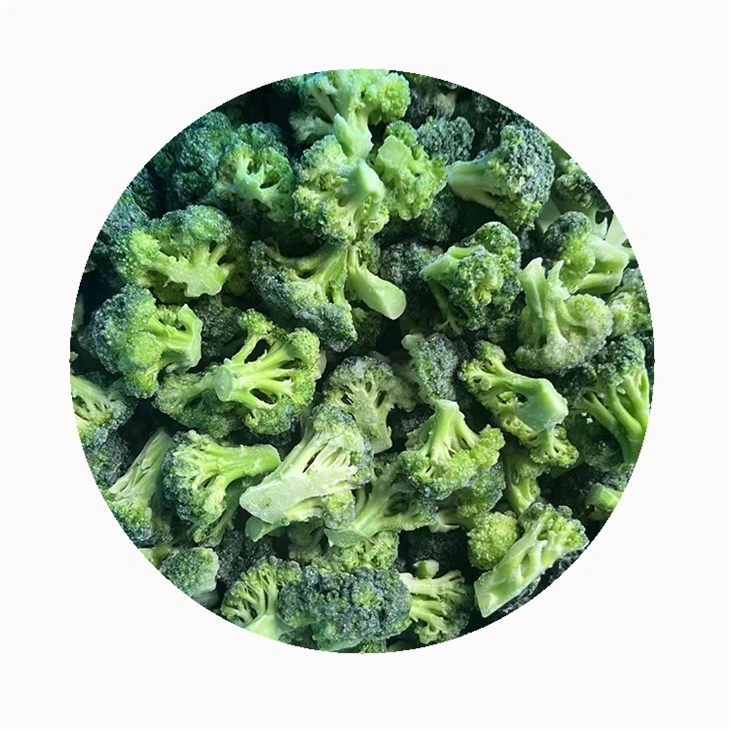
For this kind of recipe development, frozen edamame kernels identify the relevant shelled form. The written ingredient information should accompany the sample. Confirm the preparation instructions, the basis of any nutrition data and whether seasoning forms part of the supplied product.
Loose beans should still be assessed after preparation. A photograph can show their shape and presentation, while the kitchen test reveals how they eat in the planned dish. Use the same heating method, draining procedure and portion weight for the samples being compared. That gives observations a common basis.

Test the recipe after heating and holding
We first assess the bean's bite after the full preparation sequence. A sample tasted immediately after heating may behave differently from the same ingredient after mixing, transport or a service hold. Reproduce the intended sequence when assessing suitability, following the applicable food-safety controls throughout.
Look separately at intact beans, surface moisture and the sauce around them. Water collecting at the bottom can change both presentation and the amount of dressing left on each serving. Record what happens before changing several variables together. Adjusting the draining step and the sauce quantity at the same time makes it harder to identify the useful correction.
For a frozen ingredient, follow its stated cooking instructions and check its ready-to-eat status. The shelled edamame cooking guide discusses preparation formats; the actual pack and the kitchen's validated handling method determine the procedure for the product in use.
A small trial sheet can record the product name, lot, preparation method, drained edible weight, sauce weight and observations at service. Keep the entries concrete: beans intact or split, sauce coating even or pooling, portion acceptable or needing adjustment. Such observations help decide whether the proposed recipe is workable.
Check portioning equipment during the trial as well. A scoop can be useful for service, but its fill weight changes with the ingredient and how it is filled. Weigh several portions prepared by the normal serving method, inspect the variation, and adjust the utensil or instructions if needed. This establishes a practical serving routine for that recipe without treating a scoop volume as a fixed bean weight.
The final nutrition calculation should follow the recipe that passes this test. If preparation or portioning changes, update the weights. A calculation for a development sample should not silently become the value for a different serving sold later.
Date the recipe revision and retain the ingredient information used for it. When a sauce or bean product changes, the record shows which assumptions need reviewing. This is especially useful when the person ordering ingredients differs from the person preparing and portioning the meal.

Keep food information and health decisions separate
Soy allergy takes priority over possible dietary benefits. Cooking or freezing does not make edamame an appropriate substitute for someone who must avoid soy. Our edamame allergy and dietary precautions article covers the reasons that individual advice may be needed, including some medically managed diets.
For a person with diagnosed high cholesterol, a meal change can be discussed with their clinician or dietitian alongside the rest of their care. Continue prescribed treatment unless the treating professional changes it. A favorable ingredient profile gives useful food information; it does not establish that a blood result has improved or that medication is unnecessary.
For a food business, describe the ingredient and the prepared recipe precisely. "Contains edamame" identifies a food. A quantified nutrient statement requires an appropriate calculation or other supporting information for the product being described. Keep disease-related promises out of an ingredient description based on generic soy research.
This distinction also improves a buyer conversation. Request the product form, ingredient list, nutrition basis and preparation instructions, then assess whether that material supports the intended recipe. The supplier's sample and documents help establish the ingredient's composition and suitability for the dish.
Make the next meal comparison specific
Choose one meal that you already prepare. Identify the ingredient or sauce you might change, write down the present portion, and make one measured revision using edamame if it suits the dish. Compare the complete recipes and taste the revised serving. Keep the version that meets both the food objective and the eating experience you want.
If you are planning repeated service, retain that recipe with the preparation instructions so that the intended portion can be reproduced. Our foodservice and catering information is relevant when the discussion moves from an individual serving to an ingredient used across a menu. The useful brief starts with the dish and the required product form.
Edamame earns its place through the meals it helps you make. Use the soy research to understand the scale and limits of the evidence, the nutrition information to calculate the food portion, and a prepared sample to decide whether the recipe works. Each answers a different part of the same practical choice.
For a shelled edamame ingredient review, send XMSD your intended dish and pack requirements. Include the preparation method, target edible portion and whether you need a plain or seasoned product so we can review a suitable form and the available product information.