


How to cook frozen edamame without shell
Jun 05, 2024

Cook frozen shelled edamame directly from the freezer when the package gives a from-frozen method. For example, Cookin'Greens specifies 4 to 6 minutes for one cup of its frozen beans in one cup of boiling water, with a stated endpoint of 160°F (71°C). A larger foodservice pack can have a different water volume, cooking time or required endpoint. Read the directions for the bag in front of you before starting.
For a hot bowl, drain the beans after the required cooking step and add them near service. For a cold salad, use a product labeled for that use or cook it as directed, then cool it safely before mixing. If the beans feel tender before the package process is complete, finish that process. Tenderness tells you how a bean will eat, while the directions tell you how the product must be prepared.

Identify the Beans and Read the Complete Directions
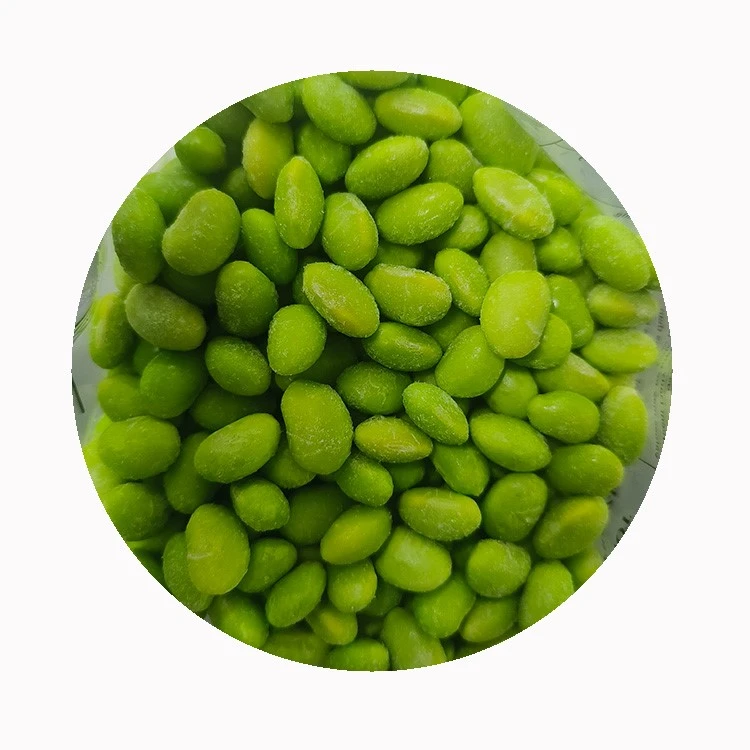
Shelled edamame is young green soybean removed from the pod. Some packs call it mukimame. A thin skin may still cover each bean. A pod recipe may tell you to trim the ends or squeeze out the beans, which makes sense for a snack in pods. For loose beans in a bowl, check the product name and use the instructions for the shelled pack. Our guide to mukimame and in-pod edamame explains the different formats and edible weights.
Check whether the bag says to cook before eating, gives reheating directions or explicitly identifies the product as ready to eat. A pre-freezing blanch can help preserve color and texture. FDA advises that partial factory cooking and freezing cannot substitute for the directions on a ready-to-cook package. The term IQF describes how pieces are frozen. It does not tell you whether you can use them in a cold dish.
Read the directions as one sequence. Write down the starting state, amount, water or container, appliance setting, the point when timing starts, and any endpoint or standing time. If you decant the beans, keep the package directions and code with the new container. When a bag arrives without readable preparation instructions, obtain the instructions for that product before choosing a method.
Keep the bag handy when a recipe asks for a generic ingredient. A label that says to microwave the intact venting pack is describing a different setup from one that tells you to open it and use a covered dish. If the recipe and label describe different methods, use the package method first, then adapt the recipe's seasoning and serving step.
If you are replacing edamame in a recipe previously made with pods, check what was weighed on the old sheet. A kilogram of pods includes the outer shells. A kilogram of frozen shelled beans is an ingredient weight before cooking and draining. Weigh a trial portion on the cooked edible basis before carrying the old portion or purchasing conversion into the new recipe.

Boil a Measured Amount and Drain It Promptly
Boiling suits a dish that needs loose, drained beans. Set out a colander with holes small enough to hold broken pieces. Measure the amount of frozen beans and use the water quantity and timing point on the label. If the instructions start the clock once water returns to a boil, watch for that point. If they give a covered simmer or a different sequence, follow it as written.
Cookin'Greens gives 4 to 6 minutes for a measured cup of its frozen beans added to a cup of boiling water. Simplot's specification for SKU 10071179522768 gives 8 minutes for one frozen 2.5 lb inner bag in 5 quarts of boiling water, stirring as needed. Both examples concern shelled beans, with different quantities and instructions. Use the full directions and endpoint for the pack you buy.
When the required cooking process is complete, drain the beans before seasoning. A watery bowl can come from retained cooking water even when the beans have the right bite. Let the free water drain, move the beans to the serving dish, then toss gently with the dressing or seasoning. If the beans split under rough stirring, change how you move the next portion.
For a second batch, return the equipment to the prescribed starting condition. A pot already half full of warm beans or a saucepan loaded to the rim behaves differently from the first batch. If service needs more volume, run repeatable loads or use a supplier-approved commercial method. Keep the timing point and the input weight with each observation.
If staff report that the same timer gives a different result, compare the start of each recorded run. One cook may start as the beans go into the pot while another waits for the boil to return. Before adjusting the written directions, compare the actual pack, load, water amount and observed timing against the approved instruction. We would record the event that starts the timer on the prep sheet so everyone can reproduce it.
| Example pack | Published setup | Timing detail |
|---|---|---|
| Cookin'Greens shelled edamame | 1 cup frozen beans and 1 cup boiling water | 4–6 minutes on the stovetop. The maker lists 160°F (71°C). |
| Simplot shelled edamame, SKU 10071179522768 | One frozen 2.5 lb bag and 5 quarts boiling water | 8 minutes for this stovetop method, with stirring as needed. |
| Wegmans 12 oz Steamable Mukimame | One steamable pack at 1,100 W | 5–6 minutes on high and 1–2 minutes of rest. Directions say 165°F. |

Use the Specified Steamer or Microwave Setup
Steaming can suit a kitchen that wants less free water to drain. Use it when the product has steaming instructions or the operation has an approved process. Arrange the beans in the stated pan or basket and stay within the approved load. In a large steamer, compare portions from the center and edges after the required cook. If one position regularly yields softer beans, record that before changing the recipe.
Microwave instructions depend on the container, wattage, food load, stirring and rest. For its 12 oz Steamable Mukimame, Wegmans specifies a 1,100 W appliance, 5 to 6 minutes on high, 1 to 2 minutes of rest and cooking to 165°F. Follow the complete instructions for that bag. A larger portion in a deep bowl, or a different brand at the same wattage, has its own preparation requirements.
If you see cold pockets after microwaving, check whether the food was spread or stirred as directed, whether the power matched the package and whether the standing time was completed. Follow the product's directions to finish the cook. When those directions require a temperature check, use a food thermometer as instructed. A hot top layer cannot tell you how the center heated.
Do not improvise a microwave bag from an ordinary freezer pouch. A steamable pack can be designed to vent during heating. If you need to cook only part of that bag and the label does not give a partial-pack method, choose another stated method or check with the supplier. Let the pack stand as directed and open it carefully away from escaping steam.
Compare the appliances available at the station before buying a pack for microwave service. The power printed on a sales sheet only helps if it describes the microwave instructions for that exact product. If the pack lists one wattage and the station uses another, look for a supported route in the instructions. Do not multiply the timer by the difference in power and assume the bag will heat evenly.
Finish in a Pan or Add to Soup after the Required Cook
A skillet is useful for seasoning and drying cooked beans. If the pack lists a skillet cooking method, follow that method to prepare the beans. Otherwise use the stated cooking method first, then drain and finish them with your aromatics. Start with a modest pan load so water can escape before you add a glaze. If you can see water collecting around the beans, allow it to evaporate before adding more liquid.
For soup, stir cooked beans in near service if the rest of the recipe is already finished. If you plan to add them frozen, use a route approved for the specific product and batch that completes the required cooking process. A short dip in hot broth, or the residual heat of warm rice, gives you little control over that process. Cook the beans separately when the combined recipe cannot reliably deliver it.
Practical example: suppose a noodle kitchen finishes 500 g of cooked, drained beans with garlic and dressing. In its first pan trial, the sauce runs to the bottom of the serving bowl. The next trial divides that same amount into two 250 g finishing loads while keeping the required cooking method unchanged. Compare the sauce on the beans at service and the liquid left in each bowl. If the smaller load solves the pooling, keep that load in the recipe sheet.
Also check which step creates softness. If the beans are firm straight after draining but break by service, review pan time, holding and how they are stirred. If they split right after cooking, check the product, batch size and method against the label before changing the finishing step. A brief toss and a long hot hold can affect the same beans differently.

Cool Cooked Beans before Mixing a Cold Dish
A pack that explicitly allows cold use can be handled according to its label. For ready-to-cook beans, finish the package cooking process, drain with clean equipment and cool safely before combining with chilled ingredients. Plan the cooling space in advance. Avoid leaving a deep bowl of warm beans on the counter while the rest of the salad is assembled.
For retail foodservice, use the establishment's approved cooling procedure and applicable rules. The FDA Food Code describes shallow pans, smaller portions and rapid cooling equipment for cooked foods that require time and temperature control. Record the cooling check for the actual depth and load. When you change container size or make a larger quantity, confirm that the approved cooling method still applies.
Practical example: imagine two batches of cooked shelled beans for a refrigerated grain bowl. The first cook drains them and tips them into one deep container. The second follows the approved procedure using shallow pans. Compare the cooling record at the designated measurement points before assembling either batch. Then compare liquid and bean integrity after the planned hold. Cooling compliance is the first decision, while finished texture helps set a practical portion and drain method.
Keep prepared beans separate from unwashed produce, raw animal foods and utensils used for those ingredients. Mix them after the cold components have reached the state required by your procedure. If hot beans make the dressing loose or warm a pre-chilled base, fix the preparation sequence and verify the cooling record before adjusting the dressing.
Soybeans are a major food allergen in the United States. Edamame is soybean in either form. For a customer with a soy allergy, choose a suitable alternative and follow the kitchen's allergen procedure. When several recipes share a prep station, preserve the label and ingredient identification and review shared utensils, pans and serving tools.
Set Portion and Quality Checks for a Repeatable Batch
Start with the weight that goes into the recipe. Keep frozen input, cooked drained output and the weight of portions accepted for service on separate lines. Decide how long to drain and use the same basket, timing and scale for each test. A wet sample weighed straight out of the pot can look like a higher-yield product until the extra water reaches the salad.
Worked example: suppose a deli starts with 1,000 g of frozen shelled beans. After the approved cook and a defined drain, it weighs 910 g of usable beans. Yield is 910 ÷ 1,000 × 100, or 91%. At 45 g per chilled bowl, it can fill 20 portions and has 10 g left. Ordering only 900 g of frozen beans for 20 bowls would miss the target on this hypothetical basis. Recalculate from your own batch and drain method.
Check texture and condition at the actual point of use. For a chilled salad, note intact beans, loose skins and liquid after the approved cold hold. For a hot ready meal, check the bean again after the applicable reheating or holding cycle. A sample that looks tidy when freshly drained can split during filling or soften before the customer eats it.
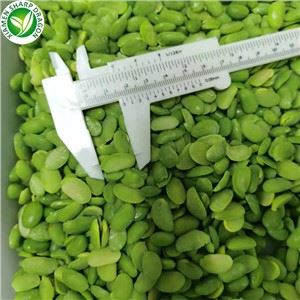
Give the sample test two limits where the recipe needs a consistent appearance. Define what counts as a split bean or loose skin, and decide how many portions you will inspect from the start, middle and end of filling. A handful taken off the top cannot show whether small fragments gather at the bottom. If the last servings contain more fragments, check sorting and dispensing before asking for a different cooking time.
We would keep the supplier product code next to the sample record and retain the approved preparation sheet. If a replacement SKU has a different pack weight, instructions or size distribution, review those changes before using the old timer. Compare both samples with the same final serving standard, while each still receives the preparation process specified for it.

Use the Result to Select the Pack
For a kitchen buying repeat quantities, give the supplier the shelled product form, target drained portion and whether the beans are served hot, cooled or reheated in a finished meal. Review the frozen edamame quality guide for condition and sample checks. For this cooking trial, keep the purchase decision tied to the batch weight, suitable preparation directions, bean integrity and portion yield.
Check the inner pack against the amount you can prepare in a single approved load. An outer case can stay the same weight even if the supplier changes from several small bags to one large liner. If a station will withdraw only part of a pack, check that the rest can be closed and returned to frozen storage as directed, with the lot code and instructions intact.
Confirm the case label before you accept a substitution at receiving. Two cases can look similar while holding different product codes or different inner packs. If an unapproved change appears, keep the cases identified and compare the instructions and sample approval before sending the product into prep. A fast review at the freezer can prevent staff from using a timer developed for the previous bag.
For cold use, ask for documentation that supports the intended use, and keep soy identification with the case and recipe. If you use more than one frozen vegetable on the line, assign a product-specific preparation record for each. The staff member who opens the next case should be able to identify the product, choose the approved method and check the portion without relying on the color of the beans.
Review frozen edamame overview for product form and preparation status.
Review frozen ingredient foodservice applications when planning pack size, equipment and serving flow.
Review frozen edamame product options when you compare available pack and product forms.
Frequently Asked Questions
Can I cook shelled edamame and pods together?
Use the directions for each format and cook them separately if the methods or times differ. The pod affects the cooking setup and is discarded at service. Keeping the forms separate also makes it easier to weigh the edible portion for a bowl or salad.
Why is there liquid in my bowl after draining?
Look first at the drain method, then at the order in which the beans and dressing were mixed. If liquid collects before the dressing goes in, standardize drainage and the serving hold. If it appears only after mixing, trial the dressing and finished recipe under the intended conditions.
Share the shelled bean form, pack size, preparation route and target drained portion when requesting an application sample.
References
- Cookin'Greens. Shelled Edamame, product-specific directions.
- Simplot Food USA. Shelled Edamame SKU 10071179522768.
- Wegmans. Steamable Mukimame, 12 oz.
- FDA. Test Your Safety Knowledge About Ready-to-Cook Foods.
- FDA. 2022 Food Code, Sections 3-501.14 and 3-501.15.
- FDA. Food Allergies: What You Need to Know.