


Are Figs Good for Diabetes? Portions, Carbs, and Product Form
Sep 10, 2019

Plain fresh or unsweetened frozen figs can fit many diabetes eating plans, but they are not a treatment and are not automatically "good" for every person. Figs contain carbohydrate, so the useful decision is the measured portion within the complete meal. Dried figs, syrup-packed figs, juice, and sweetened preparations require different portions and label checks.
USDA reports about 19.18 g carbohydrate per 100 g raw figs. The theoretical raw weight providing 15 g carbohydrate is about 78 g, but the actual product label, individual plan, medicines, activity, and glucose response take priority. Do not change insulin or other medication from a generic food calculation.
The short answer: Diabetes does not create a universal ban on figs. Choose plain fresh, frozen, or canned fruit without added sugars when appropriate; weigh the serving; count its total carbohydrate; and fit it into the meal by substitution. An individualized clinician or dietitian plan overrides any public portion example.

Replace the "Good or Bad" Question with Four Decisions
First identify the food. Whole fresh fruit, plain IQF fruit, dried fruit, juice, jam, and a syrup preparation do not have one carbohydrate concentration. Second define the serving in grams. Third count the complete meal's carbohydrate. Fourth follow the individual management plan, including medication, monitoring, activity, and timing.
The American Diabetes Association's 2026 Standards describe whole fruits-fresh, frozen, or canned in own juice or without added sugar-as acceptable fruit options within evidence-based eating patterns. ADA consumer guidance also states that fruit contains carbohydrate and belongs in meal planning. That supports inclusion, not unlimited portions or a fig-specific glucose benefit.
Fruit can replace another carbohydrate source. If a measured fig serving replaces part of a cereal, bread, dessert, or snack allocation, the meal changes differently than when fruit is added on top. "Natural sugar" is not a reason to ignore total carbohydrate. "Contains sugar" is not a reason to declare whole fruit forbidden.
Meal example: A breakfast already contains 45 g carbohydrate. Adding a fig serving estimated at 15 g makes the meal about 60 g before label and rounding differences. Replacing a 15 g carbohydrate portion of another component keeps the planned total near 45 g. The individual plan decides which approach is appropriate.

Calculate Carbohydrate from a Real Portion
USDA FoodData Central reports per 100 g raw figs about 19.18 g total carbohydrate, 16.26 g total sugars, 2.9 g fiber, and 74 kcal. A nutrition database provides a reproducible reference, but cultivar, maturity, lot, processing, and additions can change a commercial product. Use its compliant label where available.
Worked example: To estimate a raw-fig amount containing 15 g carbohydrate, divide the target by carbohydrate per gram: 15 ÷ 0.1918 = 78.21 g. At the same basis, this portion contains about 16.26 × 0.7821 = 12.72 g total sugars and 2.9 × 0.7821 = 2.27 g fiber. Round the weighed serving according to the applicable plan, not for marketing convenience.
ADA gives a broad example that a small whole fruit or about one-half cup frozen or canned fruit may contain around 15 g carbohydrate. The 78 g calculation is consistent with using a gram basis for figs, but it is not an official fig exchange and cannot predict the post-meal response of a particular person.
Piece count is too variable for precision. If small figs average 25 g, roughly three weigh 75 g. If large figs average 70 g, one nearly reaches the same mass. Use a scale once, then a count may be practical for that size grade. Our fresh fig portion guide explains count-to-weight variation without setting a medical limit.
Fresh, Frozen, Dried, Canned, and Juice Differ
Plain fresh and frozen figs are higher-water forms. Frozen fruit may release liquid during thawing, so state whether your serving is frozen, retained after thawing, or drained under a written method. If liquid is discarded, both edible yield and nutrient basis may differ from the issued frozen weight.
Dried figs concentrate carbohydrate. USDA reports about 63.87 g carbohydrate per 100 g dried figs. The theoretical weight providing 15 g carbohydrate is 15 ÷ 0.6387 = 23.49 g. That compact portion is easy to exceed when eating from a bag. The dried fig gram guide covers this form separately.
Canned fruit may be packed in water, juice, or syrup. Look for unsweetened or no-added-sugar options where appropriate, then read the full label. "In juice" does not mean carbohydrate-free. Check whether nutrient values apply to fruit plus liquid or drained solids and use the serving actually eaten.
Juice and smoothies can deliver carbohydrate quickly and make a large fruit amount less visible. A smoothie may retain more fiber than strained juice but can include several fruit portions, sweetener, dairy, or other ingredients. Count the whole formula. Do not treat blending as a way to remove carbohydrate.

Total Sugar, Added Sugar, and Fiber
Total Sugars on a U.S. Nutrition Facts label includes naturally occurring and added sugars. Added Sugars is the subset added during processing under FDA's definition. A single-ingredient fig product can show 0 g Added Sugars while still containing Total Sugars and Total Carbohydrate. "No added sugar" never means carbohydrate-free.
For diabetes meal planning, ADA advises counting fruit carbohydrate. Do not focus on the sugar line and ignore other carbohydrate, and do not subtract fiber casually to invent a label value. Follow the carbohydrate definition and method used by the destination market and the person's clinical plan.
Fiber is a useful food attribute but not a shield that cancels carbohydrate or guarantees a glucose curve. A 100 g raw portion supplies about 2.9 g fiber; the calculated 78.2 g portion supplies about 2.27 g. The complete meal, food structure, timing, activity, and individual physiology affect response.
Use the fresh, dried, and formulated fig sugar comparison to keep Total Sugars, Added Sugars, carbohydrate, and Brix separate. A technical Brix result is not a substitute for a compliant Nutrition Facts calculation.
Individual Glucose Response and Monitoring
Two people can respond differently to the same measured meal. Insulin production and sensitivity, medication, timing, activity, sleep, illness, stress, gastric emptying, and other meal components all matter. A database value estimates carbohydrate; it does not forecast a continuous glucose monitor trace.
If a diabetes care team recommends checking response to a meal, follow its timing and target instructions. Record the actual product, grams, total meal carbohydrate, medication, activity, and relevant readings. Do not compare an 80 g plain frozen portion on one day with an unweighed dried-fruit bar on another and attribute the difference to "figs."
Monitoring example: A person's plan permits one approximately 15 g carbohydrate fruit component. Pack A lists 18 g carbohydrate per 90 g serving. The proportional weight for 15 g is 90 × 15 ÷ 18 = 75 g. This aligns the label with the selected unit but does not authorize changing insulin or prove that 75 g is appropriate for someone else.
Symptoms of hypoglycemia or severe hyperglycemia require the person's established action plan and appropriate medical care. Food articles should not supply emergency medication instructions. Repeated unexpected readings, pregnancy, kidney disease, medication changes, or major dietary changes warrant individualized advice.

A Three-Meal Substitution Check
Meal context is easier to see across specific scenarios. At breakfast, plain figs can replace part of another carbohydrate component rather than being added automatically. At lunch, a small whole-fruit serving may fit as the planned fruit. At dessert, figs baked with sugar, pastry, cream, or syrup must be counted as the complete dessert.
Pairing fruit with a protein or fat source can change satisfaction and digestion, but it does not erase carbohydrate and may add substantial energy. Nuts, yogurt, cheese, or seed products also introduce allergens and their own nutrients. Calculate the full serving rather than describing the pair as universally better.
Three-meal example: Breakfast uses 75 g labeled frozen figs instead of one planned carbohydrate unit; lunch has no figs; dinner adds 30 g dried figs to a meal that already meets its planned carbohydrate. The dinner decision differs because dried fruit is concentrated and additive. The action is to measure and rebalance the meal according to the individual plan.
Avoid rigid rules such as "eat figs only in the morning" unless an individualized treatment schedule requires it. Timing can matter around medication or activity, but there is no universal clock that makes fig carbohydrate disappear. Consistency and accurate records are more useful than a wellness timetable.
Use a Controlled Meal Record, Not a Fig Challenge
If your care plan includes checking a new food, choose one clearly identified fig product and a normal measured portion. Record the label, fruit form, grams, preparation, and complete meal. Keep unrelated variables as stable as practical. A deliberate large serving is unsafe evidence: it tests excess rather than the meal you intend to repeat.
Follow the glucose-check timing and target range supplied by your care team. A number without timing cannot be compared fairly. Also record insulin or medicine according to the existing plan, recent activity, illness, sleep disruption, and any hypoglycemia treatment. Never delay needed treatment merely to see how the fig meal behaves.
Record example: On three separate suitable days, a person uses the same 75 g portion of plain frozen figs within the same breakfast carbohydrate target. Two responses fit their care plan and one is unexpectedly high after poor sleep and reduced activity. The record shows variation and a reason to discuss the pattern; it does not prove figs are either beneficial or harmful.
Compare like with like. Do not treat a dried fig snack, syrup-packed cup, and plain thawed fruit as repeats of one food. If the serving or formula changes, start a new product record. If readings are repeatedly outside the personal target, contact the care team rather than shrinking or enlarging fruit through guesswork.
Your record may support a practical routine-perhaps a weighed serving that replaces another carbohydrate source and produces an acceptable response. It still cannot become a recommendation for customers, family members, or a population. Each person has a distinct treatment plan and risk profile.
Stop treating the exercise as food optimization if you develop repeated hypoglycemia, marked hyperglycemia, vomiting, dehydration, confusion, breathing changes, or other urgent symptoms. Use the established emergency instructions and obtain medical care. Food comparisons belong only inside safe clinical boundaries.
Read Retail and Foodservice Products Critically
Check serving size first. A front label may emphasize fruit while the serving is small or the product contains syrup, juice concentrate, added sugar, starch, or another carbohydrate ingredient. Read Total Carbohydrate, Dietary Fiber, Total Sugars, Added Sugars, ingredients, and servings per container together.
"Sugar-free," "no added sugar," "reduced sugar," and health claims have legal definitions. A product with no added sugar can remain substantial in total carbohydrate. A plain fruit's nutrient reputation cannot substantiate a diabetes claim for a finished snack, filling, beverage, or dessert.
Label example: Frozen Product A lists 20 g carbohydrate per 100 g and fruit as its only ingredient. Fig Topping B lists 24 g carbohydrate per 60 g, including added sugars. A 75 g use of A supplies 15 g label carbohydrate; a 75 g use of B supplies 30 g. Equal serving weights produce very different meal-planning results.
Foodservice needs recipe-level control because nutrition information can fail when staff use scoops inconsistently or discard different amounts of thaw liquid. Define the gram weight and train to it. Verify the serving after preparation and hold, not only at the frozen issue stage.
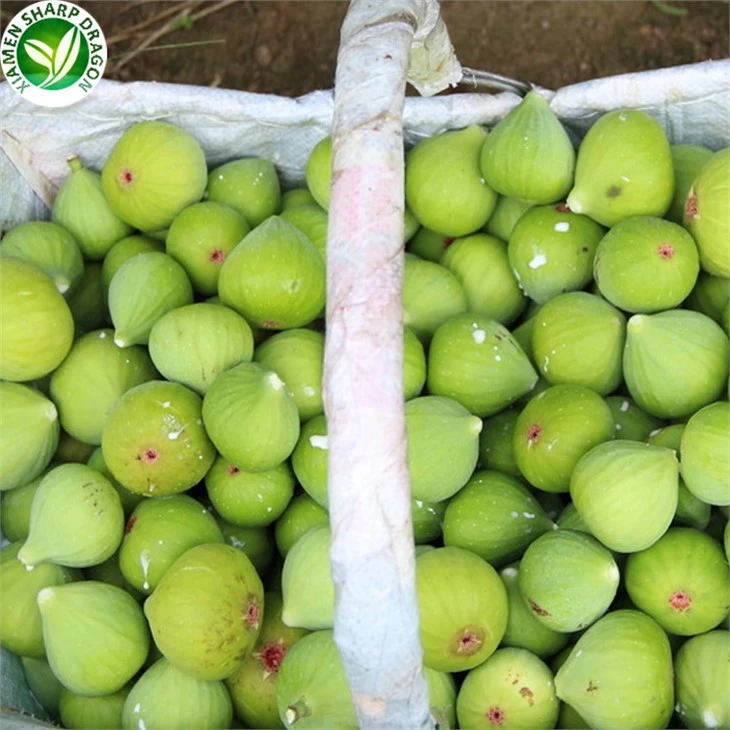
Build a Frozen Fig Specification for a Controlled Recipe
Specify single-ingredient IQF figs or a clearly defined preparation. State permitted ingredients, whole or cut form, size, maturity, defects, pack, storage, shelf life, lot coding, traceability, pesticide-residue requirements, microbiological criteria, and foreign-material control. The actual signed specification governs, not the category name.
Lock the nutrient and serving basis. Is the recipe weight frozen, retained after controlled thawing, or drained for a stated time? Which nutrient data and method support the finished declaration? Does a no-added-sugar requirement apply? Review the frozen fig product format, then confirm the offered lot, label, and sample.
Yield example: A foodservice order needs 600 cups with 90 g retained thawed figs, or 54 kg. A representative trial shows 96% retained yield. Required frozen input is 54 ÷ 0.96 = 56.25 kg before any documented contingency. The serving's carbohydrate uses the retained product data, not an invented frozen-to-thawed assumption.
Confirm liner, seal, case, net weight, pallet pattern, and cold-chain conditions. The frozen packaging overview helps translate channel needs into pack questions. Approve flavor, texture, color, free liquid, piece integrity, and yield in the intended recipe.

Claims a Fig Product Should Not Make
Do not claim that figs lower blood glucose, prevent diabetes complications, replace medication, or are suitable in unlimited amounts. An ingredient's fiber content or a small laboratory study cannot establish a treatment effect for every finished product. Disease claims require appropriate authorization and evidence.
Do not use "diabetic-friendly" as a substitute for facts. The phrase may be undefined or problematic in a destination market and can hide serving size. Provide compliant nutrition information, ingredients, and clear preparation instructions. Let the person and care team decide how the product fits.
Do not imply 0 g Added Sugars means 0 g carbohydrate. Do not calculate nutrition from Brix alone. Do not carry a raw-fruit value into a syrup preparation or multi-ingredient recipe. Keep formulation records, supplier data, analytical support where required, and label review traceable to the released artwork.
A defensible product message is narrower: identify the product form, verified serving, Total Carbohydrate, ingredients, and added-sugar status. Explain that individual needs vary. This is useful information without promising a health outcome that the evidence cannot support.

Frequently Asked Questions
Can a person with diabetes eat fresh figs?
Often yes, as a measured carbohydrate-containing fruit within an individualized plan. Plain fresh, frozen, or canned without added sugar can be acceptable options; the person's plan and response decide the portion.
How much fresh fig provides about 15 g carbohydrate?
About 78 g at USDA's raw reference, calculated as 15 ÷ 0.1918. This is an estimate, not a universal prescription; use the actual label and care plan.
Are dried figs the same?
No. Dried figs concentrate carbohydrate. At USDA's reference, about 23.5 g dried fruit contains roughly 15 g carbohydrate, so weighing matters.
Does fiber prevent a glucose rise?
No. Fiber is a useful part of food, but it does not cancel total carbohydrate or guarantee an individual response. Follow the full meal plan and monitoring guidance.
XMSD sourcing note: Share your finished serving, fruit form, ingredients, retained-thaw basis, nutrient target, pack, destination, label stage, and application. We can review a frozen-fig sample and specification; we do not position fruit as diabetes treatment.
Final Thoughts from XMSD
Plain figs can fit many diabetes eating plans, but the decision belongs to total carbohydrate, portion, product form, whole meal, and individual care plan-not a "good fruit" badge. Use about 78 g raw figs only as a theoretical 15 g carbohydrate comparison at USDA values. Read the actual label, distinguish dried and sweetened forms, and never change medication from a public food calculation. Commercial products need a verified serving, formulation, thaw basis, and compliant claim review.
References
- USDA FoodData Central: Figs, Raw
- USDA FoodData Central: Figs, Dried, Uncooked
- American Diabetes Association: Standards of Care in Diabetes-2026, Nutrition Section
- American Diabetes Association: Fruit Choices and Carbohydrate Planning
- U.S. FDA: Total and Added Sugars on Nutrition Facts
- XMSD operational experience in frozen-fig specification, nutrient-basis review, sample evaluation, retained-yield trials, packing, and B2B formulation inputs.