


How Pumpkin Became a Culinary Vegetable in Menus and Trade
Nov 14, 2019

Pumpkin is called a vegetable in kitchens and food trade because people usually prepare its flesh as a savory plant food: roasted, steamed, mashed, simmered in soup or added to a main dish. In botany, the same pumpkin is a fruit because it develops from a flower and carries seeds. Both descriptions are correct within their own systems.
The word choice becomes important when a menu, specification or label has a job to do. "Vegetable" helps a cook place pumpkin in a meal. "Fruit" explains its plant structure. "Pumpkin" identifies the food expected by the buyer, although commercial rules can allow particular sweet-squash products to use that common name in defined markets.
Do not settle a commercial question by choosing the scientifically impressive word. First identify whether the document needs a culinary description, a dietary group, a botanical record or a legal common name. Then support that exact use with the appropriate product identity and evidence.
Useful answer: pumpkin is a botanical fruit used and named as a culinary vegetable. For purchasing and labels, keep that everyday language tied to the actual species or approved ingredient identity, cut, treatment and market rules.

Vegetable Is a Food-Use Category
Botany has defined names for roots, stems, leaves, flowers, seeds and fruits. It does not provide one equivalent rank called "vegetable." In ordinary food language, vegetable is a practical group for edible plant materials commonly used in meals, especially savory dishes.
That broad usage easily includes plant fruits such as pumpkin, tomato, pepper, eggplant and cucumber. Their seed-bearing structure remains a botanical fruit. Their culinary behavior places them beside other vegetables in purchasing lists, preparation stations and recipes.
Michigan State University Ask Extension summarizes the distinction directly: pumpkin is fruit from the botanist's perspective but is commonly categorized as a vegetable because it is usually cooked that way and is less sweet and more savory than conventional culinary fruits. Texas A&M AgriLife reaches the same practical conclusion while explaining flower and seed development.
If your task is simply to explain the two systems, our pumpkin botany and menu guide covers that foundation. The remaining issue here is why culinary naming survives in commercial documents and how to use it without losing product identity.
Cooking Habit Creates the Familiar Name
Culinary categories follow repeated use. Pumpkin flesh accepts salt, herbs, stock, dairy, oil, spices and long cooking. It can hold as a roasted piece, soften into a stew or disperse into puree. Those behaviors make it a natural vegetable component in many food cultures.
Sweetness alone cannot draw a clean line. Carrot appears in cake, rhubarb in pie and tomato in jam; those applications do not permanently move the ingredient to another culinary group. Pumpkin pie is a sweet recipe using pumpkin, not proof that every pumpkin product should enter the fruit aisle.
Texture also shapes comparison. Buyers choosing pumpkin dice usually compare cut size, firmness, cook loss and color with winter-squash vegetables rather than with berries or orchard fruit. That comparison set influences the specification more than the presence of seeds in the field.
The practical test is the intended dish. If pumpkin provides visible savory pieces, treat it as the vegetable component and approve its cook response. If it becomes a sweetened filling, assess the full formulation. The culinary name remains useful, but it never replaces ingredient and nutrition information.

Dietary Group and Culinary Name Are Related, Not Identical
USDA MyPlate places pumpkin in the Vegetable Group and more specifically among red and orange vegetables. That dietary placement supports the familiar meal language, but it has a different purpose: organizing intake and variety rather than defining plant anatomy.
A school-menu worksheet, household food guide and retail ingredient statement do not use the category in the same way. The pumpkin food-group and menu-credit guide handles served volume and institutional calculations. A commercial ingredient statement instead follows the common-name and composition rules of the destination market.
Avoid copying "red/orange vegetable" into every customer-facing product name. It is useful in a diet or menu record. A buyer ordering frozen pieces needs the exact ingredient identity, cut, peeled state, treatment, pack and quality limits. A consumer label needs its required common or usual name and complete ingredient declaration.
One food can therefore appear as a botanical fruit in a training note, a red/orange vegetable in a diet record and frozen pumpkin dice on a purchase order. Consistency means each term matches its purpose, not that every document repeats the same word.
Common Names Can Carry Market-Specific Rules
The United States Food and Drug Administration has a specific compliance policy guide for products labeled pumpkin. It states that articles prepared from golden-fleshed sweet squash, or from mixtures of that squash and field pumpkin, may use the designation "pumpkin" in essential compliance with common-or-usual-name requirements described in the guide.
That policy illustrates a larger point: the market name is not always a direct translation of botanical taxonomy. Regulators consider established consumer understanding, commercial practice and whether the name misleads about identity. A procurement team should not assume that a rule written for one jurisdiction or product form transfers globally.
For a branded puree, confirm the destination, exact formula, species or variety records, permitted name, ingredient declaration and any compositional standard before artwork approval. If the product uses a mixture, keep the formulation and supplier declarations traceable to the finished lot.
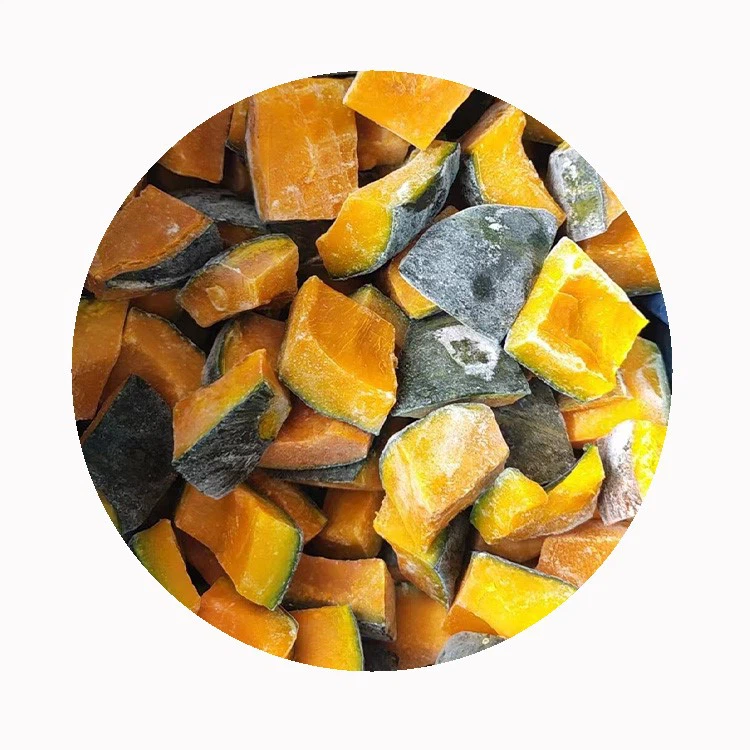
For plain IQF dice, avoid elaborate naming when a clear identity is sufficient. "Frozen pumpkin dice" may communicate the trade form well, while the technical specification carries the crop identity and tolerances. Legal reviewers then evaluate whether any extra varietal, origin or nutrition statement is supportable.

Carry One Identity Through Four Documents
The menu is the least technical document. It tells the diner what role the food plays and what to expect: roasted pumpkin, pumpkin soup or vegetables with pumpkin. The name must be truthful, but it need not display every crop and process field used behind the serving line. If an allergen or other required disclosure applies to the complete dish, handle it under the destination rules for that menu.
The purchase order narrows the request. It should state the commercial item, frozen or other form, cut, pack, quantity, delivery point and the approved specification revision. "Pumpkin" without the revision leaves the supplier guessing about piece dimensions, peeled state and defect limits. A clear order also prevents a familiar culinary word from hiding a material substitution.
The specification carries the technical identity. Record species or variety when it is a controlled variable; otherwise state the recognized product identity used for approval. Add maturity, color, cut distribution, treatment, sensory standard, foreign-material controls, microbiological criteria, packing, coding and frozen storage. Every limit needs a sample or measurement basis so both parties can reach the same result.
The consumer label returns to the common name but follows legal and formulation requirements. Its ingredient statement, nutrition declaration, net quantity, origin or claim language and responsible-business details should reflect the finished pack. A specification field can support that work; it cannot substitute for a market review. Conversely, an approved label does not tell QA what level of broken pieces to accept.
Finally, the batch and lot records connect the other three documents to physical food. They identify what material entered production, in what quantity, under which code and into which finished lot. When a customer reports a texture or naming concern, the record lets the team distinguish a formulation issue from a crop, cut, cooking or packing issue.
Use a controlled change step whenever the identity moves. A proposed species, cut, treatment or formula change should name the affected documents, the reason, the comparison sample and the approval owners. This preserves the useful simplicity of "pumpkin" for the diner without asking one word to carry an entire commercial system.
A Substitution Test for Pumpkin Products
Before approving a different pumpkin or sweet-squash material, compare identity, permitted name and application performance separately. First establish whether the market allows the planned common name for the finished product. Then compare color, flavor, dry matter, fiber, sweetness, puree viscosity or piece texture under the same recipe.
Suppose a 500-kilogram soup batch uses 75 kilograms of pumpkin dice. A candidate retains 90 percent accepted pieces after cooking, while the approved material retains 95 percent. The candidate leaves 67.5 kilograms accepted pieces; the approved material leaves 71.25 kilograms. The 3.75-kilogram difference can change bowl consistency even if both materials carry the same broad food name.
The result determines the next action. A label-equivalent material may still need a recipe or issue-weight adjustment. A technically similar material may need different naming in another jurisdiction. Record both conclusions and avoid letting success at one gate approve the other.
Representative Scenario 1: A Private-Label Puree Brief
Practical example: A private-label team plans a 12,000-kilogram production of plain canned puree for the U.S. market. Its decision function is product identity and label naming. The proposed formula uses 70 percent golden-fleshed sweet squash and 30 percent field pumpkin, both accepted under the brand's specification.
Worked example: Formula issue is 12,000 × 0.70 = 8,400 kilograms sweet squash and 12,000 × 0.30 = 3,600 kilograms field pumpkin before any defined process loss. Those numbers belong in the controlled formula. They do not mean the front label should list a "70/30 vegetable blend" unless the applicable naming and ingredient rules require or permit that wording.
The team reviews the FDA policy guide, formula, supplier identity documents, finished composition, ingredient declaration and brand claims. It also checks whether "100% pumpkin," varietal or origin language would create a narrower impression than the documented product supports. Artwork does not proceed until the intended wording and the actual formulation agree.
The result is a label decision based on a defined market rule and batch identity. The culinary-vegetable convention explains why consumers recognize the food; it does not authorize an unsupported purity, origin or species claim. For projects of this type, the private-label supply route should begin with formula and destination rather than artwork alone.
The Specification Must Be More Precise Than the Menu
"Pumpkin vegetable soup" is understandable menu language. It is not enough for a frozen ingredient specification. The buyer still needs cut dimensions, size distribution, peeled state, color range, maturity, seed or cavity residue, broken-piece limit, free-flow condition, treatment, net weight and storage requirements.
Species and variety matter when they change flesh color, dry matter, sweetness, fiber or cooking behavior. They need not dominate the consumer name, but they should remain available in the supply record when they are part of approval. A substitution between pumpkin types can preserve the broad culinary category while changing the finished food.
Define the defect basis as well as the limit. Percent by weight, pieces in a sample and visual severity are not equivalent. State sample size, thaw or frozen state and measurement method. That detail turns "vegetable quality" into an acceptance decision.
The frozen pumpkin dice page identifies a product direction. A representative sample and agreed application trial must lock the usable specification.

Representative Scenario 2: A Restaurant Soup Program
Application example: A restaurant distributor supplies frozen pumpkin pieces for a savory soup served across several kitchens. Its decision function is menu consistency and usable ingredient quantity. Each planned service contains 180 grams of accepted cooked pumpkin, and the forecast is 480 bowls.
Accepted need is 480 × 0.180 kilograms = 86.4 kilograms. The approved line test yields 93 percent accepted pieces from frozen issue after cooking and hold. Required frozen quantity is 86.4 ÷ 0.93 = 92.90 kilograms. With 10-kilogram bags and no cross-day open bag, the distributor allocates ten bags and records any unused product under the kitchen's safe handling rule.
The kitchens may call the dish pumpkin vegetable soup because that is useful diner language. Receiving and production use the approved frozen-dice specification, lot code and cook method. The name stays simple for the menu while the supply record stays exact.
A change in cut or pumpkin type triggers a new yield and sensory check. Otherwise the item can remain correctly named yet deliver uneven bowl weight, softer pieces or more free water. This scenario solves application performance, unlike Scenario 1's label-identity decision.

XMSD Experience: Translate the Name into Measurable Product
When we receive a pumpkin request, we do not treat "vegetable" as a complete specification. We ask what the finished food must look and feel like. A visible soup piece needs different maturity and cut control from a piece intended to collapse into puree.
We compare frozen color, cut range, peel or cavity residue, clumps and breakage, then repeat the buyer's cook, hold and mixing sequence. The deciding observation may be piece survival at twenty minutes, water release into sauce or whether the color stays compatible with the recipe.
We keep crop identity and production lot with the application result. If another variety meets the broad common name but produces a different texture, the team can see why the approval does not automatically transfer.
This is where culinary naming helps rather than harms: it communicates the food's role, while the test record carries the variables that actually change acceptance.
XMSD Experience: Protect Identity Through Pack and Receipt
The approved name and cut must survive packing, storage and delivery. We align inner-bag print, carton marks, lot code, net weight and product description so the receiving team can connect the shipment to the approval. Ambiguous coding weakens even a well-written specification.
Bag size should also fit the recipe. A pack that forces repeated partial-bag handling can change issue accuracy and frozen condition. The frozen packaging overview frames the inner-pack, carton and shipment controls that support the product identity.
At receipt, verify code, bag integrity, frozen condition, temperature information and representative pieces. Then run the agreed application check. A label can use an acceptable common name while the shipment still fails cut, texture or condition; these are separate gates.
Record both outcomes. The document review protects identity and wording. The physical and cook review protects the food that reaches the consumer.

Choose the Right Word for the Decision
Use "fruit" when explaining plant development. Use "vegetable" when describing pumpkin's customary savory role or dietary placement. Use the market-approved common name on labels, supported by the exact formulation and jurisdiction. Use a detailed product name and specification for trade.
These answers do not cancel one another. Trouble begins when a term crosses documents without its purpose. Botanical fruit does not tell a chef how pumpkin holds in soup; culinary vegetable does not prove the species or formula; a permitted common name does not guarantee application quality.
A sound buying decision therefore keeps four lines visible: intended market, approved identity, product specification and finished application. Recheck those lines whenever the formula, source or label changes, and keep the dated approval with the affected lots. With those lines aligned, the familiar vegetable name remains both understandable and commercially useful.
XMSD sourcing note: Share the destination, pumpkin identity, product name, cut, recipe, cook conditions, pack and required records. We can review a frozen pumpkin option against the intended menu or manufacturing use.
References
- Ask Extension: Pumpkin and squash botanical and culinary classification
- Texas A&M AgriLife: Pumpkin plant structure and food use
- USDA MyPlate: Pumpkin in the Vegetable Group
- US FDA Compliance Policy Guide 585.725: Pumpkin labeling for certain squash products
- Clemson Cooperative Extension: Botanical fruit and commercial vegetable usage
- XMSD operational perspective on product identity, pumpkin cut, cook performance, pack alignment, cold-chain receipt and lot approval.