


Why Is Pumpkin Treated as a Vegetable? Botany, Menus, and Specs
Nov 08, 2019

Pumpkin is botanically a fruit because it develops from a flower and contains seeds. In cooking and nutrition guidance, it is treated as a vegetable because the flesh is commonly prepared in savory dishes and USDA MyPlate places cooked pumpkin in the red and orange vegetable subgroup. Both statements are correct because they answer different classification questions.
For a kitchen, buyer, or product developer, the culinary and commercial classification is usually the useful one. It tells the team where pumpkin sits on a menu, which products it should be compared with, how the finished food is described, and which cut, cooking behavior, pack, and specification belong in the review. The botanical label matters for plant science; it does not decide whether pumpkin dice hold their shape in soup.
Short answer: Pumpkin is a botanical fruit used and counted as a vegetable. State which system you mean, then move to the product form and application that drive the real decision.

Botanical Fruit and Culinary Vegetable Are Different Systems
Botany classifies the plant structure. A fruit develops from the flower's ovary and carries seeds, so a pumpkin fits the botanical fruit definition. Pumpkins belong to the cucurbit family with squash, cucumbers, and melons. Several cultivated species and varieties are sold under pumpkin or squash names, which is one reason visual appearance alone is not a complete product identity.
Culinary language classifies the way people prepare and eat the food. Pumpkin flesh is roasted, steamed, simmered, curried, mashed, blended into soup, mixed with other vegetables, or used in savory fillings. Mild sweetness does not force it into the fruit section of a menu. Cooking role, flavor pairing, and eating context support the vegetable label.
Nutrition guidance uses food groups rather than plant anatomy. USDA MyPlate lists pumpkin and calabaza under red and orange vegetables and gives 1 cup of cooked mashed pumpkin as a cup-equivalent example. That placement is designed for meal planning and dietary variety. It tells the eater how the food contributes to the vegetable pattern.
The systems therefore meet without contradiction. A botanist can call the harvested structure a fruit. A chef can put pumpkin in a vegetable curry. A dietitian can count cooked pumpkin toward vegetables. A frozen-food specification can describe pumpkin dice under a vegetable category. Each answer is tied to its task.

The Red and Orange Vegetable Role Is a Meal-Planning Tool
MyPlate organizes vegetables into subgroups so people can vary their choices. Pumpkin's orange color reflects carotenoid pigments and places it with other red and orange vegetables for practical meal planning. The category does not say that every orange food has identical nutrient values or that pumpkin replaces leafy greens, legumes, or other vegetable groups.
The USDA SNAP-Ed pumpkin guide provides a reference serving of 1 cup, or 116 g, of cubed pumpkin and lists nutrition values for that stated food and amount. This lets a reader discuss plain pumpkin on a measured basis. A formulated soup, sweetened filling, bakery item, seed snack, or concentrated puree needs its own serving and recipe data.
Orange pumpkin also contains provitamin A carotenoids. The NIH Office of Dietary Supplements explains that the body can convert some plant carotenoids, including beta-carotene, into vitamin A. Keep the statement connected to normal nutrient roles and the exact food. A vegetable subgroup is a planning aid, not a medical promise.
Practical example: A family builds a dinner plate with pumpkin cubes, beans, rice, and leafy greens. The pumpkin is counted as the red-orange vegetable component even though its botanical structure is a fruit. The beans and greens remain because the purpose is variety across the plate, not winning an argument about plant anatomy.

Kitchen Classification Changes the Useful Comparison Set
A classification earns its value when it improves a decision. For a savory side, compare pumpkin with sweet potato, carrot, winter squash, or another prepared vegetable. For a smooth soup, compare solids contribution, viscosity, water balance, color, and flavor. For visible pieces, compare cut consistency, cooking time, texture retention, water release, and portion yield.
Comparing pumpkin with dessert fruit on sweetness alone misses the application. Pumpkin often needs cooking, seasoning, and texture development. The University of Minnesota Extension describes pumpkins and winter squash as non-climacteric crops that should reach maturity on the vine, and it discusses firm rind and storage behavior. Those postharvest features differ from the ripening pattern of many dessert fruits.
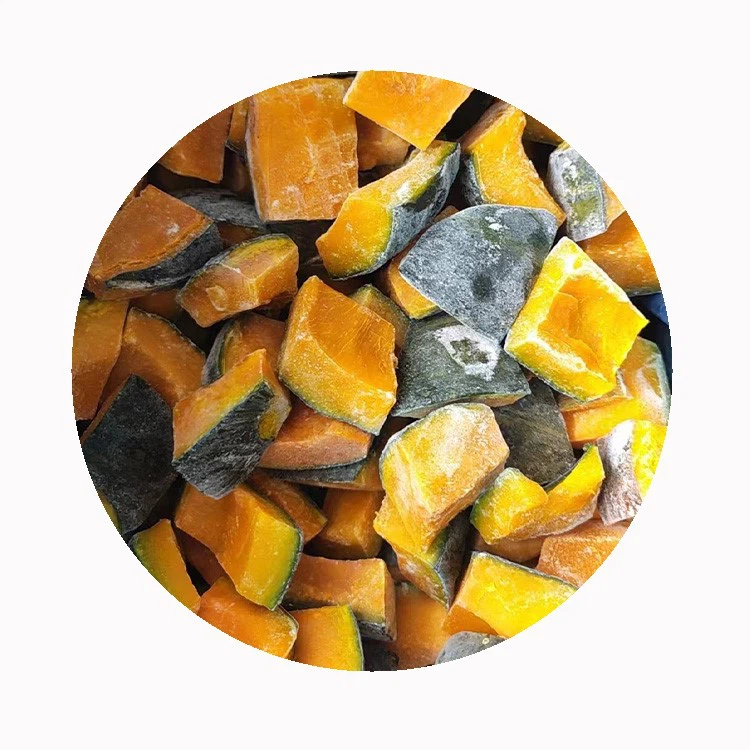
For frozen products, the useful comparison moves again. A frozen pumpkin diced format is already peeled, cut, and ready for controlled batch input. It should be compared through usable yield, labor, pack utilization, and finished-food performance rather than the whole-weight price of an untrimmed fresh pumpkin.
| Decision | Useful classification | Variables to compare |
|---|---|---|
| Plant science | Botanical fruit | Flower, ovary, seed, species |
| Meal planning | Red-orange vegetable | Portion, recipe, vegetable variety |
| Menu development | Culinary vegetable | Flavor, texture, cooking, plate role |
| Frozen procurement | Specified vegetable ingredient | Cut, defects, yield, pack, application fit |
A Specification Needs More Than the Category Name
"Frozen pumpkin" identifies a category but leaves the purchasing decision open. A working specification names the product form, variety or raw-material basis when relevant, cut dimensions and tolerance, color expectation, texture after the agreed preparation, defect limits, foreign-material control, pack format, net weight, storage condition, and required documents.
Cut dimensions belong beside the measurement method. A nominal cube size may allow a stated tolerance, but buyer and supplier need to know how pieces are measured and how fines, broken pieces, or irregular shapes are counted. The visual acceptance photo should match the written rule. Otherwise a category label creates confidence without a repeatable check.
Color language also needs a common reference. Pumpkin varieties naturally differ, and cooking changes color. Record the raw frozen appearance and the finished-food expectation separately. For a mixed vegetable pack, color contrast may be decisive. For puree or soup, uniform cooked color may matter more than the raw cube.
From our sourcing perspective, the first question is not "fruit or vegetable?" but "which pumpkin format produces the intended food?" The botanical answer stays true while the specification turns the category into an ingredient that procurement, quality, and production can evaluate.

Test Cooking Behavior in the Intended Food
Pumpkin's mild flavor and softening behavior let it work across soup, curry, mixed vegetables, grain bowls, filling, bakery, and puree applications. The same flexibility creates different acceptance targets. A visible-piece soup needs enough structure after heating. A puree base rewards rapid, even breakdown. A roasted side values surface drying and browning. One texture judgment cannot serve all three.
Run sample trials with equal frozen weights, the same equipment, one liquid ratio, one heating endpoint, one drain method, and a fixed hold time. Record intact-piece percentage, softness, color, flavor contribution, released liquid, and usable serving weight. Label samples A and B when possible so the panel responds to the food rather than the supplier name.
Worked example: A foodservice kitchen needs 60 portions with 110 g of cooked pumpkin cubes in each serving. The target is 6,600 g of usable pieces. A controlled test gives 905 g that meets the texture and piece standard from 1,000 g frozen input, an illustrative usable-yield factor of 0.905. Dividing 6,600 g by 0.905 gives about 7,293 g, so the kitchen tests a 7.3 kg pull. The factor belongs to the cut, cooking method, and acceptance rule used in the trial.
A category name cannot supply that pull quantity. The measured trial connects purchase weight to finished vegetable portions. It also reveals whether a lower-priced delivered sample produces more breakdown, extra labor, or a lower usable yield.
Connect piece count to serving weight
Piece count can matter as much as weight when pumpkin is visible on the plate. Two cuts may both deliver 110 g per serving, yet one gives six large cubes while another gives fifteen smaller pieces. The smaller cut distributes color through a mixed dish and heats faster; the larger cut creates stronger identity and may hold a firmer center. State whether the target is grams, pieces, coverage, or a combination.
Measure count after the same cooking and handling used in service. Broken pieces and mash may still add weight while failing the visible-piece promise. Record total cooked weight, qualifying piece weight, fines or mash, and average qualifying pieces per portion. The acceptance rule can then distinguish a yield problem from a distribution problem.
A filling line creates another constraint. Pieces above the opening may bridge or interrupt flow; pieces far below the target may disappear into the matrix. A written cut range, sieve or measurement method, and line trial connect the vegetable description with equipment reality. Production can approve the category only after the supplied form passes that route.
Calculate usable cost on one acceptance rule
Delivered price per kilogram compares invoices; usable cost compares ingredients in the finished food. Define what counts as usable first. For a visible vegetable mix, the rule might require an agreed cut range, intact form after cooking, acceptable color, and no objectionable texture. Divide delivered cost by kilograms that pass that rule and record why the remainder failed.
Practical example: Sample A costs 1.00 cost unit per delivered kilogram and yields 0.88 kg of acceptable pieces, giving an illustrative usable cost of 1.136 units per kilogram. Sample B costs 1.05 delivered and yields 0.95 kg, giving about 1.105 units per usable kilogram. Under that application rule, the higher delivered price produces the lower usable ingredient cost. Labor and line interruptions can then be added as a second comparison.
Keep the unit and acceptance basis visible. A puree application may count soft pieces as fully usable, while the same material fails a retail cube standard. Usable cost belongs to a named application; it is not a permanent score attached to the lot.

Choose Form and Packing Around the Production Flow
Fresh whole pumpkin provides control over peeling and cut, but the operation absorbs trimming loss, labor, waste handling, and seasonal storage. Frozen dice remove several preparation steps and make batch input repeatable. Puree removes piece identity and suits a different formula. The best form follows the product role.
Packing size should match one shift or batch where possible. A kitchen opening part of a large inner bag over multiple service periods faces repeated handling and temperature exposure. A factory emptying one complete inner bag into a batch may prefer a different unit. Review frozen packaging options and handling considerations with the pull quantity, freezer layout, opening method, and line input.
For a formulated product, the food-processing application context helps connect ingredient form, recipe percentage, equipment, finished yield, and quality acceptance. A category is only the beginning; the process decides whether pieces arrive intact at the consumer or intentionally become part of a smooth base.
A guide to judging pumpkin in the finished dish covers the nutrition-versus-recipe decision. The related XMSD overview of pumpkin nutrient roles answers a different question from classification. Keep those decisions separate.

Keep Botanical Names, Menu Names, and Product Names Aligned
Use the botanical identity when variety, species, seed, crop, or origin questions require it. Use the culinary vegetable description when explaining menu role. Use the nutrition food-group description when discussing meal planning. Use the commercial product name when writing the specification, label, invoice, pack, and quality record.
The names should point to the same physical product. If the purchase order says pumpkin dice, the specification, artwork, pack mark, certificate, invoice, and sample record should use an aligned description. A local variety name or squash term can be added when it prevents ambiguity. Translate with product identity in mind rather than forcing one English kitchen word onto every market.
Create a one-line identity key for internal use: commercial name, botanical or variety detail when required, product form, cut, pack, and item code. Place the key in the sample record and artwork approval file. When a translation or customer term changes, quality can still trace the name back to the same specification. This is especially useful when "pumpkin," "squash," and a regional culinary name overlap but the physical ingredient remains fixed.
If two names point to different colors, textures, or cooking behavior, split the items instead of treating the wording as a synonym problem. Give each product its own approved sample, cut tolerance, application result, and document set. Clear item identity prevents an apparently minor naming change from becoming a finished-food change.
Practical example: An importer plans a retail mixed-vegetable pack and receives two raw-material descriptions, "pumpkin cube" and "winter squash cube." The team compares botanical/variety identity, color, cut, cooking behavior, label rules, and the market term consumers recognize. It chooses one declared product name, keeps the supplier and artwork records aligned, and approves the actual cooked sample rather than assuming the words are interchangeable.
Arrival checks continue the alignment. Inspect package condition and frozen state, then compare cut distribution, piece separation, color, visible defects, and abnormal ice with the approved reference. Run the application test when a difference may change the finished food. The lot decision follows the specification and intended use.
Preserve the approved identity through logistics
The product name and pack code should travel with the temperature and handling record. At loading, confirm the agreed item, lot, quantity, pack, and frozen condition. At receipt, compare container or vehicle condition, package integrity, product temperature according to the agreed method, and any signs of thawing or refreezing. Record representative photos before the product is moved into routine storage.
Clumping has more than one possible cause. Natural surface moisture, compaction, temperature fluctuation, and pack handling can produce different patterns. Describe what is observed-free-flowing pieces, light separable clumps, hard fused blocks, excess loose ice-then compare it with the approved standard and cold-chain record. The description creates a basis for action without guessing the cause.
When the frozen state is acceptable, run the small cooking method retained from approval. Record starting weight, equipment, time, endpoint, drained or finished weight, texture, color, and piece identity. If the result differs, preserve unopened units and identify the exact lot and test. This links logistics, product identity, and application performance in one traceable review.
The classification question is now doing useful work: it guides the team from plant identity to culinary role, food group, specification, documents, logistics, and finished result. The correct label is the one that remains attached to a controlled physical product.
A Four-Part Classification Check
1. State the system. Botany asks how the plant structure develops. Culinary use asks how the flesh is prepared. Nutrition guidance asks where it sits in the food pattern. Procurement asks what exact product is supplied.
2. Name the form. Keep whole pumpkin, peeled dice, frozen cubes, puree, filling, seed, and flavored product separate.
3. Match the application. Define the dish, cut, cooking method, desired texture, portion, usable yield, and pack use rate.
4. Align the documents. Keep the specification, approved sample, pack mark, invoice description, certificates, and label wording connected to one product identity.
XMSD sourcing note: For a frozen pumpkin review, provide the product name used in your market, intended dish, cut, cooking and hold method, target portion or recipe percentage, pack format, destination, and acceptance result.
References
- USDA MyPlate - Vegetable Group and Red/Orange Vegetable Subgroup
- USDA SNAP-Ed - Pumpkin Seasonal Produce Guide and Nutrition Information
- NIH Office of Dietary Supplements - Vitamin A and Provitamin A Carotenoids
- University of Minnesota Extension - Harvesting and Storing Pumpkins and Winter Squash
- XMSD operational perspective on pumpkin naming, cut, cooking behavior, usable yield, packing, and application acceptance.