


XMSD Papaya Timing Guide: Meals, Portions and Applications
May 31, 2019

There is no universal best clock time to eat papaya. Morning, between meals and after a meal can all work. The better time is the occasion that fits your total diet, planned portion, tolerance, recipe and handling controls. Eating ripe papaya at 8 a.m. does not unlock nutrients that disappear at 3 p.m., and eating it 30 minutes after lunch does not automatically digest the meal or prevent weight gain.
For a household, that means choosing a convenient serving and observing comfort. For a buyer, hotel, beverage plant or private-label program, "best time" becomes an application question: breakfast cup, snack pouch, smoothie ingredient, dessert inclusion or foodservice topping. Each occasion changes the cut, fruit percentage, sweetness, thawing route, portion, pack and waste calculation.
Direct answer: choose papaya when you will eat a suitable amount in a balanced meal or snack and handle it safely. If an empty stomach, a large fruit portion or a particular recipe causes discomfort, move the occasion or reduce the portion. Timing is a practical variable, not a treatment.

Separate the Clock from the Food Decision
Popular timing advice often combines four different questions. Is papaya nutritious? Does one person tolerate it? Does it fit the complete meal? Is a prepared product handled safely? A clock time cannot answer all four. Papaya contributes food and nutrients whenever it is eaten, but its role depends on the amount, the rest of the diet and the product form.
The claim that morning papaya "cleans toxins" is not a useful food decision. The claim that fruit eaten after lunch immediately turns to fat is also an oversimplification. Body weight changes reflect energy intake and expenditure over time, not a special papaya conversion switch after a particular hour. A sweetened papaya drink and plain ripe pieces are different products even when consumed at the same time.
Start with identity: ripe fresh fruit, frozen pieces, puree, sweetened preparation, dried fruit, juice, supplement or papain product. Then record portion, ingredients, eating occasion and intended result. Our papaya benefit and serving guide explains why the edible amount and final product are more defensible than a vague claim about "papaya."
A useful timing recommendation therefore sounds conditional: choose a breakfast portion if it replaces or complements another planned food; use a snack portion if it prevents unplanned grazing; place it near activity if the complete snack suits the person; serve it after a meal if it fits preference and total intake. None of these is universally superior.
Test a timing claim by asking five questions: which papaya product, how many grams, compared with what other occasion, measured by which outcome and supported by what evidence? A claim that cannot answer them should not control a menu or product brief. It may describe habit or preference, but it has not established a physiological optimum.
This distinction prevents two expensive mistakes. The first is changing a stable recipe or service simply to follow a weak clock-time claim. The second is overlooking measurable causes of poor performance-overlarge portions, added sugar, unsuitable cut, uncontrolled thawing or long service exposure-because "wrong time" sounds simpler.
Morning Is Convenient, Not Metabolically Mandatory
Breakfast is a practical papaya occasion because fruit can be portioned with yogurt, grains, eggs or another meal component. Hotels can prepare fruit cups for a known service window, and frozen pieces can support consistent cut and availability. Convenience is a real advantage; it is not proof that papaya nutrients work only before noon.
Judge the complete breakfast. Plain fruit beside a protein- and grain-containing meal is different from a large sweetened smoothie that contains juice concentrate, syrup and multiple fruit purees. Use the Nutrition Facts and ingredient list for packaged products. FDA label guidance directs readers to serving size, servings per container, calories and nutrients per serving; the declared serving is a comparison basis, not an instruction that everyone needs the same amount.
An empty stomach is not required. Some people comfortably eat fruit alone; others prefer it with a meal or smaller snack. If the person experiences repeated symptoms, record the exact product and amount instead of assuming morning is therapeutic or harmful. Allergy, latex cross-reaction and a shared foodborne event require different action, as detailed in the papaya allergy and safety guide.

Before, With or After a Meal Can All Be Reasonable
Eating papaya before a meal may suit someone who wants a planned fruit course. Eating it with a meal may make portioning easier. Eating it afterward may satisfy a preference for fruit as dessert. The decision changes with appetite, medication instructions, medical nutrition plan, symptoms and what the papaya replaces. A website should not override individualized clinical advice.
Papaya contains the proteolytic enzyme papain, especially in latex and less-ripe tissues, but that fact does not prove that a normal ripe-fruit serving taken at a precise minute will digest an entire mixed meal or treat indigestion. Fruit maturity, processing, enzyme activity, amount and the food matrix all vary. A concentrated enzyme ingredient is not equivalent to ripe papaya pieces.
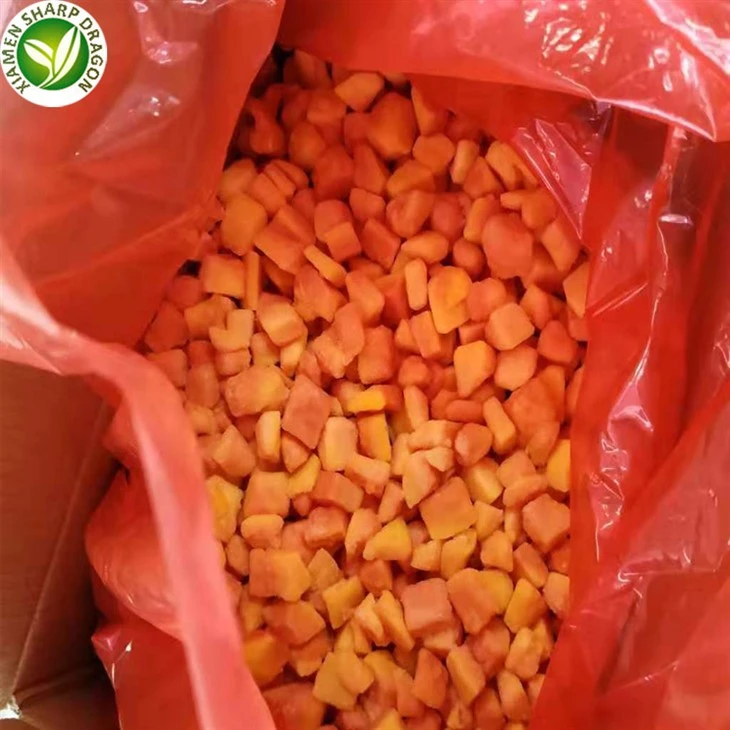
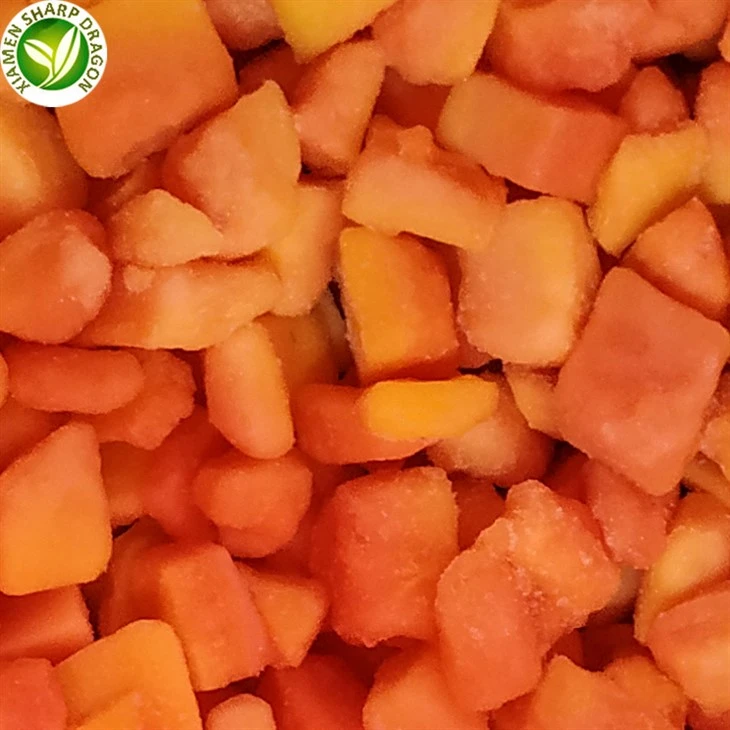
For product development, describe the intended role instead of promising digestive timing. A 12 mm papaya dice may provide visible identity in a breakfast cup. A smaller piece or puree may distribute more evenly in a beverage. A topping added immediately before service has a different texture requirement from fruit blended after controlled thawing. The best occasion is the one validated for that product.
Watch replacement. If 100 g of papaya replaces another planned fruit, the meal change is different from adding 100 g on top of the existing meal. If sweetened sauce, ice cream or pastry is added, evaluate the finished serving rather than crediting the fruit with the whole dessert outcome.
Use Snacks and Activity Windows for Planning, Not Magic
A mid-morning or afternoon serving can be useful when it fits the person's plan and replaces an unplanned snack. Papaya provides carbohydrate and water, while the complete snack can include other foods according to appetite and nutrition needs. It is not a universal appetite suppressant, fat burner or recovery treatment.
Around exercise, requirements vary with sport, duration, intensity, gastrointestinal comfort, climate and the rest of the day's intake. Sports nutrition guidance treats nutrient timing as part of a complete fueling and recovery plan, not a single-fruit rule. A person training for a long event and someone taking a short walk do not need the same snack.
For a commercial smoothie, define papaya percentage, total carbohydrate sources, protein and fat ingredients, serving mass and label basis. Test flavor, viscosity, separation and consumer use at the intended service temperature. "Post-workout papaya" is a marketing occasion; the formula and evidence determine what the finished product can responsibly claim.
Worked example: a 1,000 kg smoothie batch uses 20% papaya, so it requires 200 kg papaya. At a 250 g declared serving, theoretical yield is 4,000 servings before process loss.
Papaya per theoretical serving is 200 kg ÷ 4,000 = 0.050 kg, or 50 g. If the plant records 3% filling and line loss, saleable yield becomes 3,880 servings, and the purchased papaya requirement does not fall. Actual label and nutrient calculations must follow the finished formula and applicable rules.
This arithmetic answers purchasing and formulation questions. It does not show that drinking the smoothie before or after exercise creates a guaranteed health result. That outcome depends on the complete product, user and total plan.
Do Not Turn Nighttime into a Universal Ban
This article does not assign a special benefit or penalty to papaya after sunset. A person's sleep schedule, total intake, symptoms, reflux plan, diabetes plan, portion and recipe matter more than the word "night." The dedicated nighttime page retains the detailed question of bedtime comfort and meal pattern; here the key point is simply that a fixed morning-only rule is not supported by the fruit's identity.
If a late serving repeatedly causes discomfort, move it earlier, reduce it or review the complete meal. If it fits the person's plan without symptoms, the clock alone does not make ripe papaya harmful. Severe or persistent symptoms need appropriate medical assessment rather than another timing experiment.
For late foodservice, the safety question is operational: how long was cut or thawed fruit exposed, at what temperature, in which container and under which food-safety plan? A product can be mishandled at breakfast and properly controlled at dinner. Time of day and time-temperature history are not the same variable.
Portion and Formula Usually Matter More than Timing
Define the amount in grams, not "one bowl" or "some papaya." Bowl dimensions, fill level, cut size and thaw purge can change the edible mass. For packaged food, distinguish net content, declared serving, servings per pack and papaya percentage. For foodservice, use a portion utensil or weighed standard and audit actual output.
USDA fruit guidance places fruit within an overall eating pattern and recognizes fresh, frozen, canned and dried forms as well as juice, with product-specific choices still important. FDA guidance makes the same practical point through labels: calories and nutrients are tied to the serving and number of servings consumed. Neither framework creates a universal papaya hour.
Compare plain and sweetened products on the correct basis. Added sugar, syrup, juice concentrate and other ingredients can change energy, sweetness, solids and claims. A frozen plain papaya dice is not nutritionally or functionally interchangeable with candied papaya or a multi-ingredient nectar. Request formula and label evidence before accepting a timing-led claim.
For diabetes or another medical nutrition plan, use the person's professional guidance and count the actual carbohydrate-containing portion within the meal. "Morning fruit" is not a substitute for measuring a formula. Do not promise a blood-glucose outcome from papaya timing alone.
Translate the Eating Occasion into a Product Specification
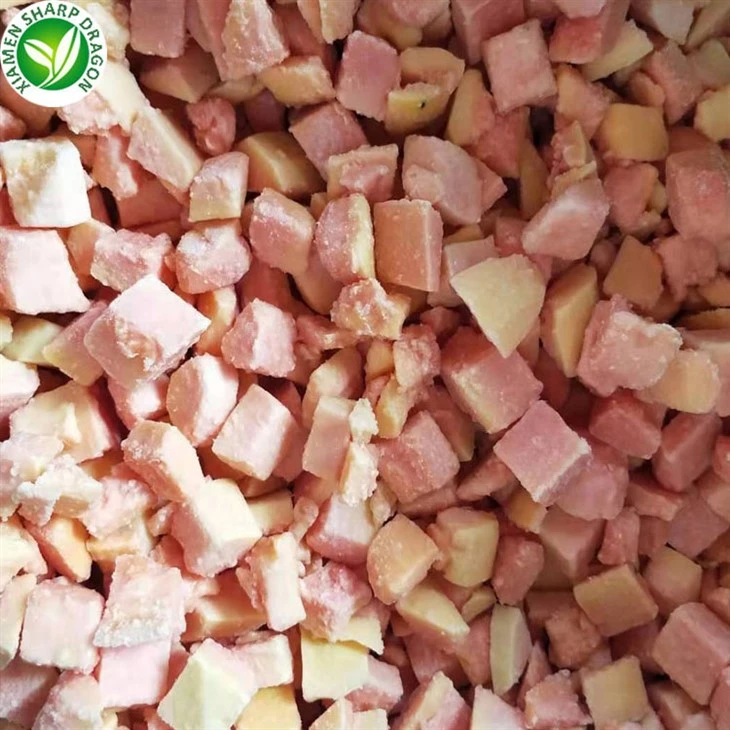
A useful application brief names the service problem before choosing a cut. Breakfast fruit cups need visible identity and controlled purge; beverage production needs predictable solids and blend behavior; plated desserts may need intact pieces after thawing. If one specification is expected to do all three, state which performance characteristics may trade off and approve samples in every priority use.
The intended occasion should change purchasing questions. For a breakfast cup, confirm visible cut, maturity, color, sweetness, thawed bite, purge and portion speed. For a smoothie, confirm blend behavior, Brix or pH where relevant, fiber perception, seed or peel tolerance and batch consistency. For bakery or dessert use, test heat, color, moisture migration and piece integrity in the real process.
Define ripe papaya identity, cultivar or approved source where material, origin, plain or sweetened status, IQF or other format, dimensions and tolerance, defects, broken pieces, clumps, foreign material, microbiological criteria, residue plan, allergen statement, pack, net weight, lot code, shelf life and storage. The XMSD frozen papaya format is a discovery starting point; the signed order specification controls supply.
Tie the spec to a preparation route. The frozen papaya preparation guide separates frozen blending, controlled thawing and cooking applications. Validate the route in the customer's equipment, because cut, thaw loss and holding time can change saleable yield and sensory acceptance.
Protect the intended service window with a pack and cold-chain plan. The frozen-food packaging overview helps frame inner pack, carton and logistics questions. Confirm actual pack performance, destination and handling conditions order by order.

Calculate Service Demand before Choosing the Pack
Service timing affects labor and pack choice even when it does not create a nutritional advantage. A breakfast line may need fast access and predictable portioning during a short peak. A beverage plant may need a pack that matches blender batch size. A restaurant with low papaya turnover may prefer smaller inner packs to reduce exposed product and waste.
Breakfast-service example: a hotel expects 240 guests, plans a 120 g mixed-fruit cup and sets papaya at 35% of the cup. Planned papaya is 240 × 120 g × 35% = 10.08 kg.
If its validated thaw and service allowance is 8%, issue quantity is 10.08 kg ÷ 0.92 = 10.96 kg, rounded under the site's control. Across 20 comparable breakfast days, planned issue is about 219.2 kg, before changes in occupancy or menu mix.
Now the buyer can compare 1 kg, 2.5 kg or 10 kg inner packs against opening frequency, remaining shelf life, labor and waste. "Breakfast is best" provides none of this procurement evidence.
Use measured trials to set the allowance. Do not copy 8% into another product or process. Papaya maturity, cut, glazing if any, thaw route, drain method, holding and staff practice can change usable yield. Record gross issued mass, drained mass, plate or cup mass, waste and guest count.

Use a Repeatable Timing Decision
First, identify the exact product and serving. Second, state the intended occasion and what the papaya replaces or accompanies. Third, check individual tolerance and any medical instructions. Fourth, calculate formula, portion, saleable yield and daily demand. Fifth, validate thawing, service temperature, holding and sensory life. Sixth, connect the lot, formula, artwork and pack versions.
Reject claims that depend on a magic minute but cannot name the fruit form, dose, comparator, outcome or evidence. "Eat papaya exactly 30 minutes after lunch to prevent fat" fails this test. A stronger statement is operational: "This 120 g fruit cup contains 42 g papaya and is portioned for breakfast service under the validated thaw-and-hold procedure."
Keep consumer and commercial conclusions separate. A consumer may choose morning because it is convenient. A hotel may choose breakfast because demand is predictable. A processor may choose an afternoon production slot because staffing and cold-room flow are better. These are valid timing decisions without pretending that the clock transforms papaya physiology.
Frequently Asked Questions
Is morning the best time to eat papaya?
Morning can be convenient, but it is not universally superior. Choose an occasion that fits your meal pattern, portion, tolerance and handling. Papaya nutrients do not become inactive later in the day.
Should papaya be eaten on an empty stomach?
It is not required. Some people tolerate fruit alone, while others prefer it with a meal or in a smaller serving. Repeated or severe symptoms need appropriate assessment, not a forced empty-stomach trial.
Is papaya better before or after meals?
Either can fit. Decide what the fruit replaces or accompanies and evaluate the complete meal. A precise before-or-after interval is not proven to guarantee digestion, weight loss or disease prevention.
Can I eat frozen papaya at breakfast?
Yes, when the product is suitable for the intended use and handled according to its validated instructions. Blend from frozen where appropriate or thaw under controlled conditions; do not assume freezing makes fruit sterile.
Does papaya after a meal burn fat?
No meal time gives papaya a guaranteed fat-burning effect. Review the actual serving, additions, complete diet and activity pattern. Papain activity is not proof of human weight loss.
What should a papaya buyer specify for breakfast service?
Specify ripe-fruit identity, cut, color, sweetness, texture, defects, thaw purge, portion target, inner pack, microbiological and residue requirements, lot code, storage, service method and measured yield.
XMSD sourcing note: Send your papaya application, cut, formula percentage, portion, pack, destination, service window and quality targets. We can review an order-specific frozen-papaya specification and sample plan.
References
- USDA SNAP-Ed. Papaya produce and nutrition information.
- USDA MyPlate. Fruit within an overall eating pattern.
- U.S. FDA. How to understand and use the Nutrition Facts label.
- Academy of Nutrition and Dietetics, Dietitians of Canada and American College of Sports Medicine. Nutrition and athletic performance position paper.
- UC Davis Postharvest Research and Extension Center. Papaya maturity, disorders and storage.