


Papaya Side Effects: Symptoms, Product Forms, and Safety
Sep 04, 2019

Most people can eat ripe papaya as an ordinary food, but side effects are possible. A large portion may cause digestive discomfort in someone who is sensitive to fruit fiber or fermentable carbohydrates. Papaya can also cause an allergic reaction, including in some people with latex allergy. Unripe fruit, papaya latex, concentrated papain enzyme, papaya leaf products and ripe frozen papaya are different materials and should not share one safety conclusion.
The old claim that "papain contains a small amount of toxins" was inaccurate. Papain is a proteolytic enzyme complex obtained commercially from unripe papaya latex; it is not correctly described as a toxin hidden in every ripe serving. EFSA's 2026 assessment concluded that one papain food enzyme did not raise safety concerns under its intended conditions of use, while also stating that allergic reactions could not be excluded.[1] Product, exposure and person determine the risk.
Use symptoms to choose the next action. Mild fullness after an unusually large bowl is not the same as hives and wheezing after a few bites. Fever and bloody diarrhea are not explained by papain. Pregnancy questions cannot be settled by a rat study or a blanket internet ban. If symptoms are severe, persistent or involve breathing, swelling, faintness or dehydration, seek medical care.
The short answer: Ripe papaya is not generally toxic, but an individual may experience digestive discomfort or allergy. Treat unripe papaya latex, purified papain, leaf extracts, supplements and finished foods as separate exposures. Check the exact product, amount, timing and symptoms before deciding what happened.

First Identify Which Papaya Product Was Used
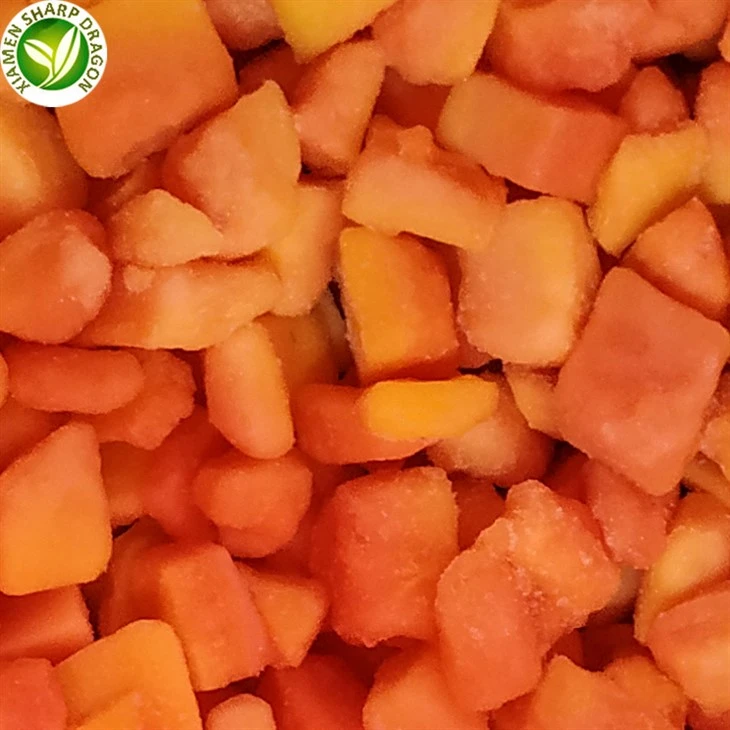
Ripe flesh is the orange or red edible portion commonly served fresh or frozen after peeling and seed removal. Green or unripe papaya has firmer flesh and more latex in the tissues. Papaya latex is collected from unripe fruit and can be processed into a papain enzyme preparation. Leaves can become teas, powders or extracts. Seeds, puree, juice, dried fruit and multi-ingredient supplements add still more forms.
Form changes exposure. A 100 g serving of ripe diced fruit cannot be equated with a capsule of extract or a factory worker's airborne enzyme dust. Cooking can change enzyme activity, but it does not create a universal allergy-safe product. A sweetened papaya dessert may produce symptoms because of its total portion, dairy, sweetener or another ingredient rather than papaya alone.
Read the ingredient list before diagnosing the fruit. "Papaya smoothie" can include milk, yogurt, mango, pineapple, nut ingredients, protein powder and sweeteners. "Digestive enzyme" may contain purified papain at a labeled dose plus other enzymes. If a reaction occurs, preserve the package, ingredient panel and lot code. An exact exposure history is more useful than the menu name.
For the broader good-versus-bad question, the current XMSD guide on papaya safety and frozen uses covers general nutrition context. The narrower task here is symptom triage and product identity, not a list of benefits or a verdict that all papaya is safe for every person.

Digestive Discomfort Is Usually a Portion-and-Context Question
Papaya contains water, carbohydrate and dietary fiber. A much larger portion than usual can cause fullness, gas, cramps or loose stool in a sensitive person, but no single serving guarantees these effects. The rest of the meal, speed of eating, baseline fiber intake, medicines and diagnosed gastrointestinal conditions can all change tolerance.
Do not attribute every digestive symptom to papain. Commercial enzyme preparations can retain allergenic proteins and have defined industrial uses, while the digestive response to a bowl of ripe fruit involves the whole food. EFSA's assessment concerns a specific enzyme preparation and intended manufacturing uses; it does not prove that papain supplements treat digestion or that ripe fruit cannot cause an individual reaction.[1]
Practical example: You tolerate 120 g of plain ripe papaya but develop bloating after a 500 mL smoothie containing 300 g papaya, milk, protein powder and a sugar alcohol. The exposures differ in fruit amount and three other ingredients. Return to a previously tolerated plain portion only if there are no allergy signs or medical restrictions, then change one variable at a time. Persistent symptoms deserve clinical review.
A serving response is not a test of whether papaya "helps you poop"; that separate question belongs to stool pattern, total fiber/fluid and constipation care. Nor does nighttime automatically make papaya dangerous. Rows covering bowel movements, meal timing, sugar and liver questions have distinct owners. This safety page only uses timing and amount to interpret an adverse event.

Papaya Allergy and Latex Cross-Reactivity Need a Faster Response
Allergy can begin with mouth itching, hives, flushing or swelling and may progress to vomiting, wheezing, throat symptoms, dizziness or anaphylaxis. FDA advises people with known food allergy who develop symptoms to stop eating, evaluate the need for prescribed emergency medication such as epinephrine and seek medical attention.[2] Breathing difficulty, throat swelling, collapse or rapid progression is an emergency.
Papaya belongs in the latex-fruit discussion because cross-reactive proteins can matter in some latex-allergic people. A recent review identified papaya among the commonly reported foods in latex-fruit syndrome, while prevalence and patterns varied widely among studies.[3] Latex allergy does not prove papaya allergy, and papaya tolerance does not rule out occupational papain sensitization.
Papain powder creates an occupational route that ripe fruit does not. A case review describes IgE-mediated respiratory, skin, eye and oral reactions among exposed individuals, especially where enzyme dust could be inhaled.[4] For a plant using papain as tenderizer or processing aid, substitution, enclosed transfer, dust control, PPE, training and occupational-health assessment matter more than a consumer-side "papaya is healthy" statement.
Do not perform a home challenge after swelling or breathing symptoms. An allergist can evaluate the history and decide whether testing or a supervised food challenge is appropriate. Keep ripe papaya, latex gloves, papain enzyme and other foods in the exposure history. A product may contain papain without visible papaya pieces.
Allergy safety: A small amount can cause a serious reaction in an allergic person, so "I did not eat much" is not reassurance. Stop exposure, follow the prescribed action plan and seek emergency help for breathing, throat, faintness or rapidly progressing multi-system symptoms.
Pregnancy Claims Require Ripe-versus-Unripe Precision
Internet advice often says either all papaya is dangerous in pregnancy or ripe papaya is proven safe. The evidence does not justify either universal statement. A frequently cited study found uterine-contractile effects from crude papaya latex in rat and isolated-rat models and suggested that unripe or semi-ripe papaya could be unsafe, while explicitly calling for further human research.[5]
That animal study is a reason not to dismiss unripe-latex exposure, but it is not a human dose-response trial and cannot set a safe gram threshold. A pregnant person should ask their obstetric clinician about ripe fruit, green papaya dishes, leaf products, enzyme supplements and concentrated extracts separately. Product labels and local guidance may differ.
B2B product names should make ripeness and form clear. "Frozen papaya dice" intended as ripe fruit is different from green papaya strips, latex-derived papain or leaf extract. Specify raw-material maturity, color, Brix where used, ingredients, processing aids and intended application. Do not place a pregnancy-safety promise on a frozen-fruit specification.
The same separation applies to breastfeeding, infants and prescribed diets: general food information does not replace individual clinical guidance. Avoid borrowing cautions about leaf extract or therapeutic enzyme doses to frighten consumers about every ripe cube, and avoid using ordinary fruit consumption to endorse a supplement.

Foodborne Illness Is Not a Papain Side Effect
Papaya can become contaminated like other produce. FDA reports repeated Salmonella outbreaks linked to imported fresh papayas between 2011 and 2019, which drove farm, packing, water, traceability and preventive-control work.[6] This history establishes a supply-chain hazard that needs control; it does not mean every papaya contains Salmonella.
Symptoms such as fever, repeated vomiting, bloody diarrhea, severe abdominal pain or illness in several people after the same food should not be dismissed as "too much papain." Preserve the packaging and lot code, stop serving a suspect lot, check current recall information and seek medical/public-health advice. A foodborne investigation needs time, temperature, distribution and other foods, not only papaya quantity.
Frozen papaya is not sterile. Freezing controls product state but is not a universal pathogen kill step. B2B hazard analysis should define raw-material approval, water and hygiene controls, process flow, environmental and product testing where applicable, lot traceability, cold chain and corrective action. The final intended use-ready-to-eat smoothie versus validated cooked filling-changes the risk assessment.
At home or foodservice, follow the pack instructions and discard a recalled product. Do not taste a suspect lot to decide whether it is safe; pathogens may not change odor or appearance. Visible mold, fermentation, package damage or thaw abuse are rejection signals, but normal appearance cannot prove microbiological safety.
Use a Symptom-and-Exposure Matrix
| Exposure and pattern | Main question | Action |
|---|---|---|
| Large ripe-fruit serving; mild fullness or gas | Portion and complete meal | Return to tolerated amount; change one variable |
| Few bites; hives, swelling, wheeze | Food allergy/latex-fruit context | Stop; emergency plan and care |
| Enzyme powder exposure; work-related nose/chest symptoms | Occupational papain sensitization | Control exposure and obtain occupational assessment |
| Fever, bloody stool or cluster | Foodborne illness/other cause | Hold lot, preserve records, seek care/report |
Worked example: A beverage plant receives one complaint after a 250 mL smoothie containing 80 g papaya, 60 g mango, 90 g yogurt and 20 g syrup. The customer reports hives and lip swelling within minutes. The action is not to calculate a larger "toxic papaya dose." Hold the complaint sample and relevant lot records, capture every ingredient and cross-contact route, refer the consumer for medical care, and investigate allergy and label accuracy.
If five customers instead report fever and diarrhea after the same service batch, the pattern changes the decision. Hold all related product, preserve temperature and distribution records, notify the responsible food-safety contacts and follow applicable reporting/recall procedures. The formula remains important, but the priority is a possible shared hazard rather than individual portion tolerance.
Investigate a Papaya Complaint Without Guessing
Start with a timeline in minutes and hours, not a general note that someone felt ill "after papaya." Record when the product was eaten, when each symptom began, how symptoms changed and what treatment was used. Immediate mouth itching, hives or swelling raises a different question from diarrhea that starts the next day. Timing cannot diagnose the cause on its own, but it can prevent you from treating every complaint as simple indigestion.
Next, reconstruct the dose and the complete recipe. A description such as "one smoothie" is incomplete until the formula, serving size and consumed amount are known. Separate the grams of papaya from yogurt, juice, sweeteners, other fruits, protein powders, garnishes and cleaning-chemical exposure. Ask whether the person had eaten ripe papaya before, whether the same product caused a repeat reaction and whether others consumed the same lot without symptoms. A prior tolerance history is useful, but it does not rule out a new allergy or a changed recipe.
Do not ask a consumer to recreate a serious reaction at home. A deliberate re-challenge after hives, swelling, wheezing or faintness is a medical decision. Preserve evidence instead: original packaging, ingredient statement, photographs, purchase record, opened and unopened samples if safely available, lot and best-before codes, preparation notes and contact details. Record facts in the consumer's own words before translating them into an internal category such as allergy, intolerance or quality.
Then check whether the event is individual or clustered. One immediate reaction after a few bites can be clinically important even if nobody else is affected. Several similar gastrointestinal illnesses linked by lot, outlet or preparation window require a food-safety escalation even when each customer ate a modest amount. Review receiving records, thaw and holding temperatures, sanitation, water, employee illness, cross-contact, distribution and any current regulatory alert. Do not close a cluster simply because papaya has natural enzymes.
For an imported or private-label product, the investigation should connect the customer complaint to controlled documents. Confirm the approved formula revision, ingredient and processing-aid declarations, supplier lot, packing date, microbiological release status, cold-chain history, retain sample and customer distribution list. If papain is handled at the facility, review the dosing record and worker controls separately from frozen fruit handling. If the complaint concerns green papaya, confirm that the product was not substituted for a ripe specification.
The defensible outcome may be "cause not established." That is better than inventing certainty. Document what is supported, what remains unknown, what immediate risk control was applied and who owns the next decision. Medical professionals determine diagnosis and treatment; food businesses determine product holds, traceability, hazard review and regulatory action with qualified advisers. The shared objective is a proportionate response to the observed pattern, not a convenient label for every symptom.
Keep sensory quality separate from illness evidence. Excess surface ice, enzymatic softening, browning, fermentation odor or a broken seal can justify a quality rejection, but those signs do not identify an allergen or pathogen. Conversely, a clean-looking orange cube cannot clear a lot after a credible illness cluster. Record the sensory defect, food-safety concern and medical complaint as separate fields so each receives the right investigation and corrective action.
Build the Commercial Specification Around the Real Exposure
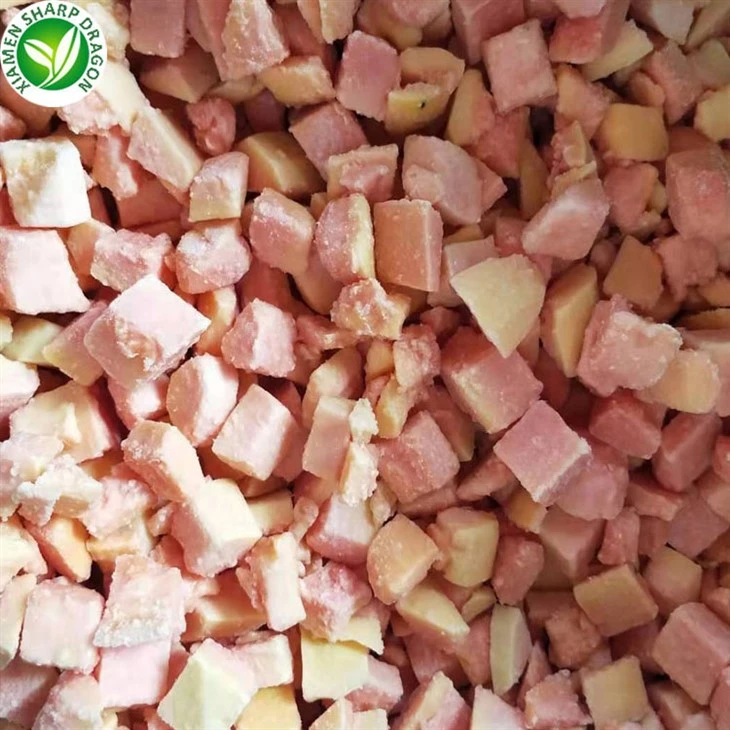
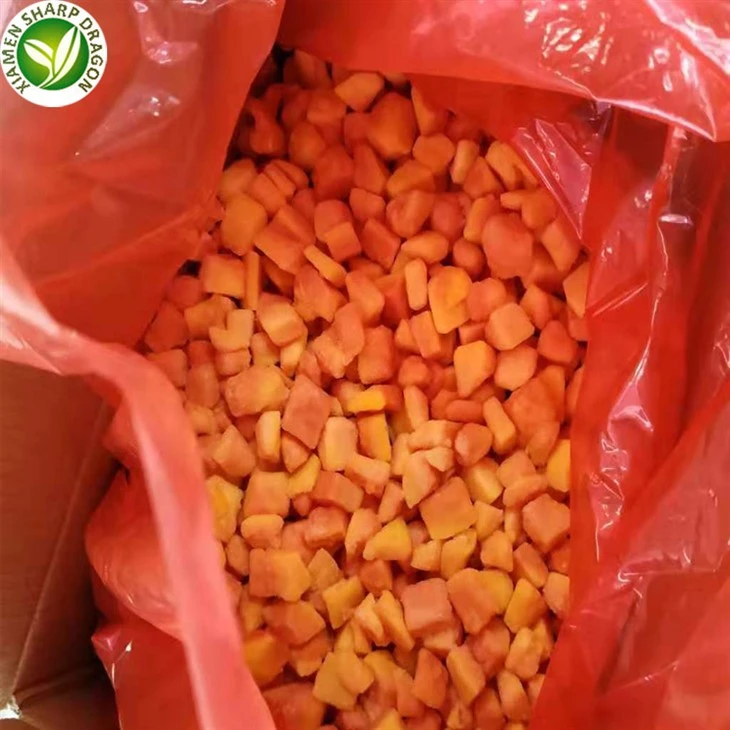
A frozen ripe-papaya specification should define botanical identity, maturity, cut size, color, Brix basis if relevant, defects, ingredients, processing aids, microbiological criteria, pack, lot coding and frozen storage. The IQF frozen papaya bulk page and frozen papaya chunks page show food formats; neither implies papain-enzyme or supplement use.
If purified papain is added elsewhere in a formula, list and assess it separately. Obtain the supplier specification, allergen information, intended-use level and processing function. Review worker exposure during receipt and dosing. Confirm how the ingredient appears in finished-product labeling under destination rules. Do not hide an intentional enzyme behind a front-of-pack picture of ripe fruit.
For a foodservice application, connect portion, thaw state, mixed-recipe holding and allergen response. For a private-label project, connect the approved formula, ingredient declaration, claims and change control to the correct artwork. A new papaya source, ripeness direction, enzyme or co-packer can trigger review.
Avoid absolute pack claims such as "no side effects," "safe in pregnancy," "allergy-free" or "detoxifies the liver." Food safety controls can reduce defined hazards but cannot guarantee that no individual will react. Precise product identity and truthful preparation/serving information are more defensible and more useful.
Planning a frozen papaya application? Share ripe/green form, cut, ingredients, serving, intended use, pack, destination and safety documents. We can review a starting food specification while your qualified team completes hazard, allergen and label approval.
Final Thoughts from XMSD
Papaya side effects cannot be reduced to "papain is toxic." Ripe fruit, unripe latex, purified enzyme and leaf products differ. Mild digestive symptoms often require a portion-and-recipe review. Allergy symptoms require a faster response, and latex cross-reactivity may matter. Pregnancy questions about unripe papaya remain limited by a lack of direct human dose data.
Fever, bloody diarrhea or a cluster of illnesses points away from ordinary intolerance and toward contamination or another cause. For B2B work, define form, maturity, enzyme use, hazard controls, label and lot traceability. The best safety answer names the exposure and action; it does not promise that every person and every papaya product will behave the same way.
References
- EFSA: 2026 Safety Evaluation of a Papain Food Enzyme.
- U.S. FDA: Food Allergy Symptoms and Emergency Action.
- Gromek et al.: Latex-Fruit Syndrome Literature Review.
- Baur et al.: Papain Occupational Allergy Case and Literature Review.
- Adebiyi et al.: Papaya Consumption in Pregnancy-Rat and In-Vitro Study.
- U.S. FDA: Improving the Safety of Imported Papayas.