


Oyster Mushroom Safety: Allergy, Spoilage and Buyer Guide | XMSD
Mar 29, 2019

Cultivated oyster mushrooms are an edible food for most people when the species is correctly identified, the product is handled safely and it is prepared as intended. The meaningful cautions are allergy, occupational spore exposure, spoilage or temperature abuse, foodborne hazards and confusion with foraged wild mushrooms. A general list of unrelated diseases is not evidence-based guidance.
The short answer: Avoid oyster mushrooms if you have a diagnosed mushroom allergy or have reacted to them before. Stop eating and seek urgent help for breathing difficulty, throat or facial swelling, widespread hives, faintness or another severe reaction. Discard spoiled or mishandled product. Do not eat a foraged mushroom based only on resemblance to an oyster mushroom.
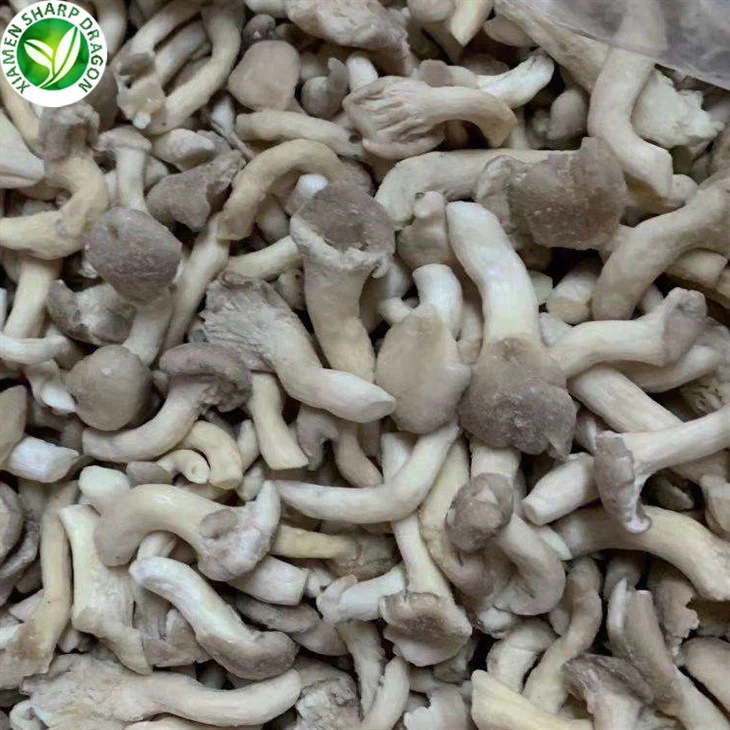
For a commercial frozen project, review the frozen oyster mushroom range by species, cut, blanching state, defect tolerance, packing, intended use and cold-chain condition. A safety decision comes from the actual specification and controls, not the product name alone.

Who Should Avoid or Use Caution With Oyster Mushrooms?
A person with a confirmed oyster-mushroom or mushroom allergy should follow individual medical advice and avoid the trigger identified by the clinician. A previous reaction after eating or handling mushrooms deserves assessment rather than a home challenge. Allergy can involve the skin, gastrointestinal tract or breathing and can be serious.
A 2023 case report identified a potential allergen after an anaphylactic reaction to oyster-mushroom ingestion. A case report proves that such a reaction can occur; it does not tell us that the allergy is common. That distinction supports a clear warning for affected individuals without presenting oyster mushrooms as broadly unsafe.
Workers in indoor cultivation, harvest and packing can face repeated airborne spore exposure. Published occupational cases describe asthma, anaphylaxis or hypersensitivity-related lung disease in exposed workers. That risk belongs in workplace ventilation, exposure assessment and occupational-health controls. It should not be confused with the exposure from a cooked serving or a frozen consumer pack.
People following a clinician-directed diet for a medical condition should use that personalized advice. There is no reliable basis for saying that everyone with a skin disease, urinary disorder, infection, facial condition or neurological disease cannot eat oyster mushrooms. Those broad exclusions were unsupported and can mislead readers.
Some people experience digestive discomfort after a large portion of mushrooms. Fiber, cell-wall material, meal size and individual tolerance can contribute. This is not the same as allergy, poisoning or infection. Reduce the portion and seek medical advice if symptoms are severe, persistent or accompanied by systemic signs.

Allergy Symptoms and Occupational Spore Exposure
Food-allergy symptoms can begin soon after exposure and may include itching, hives, swelling, vomiting, coughing, wheezing, dizziness or difficulty breathing. Severe or rapidly progressing symptoms require emergency care. This article cannot diagnose whether a reaction came from oyster mushroom, another ingredient or cross-contact.
For a finished frozen product, review every ingredient and the facility's cross-contact controls. A plain oyster mushroom may be packed on lines that also handle sauces or other formulated products. The destination label and customer specification determine which allergens and precautionary statements require assessment.
Occupational cases concern repeated inhalation or close handling of spores, particularly in cultivation environments. Controls may include source management, local exhaust or ventilation, cleaning that limits airborne dust, personal protective equipment selected through a risk assessment and occupational-health follow-up. Frozen processed mushrooms usually present a different exposure profile, but receiving and repacking operations should still evaluate actual conditions.
Do not convert a rare case into a percentage without population data. Case reports help identify a possible hazard and clinical mechanism. Prevalence, dose-response and individual susceptibility need broader evidence. The practical action is targeted risk control, not a universal ban.

Spoilage Is Not the Same as Foodborne Contamination
Fresh oyster mushrooms that become slimy, excessively wet, very soft, moldy, strongly discolored or foul-smelling should be discarded. These are quality and spoilage signals. Do not taste a questionable product to decide whether it is safe. FDA storage guidance also emphasizes covered storage and routine spoilage checks.
Visible spoilage can justify rejection, but absence of visible spoilage does not prove microbiological safety. Pathogens may be present without a bad smell or color. Food-safety confidence comes from supplier controls, hygienic processing, testing where appropriate, temperature management, traceability and correct preparation.
Frozen product has different warning signs. A solid block, excess surface ice, heavy frost, dry pale surfaces, crushed pieces, torn bags, open seals or wet cartons can indicate handling or package problems. These findings do not identify a specific time-temperature history alone, but they trigger record review and wider sampling.
Thawing softens mushroom tissue and can release water. Evaluate thaw drip and texture under a defined method. If a shipment arrives partly thawed, do not decide by refreezing one sample and checking appearance later. Hold the lot, document product temperatures and package condition, review logger and transport records, and follow the buyer's food-safety disposition procedure.
Cooking is not a repair step for spoiled or improperly handled food. Follow the product instructions and the validated process for the finished dish. A universal mushroom cooking temperature cannot replace a recipe-specific hazard analysis, and cooking does not reliably make an unidentified wild mushroom safe.

Why Wild Mushroom Identification Is a Separate Risk
Cultivated, traceable oyster mushrooms and a foraged mushroom that looks similar are not equivalent sources. CDC has documented severe and fatal poisonings after toxic wild mushrooms were mistaken for edible species. Appearance and taste are not reliable safety tests.
Do not depend on an app, photograph, social-media reply or one visual feature to approve a wild mushroom for food. Poisonous species can resemble edible mushrooms, and some toxins are not destroyed by ordinary cooking or drying. If you buy mushrooms commercially, require species identity, approved sourcing and traceability rather than accepting informal foraged supply.
If someone may have eaten an unidentified wild mushroom, contact the local poison center or emergency service promptly and preserve available samples or photographs if doing so is safe. Do not wait for symptoms to become severe, and do not rely on temporary improvement as an all-clear.
This wild-mushroom warning does not mean cultivated oyster mushrooms are toxic. It explains why source identity is a critical control. A verified commercial chain removes the consumer's need to perform species identification at the meal stage.

Fresh and Frozen Handling Decisions
Fresh oyster mushrooms are highly perishable and should be refrigerated promptly in packaging that limits contamination while avoiding damaging condensation. Follow the supplier's storage instruction and local food code. Once cut or cooked, control time and temperature according to the finished-food procedure.
Frozen oyster mushrooms should remain frozen at the specified condition through storage and distribution. Keep bags sealed, protect cartons from moisture and crushing, and minimize unnecessary handling. Use first-expired-first-out where the date system supports it, but remember that a date is not a substitute for temperature and package checks.
Choose the cut from the application. Sliced oyster mushrooms can distribute quickly through soup, sauce or ready meals. Diced oyster mushrooms offer a smaller, more uniform inclusion. Whole clusters, slices and dice will not have the same cook loss or texture.
For a clean comparison, cook equal net weights with the same equipment, time and recipe. Measure drained yield, piece integrity, color, tenderness, chew and flavor. Record whether the sample is tested from frozen or after thawing. This turns general preference into an acceptance method.
Worked example: A 500 g frozen receiving sample contains 18 g of large clumps, 7 g of discolored pieces and 5 g of foreign mushroom fragments. Clumping is 18 g / 500 g x 100 = 3.6%. Discoloration is 1.4%, and foreign fragments are 1.0%.
Do not add unlike defects unless the specification defines a combined limit. Compare each result with its own method and tolerance. The foreign-mushroom finding also triggers species and sorting review, not merely a price deduction. Retain the sample, photographs, carton codes and inspection record for disposition.
Frozen Oyster Mushroom Buyer Controls
Start with species identity, origin, cultivation source and product form. Define whole, sliced, diced or irregular pieces; size and tolerance; blanching or cooking state; color; texture; odor; broken pieces; stems; substrate residue; foreign mushrooms; extraneous matter; clumping; ice and net weight.
Raw-material and processing controls should cover supplier approval, receiving checks, sorting, washing, trimming, time and temperature, freezing, foreign-material prevention, metal detection, hygienic packing and frozen storage. If a specific IQF oyster mushroom product is selected, attach its approved sample and revision-controlled specification to the order.
Microbiological criteria depend on product, intended use and destination. Agree organisms, limits, method, sampling units and reporting before production. A certificate of analysis should identify the product and lot; a generic laboratory sheet without traceability is weak evidence.
Pesticide-residue, heavy-metal and environmental-contaminant plans should follow source risk and market rules. Mushrooms can reflect their growing substrate and environment, so approved cultivation and traceability matter. Do not infer compliance from a clean appearance.
| Decision | Evidence | Failure signal |
|---|---|---|
| Approve identity | Species, source, traceability and approved sample | Mixed or unidentified mushroom fragments |
| Approve physical grade | Cut method, tolerance and defect plan | Substrate, decay, excess breakage or clumping |
| Approve safety documents | Lot-linked COA and scope-valid certificates | Generic files with no lot or facility link |
| Approve arrival | Temperatures, logger, carton and seal checks | Wet cartons, thawing, open seals or heavy ice |
For blends, use the frozen mushroom mix specification to define each species and ratio. A blend creates extra identity, ratio and cross-sorting questions that a single-species specification does not cover.

Practical example: A foodservice customer reports nausea after a mushroom dish. The dish also contained sauce, noodles and other vegetables. No hives, swelling or breathing symptoms are reported, and no retained sample has been tested. That information is not enough to call the event an oyster-mushroom allergy or poisoning.
The action is to follow the complaint procedure: record time, portion, symptoms, other foods and affected people; preserve lot and preparation records; hold implicated stock if required; notify food-safety and medical authorities according to severity; and avoid publishing a cause before the evidence supports it.
How to Set Lot Acceptance for Frozen Oyster Mushrooms
A useful acceptance plan begins before the shipment leaves the origin. Define what constitutes a lot, which cartons may be sampled, how many primary packs will be opened, and which method applies to every result. The lot code on the sample must connect to the packing date, production record and certificate of analysis. If one pallet carries a different lot code or arrives in a different physical condition, inspect it separately instead of averaging unlike material into one result.
Record temperatures at representative positions, not only at the easiest carton near the door. Note the instrument, calibration status, measurement point, product condition and time of reading. FDA Food Code 2022 states that foods stored in a frozen state must be maintained frozen. For an import decision, however, a single surface reading does not reconstruct the whole voyage. Combine product readings with the logger record, carton condition, ice pattern and evidence of softening before deciding whether to release, hold or investigate the lot.
Inspect packaging before cutting any bag. Check carton strength, moisture damage, labels, seals, inner-bag integrity and whether the declared pack format matches the order. Photograph each exception beside its carton and lot code. A torn inner bag is a contamination and traceability concern even when the mushroom pieces look normal. Heavy frost inside a sealed bag may suggest moisture migration or temperature cycling, while frost outside a bag may have a different cause. Describe what you see instead of assigning an unsupported cause.
For physical defects, use a weighed sample and separate defect categories. Spread the frozen pieces on a clean contrasting surface, identify clumps, discoloration, decay, excess stems, broken pieces, substrate, foreign vegetable matter and other mushroom species according to the written definitions. We recommend retaining both the full-sample photograph and close views of each defect. If the specification treats one category as critical, do not hide it inside a combined percentage that happens to pass.
Net-weight and yield checks answer different questions. Net weight evaluates whether the sealed commercial pack contains the required product mass under the agreed method. Drained or cooked yield evaluates performance after a defined preparation. Keep water addition, thawing, draining, pan size, cook time and endpoint constant when comparing suppliers or cuts. A diced product may distribute evenly but lose more visible structure; a larger slice may retain identity but require a longer cook. Your application decides which result matters.
Sensory approval should also use a repeatable method. Cook a representative sample as the product is intended to be used, then assess aroma, flavor, color, tenderness, chew, fibrousness and piece integrity. Do not taste a sample that shows spoilage, package failure or an unresolved safety concern. Compare the result with an approved reference sample and record the recipe, net sample weight, equipment, time and evaluator observations so the decision can be repeated.
Document review must match the actual lot and market. Confirm that the product name, species, lot, production date and facility on the certificate agree with the shipment records. Review the agreed microbiological criteria, pesticide-residue or contaminant evidence, origin documents, certificates and label version. A current certificate with the wrong facility scope is not useful evidence. When a document mismatch appears, hold the affected decision point and request a corrected, traceable record rather than accepting an unrelated template.
Finish with an explicit disposition. Release the lot only when results meet the agreed acceptance rules. A minor cosmetic deviation may support a documented concession if food safety, identity and application performance remain acceptable; a species mismatch, contamination signal, open package or unexplained thawing calls for a stronger response. Record who made the decision, the evidence reviewed and any affected pallets. This creates a usable trail for stock control and later complaints instead of leaving the outcome in informal messages.
Keep retained samples under the defined frozen condition and set a documented retention period so later investigations use representative, traceable evidence.
Frequently Asked Questions
1. Can oyster mushrooms cause an allergic reaction?
Yes. Ingestion and occupational inhalation reactions have been reported, although case reports do not establish common prevalence. Seek urgent help for severe symptoms and use clinical advice for diagnosis.
2. Do people with skin or urinary diseases need to avoid them?
There is no sound basis for a universal ban based on those broad disease categories. Follow individualized medical advice for a specific condition, allergy or prescribed diet.
3. Can cooking make a spoiled mushroom safe?
No. Discard spoiled or improperly handled product. Cooking is part of normal preparation, not a corrective action for decay, unknown contamination or unidentified wild mushrooms.
4. Why are frozen oyster mushrooms clumped?
Clumping can reflect surface moisture, packing pressure, freezing conditions or temperature history. Measure the extent, inspect multiple packs and review records before deciding whether the lot meets specification.
5. What should an oyster mushroom RFQ include?
Include species, cut, size, blanching or cooking state, defect limits, packing, quantity, application, cooking test, destination, microbiological and residue needs, certificates, label responsibility and delivery plan.
XMSD sourcing note: Tell us the oyster mushroom species, cut, process, defect limits, packing, destination, application trial and document list. We can review a suitable IQF oyster mushroom specification and sample plan for the current project.