


What Can Frozen Bananas Be Used For? Practical Uses and Buyer Guide
Dec 09, 2019

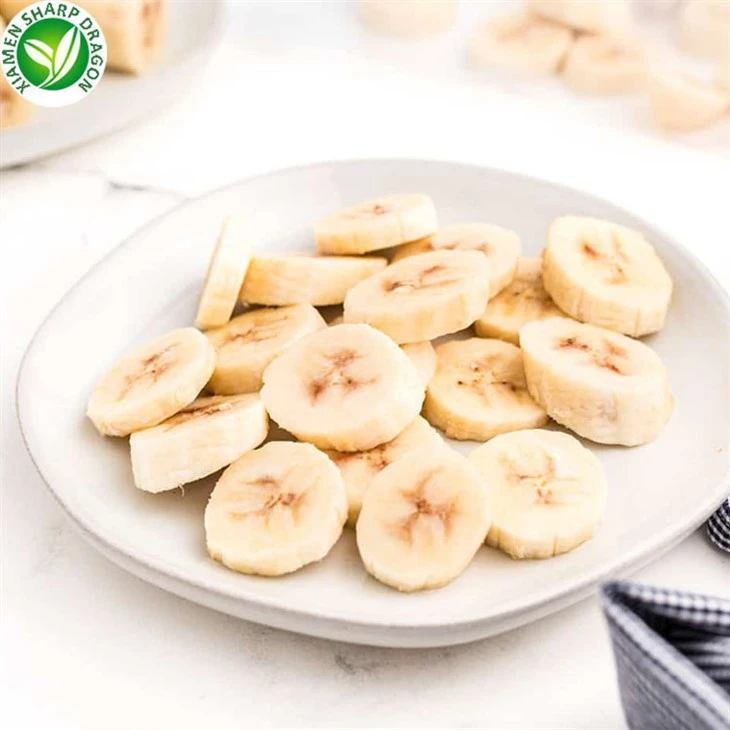
Frozen bananas are most useful in recipes where cold temperature, easy blending, or a soft texture is an advantage. Use them directly from frozen in smoothies, smoothie bowls, milkshakes, blended frozen desserts, and chocolate-dipped snacks. Thaw them when making banana bread, muffins, pancakes, sauces, fillings, or puree-based products. Slices and small chunks are easy to portion; whole peeled bananas suit recipes that will be mashed or processed; puree is the better choice when uniform dosing matters.
The important limitation is texture. Freezing forms ice crystals inside fruit tissue, so a thawed banana is normally softer and may release liquid. That makes it useful in batters and blended foods but a poor substitute for fresh banana in a fruit salad or a neat garnish. Choose the format and handling method according to the finished product, not simply according to what is available in the freezer.
The short answer: Keep frozen banana frozen when it should chill, thicken, or hold as a portioned snack. Thaw it when it needs to mash, mix evenly, or flow through a recipe. Do not expect a fully thawed banana to retain fresh-fruit firmness.

Use Frozen or Thawed? Start with the Finished Texture
There is no single handling rule for every banana recipe. A frozen piece gives a blender cold mass and body, while a thawed banana distributes more easily through batter or sauce. The best decision is based on three questions: must the finished food stay cold, must the banana remain visible, and must it mix evenly?
For cold blended applications, start with small frozen pieces and add liquid gradually. For baking or a pumpable preparation, thaw under controlled conditions and assess both the softened fruit and the released liquid. If fresh-looking pieces or a firm bite are essential, use fresh banana instead.
| Use | Frozen or thawed? | Useful format and reason |
|---|---|---|
| Smoothies and milkshakes | Frozen | Slices or small chunks for portioning and faster blending |
| Banana nice cream | Frozen | Small pieces that can be processed to a smooth, scoopable texture |
| Dipped snacks | Frozen | Whole fruit, halves, or thick pieces that can be handled on a stick |
| Bread, muffins, pancakes | Thawed and mashed | Whole fruit, chunks, or puree for even distribution |
| Sauces, fillings, beverage bases | Thawed or processed | Puree when consistent flow and dosing matter |
| Fresh fruit salad or neat garnish | Usually choose fresh | Thawed frozen banana is generally too soft for a fresh presentation |

Cold Uses: Smoothies, Nice Cream, Bowls, and Dipped Snacks
Smoothies and Milkshakes
Frozen banana can replace part of the ice in a smoothie while adding fruit solids and a thicker mouthfeel. Slices or small chunks are more predictable than a solid whole banana because they portion easily and put less sudden load on the blender. Begin with the recipe liquid already in the jar, add the frozen pieces, then adjust the remaining liquid after the first blend. Adding all the liquid at once can make the drink thinner than intended.
The banana ratio should be tested with the other ingredients. A ripe banana may dominate delicate fruit flavors, while acidic berries, cocoa, coffee, nut butter, yogurt, or plant-based drinks can create a more balanced profile. For a foodservice operation, pre-portioned pieces reduce measuring variation between staff and shifts.
One-Ingredient Banana Nice Cream
Banana nice cream works because frozen banana softens into a smooth mass as it is processed. It is simple, but the sequence matters:
- Freeze peeled banana in small, separated pieces.
- Pulse the pieces in a food processor or capable blender, stopping to scrape the bowl as needed.
- Continue processing until the mixture changes from crumbly to smooth. Add only a small amount of liquid if the equipment cannot keep it moving.
- Serve immediately for a soft texture, or return it briefly to the freezer for a firmer scoop.
Cocoa, berries, spices, or nut butter can be added after the banana begins to smooth out. Large hard pieces, too little motor power, or too much liquid are the common reasons the result is uneven or runny.
Smoothie Bowls, Yogurt, Oatmeal, and Dipped Treats
Frozen slices can sit on a smoothie bowl or chilled yogurt when a cold, firm-at-first topping is welcome. They soften quickly, however, so assemble close to service rather than expecting them to hold like fresh banana. On hot oatmeal, thawed or partly thawed pieces are easier to eat and can be stirred through the cereal.
For dipped treats, use a whole peeled banana, half, or thick piece on a stick. Freeze the fruit until firm, apply chocolate or another coating, and return it to cold storage until service. Thin slices are harder to handle and warm more rapidly. This is a dessert application, so any coating and toppings should be considered part of the final formulation rather than attributes of plain frozen banana.

Warm and Processed Uses: Baking, Sauces, Fillings, and Dairy
Banana Bread, Muffins, Pancakes, and Waffles
For batter, thaw the banana and mash or blend it before mixing. The fruit may release liquid during thawing; treat that liquid as part of the banana ingredient until the recipe trial shows otherwise. Discarding it automatically can change yield and flavor, while adding extra recipe liquid without adjustment can loosen the batter. Check batter consistency, bake time, rise, crumb, and color after substitution.
Whole peeled fruit is acceptable when everything will be mashed. Slices and chunks shorten thawing and preparation time. Puree is often the most repeatable format for larger production because it can be weighed and dispersed evenly, provided its consistency matches the formula.
Sauces, Fillings, Purees, and Dairy Products
Soft thawed banana is suitable for dessert sauce, bakery filling, fruit preparation, beverage base, yogurt system, or frozen dairy dessert when the process includes blending or homogenizing. The choice between pieces and puree depends on whether the final product should show banana identity or deliver a uniform flavor and texture. A visible inclusion calls for a defined cut and defect tolerance; a smooth system calls for consistent puree flow and mixing behavior.
Commercial developers should trial banana in the complete formula, not in water alone. Acidity, sugar, fat, proteins, heat, shear, and holding time can all alter the way color, flavor, and texture are perceived. A sample that looks acceptable immediately after thawing may perform differently after pasteurization, baking, fermentation, or frozen storage in the finished product.

What Freezing Changes - and Where Frozen Banana Is a Poor Fit
Ice crystals can rupture fruit cell walls. When the ice melts, the structure cannot fully return to its fresh condition, so thawed banana becomes softer and may weep. Freezing rate, piece size, temperature stability, packaging, ripeness, and storage history influence the result. A softer texture is expected, but severe clumping, heavy surface ice, damaged packaging, or uncontrolled darkening should trigger a closer review.
This is why frozen banana is a poor first choice for fruit salads, decorative cake slices, or any product sold on a crisp fresh-bite promise. It can still work in a bowl topping if served partly frozen and eaten promptly, but that is a different eating experience from fresh fruit.
Freezing also does not sterilize food. If the banana will go directly into a drink or dessert without a later kill step, confirm that its intended-use status and microbiological specification fit that use. Keep it under the labeled frozen conditions, minimize temperature fluctuations, and thaw in the refrigerator when it is not going directly into blending or cooking.
Practical limit: If appearance and firmness are the main selling points, use fresh banana. If the fruit will be blended, mashed, coated while frozen, baked, or incorporated into another product, frozen banana is usually the more natural fit.

How B2B Buyers Should Match Frozen Banana to an Application
1. Test Format Against Equipment and Portion Control
Start with the line, not a generic product name. A smoothie bar may need free-flowing slices that fit scoops and blender cycles. A bakery may accept whole fruit or chunks because it will mash them. A dosing system may require puree with a defined consistency. Run the sample through the real scoop, hopper, blender, mixer, or pump. Pieces that bridge a feeder, arrive in a solid block, or require manual cutting are operational risk signals even if the fruit itself looks sound.
2. Define Ripeness, Color, and Thaw Performance
Ripeness affects sweetness, flavor, firmness, and color. Agree on a target and evaluate samples under a written method: frozen appearance on opening, piece separation, color after a defined thaw time and temperature, liquid release, and performance in the actual recipe. Accept or reject against that method rather than comparing two samples on different days under different conditions.
3. Match Packaging and Cold-Chain Evidence to the Channel
A retail pack needs a useful portion size, clear label, reliable seal, and reasonable piece separation after repeated opening. Foodservice and industrial packs may prioritize efficient case handling, liner strength, lot identification, and compatibility with batch sizes. At receipt, review seal integrity, case condition, lot marks, product temperature records, surface ice, and clumping. One of these signals alone does not explain the cause, but together they show whether a more detailed cold-chain investigation is needed.
XMSD currently presents sliced, chunk, and customizable IQF formats on our frozen banana product page. For a broader overview, see our frozen banana sourcing guide. Buyers defining pack construction or channel needs can also review our frozen packaging approach and application solutions.

XMSD sourcing note: Tell us whether the banana will be blended, mashed, baked, coated, dosed as puree, or used as a visible inclusion. Add the preferred cut, pack size, destination market, and sample acceptance method so the discussion begins with the application.
Final Thoughts from XMSD
Frozen bananas can be used for far more than smoothies: they fit blended desserts, milkshakes, dipped snacks, baking, sauces, fillings, dairy products, and commercial fruit preparations. The deciding rule is simple. Keep the fruit frozen when cold thickness or a firm-at-first piece is useful; thaw or puree it when even mixing matters. For procurement, convert that rule into a sample trial with a defined format, handling method, recipe, and acceptance standard.
References
- University of Minnesota Extension: Preserving Food at Home - Freezing
- University of Georgia Extension: Banana Nice Cream
- USDA Food Safety and Inspection Service: Freezing and Food Safety
- Journal of Food Science: Recent Developments in Freezing of Fruits and Vegetables
- XMSD operational experience in frozen-food sourcing, IQF processing, quality control, packaging, and B2B export coordination.