


Can Eating Too Many Carrots Cause Side Effects?
Jan 18, 2019

For most people, carrots are a normal vegetable rather than a high-risk food. The clearest effect of eating unusually large amounts for weeks is carotenemia, a yellow-orange change in skin color caused by carotenoid accumulation. Diet-related carotenemia is generally benign and reversible. A rapid increase in fiber can also produce gas, bloating, or a change in bowel habits in some people, while raw carrot can trigger pollen-food allergy symptoms in susceptible individuals.
These issues need proportion, not alarm. One carrot in a varied meal is different from repeatedly drinking concentrated carrot juice, replacing several foods with carrot puree, or taking a high-dose beta-carotene supplement. Carrots provide provitamin A carotenoids; they are not the same as preformed vitamin A supplements, and the safety limits for those forms should not be transferred to ordinary carrot portions.
If you are judging a retail product, foodservice menu, or prepared-food formula, look at the amount per serving, the physical form, the complete ingredient list, and the way the product will actually be eaten. That approach gives a more reliable answer than labeling carrots simply 鈥渟afe鈥?or 鈥渦nsafe.鈥?/p>
The short answer: Ordinary food portions are usually well tolerated. Eating a very carotene-rich diet for several weeks can turn the skin yellow-orange; a sudden fiber increase can cause digestive discomfort; and raw carrots can cause oral allergy symptoms in people with pollen-food syndrome. Persistent yellow skin, yellow eyes, swelling, breathing difficulty, or severe digestive symptoms deserve professional evaluation rather than a self-diagnosis.

What Counts as a Carrot Side Effect?
A side effect is not the same as a normal digestive response, an allergy, food contamination, or a symptom caused by an unrelated condition. Keeping these categories separate prevents two common errors: treating every uncomfortable sensation as a carrot reaction, and dismissing a real allergy because carrots are generally nutritious.
The normal food effect starts with composition. Carrots contain carotenoids that the body can convert into vitamin A, and whole carrot tissue contributes dietary fiber. Vitamin A supports normal vision, immune function, reproduction, growth, and development, but that physiological role does not mean extra carrots continually improve those functions. Once the body鈥檚 needs and the rest of the diet are considered, 鈥渕ore鈥?is not automatically more useful.
Preparation changes exposure. A plate containing several carrot pieces requires chewing and shares space with other foods. Puree can be eaten faster, juice removes much of the intact food structure, and a supplement can deliver a concentrated ingredient without the volume of the vegetable. We therefore compare food form and serving pattern before drawing a health conclusion.
For commercial foods, the final dish matters more than the ingredient鈥檚 reputation. A plain frozen carrot side dish, a sweetened carrot beverage, a creamy carrot soup, and a fried vegetable snack have different energy density, sodium, fat, texture, and portion behavior. The word 鈥渃arrot鈥?alone cannot describe the effect of all four.
The Most Visible Effect: Carotenemia
Carotenemia is the yellow-orange discoloration associated with elevated carotene in the blood and deposition in the outer skin. DermNet notes that it often appears first around the nose, palms, and soles. The whites of the eyes are usually spared. That distinction is useful, but it is not a home diagnostic test: yellow eyes can indicate jaundice, and unexplained or persistent discoloration should be assessed by a healthcare professional.
Diet-related carotenemia usually reflects a repeated pattern rather than one large carrot meal. Carrots are not the only possible source. Pumpkin, sweet potato, mango, papaya, and even some green vegetables contain carotenoids. Supplements can also contribute. If your entire eating pattern is rich in several of these foods, counting carrots alone will underestimate total exposure.

Published clinical education gives useful orientation, not a universal dose. Cleveland Clinic cites roughly 20 to 50 milligrams of beta-carotene per day for several weeks as an amount that may raise levels enough to change skin color, and estimates about 4 milligrams in one medium carrot. StatPearls describes prolonged intake above 30 milligrams per day as a possible route to carotenemia. Variety, size, preparation, absorption, other foods, supplements, and individual metabolism can all move the result.
Worked example: Using the Cleveland Clinic estimates only as an illustration, five medium carrots would provide about 5 脳 4 mg = 20 mg of beta-carotene, while ten would provide about 10 脳 4 mg = 40 mg. Repeating that pattern daily for weeks falls within the cited orientation range. The practical action is not to calculate a medical limit from carrot count; it is to recognize an unusually repetitive intake pattern, include all carotene-rich foods and supplements, restore dietary variety, and seek assessment if discoloration persists.
Diet-related carotenemia is generally described as benign and may fade over weeks or months after carotene intake is reduced. A sudden crash diet is unnecessary. A varied diet that rotates vegetables is more sensible than excluding every orange or green food. If the color change occurs without an obvious high-carotene pattern, a clinician may need to consider other causes rather than assuming carrots are responsible.
Safety note: Carotenemia usually does not color the whites of the eyes. Yellow eyes, dark urine, severe fatigue, unexplained weight loss, or persistent color change should not be managed by changing vegetables alone; obtain medical advice so jaundice or another condition is not missed.
Digestive Discomfort Is Usually About Amount and Form
Carrots contribute fiber, but fiber tolerance is not identical for everyone. The National Institute of Diabetes and Digestive and Kidney Diseases advises adding fiber gradually and notes that some people experience more gas symptoms when they consume too much fiber. That does not make carrots inherently hard to digest. It means the change from your usual intake, the total meal, fluid intake, chewing, and an existing digestive condition can alter the response.
Raw carrot pieces are firm and require more chewing. Cooking softens the tissue, while pureeing reduces particle size. A person who feels uncomfortable after a large raw-carrot salad may tolerate a smaller portion of cooked carrots. The useful test changes one variable at a time: reduce the portion, cook the carrots, slow the eating pace, and compare the result without simultaneously changing five other foods.

The rest of the dish can be the stronger cause. A creamy soup may contain substantial fat; a sweetened beverage may deliver a large carbohydrate load quickly; a restaurant side may include butter, salt, or sauce. If symptoms follow a prepared product, read the whole ingredient list and serving size before blaming the carrot component.
Persistent abdominal pain, repeated vomiting, blood in the stool, unexpected weight loss, or a sudden lasting change in bowel habits is not a routine 鈥渇iber adjustment.鈥?Those signs require appropriate medical evaluation. General food guidance cannot diagnose irritable bowel syndrome, inflammatory bowel disease, allergy, or another condition.
Carrot Allergy and Pollen-Food Syndrome
Carrot allergy is uncommon in the general discussion of vegetables, but it is real. The American Academy of Allergy, Asthma & Immunology lists carrot among foods that can cross-react with birch pollen. Pollen-food allergy syndrome often causes itching or tingling of the lips, mouth, tongue, or throat after raw plant foods. That pattern differs from gas or orange skin and deserves separate handling.
Cooking can denature some pollen-related proteins, and AAAAI guidance notes that many people with mild oral symptoms tolerate cooked forms better. Tolerance must not be assumed after a serious reaction. If a person has throat swelling, breathing difficulty, widespread hives, faintness, or symptoms beyond the mouth, emergency treatment and allergy evaluation take priority over testing another preparation at home.

If you manufacture or serve carrot products, do not turn this distinction into an unsupported 鈥渁llergy-safe when cooked鈥?claim. Use a validated allergen-control program, accurate ingredient declarations, cross-contact controls, and the labeling rules of the destination market. An individual鈥檚 tolerance to cooked carrot is a clinical matter, not a product specification.
Carrots Are Not the Same as High-Dose Vitamin A or Beta-Carotene Supplements
This distinction corrects one of the most persistent carrot myths. Carrots provide provitamin A carotenoids. The body converts some of them into vitamin A. Preformed vitamin A from certain foods, medicines, or supplements is a different exposure, and excessive preformed vitamin A can be harmful. The NIH Office of Dietary Supplements states that high beta-carotene intake does not cause the same problems as excess preformed vitamin A, although it can turn the skin yellow-orange.
High-dose beta-carotene supplements also cannot borrow the healthy reputation of carrots. NIH reports that smokers, former smokers, and people exposed to asbestos had increased lung-cancer risk and mortality in studies of high-dose beta-carotene supplements. That evidence concerns supplements and specific populations; it is not a reason to warn everyone away from normal carrot dishes.
If you need to decide whether a carrot product 鈥渃ontains too much vitamin A,鈥?first identify the basis. A nutrition label may express vitamin A as retinol activity equivalents or a percentage daily value, while an ingredient specification may report beta-carotene in another unit. Do not compare the numbers until the units, food form, serving size, and analytical basis match.
Whole, Cooked, Juiced, and Frozen Carrots Are Different Decisions
| Carrot form | What changes | Best judgment |
|---|---|---|
| Raw whole or cut | Firm texture, more chewing, raw allergen exposure | Assess portion, chewing tolerance, and any immediate oral symptoms |
| Cooked pieces or puree | Softer structure; puree is eaten faster and may concentrate one vegetable in a serving | Judge the actual recipe amount and complete meal |
| Juice or concentrate | Less intact food structure and easier rapid intake | Check volume, concentration, added ingredients, and frequency |
| Plain frozen cuts | Convenient portioning and softer cooked texture; freezing does not remove carotenoids or allergy risk by definition | Match cut, cooking method, serving amount, and end use |
Frozen carrots do not create a new medical side effect merely because they are frozen. The meaningful changes are processing history, texture, preparation, and the composition of the final dish. Plain IQF pieces are different from a seasoned frozen side, a breaded product, or a ready meal. Read the ingredient list and nutrition information for the actual product rather than transferring a claim from plain carrots.
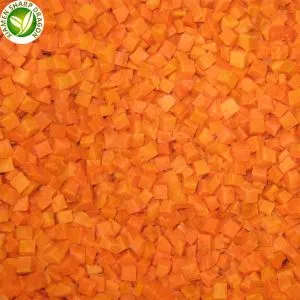
Cut style affects application more than health risk. Dice remain visible in soup and ready meals; slices work as a side-dish component; strips or shreds integrate quickly into fillings and sauces. Our current IQF frozen carrot formats show the practical range. If texture after thawing is the main concern, the related guide to freezing shredded carrots explains why cooked applications tolerate structural change better than raw salad use.
Special Situations Need a Narrower Answer
Young children and repetitive orange-food patterns
Young children can develop carotenemia when a narrow diet repeatedly uses carotene-rich purees. The lesson is dietary variety, not fear of carrots. Age-appropriate texture, choking prevention, allergy history, growth, and the total feeding pattern need individualized pediatric guidance. An orange nose or palms should be discussed with a healthcare professional, especially if the diet does not obviously explain the change.
Restricted diets and heavy supplement use
A highly restricted diet can repeat the same few fruits and vegetables many times a day. Carotenemia may then reflect the overall pattern rather than one product. Supplements make the calculation harder because the label dose may be much more concentrated than food. Record the products, serving amounts, and frequency before speaking with a clinician or dietitian.
Existing digestive or metabolic conditions
People with a diagnosed digestive condition may tolerate raw, cooked, or pureed vegetables differently. Medical conditions can also alter carotene metabolism. A general article cannot set a personal portion in those situations. The useful next step is to bring a clear record of food form, amount, timing, symptoms, and supplements to the professional managing the condition.

How We Translate the Evidence into a Commercial Specification
A B2B specification cannot promise that no consumer will ever experience a reaction. Its job is to define the product accurately, control foreseeable hazards, and make the intended serving and preparation clear. For a plain carrot ingredient, we start with identity, cut, size range, blanching status, color, texture, defect limits, free-flowing condition, packing, storage, and intended cook step. Health claims and allergen communication require a separate regulatory review for the destination market.
For a retail pack, start with exposure per serving. A pouch may contain plain carrots, a vegetable blend, or a seasoned dish. Review the serving weight and recipe ratio before deciding what nutrition message is proportionate. Avoid implying that one serving treats vision problems, detoxifies the body, or prevents disease. Those claims exceed what carrot composition establishes.
For foodservice and ready meals, judge application behavior next. A 10 mm dice that remains visible after reheating creates a different eating rate and texture from a smooth puree. Test the final recipe, not a bowl of the ingredient alone. Our broader frozen food application solutions can help map cut form to retail, foodservice, or industrial use without turning that choice into a medical claim.
For import and quality control, separate quality from health effects. Frost, clumping, breakage, color variation, and soft texture may indicate a product or cold-chain issue, but they are not evidence of carotenemia or allergy. Conversely, a visually perfect carrot can still trigger pollen-food syndrome in a susceptible person. Set quality acceptance against the agreed specification, and handle consumer health complaints through the appropriate medical and regulatory process.
Practical example: Consider a hypothetical ready-meal line producing 12,000 portions, each with 70 g of plain carrot dice. The batch needs 12,000 脳 70 g = 840,000 g, or 840 kg, before process loss and sampling allowance. Test the complete 70 g serving after reheating, then define the cut, pack, and batch quantity for purchasing. The action is to separate recipe exposure from purchasing weight: use the serving test for consumer communication and the 840 kg calculation for supply planning.
Packaging should protect the agreed product state and match the amount opened per production cycle. Review bag weight, moisture protection, carton strength, date coding, and storage instructions through the frozen packaging options. For regulated documents, verify the certificate holder, facility scope, product scope, and validity rather than relying on a logo; the current certification page is the starting point for that review.

A Practical Decision Method
First, identify the event. Orange skin, immediate mouth itching, delayed bloating, and a cold-chain quality complaint are four different problems. Give the event a precise description before choosing an action.
Second, quantify the exposure. Record the carrot form, serving amount, frequency, duration, other carotene-rich foods, supplements, and complete recipe. For a business complaint, add lot code, preparation method, storage history, and the number of affected portions.
Third, match the response to severity. A mild change after a sudden fiber increase may justify a smaller cooked portion and gradual reintroduction. Repeated yellow-orange skin merits medical advice, particularly when the cause is uncertain. Immediate swelling, breathing difficulty, faintness, or a rapidly progressing allergic reaction requires emergency care.
Fourth, correct the product decision. If the issue is texture, change the cut or application. If the serving is excessively repetitive, redesign the recipe around vegetable variety. If documentation is incomplete, resolve the certificate or label gap before release. If symptoms indicate allergy or illness, do not substitute a production adjustment for medical evaluation.
Common Questions
Can I eat carrots every day?
Many people can include carrots regularly, but daily intake should still sit inside a varied eating pattern. Rotate vegetable colors and forms instead of using a large carrot portion to replace several foods. Personal allergy, digestive tolerance, and medical guidance can change that answer.
How long does orange skin from carrots last?
Clinical sources describe gradual fading over weeks or months after excessive carotene intake is reduced. The time varies because carotenoids accumulate in tissue. Persistent discoloration or yellowing of the eyes needs professional assessment rather than waiting indefinitely.
Does cooking remove carrot allergy risk?
Cooking reduces some pollen-related proteins, and many people with mild pollen-food syndrome tolerate cooked forms better. It does not guarantee safety for everyone. Anyone with a serious or systemic reaction needs an allergist鈥檚 guidance before testing another form.
Are frozen carrots more likely to cause side effects?
Not simply because they are frozen. Portion, recipe, processing, cooking, individual tolerance, and allergy history matter more. A plain frozen cut should be evaluated as a carrot ingredient; a seasoned ready meal should be evaluated as the complete product.
Is carrot juice the same as eating whole carrots?
No. Juice has less intact food structure and can make a larger carrot quantity easier to consume quickly. Check the actual volume, concentration, added ingredients, and frequency rather than translating a whole-carrot portion directly to juice.
The Bottom Line
Carrots are usually a well-tolerated vegetable, but no food is consequence-free at every amount and for every person. The most defensible side-effect answer is specific: prolonged high carotene intake can cause reversible yellow-orange skin; a sharp fiber increase can cause digestive discomfort; and raw carrot can trigger pollen-food allergy symptoms in susceptible individuals.
Use portion, frequency, food form, complete recipe, symptom pattern, and individual history to judge the situation. Keep ordinary food separate from concentrated supplements, and keep product quality separate from medical effects. That framework supports better household choices and more responsible product specifications without exaggerating either benefits or risks.
XMSD sourcing note: If you need frozen carrots for retail, foodservice, or prepared-food production, we can review the intended serving, cut style, blanching status, packing format, cooking use, and destination-market document needs before quotation.