


Benefits of Eating Carrots: Evidence Guide
Jan 18, 2019

Carrots are useful less because of a single dramatic effect and more because they combine provitamin A carotenoids, dietary fiber, and everyday versatility in one familiar vegetable. The strongest case for eating them is nutritional: carrots can contribute to normal vitamin A status, add fiber to the diet, and help people eat a wider variety of vegetables.
The short answer: Eating carrots can support a balanced diet by supplying beta-carotene that the body can convert to vitamin A, along with fiber and other nutrients. Carrots do not, by themselves, prevent cancer, cure constipation, treat diabetes, lower blood pressure, or stop colds.

What Carrots Reliably Contribute
Orange carrots are a food source of provitamin A carotenoids, especially beta-carotene. The body can convert some beta-carotene into vitamin A. According to the NIH Office of Dietary Supplements, vitamin A is needed for normal vision, immune function, reproduction, growth, and development. That supports a precise claim: carrots can contribute to vitamin A intake. It does not mean that extra carrots will sharpen normal eyesight or make a person resistant to infection.
Fiber and digestive regularity
Carrots also contribute dietary fiber. The National Institute of Diabetes and Digestive and Kidney Diseases lists carrots among fiber-containing vegetables and explains that fiber works best with enough fluid. One serving of carrots is only part of total daily fiber intake, so a carrot cannot guarantee relief from constipation.

The Benefits, Stated in Realistic Terms
It helps to separate a nutrient's normal role from a promise that one food will prevent disease. The most defensible benefits of carrots are contributions to nutrient intake, digestive fiber, and vegetable variety.
Start with the condition that changes the answer. If vitamin A intake is inadequate, a provitamin A food may help address that dietary gap; if intake and vision are already normal, additional carrots do not act like stronger glasses. If a person needs more fiber, carrots can contribute, but the result still depends on total fiber, fluids, movement, medicines and any underlying condition. A useful claim names the nutritional contribution and leaves those limits visible.
Then choose an action that a reader can repeat. Include carrots in a varied pattern, use a preparation that fits the meal, and compare forms by what is actually added. Plain frozen carrot pieces and raw carrots can both contribute vegetables; a sweetened juice drink, buttery glaze or heavily salted prepared dish needs its complete recipe considered. This approach gives carrots proper credit without asking one ingredient to explain the health effect of an entire diet.
| Dietary role | What supports it | Important limit |
|---|---|---|
| Normal vision | Beta-carotene can be converted to vitamin A, which is required for normal vision. | Carrots do not correct every cause of poor eyesight. |
| Digestive regularity | Carrots add fiber to an eating pattern that also needs adequate fluid. | Response depends on total diet, portion, hydration, and individual tolerance. |
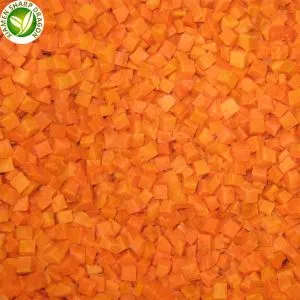
| Vegetable variety | Carrots are a red-and-orange vegetable that can be used raw, cooked, or frozen. | A varied diet is more useful than relying on one vegetable every day. |
Vitamin A also has a normal role in immune function, but that is not the same as saying carrots 鈥渂oost immunity鈥?or prevent colds. Likewise, carrots contain potassium and folate, but their presence does not prove that carrots alone lower cholesterol, blood pressure, or coronary-disease risk.
Raw, Cooked, Frozen, or Juiced?
Raw carrots offer crunch and an intact food structure. Cooking softens the texture, and preparation can change how carotenoids are released from plant tissue. A small human study indexed in PubMed found substantially greater beta-carotene bioavailability from stir-fried carrots than from raw carrots under the study conditions. This does not make one method universally superior; cooking method, meal composition, portion, and individual absorption all matter.
Fresh versus frozen: USDA MyPlate counts fresh, frozen, canned, dried, raw, and cooked vegetables within the Vegetable Group. A plain frozen carrot is therefore a practical vegetable choice. Sauces, added sugar, salt, or fat belong to the finished dish and should be evaluated separately.
Freezing improves convenience and usable storage, but it should not be described as preserving every nutrient perfectly. Nutrient retention can vary with raw material, blanching, processing, storage, and later cooking. Carrot juice can provide carotenoids, but it is not equivalent to eating whole pieces: juicing changes the food structure and can make it easier to consume a larger amount quickly.

How to Include Carrots Without Overthinking It
Choose the form that fits the meal. Raw sticks and grated carrots work in snacks and salads. Slices, dice, and strips work in soups, stir-fries, stews, grain dishes, vegetable blends, and ready meals. A modest amount of oil in a mixed meal may also help with the absorption of fat-soluble carotenoids, although the complete meal matters more than a rigid carrot recipe.
USDA MyPlate uses two medium carrots or one cup of sliced, chopped, cooked, or frozen carrots as examples of one cup from the Vegetable Group. This is a food-group example, not a prescription for every person. Appropriate intake depends on age, energy needs, the rest of the diet, and any advice given for a medical condition.
If a larger fiber intake causes bloating, increase fiber-rich foods gradually and include adequate fluids. People managing diabetes do not need to treat plain carrots as a forbidden food: the American Diabetes Association includes carrots among non-starchy vegetables and advises choosing forms without added sodium, fat, or sugar.

Worked Example 1: Translate Beta-Carotene into a Useful Vitamin A Number
Worked example: The NIH vitamin A fact sheet lists one-half cup of raw carrots at 459 micrograms RAE of vitamin A, or 51% of the Daily Value. RAE means retinol activity equivalents, the unit used to account for differences among vitamin A sources.
The arithmetic uses the adult Daily Value of 900 micrograms RAE: 459 梅 900 脳 100 = 51%. That is a meaningful contribution from the stated portion, not evidence that carrots improve every person's eyesight by 51%.
The number also does not transfer automatically to every carrot dish. Variety, growing conditions, portion weight, processing and analytical basis can change the value. A branded product label or destination-market nutrition calculation belongs to its specific formula.
Use the figure to answer the right question: carrots can make a substantial contribution to vitamin A intake. Do not turn it into a promise about night vision, immunity or disease prevention.
Why Cooking Can Help Carotenoid Use Without Making Raw Carrots Inferior
Beta-carotene sits within plant tissue. Cutting, heating and chewing can help release it, while dietary fat supports absorption of this fat-soluble compound. That explains why a cooked carrot served with a mixed meal can produce greater carotenoid availability than an equal raw portion under some study conditions. It does not erase the value of raw carrots, which offer crunch, convenience and an intact food structure.
Choose by application and the complete diet. Raw sticks may help someone replace a less useful snack; grated carrot may increase vegetable variety in a salad; cooked dice may make a soup or ready meal easier to eat consistently. Excessive heat, long holding and large amounts of added fat can change the overall result. We would therefore compare realistic meals, not declare one preparation method universally best.
For a commercial nutrition claim, use product-specific data and the rules of the destination market. A research paper about bioavailability can explain mechanism, but it cannot replace an approved nutrient analysis, recipe calculation or compliant label. Your claim needs the measured food, serving basis and permitted wording to point in the same direction.
Practical Example 2: Size a Carrot Portion for a Meal Program
Practical example: A meal producer plans 1,000 trays with 80 g of cooked carrot pieces in each tray. Net carrot needed at filling = 1,000 脳 80 g = 80 kg.
Suppose the producer's own validated cooking trial shows a hypothetical 7% loss between frozen input and filled carrot weight. Required input = 80 kg 梅 0.93 = 86.02 kg. The 7% is an example, not an XMSD guarantee; the real loss depends on cut, blanching history, cook time, drainage and line handling.
The 80 g portion is a formulation choice, not a universal dietary prescription. It tells procurement how much approved material to plan and tells nutrition review which cooked portion belongs in the recipe calculation. If the cut or process changes, repeat the yield test before carrying the same input factor forward.
This is where nutrition and production meet: the serving claim uses the food that reaches the tray, while purchasing uses the input needed to produce that serving consistently.
Three Checks Before You Repeat a Carrot Health Claim
Check the outcome. 鈥淐ontributes vitamin A鈥?describes nutrient intake. 鈥淪upports normal vision鈥?describes an established function of vitamin A. 鈥淚mproves eyesight鈥?suggests a result that depends on a person's baseline status and cause of impairment. Those statements are not interchangeable, even when all three mention carrots.
Check the food form and amount. Whole pieces, juice, an extract and a high-dose supplement expose people differently. A study of one form cannot be pasted onto another. Record grams, preparation and the rest of the meal when a numeric comparison matters.
Check the source and limit. Prefer a current government nutrient reference, primary study or systematic review that answers the actual claim. Then state the deciding exception: normal vision is not the same as correcting an eye disorder; dietary fiber does not guarantee relief from persistent constipation; and food beta-carotene is not a license to promote concentrated supplements. This discipline keeps a useful vegetable from being marketed like medicine.
Claims That Need More Caution
Carrots are not a treatment for cancer, diabetes, high cholesterol, hypertension, coronary heart disease, or infection. Research on dietary patterns and health cannot be reduced to 鈥渃arrots prevent disease.鈥?The NIH also distinguishes beta-carotene from foods from high-dose beta-carotene supplements; supplement findings should not be used to market a carrot product.
Useful limit: Very high beta-carotene intake can cause a yellow-orange skin color. NIH describes this as harmless and reversible when intake is reduced. It is different from vitamin A toxicity caused by excessive preformed vitamin A, usually from supplements or certain medicines.
Food tolerance is individual. Anyone with persistent digestive symptoms, a suspected food allergy, or a condition requiring personalized nutrient or carbohydrate management should use qualified medical or dietetic advice rather than treating a general article as a personal meal plan.

How to Check a Frozen-Carrot Specification
For foodservice or processing, the nutritional story is only one part of product selection. Match the cut to your application: dice distribute evenly in soups and ready meals, slices create a more visible vegetable piece, strips suit stir-fries and blends, and crinkle cuts add surface texture and visual definition.
At XMSD, we recommend confirming cut dimensions, blanching level, color, defect tolerance, free-flowing condition, packing format, destination-market requirements, and the cooking result in your own application. Our current IQF frozen carrot page shows available formats and common applications. You can also review the supplied bulk carrot product listing.
Application tests matter because a cut that works in soup may not be ideal for a short stir-fry or a retail vegetable mix. If you plan multiple channels, compare our frozen food solutions, review relevant certification information, and discuss bag weight, carton format and private-label needs using the frozen packaging overview.

XMSD sourcing note: Tell us the target cut, application, packing format, and destination market. We can then discuss an appropriate specification, sample review, and quotation without making unsupported nutrition promises.
Frequently Asked Questions
1. What are the main benefits of eating carrots?
The clearest benefits are that carrots contribute provitamin A carotenoids, fiber, and vegetable variety. These nutrients support normal body functions as part of the whole diet; they do not turn carrots into a medicine.
2. Do carrots improve eyesight?
Carrots can help supply beta-carotene for vitamin A, and vitamin A is required for normal vision. Eating more carrots will not necessarily improve already-normal eyesight or correct eye problems caused by something other than vitamin A deficiency.
3. Can I eat carrots every day?
Most people can include carrots regularly, but dietary variety still matters. Rotate carrots with leafy greens, legumes, cruciferous vegetables, and other colors rather than relying on one vegetable for every nutritional need.
4. Do carrots relieve constipation?
Carrots add fiber, which can support regularity when total fiber and fluid intake are adequate. They do not guarantee relief, and suddenly increasing fiber may cause discomfort for some people. Persistent constipation needs individual assessment.
5. Can people with diabetes eat carrots?
The American Diabetes Association lists carrots among non-starchy vegetables. Portion, the complete meal, and added ingredients still matter. A plain carrot is different from sweetened carrot juice, glazed carrots, or a prepared dish with added sugar.
6. Are raw carrots better than cooked carrots?
Neither is always better. Raw carrots provide a crisp, intact food structure, while cooking softens them and can improve carotenoid bioavailability under some conditions. Choose both forms according to tolerance, preference, and the meal.
7. Are frozen carrots as useful as fresh carrots?
Plain frozen carrots count as vegetables and are useful when convenience, consistent cuts, or longer storage is important. Fresh and frozen products may differ in texture and in some nutrient levels because processing and storage conditions vary.
8. Does freezing destroy the beta-carotene in carrots?
It is inaccurate to say that freezing destroys all beta-carotene or preserves every nutrient. The result depends on raw material, blanching, processing, frozen storage, and cooking. Evaluate the product form and finished dish rather than using an absolute claim.
9. Is carrot juice the same as eating whole carrots?
No. Juice changes the food structure and may contain less intact fiber than whole pieces, depending on the method. It can also be consumed more quickly, so portion and any added ingredients deserve attention.
10. How many carrots count as a cup of vegetables?
USDA MyPlate gives two medium carrots or one cup of sliced, chopped, cooked, or frozen carrots as examples of one cup from the Vegetable Group. Individual daily vegetable needs vary, so use the example as orientation rather than a personal prescription.
11. Can eating many carrots turn skin orange?
Very high beta-carotene intake can produce a yellow-orange skin color called carotenemia. NIH describes it as harmless and reversible when intake is reduced. A new or unexplained skin-color change should still be assessed rather than self-diagnosed.
12. Do carrots prevent cancer or heart disease?
No single food can be presented as preventing cancer or heart disease. Carrots can be part of a healthy dietary pattern, but associations involving vegetable intake do not prove that carrots alone cause a specific disease outcome.
13. Should carrots be peeled before eating or cooking?
Peeling is largely a texture and preparation choice. Wash carrots thoroughly, trim damaged areas, and follow the product's handling directions. For a processed frozen product, use the supplier's cooking and storage instructions.
14. Which frozen carrot cut is best for food manufacturing?
There is no universal best cut. Dice suit even distribution, slices create visible pieces, strips fit stir-fries and blends, and crinkle cuts add texture and shape. Confirm the dimensions and test the cut in the actual process before ordering.
Final Thoughts from XMSD
Carrots earn a place in a balanced diet through beta-carotene, fiber, and practical versatility鈥攏ot through medical promises. Fresh, cooked, and frozen carrots can all be useful. For B2B sourcing, define the cut, application, quality expectations, and packing needs as carefully as the nutritional message.
References
- NIH Office of Dietary Supplements: Vitamin A and Carotenoids
- NIDDK: Eating, Diet, and Nutrition for Constipation
- USDA MyPlate: Vegetable Group
- American Diabetes Association: Non-Starchy Vegetables
- Ghavami, Coward, and Bluck: Effect of Food Preparation on Carotenoid Bioavailability from Carrots
- XMSD IQF Frozen Carrot Product and Application Information