


Is Papaya Good for Your Liver? Evidence, Forms, and Limits
Sep 04, 2019

Papaya can fit a liver-supportive eating pattern as a fruit, but there is no good human evidence that an ordinary serving "detoxes," repairs or regenerates the liver. The strongest practical case is modest: ripe papaya contributes fruit, fiber and micronutrients within an overall diet. It is food, not a treatment for fatty liver disease, hepatitis, cirrhosis or abnormal liver tests.
That distinction matters because search results often turn a nutrient, cell experiment or animal study into a clinical promise. Papaya research includes laboratory work and a study in obese rats, but those designs cannot show that eating papaya improves liver disease in people.[3][4] Human outcomes would require suitable trials with defined participants, products, doses, comparators and liver endpoints.
Product form changes the question. Plain fresh or frozen ripe fruit is not equivalent to juice with little fiber, sweetened papaya, concentrated leaf extract, papain capsules or a multi-herb "liver cleanse." Buyers and formulators should identify the plant part, ingredients, serving and claim before using any evidence.
The short answer: Ripe papaya is a reasonable fruit choice in a balanced diet. It has not been proved to cleanse or repair a human liver. Choose an appropriate portion and minimally sweetened form, and treat leaf extracts or supplements as separate products.

What "Good for the Liver" Can Honestly Mean
"Good for" can describe at least four different claims. It may mean papaya belongs in a healthy dietary pattern, supplies a named nutrient, changes a biomarker such as ALT, or treats a diagnosed condition. Those claims need increasingly direct evidence. A food-composition table can support the nutrient statement, but it cannot establish a treatment effect.
NIDDK guidance for metabolic dysfunction-associated steatotic liver disease emphasizes a healthy diet, portion control, healthy weight management when indicated, replacement of saturated and trans fats with unsaturated fats, more low-glycemic foods such as many fruits, vegetables and whole grains, and avoidance of foods and drinks with large amounts of simple sugars.[1] It does not identify papaya as a cure.
Therefore, a defensible consumer answer is that plain papaya can occupy a fruit slot in that wider pattern. Whether it is a suitable choice for a particular person depends on the complete diet, energy needs, health status, medicines and clinician advice. Replacing a sugar-sweetened dessert with measured fruit is a different decision from adding a large sweetened smoothie to an already adequate meal.
The original claim that papaya vitamin content is "48 times that of apple," followed by promises about liver-cell membranes, regeneration and glycogen synthesis, does not establish a real clinical benefit. The comparison lacks a nutrient, serving, data source and human endpoint. Even when a vitamin participates in normal physiology, a papaya serving does not automatically repair damaged liver tissue.

Use an Evidence Ladder, Not a Headline
At the first level, food-composition data tell us what raw papaya contains on a defined edible basis. USDA FoodData Central is useful for estimating nutrients per 100 g, although variety, ripeness and sampling create natural variation.[2] Composition supports statements such as "papaya is a fruit that contains fiber and vitamin C." It does not measure liver fat, fibrosis, inflammation or recovery.
At the second level, cell studies test mechanisms under controlled laboratory conditions. A published study of a papaya leaf fraction used HepG2 cells exposed to oxidative stress.[4] A liver-derived cell line in a dish is not a person eating papaya fruit. The plant part, preparation, concentration and exposure also differ from an ordinary serving.
At the third level, animal research can explore biology in a whole organism. One study reported changes in obese rats given fresh papaya preparation and explicitly called for human clinical investigation.[3] Animal results help generate hypotheses; they do not prove efficacy, dose or long-term safety in humans.
The decisive level for a strong clinical claim is replicated evidence in people. A credible trial would specify whether participants have MASLD, the exact papaya product and dose, the comparison group, duration, adherence and validated outcomes. Improved taste acceptance or antioxidant activity is not equivalent to reduced liver fat, fibrosis improvement or fewer clinical events.
| Evidence type | What it can answer | What it cannot prove alone |
|---|---|---|
| Composition data | Nutrients per defined edible weight | Disease prevention or liver repair |
| Cell experiment | Possible mechanism under test conditions | Effect of eating fruit in people |
| Animal study | Biological hypothesis and research direction | Human efficacy, dose or safety |
| Human clinical evidence | Defined outcomes in a stated population | Universal results outside that design |

Worked Example: Compare a Fruit Bowl with a "Liver Cleanse" Drink
Worked example: Option A is a bowl containing 150 g plain papaya cubes, 100 g plain yogurt and 15 g nuts. The papaya amount is visible, the other ingredients are known, and the bowl functions as part of breakfast. Using the USDA raw-fruit reference, the papaya portion supplies about 2.55 g fiber because 150 × 1.7 ÷ 100 = 2.55 g.[2]
Option B is a 400 mL bottled "papaya liver cleanse" with papaya juice, apple-juice concentrate, leaf extract and several herbs. The front calls it detoxifying, but it does not disclose the amount or specification of every botanical and offers no human liver endpoint. A study of papaya fruit or a leaf fraction cannot validate the finished multi-ingredient beverage.
The better-supported choice is not determined by the word papaya. Option A has a transparent food portion and ordinary meal role. Option B requires a full formula, total and added sugar review, botanical safety assessment, interaction review and claim substantiation. If a buyer cannot identify the ingredient dose or the human evidence behind a liver claim, the claim should not move to artwork.
This example does not make the bowl a medical intervention. It shows how to separate a normal food use from a concentrated, explicitly therapeutic proposition. The calculation documents dietary fiber only; it does not convert fiber grams into a predicted change in liver enzymes or liver fat.
Whole Fruit, Frozen Fruit, Juice, and Sweetened Products
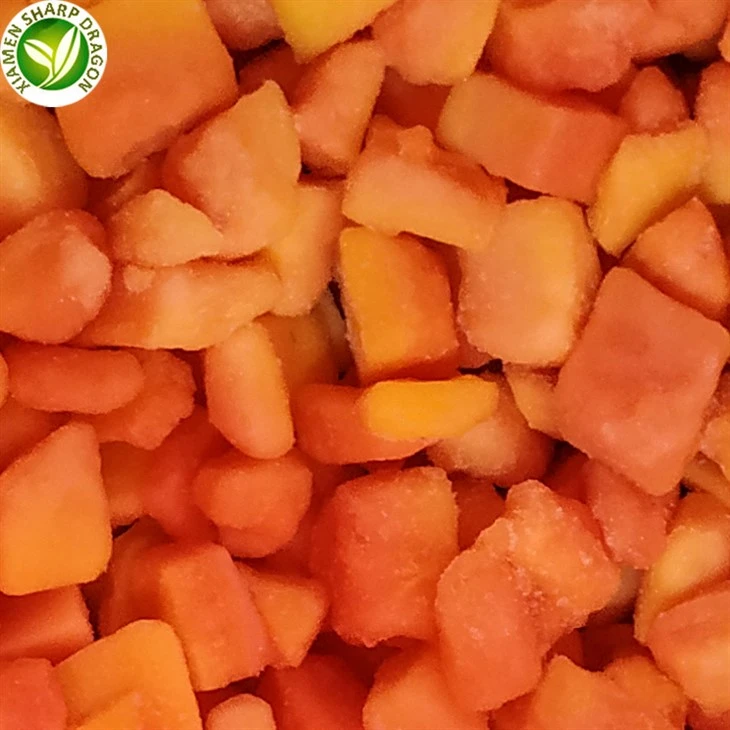
Fresh ripe papaya and plain frozen papaya preserve the edible fruit tissue. Freezing alone does not turn papaya into a medicine or add sugar. When comparing them, use the same edible weight and review ingredients. Frozen pieces with only papaya on the specification are different from pieces packed with syrup or a formulated dessert component.
Puree retains more whole-fruit material than a strained juice, but concentration, dilution and serving size determine the finished nutrition. A 250 g smoothie may deliver more fruit and total carbohydrate than a 100 g bowl even if neither contains added sugar. A juice drink can include concentrate, sweetener or water, so the product name alone does not establish composition.
Sweetened dried papaya and papaya in heavy syrup answer a different dietary question. Removing water concentrates fruit solids per 100 g, while added sucrose or syrup changes the formula. A "natural" image on the front does not cancel Added Sugars, serving size or ingredient-list information. The XMSD papaya sugar guide gives the quantitative form and serving comparison.
For foodservice, record whether the recipe weight is frozen, thawed or drained. A scoop that varies from 100 to 180 g changes fruit contribution by 80 percent. Standard utensils, recipe yield and serving instructions make nutrition and cost more reproducible than vague directions such as "add a generous amount."
Build the Meal Before You Judge the Ingredient
A liver-health question is often really a meal-design question. Start with the meal the papaya will enter. A measured fruit portion beside unsweetened yogurt, oats or nuts has a different energy, protein, fiber and added-sugar profile from papaya blended with sweetened condensed milk, syrup and ice cream. The papaya did not become harmful or therapeutic; the complete recipe changed the nutritional decision.
Portion also changes the answer. Using a 100 g composition basis makes comparison possible, but a recipe may use 80 g as a garnish, 150 g in a bowl or 300 g in a large drink. Write the actual edible grams into the recipe and assess them with the other foods. Avoid treating one database serving as a mandatory medical limit for everyone.
Substitution is more informative than addition. If 150 g plain papaya replaces a confectionery dessert, the decision removes one formula and adds another. If the same papaya is simply added after a full meal, total intake rises. A product pitch that says only "add papaya daily" hides that distinction. State what it replaces, how much is used and how often the finished item is served.
For a commercial menu, test sensory acceptance at the intended serving rather than compensating for weak fruit flavor with uncontrolled sugar. Record fruit maturity, cut, thawing loss, portion and added sweetener. If a target sweetness requires syrup, disclose and calculate it. A reliable recipe can still use sweetness; it should not market the resulting beverage as a liver remedy.
People with advanced disease may receive individualized instructions that differ from general healthy-eating advice. Sodium, fluid, protein, energy, meal timing and food safety can become clinically important depending on the condition. The appropriate action is to bring the actual product label and serving plan to the care team, not to infer a prescription from an online list of "liver foods."
Papaya Fruit Is Not Papaya Leaf or Papain
Plant part is a critical specification field. Ripe fruit flesh, unripe fruit latex, leaf, seed and purified papain are not interchangeable. Their constituent profiles, intended uses, exposures and safety questions differ. Evidence attached to a leaf fraction cannot be pasted onto an IQF fruit bag, and fruit-composition data cannot substantiate a capsule containing concentrated leaf extract.
A systematic scoping review of papaya leaf consumption found variation in products and limited human safety evidence, with important cautions around product formulation, potential interactions and use in people with liver impairment.[5] That literature does not justify casual long-term use of any leaf product for "liver cleansing."
FDA and NCCIH also warn that dietary supplements differ from conventional foods, may have strong biological effects and can interact with medicines.[6][7] "Natural," "standardized" and "detox" are not proof of safety, quality or clinical benefit. A person with known liver disease should discuss supplements and botanicals with the treating team rather than substituting them for care.
For ordinary fruit, allergy and gastrointestinal tolerance still matter. Papaya and papain can trigger reactions in susceptible people, and unripe latex exposure is a distinct issue. The papaya side-effects and safety guide covers those symptom and product-form boundaries without treating every reaction as a liver problem.

When Diet Advice Needs a Clinician
Liver diseases have different causes and treatments. Alcohol-associated disease, viral hepatitis, autoimmune disease, medication injury, bile-duct disorders and metabolic liver disease cannot be managed with one fruit rule. A person with an abnormal test or diagnosis needs the plan given by qualified clinicians, including guidance on alcohol, energy intake, sodium, protein, fluids, medicine and supplements where relevant.
Seek prompt medical assessment for yellow skin or eyes, swelling of the abdomen or legs, vomiting blood, black or bloody stool, marked confusion, fainting, severe or persistent abdominal pain, or other rapidly worsening symptoms. NIDDK lists jaundice, ascites, edema, easy bleeding and cognitive changes among signs that can occur as cirrhosis advances.[8] Fruit advice should never delay urgent care.
If symptoms begin after a supplement, stop treating it as a harmless food and seek medical advice. FDA lists serious reactions such as persistent vomiting or abdominal pain, dark urine, unusual bleeding and yellowing of the skin or eyes in its supplement adverse-event guidance.[9] Keep the container, ingredient list, lot and dose available for the clinician.
For someone without a diagnosed condition who simply wants a better meal, the decision can remain ordinary: use a portion that fits appetite and the rest of the meal, favor plain fruit over a heavily sweetened format, and vary fruit and vegetables. The broader papaya nutrition and application overview covers the food-level role rather than a liver-treatment claim.
A Second Example: Audit a Liver-Health Claim
Claim example: A draft retail pack says, "Papaya antioxidants regenerate liver cells and reverse fatty liver." The evidence file contains a USDA nutrient record, the rat study and the HepG2 cell paper. None directly demonstrates regeneration or reversal in people eating the frozen fruit. The claim exceeds both the product identity and the study designs.
A compliant reviewer should first remove the disease and regeneration promise. Next, confirm the destination's rules for any remaining nutrient or structure/function wording. If composition is documented, the pack might make an eligible nutrient statement under local rules; otherwise, plain descriptive copy such as "ripe papaya cubes for smoothies and desserts" is more defensible.
Suppose the formula changes from 100 percent papaya to papaya with a 12 percent syrup addition. The review must reopen nutrition, ingredients, sensory target and any front claim. The fruit image has not changed, but the product-form evidence has. Claim control belongs in change management, not only at the first artwork approval.
Build a B2B Specification Around the Actual Food
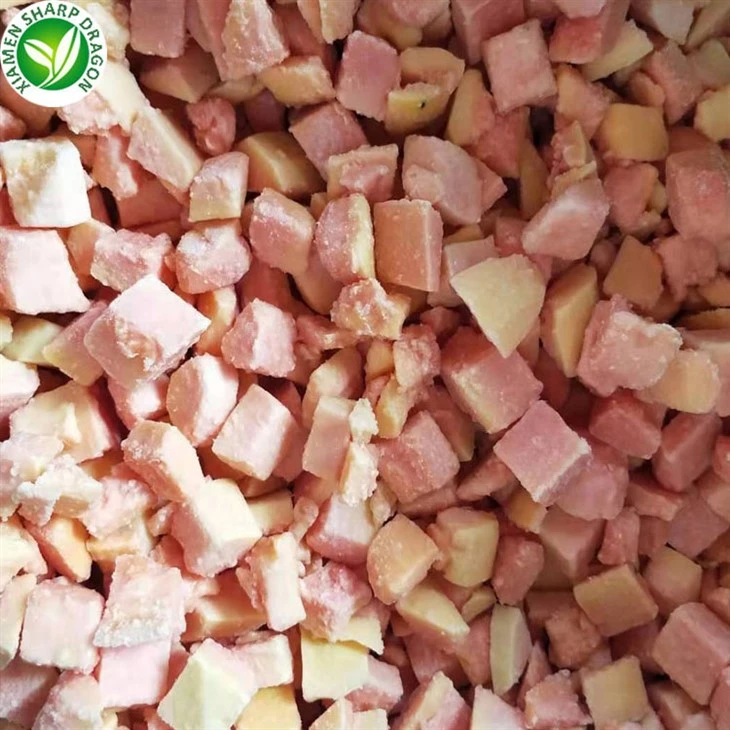
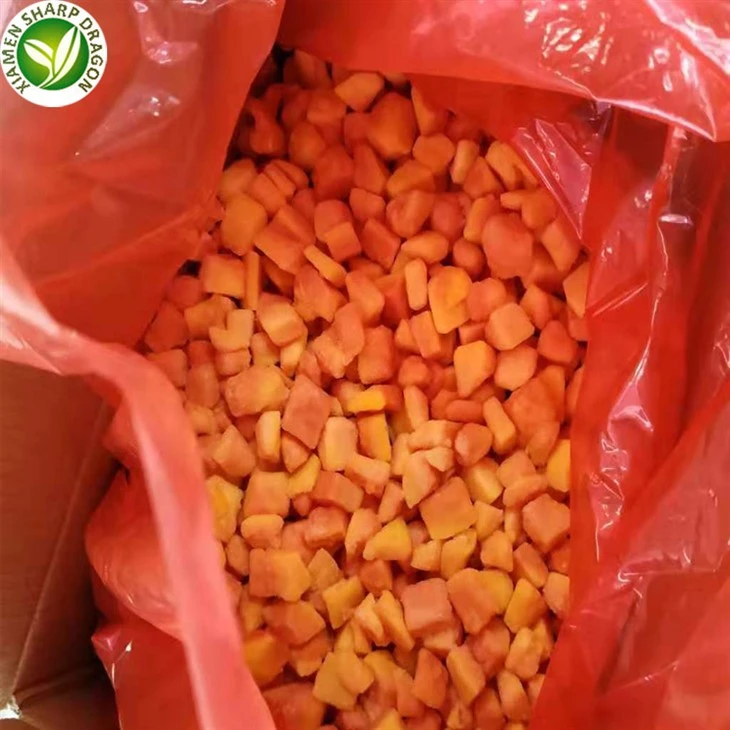
For IQF papaya in bulk, start with variety or approved source, maturity, cut size and tolerance, ingredients, color and flavor, defects, foreign-material controls, microbiological limits, pack, net weight, storage and intended application. A signed specification identifies the food; it does not confer a liver benefit.
For foodservice and catering, connect the case specification to the recipe. State fruit grams per serving, whether papaya is served thawed or blended, the other ingredients and holding controls. A breakfast bowl, smoothie and sauce can use the same carton while producing different serving, sugar and sensory profiles.
Keep conventional fruit separate from extracts and supplements in the product database. Require scientific name and plant part for botanicals; concentration or extract ratio; carrier; marker method where applicable; contaminants; interaction and adverse-event review; and destination-market regulatory classification. Do not allow a leaf ingredient to inherit the image, ingredient identity or evidence file of ripe fruit.
Claims need an owner, evidence version, approval date and market scope. Recheck them when the supplier, plant part, concentration, process, formula or serving changes. Procurement can lock the material; regulatory specialists must decide which statements are lawful; medical language requires particularly strong scrutiny. "Supports a healthy lifestyle" still needs context and must not imply treatment through imagery or nearby wording.
Planning a papaya product? Share the fruit form, ingredients, cut, portion, application, pack, destination and intended wording. We can review a product brief and identify the documents needed while your qualified regulatory team approves nutrition and claims.
Final Thoughts from XMSD
Papaya can be part of a balanced eating pattern, which is the useful meaning behind calling it "good" for general liver health. Current evidence does not show that ordinary papaya servings detoxify, regenerate or treat a human liver. Nutrient composition, cell experiments and rat research each answer narrower questions and should not be promoted as clinical proof.
Keep the exact product in view. Plain ripe fruit and IQF pieces differ from juice, syrup-packed fruit, leaf extract, papain and multi-herb supplements. For a buyer, the practical work is to define plant part, ingredients, portion, process, test basis and claim file. For anyone with known liver disease, abnormal tests, medicines or warning symptoms, clinical guidance takes priority over a fruit or detox promise.
References
- NIDDK: Eating, Diet, and Nutrition for NAFLD and NASH.
- USDA FoodData Central: Papayas, Raw, FDC ID 169926.
- Effects of Papaya Preparation on Metabolic Syndrome in Obese Rats.
- Papaya Leaf Fraction Study in Oxidatively Stressed HepG2 Cells.
- Safety of Carica papaya Leaf Consumption: Systematic Scoping Review.
- U.S. FDA: FDA 101, Dietary Supplements.
- NCCIH: Using Dietary Supplements Wisely.
- NIDDK: Symptoms and Causes of Cirrhosis.
- U.S. FDA: How to Report a Problem with Dietary Supplements.