


Does Papaya Increase Breast Size? Evidence and Claim Limits
Sep 04, 2019

No reliable clinical evidence shows that eating papaya, drinking a papaya milkshake or using ordinary frozen papaya increases breast size. Papaya is a fruit, not a hormone treatment. Its fiber, carbohydrate, vitamins and other food components can fit a varied diet, but composition alone does not demonstrate a measurable change in breast tissue.
Breasts contain glandular, fibrous connective and fatty tissue. Hormones, life stage and the amount and distribution of adipose tissue influence size and shape; individual anatomy also varies.[1] A change in overall body weight can change breast volume for some people, but that is not targeted enlargement by papaya and is not predictable from one food.
Treat a breast-enlargement claim as a clinical efficacy claim. Ask for a defined papaya product, dose, comparison group, objective measurement, duration and safety data. If those elements are missing, pictures, testimonials and references to papain or "plant estrogen" do not fill the evidence gap. New or unusual breast changes should be assessed medically rather than explained by a fruit.
The short answer: Papaya has not been shown to enlarge breasts. Do not turn papain, vitamins, digestion, a milkshake recipe or a phytoestrogen story into a breast-growth promise. Use papaya as food, and require clinical evidence for any body-change claim.

Breast Size Is Not Controlled by One Food
NCI's anatomy material describes the breast as glandular tissue, ducts, connective tissue and fat over the chest muscle. The breast itself does not contain muscle, and fatty tissue contributes to size and shape.[1] That anatomy already shows why a claim that one fruit directs growth to one body area needs unusually strong evidence.
Puberty, menstrual-cycle changes, pregnancy, breastfeeding, menopause, hormonal medicines, weight change and aging can alter how breasts look or feel. These influences are not interchangeable. Temporary fullness or tenderness around a cycle is not proof of permanent growth, and a change during pregnancy cannot be attributed to a papaya meal without controlled evidence.
Overall energy surplus can lead to weight gain, which may include changes in breast fat for some people. It cannot selectively guarantee a cup-size increase, and the distribution of weight differs. A high-calorie papaya milkshake might change total energy intake because of milk, ice cream, syrup or nut butter; calling any later body change a papaya effect confuses the recipe with targeted physiology.
Strength training can develop the pectoral muscles beneath the breasts and change posture or chest appearance, but it does not turn papaya nutrients into new breast tissue. Clothing fit, bra design, posture, measurement technique and normal asymmetry can also change the apparent result. A before-and-after photo without standardized conditions is weak evidence.

Why the Papain Explanation Does Not Work
The old text correctly rejected the enlargement claim but then argued that papain helps digest meat and absorb beneficial protein. That detour did not establish anything about breast size. Protein digestion is a general gastrointestinal process. Even if a food changes digestion, the body does not route the resulting amino acids to grow breast tissue on request.
Papain also requires a product distinction. Commercial papain is commonly derived from unripe papaya latex and can be sold as a concentrated enzyme or used as a processing aid. Ripe papaya flesh, green papaya, latex, purified enzyme and a multi-ingredient supplement are not the same exposure. None should inherit a breast-growth claim from the name "papaya."
Nutrition databases describe what is present in an edible food portion. USDA FoodData Central reports the nutrient composition of raw papaya, but a list of vitamin C, carbohydrate, fiber or other nutrients is not an efficacy trial for breast enlargement.[2] Composition can support a truthful nutrition statement when the serving and rules qualify; it cannot prove a structural body outcome.
For digestive or allergy concerns, use the separate papaya side-effects and product-form guide. It would be equally misleading to suggest that an adverse reaction signals the fruit is "working." Swelling, hives or tenderness is a safety concern, not breast enhancement.

"Natural Estrogen" Is Not a Shortcut to Proof
Online explanations may call many plants estrogenic and then jump directly to breast growth. Phytoestrogens are diverse plant-derived compounds that can interact with estrogen receptors in complex, context-dependent ways; they may act as agonists or antagonists, and bioavailability differs.[3] The label "phytoestrogen" is not equivalent to prescribed estrogen, and receptor activity is not a cup-size result.
Papaya marketing often does not identify a candidate compound, its amount, the edible-product basis or a human dose. Without those facts, even the first link in the mechanism is vague. A plausible-sounding biological story cannot replace controlled trials measuring the promised outcome and adverse effects.
Evidence from other plants cannot be borrowed. A 2018 review of phytoestrogens discusses many compounds, especially soy-related research, and breast pathophysiology rather than proving papaya-driven enlargement.[3] A separate systematic review found no effect of oral phytoestrogens on breast density compared with placebo in the included perimenopausal and postmenopausal trials, while noting high heterogeneity.[4] Breast density is also not the same endpoint as desired breast size.
The correct method is product-specific and outcome-specific. If a seller claims that a papaya extract increases measured breast volume, the study must test that defined extract at the claimed dose in an appropriate population, with a comparator, validated measurement, sufficient duration and safety monitoring. Evidence that a different plant compound changes a laboratory marker does not pass.
Evidence boundary: Nutrient presence, enzyme activity, receptor binding, a testimonial and a temporary measurement change are not interchangeable. The claimed endpoint is lasting breast enlargement, so that endpoint needs direct, controlled human evidence for the exact product.
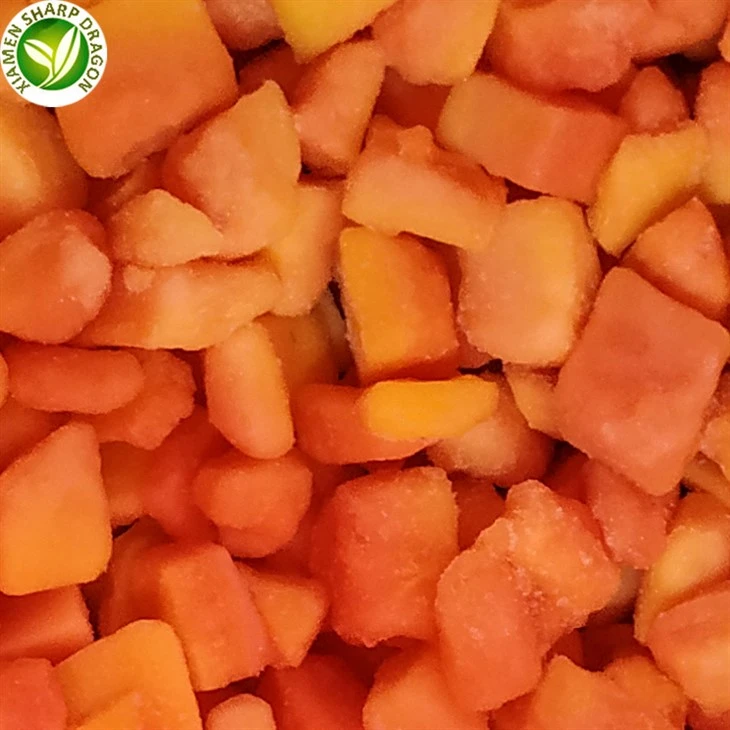
Worked Example: Audit a 30-Day Papaya Claim
Worked example: A social post says, "Drink one papaya milkshake every day and gain one cup size in 30 days." Start by defining the intervention. How many grams and which variety of papaya? What milk, sweetener and serving volume? Was the recipe standardized? If those details are absent, the product being claimed is not reproducible.
Next define the outcome. Bra cup size varies with band size, brand and fitting; it is not a direct tissue measure. Was breast volume measured under standardized conditions by blinded assessors? Were menstrual-cycle timing, pregnancy, hormonal medicines, weight change and posture recorded? A self-selected tape measurement and two photographs cannot isolate papaya.
Then check the comparison. A credible trial needs a suitable control group and enough participants to separate a product effect from normal variation. It should state inclusion criteria, adherence, losses to follow-up, analysis and adverse events. Search for the published protocol and complete results, not only an influencer's quotation.
In this example, no product-specific controlled trial is supplied. The claim fails at identity, comparator, measurement and evidence. The defensible action is to reject "one cup size in 30 days." The milkshake may still be sold as a beverage using truthful ingredient, flavor and nutrition information, but not as a proven breast-enlargement product.
Four Failure Modes Behind Food-Based Enlargement Claims
Failure mode 1: the food is never standardized. "Papaya" may mean 50 g ripe fruit, a 400 mL sweetened milkshake, green papaya, fermented preparation, seed powder, leaf extract or latex-derived papain. Variety, maturity, edible mass, processing and added ingredients can change exposure. If an advertisement does not identify the material, a positive result could not be reproduced or applied to a frozen-fruit specification. Ask for the formulation and batch-control method before discussing biology.
Failure mode 2: a mechanism replaces the outcome. The argument may say papaya contains an enzyme, improves protein absorption, supports hormones or includes antioxidants. Even when a composition fact is correct, it sits several steps away from increased breast volume. Each missing step needs evidence: the food must deliver an active amount, the compound must reach the relevant tissue, and a controlled human study must show the promised change. Without that chain, the mechanism is a hypothesis, not substantiation.
Failure mode 3: normal variation becomes a result. A person's breast measurement can shift with cycle-related fullness, pregnancy, lactation, overall weight, posture, bra fit and tape placement. A claim test should predefine measurement technique and timing, monitor body weight and relevant medicines, and distinguish short-term swelling from a lasting anatomical change. If the only evidence is a self-reported cup size after a month, the design cannot reliably isolate papaya from these alternatives.
Failure mode 4: safety disappears from the promise. A guarantee may encourage very large servings, extra calories or concentrated supplements without tracking allergy, digestive symptoms, medicine interactions or hormonal risks. A credible trial reports adverse events and withdrawals as well as desired outcomes. A food label must also comply with the destination's claim rules; a testimonial does not create permission to market a physiological effect. If efficacy and safety files are absent, remove the claim rather than add a fine-print disclaimer.
These failures lead to a practical approval rule. Composition evidence can support a composition statement. Sensory and application trials can support texture, color, flavor and processing decisions. Only suitable human outcome evidence can support a breast-enlargement claim, and it must match the exact product and conditions of use. Keeping those evidence lanes separate prevents a true statement about fruit from becoming a false promise about anatomy.
Temporary Fullness Is Not Permanent Enlargement
A person may notice tenderness or fullness at different points in a menstrual cycle. Pregnancy and breastfeeding create additional breast changes, and hormonal medicines can affect tissue. These observations have their own physiological contexts. Eating papaya near the same time does not establish causation, especially when the change resolves without continued exposure or follows a familiar cycle pattern.
Overall weight change can also alter fit and appearance. To claim targeted enlargement, a study would need to separate breast-volume change from total weight and fat distribution. A milkshake that adds substantial energy could contribute to general weight gain, but the result is neither selective nor guaranteed. Marketing it as a natural route to one desired body shape hides that trade-off.
Measurement should have a defined end point and persistence period. A tape circumference includes the rib cage and is sensitive to posture and placement. Bra size combines band and cup conventions that vary among brands. If a clinical claim is proposed, use a validated method selected by qualified researchers and report whether any change persists. A short-lived feeling of fullness cannot be silently relabeled as durable growth.
Supplements and Concentrates Need More Caution, Not Less
A capsule, herbal blend, topical cream or concentrated extract is not made safer or more effective by adding papaya to the name. A PubMed review of "bust enhancing" herbal products reported that no clinical trials had been published for the reviewed products and discouraged their use because of absent efficacy evidence and long-term safety concerns.[5] That review concerned multiple herbs, which reinforces the need to know the exact formula.
The U.S. FTC has taken action against marketers making unsupported breast-enhancement claims and required competent and reliable scientific evidence for efficacy and safety claims.[6] Enforcement history does not by itself judge every current product, but it shows why testimonials and guarantees are not an adequate substantiation file.
FDA also emphasizes that vitamins, minerals, herbs and other dietary supplements are not FDA-approved to treat or prevent disease, and warns that quick-fix promises may be too good to be true.[7] Regulatory categories and claim rules vary by destination, so obtain qualified legal review rather than copying a U.S. phrase onto another market.
Do not self-prescribe hormonal products to change breast size. A supplement may interact with medicines or be inappropriate for a condition even when its ingredients are marketed as natural. Keep ordinary papaya food, concentrated papain and multi-herb products in separate risk assessments.

Do Not Ignore a New or One-Sided Breast Change
Breasts commonly differ in size, and normal changes can occur across the menstrual cycle and life stages. Still, a new change should not be attributed to papaya without assessment. NHS guidance advises seeking care for a lump or swelling, a change in size or shape that is not normal for you, skin dimpling or redness, nipple inversion or rash, nipple discharge, or breast/armpit pain that does not go away.[8]
These signs do not automatically mean cancer, but they deserve clinical evaluation. Waiting for a diet experiment to reverse a lump, discharge or one-sided swelling can delay the right workup. Keep a note of when the change began, whether it varies with the cycle, current medicines and other symptoms, then discuss it with a qualified clinician.
Body-image concerns also deserve respectful care. A food seller should not exploit anxiety with guaranteed before-and-after language. If appearance is causing distress, a health professional can discuss normal variation, correct bra fitting and medically appropriate options without pretending that a fruit recipe targets breast tissue.
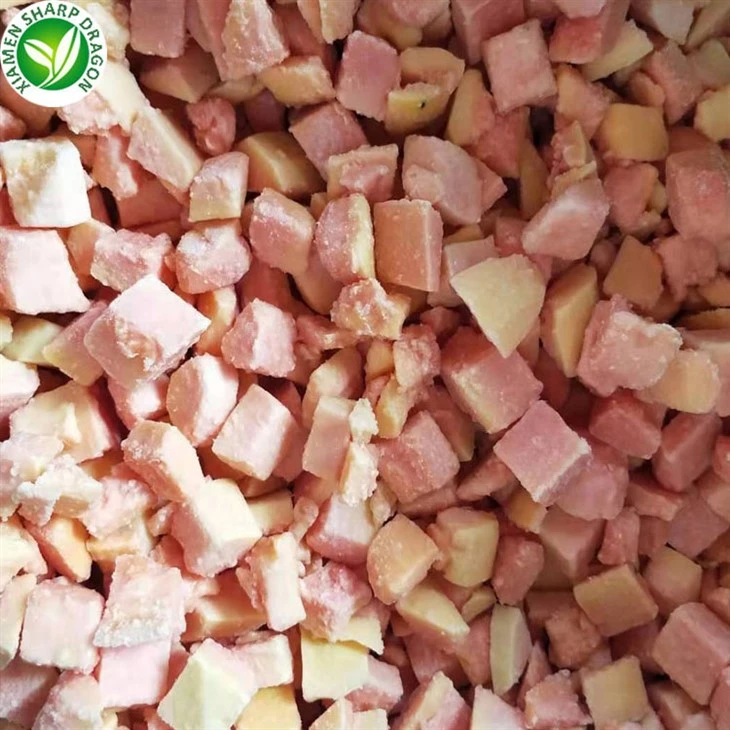
Use Papaya Claims That Match the Actual Product
For plain fruit, describe identity, ingredients, cut, maturity, color, flavor, Brix basis, pack and intended food application. The IQF frozen papaya bulk format can be evaluated for smoothie, dessert or fruit-mix use. None of those applications needs a breast-growth promise.
The XMSD papaya nutrition and application guide owns the general food context. Keep its composition statements on the correct serving basis and do not extend them to targeted anatomical changes. "Contains papaya" and "increases breast size" are entirely different claim types.
For a private-label project, create a claim file before artwork. List each proposed statement, the exact product and serving, supporting evidence, market rule and approver. Reject phrases such as "breast enhancing," "hormone balancing," "one cup larger" or "clinically proven" unless the exact claim is lawfully and directly substantiated-which ordinary frozen papaya is not.
Commercial example: A 500 g frozen papaya bag proposes the front claim "Natural breast boost." The evidence file contains only USDA nutrient data and two social testimonials. Neither source measures the claimed outcome. Remove the claim; retain factual statements such as 100% papaya, cut size and preparation directions when accurate, and complete the market-specific nutrition and label review.
In foodservice, keep menu and social copy separate from unsupported health outcomes. "Mild tropical flavor," "orange fruit dice" and a declared recipe can be verified. "Drink daily for curves" cannot. A factual application story protects your diners, brand and supply relationship better than an unsupported transformation promise.
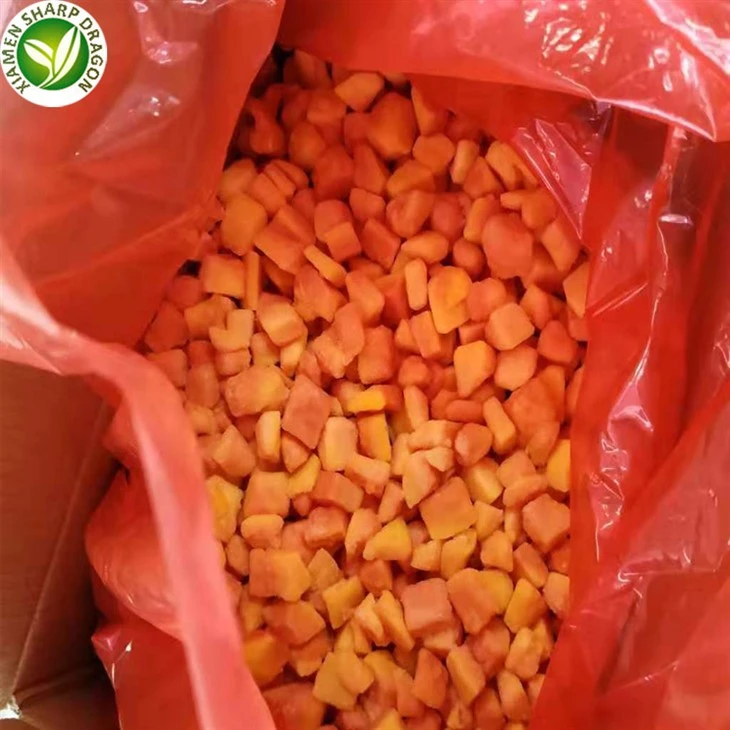
Reviewing a papaya product concept? Share the form, ingredients, serving, application, destination and proposed claims. We can review a food specification while your qualified team completes nutrition, medical and regulatory substantiation.
Final Thoughts from XMSD
Papaya does not have reliable clinical evidence for increasing breast size. Breast anatomy, hormones, life stage, genetics and body-fat distribution are more relevant than a single food. Papain's protein-digesting activity and a nutrient list do not supply the missing outcome evidence, and a milkshake does not become targeted hormone therapy.
Use a claim audit that defines product, dose, population, comparator, measurement, duration and safety. Reject testimonials and borrowed phytoestrogen stories when those elements are missing. If a new breast change is unusual for you, seek medical assessment. If you sell papaya, keep the promise anchored to verified food identity, sensory quality, serving and application. A precise food description is more trustworthy than a dramatic body-change guarantee and can be supported by specifications your supply chain actually controls.
References
- U.S. National Cancer Institute SEER Training: Breast Anatomy.
- USDA FoodData Central: Papayas, Raw, FDC ID 169926.
- PubMed: Phytoestrogens and Breast Pathophysiology Review.
- PubMed: Oral Phytoestrogens, Breast Density, and Endometrial Thickness Meta-Analysis.
- PubMed: Review of Bust-Enhancing Herbal Products.
- U.S. FTC: Breast-Enhancement Claim Substantiation Enforcement.
- U.S. FDA: What FDA Does and Does Not Approve.
- NHS: Breast and Chest Changes That Need Assessment.