


The History of Corn: From Teosinte to Today's Foods
Mar 11, 2022

Corn, or maize, began its domestication in what is now Mexico about 9,000 years ago. Indigenous farmers transformed teosinte, a wild grass, through generations of cultivation and selection. Its history continued as people carried and adapted the crop across the Americas, developed different foods from it and, much later, introduced it to other continents.
Mexico is the starting point for the crop's domestication. Ancient maize remains elsewhere help explain its later development and distribution. European contact belongs to the much later history of its wider spread: people in the Americas had already developed maize agriculture and food traditions over thousands of years before that encounter.
Today's sweet corn is one part of that much larger story. A tender cob, a bowl of frozen kernels and grain prepared for dough all connect to maize, but they describe different foods and preparation choices. Following the history makes those differences easier to understand. It also gives a more accurate account of the farmers and communities whose repeated decisions made the crop possible.
Domestication began with people selecting plants
Maize is a grass. The UC Davis maize history overview identifies teosinte, Zea mays subspecies parviglumis, as its initial wild ancestor in southwestern Mexico. The familiar modern cob represents domestication and subsequent change, rather than the starting material encountered by the earliest cultivators.
CIMMYT describes farmer selection as central to that transformation. People saved seeds from plants with desirable characteristics and planted them again. Preferences for taste, texture, preparation and local growing conditions helped produce diversity over generations. Think of domestication as a process operating across successive crops: a plant can be useful to people before it has every characteristic associated with the crop today. Cultivating, selecting and moving it can continue together. Several dates can therefore mark important changes within a much longer history.
It also changes the question asked about early farmers. Instead of imagining someone deciding to create a supermarket cob, consider how people could select among the plants available to them. A useful difference in one crop could influence the seeds planted next. The eventual outcome becomes clearer when viewed across many generations than it would have been from one season's harvest.
The UC Davis overview notes uncertainty about teosinte's original attraction, including whether early use focused on grain or sweet stems. Retaining that uncertainty gives a more accurate picture than turning a possible first use into an event with invented details.
Selection also connects the early history to living agriculture. CIMMYT describes farmers continuing to maintain and select traditional maize varieties for their environments and foods. Those practices complement seed collections that preserve material for research and breeding. The story therefore includes both long-term preservation and ongoing decisions about which plants to grow next.
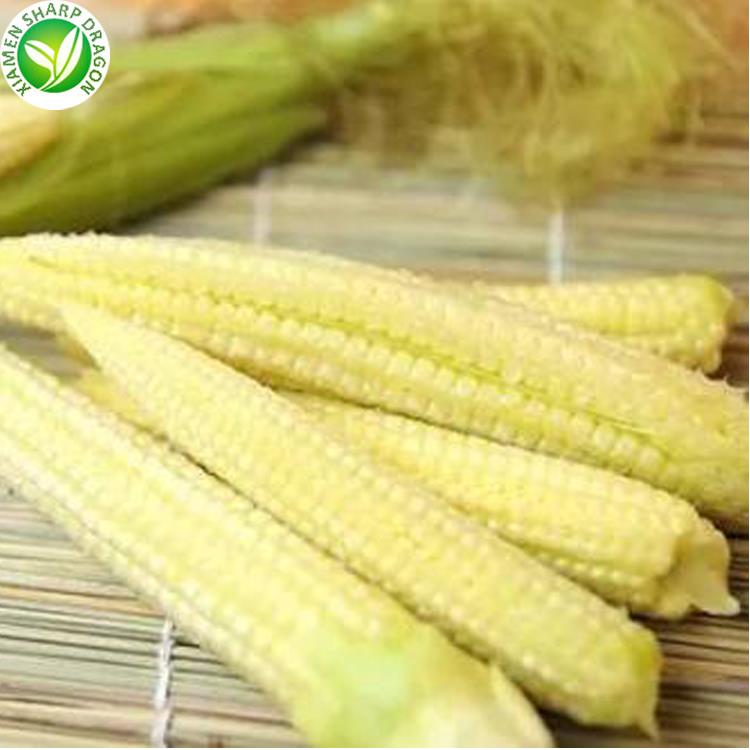
Modern baby corn: a present-day food form.
Archaeology and DNA reveal different parts of the timeline
Evidence for maize history comes in several forms. The Smithsonian's account of research presented at its 2019 botanical symposium describes starch grains and phytoliths associated with early domestication in the Balsas River valley. It also explains how ancient genomes help reconstruct continuing change after maize had begun moving beyond its initial region. These are complementary records of a process.
A date attached to evidence needs its context. The age of a sample, the estimated start of domestication and the timing of a later genetic contribution answer different questions. When two summaries give different numbers, first identify the event each number refers to. Putting all of them under a single "origin" label can create a contradiction that disappears once the events are separated.
Research reported by UC Davis in November 2023 adds a later stage. The team analyzed more than 1,000 samples of maize and wild relatives and found that about one-fifth of modern maize's genome came from highland teosinte. The proposed hybridization occurred just over 5,000 years ago, long after initial domestication. Its contribution to the crop's subsequent success is an active research question.
That finding does not replace the earlier Mexican domestication with a brand-new invention 5,000 years ago. It changes the account of what happened to an already cultivated crop. A timeline that makes room for both events gives readers a clearer picture of development than a choice between "9,000 years" and "5,000 years" as competing ages for corn.
Research can refine the route and sequence while the broad history remains understandable. Keep the reported event, approximate date, place and kind of evidence together. This is especially useful when reading a news story about a new discovery: ask what part of the existing account the result adds to, rather than assuming the entire history has been overturned.

Present-day shelled corn kernels.
Maize moved through the Americas while it kept changing
The Smithsonian symposium account describes multiple waves of human-mediated dispersal and continuing domestication. People carried planting material, grew it under different conditions and contributed to the diversity that developed. A study described by UC Davis in 2015 offers a specific example from what is now the southwestern United States. Researchers compared DNA from ancient cobs with traditional Mexican maize varieties. Their results suggested an earlier highland route around 4,100 years ago and a later lowland coastal route around 2,000 years ago. The dates belong to that study's account of regional movement.
This is why finding maize in a particular place is only the start of a historical question. The next questions concern its relationship to other maize, the conditions under which people grew it, and changes between samples from different periods. A country-level map is useful for orientation, while a regional study can reveal connections that the large map hides.
It is also important to distinguish presence from importance. An early trace of a crop establishes evidence of use or occurrence in a context; it does not by itself tell you how much of everyone's diet the crop supplied. To understand a staple food, researchers need to consider how its role developed, as well as when its remains first appear.
Maize spread beyond the Americas following European colonization, after Indigenous communities had adapted it to many environments and uses. Beginning the story with a European encounter leaves out that earlier agricultural work. The global chapter follows the much longer history within the Americas.
For a reader, the useful distinction is between the origin of domestication, regional dispersal and later intercontinental spread. For a food business describing corn today, there is one further distinction: the actual origin of the supplied crop. A food can belong to a species domesticated in Mexico while being grown somewhere else in the present day.

Modern corn ears with their husks.
Farming and food preparation developed together
Maize history includes ways of cultivating several foods together, as well as changes to the maize plant. The National Park Service describes the Three Sisters association of corn, climbing beans and squash. In that arrangement, the corn offers support for beans and squash leaves provide ground cover. It is a useful example of connected planting practices, with traditions and local conditions that deserve their own context.
The histories of individual communities deserve their own detail. Naming a particular practice helps explain how it works and where it is used. A broad account of maize can introduce that practice, then direct a reader toward sources about the people and food concerned. The same care helps distinguish a named dish from a general combination of corn, beans and squash.
Preparation is another major part of maize's food history. CIMMYT explains nixtamalization as cooking and steeping dried maize in an alkaline solution, commonly made with water and food-grade lime. The grain is then drained, rinsed and can be milled into dough for foods such as tortillas and tamales. The process changes the ingredient's properties and improves niacin availability. This is a different transformation from taking tender kernels off a cob: the starting grain, preparation and intended result belong together. A recipe written for a maize-based dough carries requirements beyond the general word corn.
Food knowledge therefore sits alongside the history of plant selection. Growing a crop and making something useful from it are related achievements. In an account of maize, leaving out preparation would make the story seem to stop at harvest, even though the food people ate depended on what happened next.
For someone learning a named maize dish, a useful next step is to look at a source that describes that specific food and its preparation. This preserves the distinction between a broad crop history and a particular culinary tradition. It also makes the recipe easier to understand: the ingredient name usually carries information about the work already done to the maize.
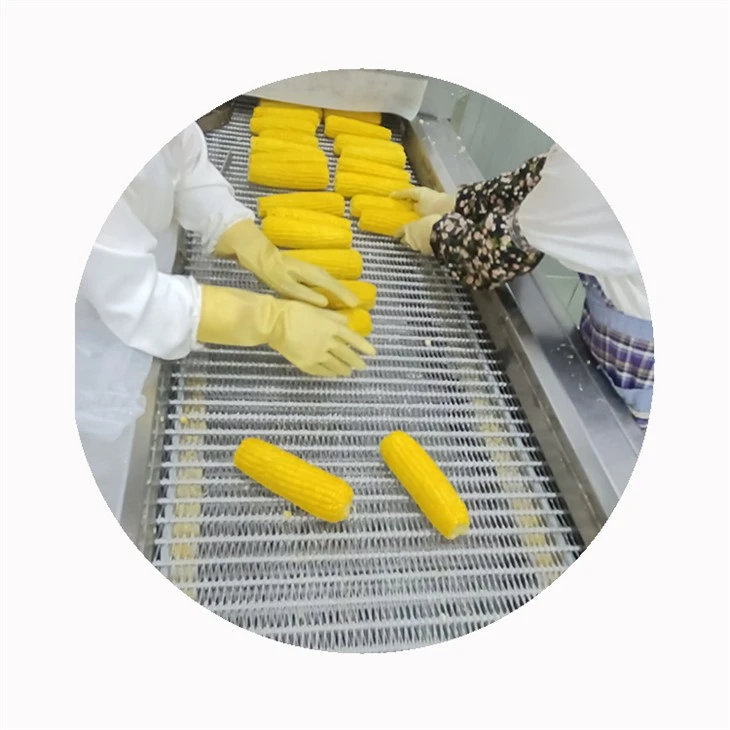
Contemporary preparation of corn on the cob.
Sweet corn is one expression of a diverse crop
UC Davis gives examples of traditional maize selected for different foods, including popcorn, pozole and tortilla dough. Sweet corn is one part of this diversity. The qualities people value in maize vary with the food they intend to prepare.
The University of Minnesota Extension describes several genetic types of sweet corn and differences in sweetness, texture and how quickly sugar changes to starch after picking. Its guide also explains that the classic breeding techniques behind the sweet-corn hybrids it discusses are different from genetic engineering. Harvest stage adds another distinction: the guide describes sweet corn being harvested when kernels are full and milky. Variety, harvest stage and subsequent preparation together help explain the product eventually placed on the table.
The visible form is useful, but it does not answer every question. Yellow color alone cannot tell a cook the exact variety, harvest history or eating texture. Those details come from the ingredient description and the food itself after its intended preparation. A recognizable corn appearance can coexist with differences that matter greatly in a recipe.
At XMSD, we would begin a comparison of frozen corn forms by establishing whether the dish needs loose kernels or a cob portion. Then we would assess the sample in that dish. This follows the practical lesson of maize diversity: select for the food you want to serve, using the supplied product's identity and observed qualities.
Preservation adds a further layer to the description. Frozen corn names a product form, alongside information about the corn itself and how it has been prepared. A clear description can acknowledge the crop's long history while accurately naming the modern ingredient. This gives a cook both the background story and the practical information needed to use the food.

Yellow and pale kernels on a present-day corn ear.
A history card can tell the story and name the food accurately
Practical example: A catering team is preparing an educational lunch with corn as a side dish. The team wants a short history card beside the food, using modern frozen kernels in the kitchen. Its task is to connect the meal to the crop's history while describing what is actually being served. This is an illustrative communication exercise, not a reported XMSD event.
The card can explain that Indigenous farmers began domesticating maize from teosinte in Mexico about 9,000 years ago, and that cultivation and preparation diversified over time. The dish description then separately names the modern corn preparation. Any current country-of-origin statement comes from the actual ingredient records. The historical location and the source of today's ingredient answer different questions.
The team should also match the picture to the words. A photograph of a contemporary yellow cob can illustrate corn served today. An archaeological artifact or an image of teosinte would need its own identification and source. A useful caption tells the visitor what they are looking at, rather than asking the image to supply historical evidence it does not contain.
The result is a short, readable card with a clear historical starting point and an accurate description of the meal. Credit Indigenous agricultural knowledge directly and keep the focus on the documented crop history. If the team wants to introduce a specific food tradition, give it space and an appropriate source so visitors can learn about that food in its own context.
For foodservice and catering menus, we would keep the accepted product description beside the kitchen method. If the corn form or accompanying ingredients change, update the dish description. The history of maize remains the same background; the food being served may have changed in ways a customer should be able to understand.
This approach also helps staff answer follow-up questions. A question about where maize originated leads to the historical source. A question about the particular corn on the plate leads to the ingredient information. Keeping both accessible is more useful than trying to make a single sentence cover thousands of years and one present-day meal.

Choosing the modern form follows the food's purpose
Application example: A food developer is considering corn for two dishes, a soup and a plated side. Loose kernels and a cob portion are both recognizable corn, but they offer different ways to portion, prepare and eat it. In this hypothetical comparison, the developer first writes down the intended eating experience for each dish and tests the relevant form under its planned preparation conditions.
For the soup, assess how kernels distribute in a normal bowl, how they feel with the other ingredients and how consistently the serving method delivers the planned amount. For the side, assess the cob portion's size, presentation and ease of eating. The decision can favor different forms for the two dishes. There is no need to declare one form the best corn for every use.
Write the portion measure for each form as well. A weight of loose kernels describes the corn added to a soup, while a cob portion also includes material that will remain after eating. Use the measure that the cook can repeat and the customer can recognize. If the development team compares costs or serving quantities across those forms, keep the basis visible in its worksheet. A count of cob pieces and a weight of edible kernels need their own quantities before either can support a useful comparison.
Keep the comparison fair by documenting the product identity, recipe and serving point. A texture judged immediately after preparation may not answer a question about a dish served later in normal operation. Follow the kitchen's handling controls and observe the food at the point it is intended to be eaten. Record the actual preparation so the next sample can be assessed on the same basis.
In a food-processing development project, we would use that result to define the ingredient more precisely. The accepted sample and preparation method explain the target better than a broad request for good-quality corn. If a replacement is proposed, compare its identity and performance with that target before changing the recipe.
Pack choice comes after the intended use is clear. Review the amount a normal batch needs, the way staff measure it and how the product is handled between receiving and preparation. Our frozen-food packaging overview provides context for that part of the discussion. A pack should support the chosen food preparation rather than become the reason for an unsuitable ingredient choice.
The example brings the long history back to an ordinary plate: people value maize for different purposes, and the food works best when its form fits the use. The history explains how a diverse crop came into being. The ingredient description and recipe trial explain which corn belongs in today's dish. Keeping those questions connected, and each answer precise, makes both the story and the food more useful.

Choosing corn for a menu or prepared food? Share the dish, kernel or cob preference, preparation method and pack needs. XMSD will review the product form and sample details relevant to the food you plan to serve.
References
- UC Davis, Ross-Ibarra Lab: Maize History
- CIMMYT: Maize, from Mexico to the World, May 2016
- Smithsonian National Museum of Natural History: A Perfect Occasion to Talk About Domestication, 2019
- UC Davis: A Mixed Origin Made Maize Successful, November 2023
- UC Davis: Ancient Maize Followed Two Paths into the Southwest, January 2015
- National Park Service, Tonto National Monument: The Three Sisters
- CIMMYT: What Is Nixtamalization?, March 2021
- University of Minnesota Extension: Growing Sweet Corn in Home Gardens
- XMSD operational judgment on modern corn forms, sample assessment and menu descriptions. Both examples are illustrative. Product photographs show present-day food forms.