


Peanut Nutrition: Raw Values, Portions and Allergy
Oct 13, 2023

Peanuts provide substantial energy, fat and protein in a small edible portion. USDA's reference for raw peanuts gives 567 kcal, 25.8 g protein and 49.2 g fat per 100 g of kernels. A 30 g portion is therefore about 170 kcal and 7.7 g protein on that raw-food basis. Shells are excluded, and the same figures should not be transferred to boiled peanuts, peanut butter or a coated snack.
The fat is predominantly unsaturated: this record lists 24.4 g monounsaturated and 15.6 g polyunsaturated fat per 100 g. Peanuts also contribute fiber and minerals, including magnesium. Because a small amount carries substantial energy, measuring the portion makes the table much easier to use.
Peanut allergy changes the decision completely. If you have a diagnosed peanut allergy, avoid peanuts and follow your clinician's advice on products and cross-contact. A small serving, boiling or roasting is not a safe workaround. For everyone else, the most useful comparison begins with the actual food form and the amount of edible peanut in the meal.
Peanut nutrition per 100 g of raw kernels
The table uses USDA FoodData Central entry 172430, "Peanuts, all types, raw," from its SR Legacy collection. It is a reference for edible kernels, not the combined weight of peanuts and shells. The word "raw" identifies the database food; it is not a ready-to-eat instruction for a product supplied for further processing.
| Nutrient | Per 100 g raw edible kernels |
|---|---|
| Energy | 567 kcal / 2,370 kJ |
| Protein | 25.8 g |
| Total fat | 49.2 g |
| Saturated fat | 6.28 g |
| Monounsaturated fat | 24.4 g |
| Polyunsaturated fat | 15.6 g |
| Carbohydrate, by difference | 16.1 g |
| Total dietary fiber | 8.5 g |
| Total sugars | 4.72 g |
| Magnesium | 168 mg |
| Vitamin E (alpha-tocopherol) | 8.33 mg |
| Folate, total | 240 µg |
| Sodium | 18 mg |
| Water | 6.5 g |
The fat subtypes belong within total fat. Likewise, sugars and dietary fiber sit within the carbohydrate-by-difference figure in this record. Adding those component lines to the totals would count some nutrients twice. For a straightforward meal estimate, scale the total lines to the portion and keep the components separate for interpretation.
The record reports 2,370 kJ alongside 567 kcal. Keep the energy unit beside the number when comparing foods. The bigger question is whether the food descriptions match: a salted boiled kernel has a different composition from this raw reference.
Keep the complete food name with the figures when you save a recipe. "Peanuts" alone is too broad for a repeatable calculation. Also record whether the weight is shelled, drained, cooked or as purchased. These few words prevent a surprisingly large error when a recipe or supplier changes and someone reuses the previous ingredient entry.
A 30 g portion is more useful than an undefined handful
For someone who can safely eat peanuts, a measured portion is a practical way to understand their contribution. Thirty grams is used here as an easy calculation example, not a universal daily prescription. The amount that fits a meal depends on what else you eat and any individual dietary advice. Weigh the edible kernels rather than estimating from the size of an in-shell pile.
Worked example: Suppose an adult compares 30 g and 60 g of plain raw kernels while planning a snack. Multiply the per-100-g figures by 0.3 or 0.6. The smaller amount contributes approximately 170.1 kcal, 7.74 g protein, 14.76 g fat and 2.55 g fiber. The larger amount contributes twice as much: 340.2 kcal, 15.48 g protein, 29.52 g fat and 5.1 g fiber. Choose the portion that fits the intended snack rather than assuming both handfuls are nutritionally similar.
This calculation is especially useful when peanuts are added to something else. A topping scattered over noodles, a peanut sauce and a separate handful after the meal all count toward the day's intake. If the aim is to substitute peanuts for another snack, make that substitution explicit; simply adding them leaves the original snack in place.
For a packaged roasted or flavored product, repeat the method with its own label rather than these raw figures. A label serving and the amount in the bag may differ. Check the number of servings and measure the quantity you actually use. The reference calculation teaches the method, while the product information provides the closer estimate for that specific food.
Counting individual peanuts is less consistent because kernel sizes differ and broken pieces are common. A scale is particularly helpful when a kitchen needs the same topping across many portions. Once the gram amount is set, a portioning tool can be checked against that target. Recheck it when the kernel size or chopped form changes.
Protein, fiber and minerals in the complete meal
Peanuts can contribute protein, but the portion matters as much as the per-100-g figure. A 30 g raw-reference portion provides about 7.7 g. When planning a meal around a protein target, calculate the amounts from all the ingredients, including the actual peanut garnish. That gives a useful serving value for comparing different recipes.
Magnesium is another useful contribution. The reference contains 168 mg per 100 g, equivalent to 50.4 mg in the illustrative 30 g portion. NIH describes magnesium's roles in muscle and nerve function and in making protein, bone and DNA. Those normal physiological roles explain why it belongs in the diet; they do not establish that eating peanuts treats a deficiency or a medical condition.
The fiber contribution is 2.55 g in that same portion. It adds to the fiber supplied by vegetables, grains, beans and other foods in the meal. Peanuts are therefore better understood as one ingredient in a varied pattern than as a reason to drop other food groups. A sauce with peanuts still benefits from a clear idea of its vegetables, starch and total portion.
Most of the fat in this raw record is unsaturated, but it remains part of the energy content. "Contains unsaturated fat" and "unlimited serving" are different propositions. Choose a quantity that delivers the flavor and texture you want, then assess the full recipe, including added oil, sweeteners or other rich ingredients.
For a medically prescribed diet, use the relevant product information and professional advice. Knowing the contribution of your portion is more useful than treating a list of minerals as a list of health promises. Keep the portion in view when comparing peanuts with the other ingredients available for the meal.

Raw, boiled, roasted and blended peanuts are different foods
Boiled peanuts contain much more water than the dry raw reference. USDA entry 174260, "Peanuts, all types, cooked, boiled, with salt," reports 318 kcal, 13.5 g protein, 22.0 g fat and 41.8 g water per 100 g edible portion. The raw entry contains 6.5 g water. That difference helps explain why equal weights of the two foods give different figures.
The two entries describe different reference foods, rather than tracking one batch through a cooking experiment. Their energy difference therefore cannot quantify a batch's cooking losses. For a boiled product, use an appropriate boiled-food reference or its own declared information on the same edible and drained basis.
Salt also changes the comparison. The USDA boiled-with-salt entry reports 751 mg sodium per 100 g, compared with 18 mg in the raw entry. The 751 mg value belongs to that defined salted food, not every boiled peanut recipe. Brine strength, processing and the amount of liquid included in the serving make the product description important.
Roasted peanuts may be plain, salted, oil-roasted or coated. Peanut butter can be made from peanuts alone or include other ingredients. A reduced-fat peanut powder is yet another ingredient. Read the food name and ingredient list before choosing a reference. A product marketed around peanuts may contain enough sugar, coating or other material to require a completely separate comparison.
Texture changes the intended use too. A soft boiled kernel is not a like-for-like replacement for a crunchy roasted topping. For us, the first product question is whether the peanut needs to remain visible and firm or blend into the dish. That choice determines the sample trial long before a pack size is selected.
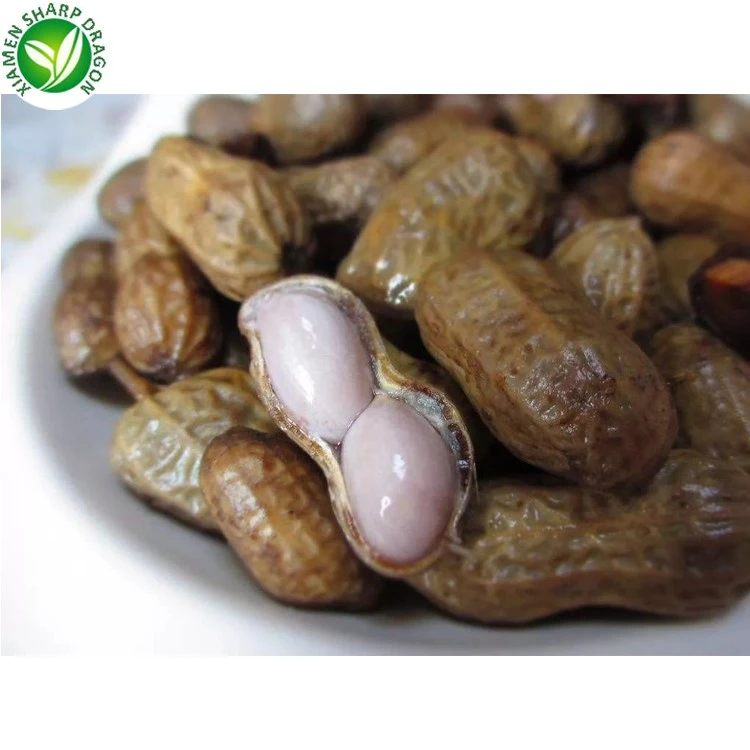
Our frozen boiled peanuts in shell are a starting point for discussing that cooked form. We would review the in-shell presentation, seasoning, intended preparation and edible-yield expectations together, rather than match it to a raw nutrient table.

Peanut allergy: preparation does not make it safe
Peanut allergy is an immune reaction to peanut proteins, and it can be serious. FDA identifies peanuts as a major food allergen in the United States. A person with a diagnosed allergy needs to avoid the allergen, read product labels and have a plan for accidental exposure. Prior mild symptoms do not guarantee that a later reaction will remain mild.
Emergency action: If a reaction involves breathing difficulty, throat or tongue swelling, faintness or collapse, treat it as an emergency. Use your prescribed adrenaline (epinephrine) auto-injector immediately as directed and call emergency services; do not wait to see whether it improves. Follow your personal allergy action plan.
Cooking is not an allergen-removal method. FARE distinguishes food-allergen cross-contact from microbial contamination: heat that helps control some microorganisms does not make allergen-contaminated food suitable for someone with that allergy. Picking visible peanuts from a finished dish also leaves the possibility of peanut protein behind. Start again with suitable ingredients and properly controlled preparation.
Cross-contact can occur through shared utensils, work surfaces, containers or handling. For a household preparing different meals, use thoroughly cleaned equipment, prepare the allergy-safe meal first and keep it protected. In a commercial kitchen, follow the established allergen procedure and communicate the requirement through preparation and service. A garnish added at the last moment is still part of the food.
Read the entire label each time, including the ingredient list and any advisory wording. FDA states that precautionary statements such as "may contain" are voluntary in the United States and are not a substitute for good manufacturing practices. Their absence alone is not enough to settle a cross-contact question. If the product's suitability is unclear, do not serve it as peanut-free.
For foodservice and catering, the practical handover is precise ingredient information, the correct menu communication and a preparation method that prevents unintended transfer. Nutrition, flavor and price are separate considerations; none compensates for an unresolved allergen requirement.

In-shell weight and edible yield affect both portions and cost
An in-shell pack is sold and handled by one weight, while the food eaten inside it is another. Use the gross weight for receiving the pack and the edible weight for the food consumed. Price comparisons need the same distinction, especially when a shelled ingredient is being compared with a shell-on presentation.
Practical example: Suppose a kitchen evaluates a 1,000 g in-shell boiled-peanut sample. After its agreed preparation and shelling method, it measures 550 g of edible kernels. The illustrative edible yield is 550 ÷ 1,000 × 100 = 55%. That sample provides ten 55 g kernel portions, not ten 100 g edible portions. The kitchen can now compare the shell-on presentation with a shelled alternative on the portion it actually serves.
The illustrative 55% yield demonstrates the method; measure representative samples to obtain the value for a purchase. Define whether kernels are weighed immediately after shelling or after a specified draining period, because retained liquid changes the result. Use the same method for each candidate.
If the in-shell purchase cost is C per kilogram, dividing C by 0.55 gives the ingredient cost per kilogram of edible kernels at that example yield, before labor and other costs. Insert the quoted price for each candidate. Add shelling labor, waste handling and the value of the in-shell presentation when those factors affect the service.
In food-processing applications, we would settle the edible-weight method before comparing formulation percentages. A sauce calculation based on kernel weight and an order measured in shell-on kilograms can coexist, but the conversion between them must be explicit. Keep that conversion with the approved recipe and revise it when the supplied form changes.
What a frozen boiled-peanut trial should measure
Evaluate frozen boiled peanuts after the preparation and holding conditions intended for service. The useful observations are kernel firmness, shell opening where relevant, seasoning distribution, drained yield and the amount of liquid carried into the dish. A sample that looks acceptable while frozen may behave differently once heated and held.
Write down the preparation used for the trial and follow the product instructions. If it is supplied for further cooking, complete that cooking step; the description "boiled" on a sales page alone is not a validated ready-to-eat instruction for every product. Match the trial to the specific proposed item, including any brine or seasoning.
For a chunky filling, assess whether kernels remain distinct after mixing and reheating. For a blended sauce, inspect the consistency and flavor distribution after the actual blending step. A smoother sauce may be desirable in one recipe and unacceptable in another. We prefer a defined finished-dish target over a general request for "good texture," because it gives both sides something reproducible to evaluate.
Keep the agreed cold chain and label instructions with the product record. A moisture-rich boiled frozen ingredient needs storage and opened-pack instructions suited to that form, rather than the directions for a dry roasted snack. Record how the pack will be opened, portioned and returned to its specified storage conditions during the actual operation.

Physical inspection and allergen control also have different jobs. The processing equipment overview illustrates inspection stages, but a metal-detection record does not answer a peanut cross-contact question. Ask for the record that addresses the actual hazard rather than treating one quality document as evidence for every control.
Match the nutrition sheet, safety records and pack
The nutrition sheet should identify the same peanut form as the specification and sample: raw or cooked, shell-on or shelled, plain or seasoned. Check the basis of the weight and the units. A raw reference downloaded for background reading is useful, but a retail nutrition panel requires information appropriate to the product sold and its destination.
Allergen documentation needs its own review. For a food that intentionally contains peanuts, the peanut ingredient must be communicated appropriately; for another food made nearby, the concern is unintended cross-contact. Ask which products share equipment, how separation and cleaning are managed, and how the label is checked against the recipe. Evidence needs to address the relevant product and process.
Aflatoxin is a separate chemical-contaminant issue. FDA's peanut guidance discusses total aflatoxins above 20 micrograms per kilogram, or 20 ppb, as a basis for considering peanuts or peanut products adulterated, with a stated exception for raw peanuts going to further processing that removes moldy or otherwise defective nuts. This is a defined US enforcement-policy context, not a worldwide purchase specification or an allergy threshold.
For a shipment decision, match the required aflatoxin criteria, sampling and analysis to the destination and product stage. Review lot identification, the test method, units and result on the report. Keep visual appearance and the analytical result as separate checks. If the report refers to a different lot or food form, resolve the mismatch before accepting it as support.

Pack size affects how often a product is opened and handled. A kitchen using one bag in a service period has a different routine from a factory emptying whole cartons into a scheduled batch. The frozen-food packaging options help frame that choice. Select the inner pack around the operation, then keep the ingredient name, allergen information, storage directions and lot code connected to it.

The useful peanut comparison is therefore specific: an edible portion of a defined food, used in a defined recipe. Start with 567 kcal per 100 g only when the raw-kernel reference fits. Move to the relevant cooked or prepared-product information when it does not, and keep allergy suitability separate from any favorable nutrition figures.
Send your frozen boiled-peanut application, in-shell presentation, seasoning target, pack size and destination. Include your edible-yield trial method and required nutrition, allergen and lot-analysis documents so we can review the proposed product against its intended use.
References
- USDA FoodData Central: Peanuts, all types, raw, FDC 172430
- USDA FoodData Central: Peanuts, cooked, boiled, with salt, FDC 174260
- NIH Office of Dietary Supplements: Magnesium
- FDA: Food Allergies, What You Need to Know
- FDA: Food Allergies
- NHS: Anaphylaxis
- FARE: Avoiding Cross-Contact
- FDA: CPG 570.375, Aflatoxins in Peanuts and Peanut Products