


Lotus Root, Seeds and Leaves: Choosing the Right Food Form
Nov 30, 2020

Lotus root, lotus seeds and lotus leaves come from different parts of the plant and do different jobs in food. The familiar vegetable sold as lotus root is the fleshy rhizome of Nelumbo nucifera. Its patterned slices suit dishes that need a visible vegetable piece. Seeds can be cooked or made into paste, while a leaf supplied for culinary use needs its own preparation and handling instructions.
Choose the plant part before choosing the pack. A request for lotus for a ready meal should identify slices, pieces, seeds or another defined ingredient. A pastry filling made with lotus-seed paste is not a recipe for chopped lotus root. Similar English names can hide a substantial difference in the material being ordered.
We find the most useful sample discussions begin with the finished food: the size of the serving, the texture expected after cooking and how the ingredient will be handled. Those details let us evaluate a frozen lotus-root cut meaningfully. They also make it clear when the request concerns a different lotus ingredient that needs a separate specification and supplier discussion.

Start with the botanical name and the part you need
Kew identifies sacred lotus as Nelumbo nucifera, an aquatic plant with edible rhizomes and seeds. It also distinguishes this plant from waterlilies. That distinction helps untangle the word lotus: Kew records blue lotus of the Nile as a common name for Nymphaea nouchali var. caerulea, a waterlily. A cultural reference to an Egyptian lotus does not specify a vegetable ingredient.
For buying food, use the commercial ingredient name together with the botanical identification where ambiguity exists. Then add the plant part and processing state. Lotus-root slices, dried lotus seeds and a prepared seed filling are much more useful descriptions than lotus alone. A short translated name should still lead purchasing, quality staff and the kitchen to the same product.
The practical difference is substantial. A rhizome gives the familiar cross-section with holes; seeds are small individual units that may be supplied whole or processed; leaves are broad surfaces with a different physical role. None can be substituted for another by keeping the same weight in a recipe. Their shared plant origin does not create an equivalent texture, yield or preparation method.
Buy ingredients supplied for food use. The flower image shows the plant; the delivered ingredient needs its own identification and product information. Plants sold for gardens, flower arrangements or propagation should not be treated as food purchases simply because their names match.
North Carolina State Extension lists culinary uses for lotus leaves, seeds and rhizomes. That is a botanical description of edible parts, not a ready-to-eat instruction for every form. The supplier still needs to describe what has been done to the particular product and how it should be prepared. That information belongs with the ingredient from receipt onward.
Lotus root is a rhizome with a distinctive cut surface
The word root is firmly established in food trade, although the edible structure is botanically a rhizome, or modified stem. Kew describes its growth in the mud beneath shallow water. Once it is cut across, the interior creates the recognizable pattern used in many cooked dishes. The cut direction therefore affects both appearance and the kind of piece the kitchen receives.

A round slice can make the plant structure visible on a plate. A quarter or irregular piece may be more practical when the vegetable needs to fit a smaller space or distribute through a mix. Start by deciding whether the complete round outline matters. If it does, broken pieces have a different commercial value from intact slices even when they are otherwise suitable food.
Thickness deserves its own line in the specification. Diameter describes the face of a slice; it does not tell you how thick that slice is. Two pieces of equal diameter can have different weights and behave differently through cooking. Measure the dimensions directly across a representative sample and keep the approved range beside the sample photograph.
Our lotus-root slice product information is a starting point for this discussion. We would connect the requested cut to the actual dish before selecting a sample. A large round slice may suit a visible serving, while a smaller or divided piece can be easier to portion into a prepared meal. The preferred form is the one that works through the complete operation.
Also inspect the spaces within the cut surface and the outer edge. A tidy picture of one slice says little about the rest of a pack. Review the normal spread of sizes, intact pieces, broken sections and visible trimming quality. Where a defect matters to the final presentation, describe it plainly and agree how it will be assessed rather than relying on the word premium.

Seeds and seed paste need a different comparison
Lotus seeds serve a different culinary purpose from the patterned vegetable slices. Kew records the use of a paste made from lotus nutlets as a mooncake filling. That explains why lotus appears in both vegetable and bakery ingredient discussions. It does not mean that lotus-root puree and lotus-seed paste are alternative names for the same filling.
With a seed offer, establish the supplied form first. Whole dried seeds, a cooked preparation and a finished paste place different work in the kitchen. Ask whether the seeds are whole or split and what preparation has already been completed. For a paste, read the full ingredient declaration rather than assuming the product contains only seeds.

An ingredient list can change the trial. A sweetened paste carries its declared recipe components into the finished pastry, whereas an operation making its own paste controls those additions separately. Compare the two approaches at the finished-filling stage. The received weight of dried seeds cannot be compared directly with the weight of a prepared paste without accounting for the process between them.
The sample should also pass through the actual equipment. A filling may need to divide cleanly, hold a defined shape or spread evenly within a shell. Observe it through the intended forming and cooking sequence. A spoonful tasted at room temperature answers only part of the question; it does not show how the filling will behave when used in production.
Avoid transferring approval between products with similar names. If a formulation changes, review the changed ingredients and its effect on the recipe, labeling and handling. If only the pack size changes, the review may focus on portioning and opened-pack management. Stating the precise change keeps the decision proportionate and helps the next order match what was actually approved.
Leaves are a separate culinary material
A lotus leaf offers a broad surface rather than a piece of rhizome or a seed. Its natural shape is useful context, but the food purchase should describe the leaf as supplied: for example, fresh or dried, whole or cut, and intended for the particular recipe. An attractive leaf photographed beside a pond is not a specification for a commercial kitchen.
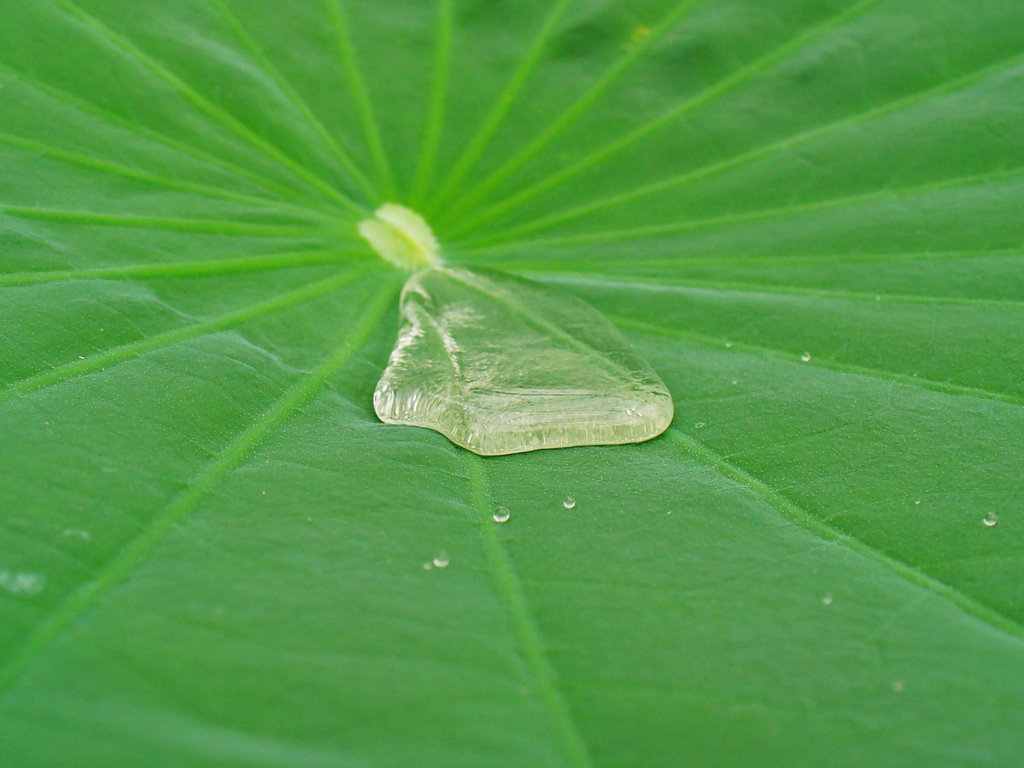
If your recipe uses leaves as a wrapper, examine the usable area after the supplier's preparation instructions have been followed. A large outside diameter can be misleading when tears, stiff areas or trimming reduce the portion that folds well. Test with the actual filling quantity. An empty leaf folded on a bench does not show whether the prepared parcel will hold together during cooking and service.
Check several leaves from the sample. Natural variation can affect the amount of usable material, so the neatest leaf should not determine the expected number of parcels per pack. Record the size of the prepared piece, the folding method and which portions are unsuitable for the intended wrap. That creates a practical yield record for the kitchen.
Leaf handling remains part of food preparation, even when the wrapper is not intended to be eaten. Keep the source and preparation information with the pack, and follow the operation's hygiene procedure during storage and preparation. Do not infer cleanliness or food suitability from the way water beads on the leaf in a botanical photograph.
Nor should dried decorative seed heads be confused with food ingredients. They may be sold for an entirely different purpose. The useful buying description identifies the plant part, edible-use source and supplied condition. This is particularly helpful where leaves, flowers and seed heads appear together in a seller's catalog but are not all offered for cooking.
A ready-meal trial can reveal the better root cut
Representative application example: A ready-meal operation is planning 240 trays, each with 18 g of prepared lotus root. It needs 4.32 kg at that defined portioning stage. The proposed samples are intact round slices and quarter pieces. The decision is whether the round visual effect is worth the additional portioning constraints in the tray being used.
Begin with the actual tray and the rest of the meal. Place a weighed portion of each candidate in the intended compartment. Look at how much space the pieces occupy and whether they sit below the area needed for sealing. A piece can be an acceptable vegetable cut yet be awkward in a particular package. The sample trial should reveal that before a larger quantity is ordered.
Run each candidate through the planned preparation, assembly and heating sequence using the operation's established food-safety controls. Compare the texture at the point of eating and inspect the condition of the pieces after handling. An intact slice that breaks during mixing may not deliver the appearance that justified choosing it. Quarter pieces might provide a more repeatable distribution in the same tray.

Record the portion weight and the number of suitable pieces together. Weight controls the amount of ingredient, while piece distribution affects how the customer sees the serving. A pack containing a wide spread of diameters may require more selection to create a consistent appearance. The kitchen can then judge whether tighter size sorting is worth the additional ingredient cost or whether another cut meets the need more efficiently.
We would use the result to select the sample and refine the cut description. If the quarter pieces fit more consistently and meet the intended texture, the complete round outline may add little value. If the dish depends on that outline, retain the slices and specify the dimensions that fit. This is a representative development exercise, not a claim about an actual XMSD customer order.
A pastry trial should compare finished filling yield
Worked bakery example: Suppose a bakery plans 100 pastries with 25 g of finished filling per pastry. The batch requires 2.5 kg of filling. Its illustrative recipe uses 50% of a particular prepared lotus-seed paste by weight, so it needs 1.25 kg of that paste and 1.25 kg of the other defined filling components. This is a calculation example, not a recommended commercial recipe.
The 50% figure describes the amount of the supplied paste in that formulation. It does not establish the percentage of lotus seeds in the finished pastry. To calculate a seed-content claim, the bakery would need the paste's composition and the complete pastry formulation, including the shell. Keeping those measurement bases separate prevents a buying calculation from becoming an inaccurate label statement.
If the bakery considers making its own paste from dried seeds, carry the comparison through the full preparation process. Record the amount of finished usable paste produced, the additional ingredients and the preparation work. Water absorbed or lost during processing changes the weight basis. A price per kilogram of dried seeds therefore answers a different question from a price per kilogram of finished filling.
For the physical trial, use the same pastry shell, filling weight and forming method. Evaluate whether the filling portions cleanly and whether the baked product has the intended texture. If the result needs a recipe adjustment, change one variable at a time and retain the record. This gives purchasing a clear reason to prefer one ingredient route instead of choosing solely by the lowest quoted kilogram.
The outcome should state the selected supplied form and the usable quantity it contributes. A prepared paste may reduce preparation work; an internally made paste may offer different formulation control. Measure those advantages in the bakery's own process. Neither route is automatically better for every product, and neither calls for lotus-root slices as an equivalent substitute.
Prepare aquatic food plants for their intended use
Lotus is an aquatic crop, so the food source and preparation deserve attention. CDC explains that eating raw or undercooked freshwater plants carrying the parasite Fasciolopsis buski can cause infection, particularly in affected areas of South and Southeast Asia. Its prevention guidance includes cooking freshwater plants well in boiling water. This concerns contaminated plants; it is not a claim that every lotus product carries the organism.
For a commercial ingredient, establish the product's actual processing and use instructions. Frozen, washed or peeled are useful descriptions, but each tells only part of the story. Use the supplied product in the application it has been prepared for and complete any required cooking. A crisp appearance is not evidence that a food intended for cooking is suitable to eat raw.
Fresh, cooked, chilled and frozen forms also need different handling. Our lotus-root storage guide discusses these distinctions. Keep the producer's storage directions and use period with the actual product, especially after a pack is opened or the ingredient is prepared. Do not carry the unopened frozen-product date across to a refrigerated portion without an appropriate basis.
Keep visual quality and safety judgments distinct. Appearance can help identify an unsuitable cut or obvious deterioration, but it cannot prove that a product has received its required preparation. Where a processing instruction is missing, obtain it before use. Where the ingredient's condition is unacceptable, follow the operation's rejection procedure rather than trying to make it look like an approved sample.
Historical uses of lotus are also separate from medical evidence. A food description can explain a crisp vegetable piece, a seed filling or a culinary leaf without promising treatment for bleeding, anemia or digestive disease. The useful benefit in a procurement discussion is a defined function in food, supported by the product information and the application trial.
Keep the chosen ingredient clear from order to production
The final order should be specific enough that a different person can recognize the intended product. Name the plant part, supplied form, required cut or physical condition, pack format and preparation instructions. Attach the approved sample reference where useful. An order described only as "lotus" forces the receiving operator to guess which ingredient was intended.
Our frozen lotus-root range concerns vegetable cuts for cooked applications and related ingredient discussions. A request for seeds, paste or culinary leaves needs to be identified separately. We would resolve the form at the start, then review the corresponding product information instead of treating the broader plant name as a single product line.
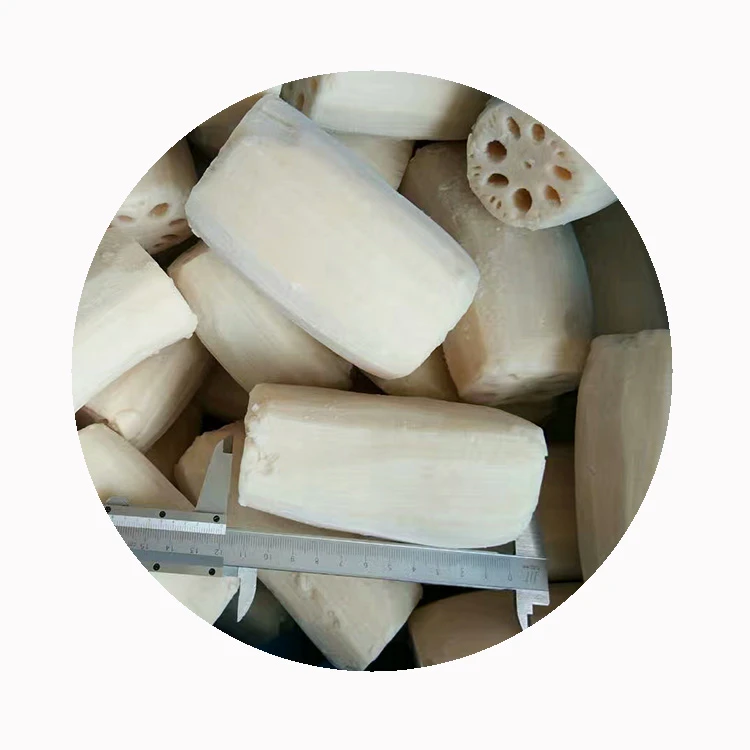
Pack format should suit the amount used at one time. Consider whether the operation portions directly from a larger pack or prepares a complete pack for a production run. Review how product identity and handling directions remain available after the outer carton is removed. These details matter when multiple pale vegetable ingredients are being handled at the same workstation.
Our packing and handling information supports that discussion. Match the pack to the agreed material and workflow, then confirm the actual label for the order. The name of the food, the lot reference and the necessary directions should remain usable where the ingredient is stored and prepared.
The choice is easier when the required plant part stays explicit. Select lotus-root cuts for a vegetable component, a defined seed product for a seed preparation, and culinary leaves for the relevant leaf use. Evaluate the supplied material at the stage where it will be served or processed. That turns a broad plant name into an ingredient decision that can be repeated reliably.
For a frozen lotus-root application, send XMSD the required cut, serving or processing use, pack size and destination. Request a suitable lotus-root sample and product details.