


Angelica in Food: Species, Stems, Roots and Ingredient Choice
Nov 30, 2020

Angelica is an aromatic herb name that needs a species and a plant part beside it. Garden angelica, Angelica archangelica, has established culinary uses, particularly its young stems prepared for confectionery. Dong quai, Angelica sinensis, is a different species associated with Chinese herbal medicine. Neither the shared name nor a resemblance to celery makes these products interchangeable.
For a food purchase, start with the intended dish. Candied stem strips for a cake, a dried botanical root, and chopped celery for soup solve different problems. Ask for the botanical name, the part supplied, its processing state and the full ingredient declaration. Then evaluate a sample in the actual preparation. A package labeled only angelica leaves too much of the decision unresolved.
We approach this from vegetable ingredient selection: the useful question is what a material contributes to the recipe and whether the delivered form matches that purpose. Angelica's culinary history is interesting, but a food specification needs more than history. The distinction between a tender stalk, a mature flowering stem and a dried root affects what can be cut, cooked, portioned and described accurately on the finished product.
Which angelica belongs in a culinary discussion?
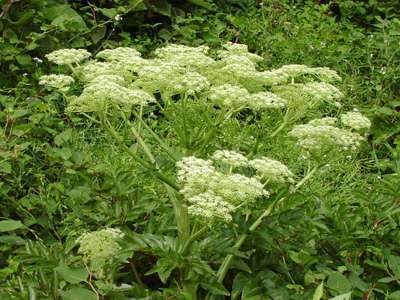
The Royal Horticultural Society identifies Angelica archangelica and A. edulis as plants grown for culinary use, with the softer stems and leaves of A. archangelica making it the preferred choice. It advises harvesting young, tender stems before flower stalks form. That is a specific crop and maturity description. It does not extend automatically to every ornamental angelica sold by a nursery.
Keep the scientific name intact when information moves between languages. A translated common name may be adequate for a familiar meal conversation, but it can obscure the distinction between species in a quotation or receiving record. If a supplier uses a local name, connect that name to the botanical identification on the specification. The purchasing and quality records should point to the same material.
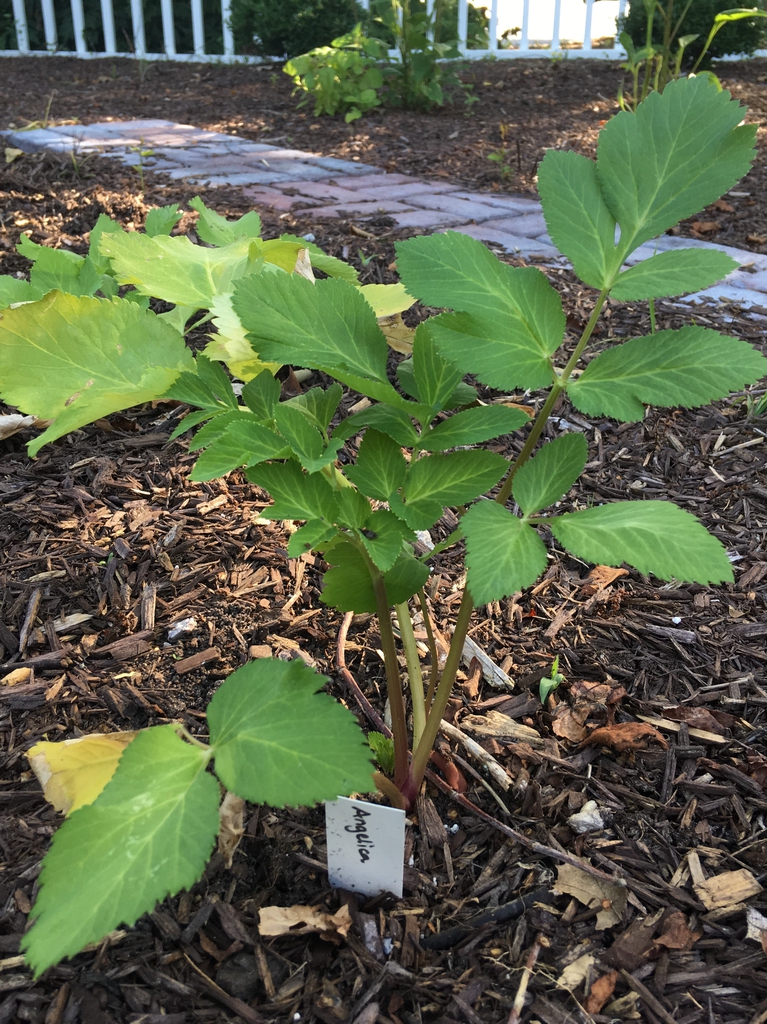
Plant photographs provide context, especially for leaves and growth stages, but they have a limited job. The botanical images here illustrate garden angelica; they are not a field identification key or proof of the identity of a delivery. North Carolina State Extension warns that garden angelica can resemble toxic plants, including poison hemlock. Do not collect an unfamiliar wild plant for food based on an online photograph or a celery-like smell.

For commercial use, a known food supplier is a more workable starting point than an identification exercise at the loading bay. Request the source description and intended edible use before agreeing to receive the material. If a lot arrives under a different species name, hold that discrepancy for review. An attractive sample cannot settle a disagreement between the order and the product identity.
Stems, roots and prepared products have different jobs
Kew's species profile describes candied stalks as a familiar commercial use of garden angelica. It also records culinary uses involving leaf stalks and rhubarb, and roots and seeds used for flavoring. These uses explain why the name appears in both pastry and botanical ingredient discussions. They do not provide a universal substitution ratio between the different parts of the plant.
For a stem product, tenderness and the condition after preparation matter. A confectioner may need a strip that bends without splitting, holds its shape on a cake and cuts cleanly into short decorations. The specification should describe that finished condition. A large green stalk photographed in the field might be the right species but the wrong maturity or preparation for the intended decoration.

A dried root has a different physical role from a candied stem. It may be supplied as an aromatic botanical for a defined process rather than as a visible vegetable piece. Establish whether it remains in the finished food, is extracted and removed, or is supplied as a prepared flavoring. The answer changes the trial method, the purchase description and the information needed from the supplier.
Prepared angelica deserves a full ingredient review. Ask whether a candied product contains sugar, syrup, colors or other declared ingredients; do not infer its composition from its bright green appearance. Also distinguish product weight from the weight of syrup surrounding it. Two offers can look similar in a photograph while providing different quantities of usable strips. Compare the same form on the same weight basis.
We would write the requested output before comparing prices: for example, an identified, prepared stem decoration with an agreed strip size and cutting performance. That wording directs the sample discussion toward the food being made. It also makes clear when a supplier has offered an unprocessed stalk, a root ingredient or an ornamental plant instead. The result is a comparison of relevant products rather than a comparison of names.
Young stems and flowering plants are different material
Angelica's changing appearance is useful context for ingredient choice. Garden images often emphasize the tall stems and flower heads because those features are visually striking. Culinary stem selection has a different purpose. Following the RHS maturity guidance means discussing young, tender material with the grower, rather than assuming the largest or most impressive stem gives the best confectionery result.
During a sample review, inspect several pieces rather than selecting the neatest one for a photograph. Record whether the sample represents the normal mix of stem sizes. Look for the texture and usable length needed in the recipe, and note which preparation steps were used before the sample was sent. A peeled, prepared sample and an unprepared commercial delivery would be a poor basis for agreement.
Trimming can change the quantity available for use. If the operation removes ends, splits stems or excludes tough sections, weigh those removals during the trial. This is a production observation, not a botanical safety test. It helps establish whether a quoted kilogram represents material that the kitchen can use efficiently in its planned shape. Retain the actual method so that a later sample is compared fairly.
Handling deserves attention as well. Kew and North Carolina State Extension identify photosensitivity and contact dermatitis as possible concerns with angelica. Use appropriate protective handling practices for the material and avoid unnecessary contact with sap. A business preparing fresh stems should address that handling step specifically, rather than relying on an instruction written for sealed bags of a finished ingredient.
A pastry trial should measure usable decorations
Worked example: Suppose a bakery is evaluating a prepared angelica stem product for 120 individual cakes, with one 2 g decoration per cake. The planned amount on the cakes is 240 g. If a small cutting trial shows a hypothetical 80% usable yield after trimming and rejecting broken strips, the corresponding received quantity is 240 divided by 0.80, or 300 g. Those figures illustrate planning arithmetic, not a recommended serving or an XMSD product specification.
The trial should reproduce the bakery's real cutting method. Use the same tool, strip length and handling sequence planned for service. Weigh the pieces that are suitable for the decoration separately from syrup, trimmings and fragments. Some fragments may still be useful in a different recipe, but they do not satisfy an order for intact strips. Record that second use separately rather than hiding it inside the decoration yield.
Compare the appearance on the actual cake surface. A strip that is easy to handle on a tray may slip, bend or release moisture after it is placed on icing. Observe the decoration after the planned assembly and holding period under the bakery's established food-handling procedure. This is where the sample becomes meaningful: it must remain suitable at service, not only at the moment the package is opened.
If the strip size changes, repeat the count and weight calculation. A wider piece can raise the amount used per cake even when the number of decorations stays constant. The buying decision then has three connected inputs: usable pieces per received pack, the amount used per finished item and the acceptable appearance at service. A slightly more expensive prepared product may reduce trimming labor, but measure that advantage before assuming it.
The expected outcome of this representative trial is a clear approval record: the named product, its declared ingredients, the sample lot, the preparation method and the observed usable quantity. No actual customer order is implied by the example. The record gives purchasing a concrete description to reorder and gives the bakery a practical check when the next delivery arrives.
Angelica is not a direct replacement for celery
The name wild celery can be misleading in a recipe discussion. Garden angelica and food celery are distinct plants, with different culinary expectations. If a recipe was developed for ordinary celery, replacing it with angelica is a reformulation decision. It needs a suitable food source and a separate flavor and safety review, rather than a simple change of supplier under the same vegetable line.
Our frozen celery range is relevant when the actual requirement is chopped celery for a cooked vegetable base. Start with that requirement plainly. Specify the intended flavor, stem and leaf balance, cut and cooking sequence. Keep an angelica botanical discussion separate when the recipe calls for angelica's distinctive aromatic role. The common-name overlap should not determine the purchase.
Fresh celery and frozen celery also have different texture expectations. The National Center for Home Food Preservation states that celery loses crispness when frozen and recommends the frozen product for cooked dishes. That makes a soup or sauce trial more useful than a raw snack comparison. A frozen vegetable can be an appropriate ingredient without reproducing every characteristic of the fresh stalk.

In our application review, we would look at the cooked piece and the surrounding liquid together. The dice can provide visible vegetable distribution while also affecting the soup's aroma and water balance. A large cut may remain obvious on the spoon; a smaller cut may be less visible. Neither result is automatically better. Choose the form that matches the dish, then keep the cooking method consistent when comparing samples.
Compare a soup ingredient on the same preparation basis
Practical example: Take a manufacturer testing a 10 kg soup formulation with a planned 300 g addition of identified food celery. That is 3% of the initial batch mass. The operation is considering chopped frozen celery to reduce preparation work. Angelica is not a second celery supplier in this comparison; it would be a different ingredient proposal and would require its own approval process.
For the celery comparison, record whether the 300 g is weighed frozen as received or after a defined preparation and draining step. Keep the starting stock and other vegetables the same. Record the final soup mass, visible piece distribution and the sensory result using the operation's normal evaluation method. A difference in final mass can help explain a flavor comparison that otherwise seems inconsistent between trials.
Our frozen diced celery product information identifies a form for that discussion. We would select the sample against the recipe's cut requirement and evaluate it through the complete cook. Reviewing a handful of frozen pieces is useful for obvious size differences, but it leaves the main application question unanswered. The ingredient has to work in the soup actually being produced.

If the preferred sample is approved, retain the form description and trial conditions with the purchasing record. When a later offer changes cut size, leaf content or processing state, compare the changed attribute explicitly. A photograph that looks broadly similar is insufficient when the process variable affecting the recipe has changed. The outcome should be a repeatable celery ingredient choice and a clear boundary against unapproved substitutions.
Other aromatic vegetables, such as onion dice, need their own product names and recipe quantities. Similar piece sizes do not make two vegetables equivalent in flavor or function. Keep each addition on its own line in the recipe so that a change can be traced to the right ingredient.

This example also shows why a botanical common name belongs in the right place. Use the exact ingredient description in purchasing and manufacturing records, even if a casual discussion uses a shorter name. The person weighing a frozen bag into a mixer should not need to reconstruct a conversation about herbs to determine what the recipe requires. A precise label can prevent that ambiguity before production starts.
Food use and herbal treatment are separate questions
Angelica's historical reputation is not evidence that a food or tea treats a disease. Kew records earlier beliefs about the plant as part of its cultural history. A modern food description should identify the ingredient and explain its culinary role. Claims about treating hepatitis, infections or other medical conditions require appropriate clinical evidence and a regulatory basis; they do not follow from the existence of a traditional recipe.
Dong quai illustrates why the species distinction matters. Memorial Sloan Kettering identifies it as Angelica sinensis and describes its use as an herbal medicine. Its guidance advises avoiding dong quai during pregnancy and breastfeeding, and discussing use with a clinician when taking blood thinners such as warfarin or when dealing with hormone-sensitive cancer. Those cautions concern that herb and context, not an interchangeable label for every angelica food product.
If a request is for a supplement, a therapeutic tea or a concentrated extract, route it through the appropriate specialist review. Do not turn a vegetable ingredient conversation into dosage advice. The useful information to supply is the exact product, species, plant part, concentration if applicable and ingredient declaration. A clinician or qualified product specialist needs those details to assess the actual item rather than a vague herbal name.
For culinary development, keep the proposed benefit concrete: aroma, texture, decoration or a defined flavor contribution. That makes the sample trial assessable and keeps the description connected to the food. A candied stem can be discussed as a confectionery ingredient without promising digestive relief. A celery base can be discussed as a vegetable component without presenting it as a treatment.
Keep ingredient and allergen information with the pack
Ingredient changes can require more than a taste comparison. UK allergen guidance includes celery among the regulated allergens, including celery root or celeriac. If a recipe contains celery, assess the actual labeling requirements for the destination and product. Do not describe a formulation as allergen free merely because one ingredient has been replaced with an unfamiliar herb. That conclusion needs a proper review of the complete recipe and handling conditions.
Our celery allergy and product-risk guide explains the celery-specific questions in greater detail. For an angelica proposal, obtain the supplier's own ingredient and allergen information. A family resemblance between plants is not enough to predict an individual's reaction, and an absence from a regulated allergen list is not a universal safety guarantee for every person.
Pack information should stay useful after receipt. A confectionery kitchen may separate prepared strips from a larger container; a soup line may remove inner bags from a bulk carton. Retain the product name, lot reference and handling directions with the material in use. If syrup or other ingredients are part of the supplied product, keep that information available for both recipe calculation and the finished-food declaration.
We discuss these practical handoffs in our frozen-food packaging information. The same basic question applies across formats: what will the operator know when the outer package is no longer beside the ingredient? A clear label and a suitably sized pack can make the agreed specification usable at the workstation. A generic green-stem description cannot do that job.
The final choice should therefore be easy to state. Select a specifically identified culinary angelica product when the recipe needs that herb and its supplied part. Select identified food celery when the recipe needs celery. Keep roots, extracts, fresh stems and candied decorations as separate product forms, with their own preparation and information requirements. This gives both the kitchen and purchasing a decision they can repeat.
For cooked vegetable applications, send XMSD the named crop, desired cut, recipe use, pack size and destination. We can review suitable products from our frozen-vegetable range. Discuss your frozen vegetable ingredient requirement.