


Frozen Food Kosher Certification: Buyer Scope Guide | XMSD
Aug 16, 2026

Approve a kosher claim only when the certificate and certifying agency cover the exact legal manufacturer, production address, product, brand, designation, packing presentation, and production period used for your order. A kosher logo on a brochure, an undated PDF, or a certificate belonging to another facility does not establish that your SKU may carry the symbol.
Kosher certification concerns religious dietary requirements applied to ingredients, processing, equipment, handling, and labeling under the certifier's program. It is not a nutrition claim, medical benefit, microbiological guarantee, or substitute for food-safety approval. Our recommended gate is to verify the certifier, certificate holder, facility, authorized product list, status such as pareve or dairy, validity dates, private-label permission, symbol artwork, and any production restrictions before packaging is printed or a purchase order is released.
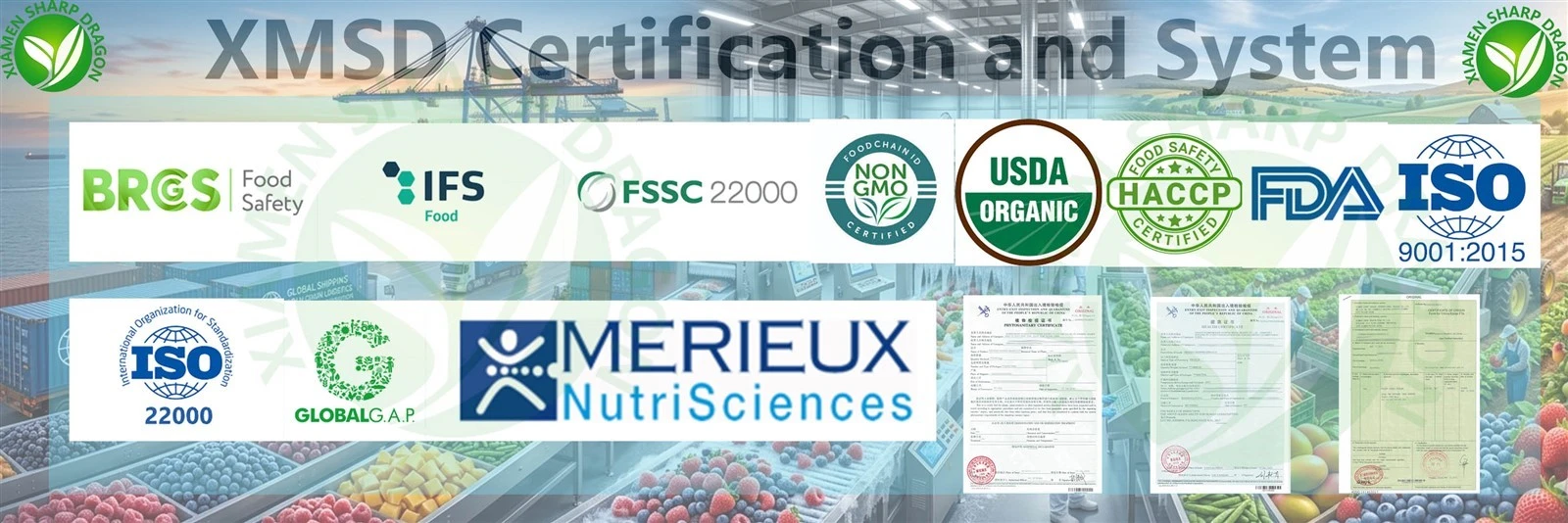
Certificate approval begins with issuer, holder, address, product schedule, designation, validity, and order identity.
Understand What Kosher Certification Does
Kosher certification is a supervised program in which a certifying agency evaluates the ingredients, equipment, processes, procedures, and labels used for named products. OU Kosher describes kosher as a system governing ingredients and how food is prepared, processed, and handled. OK Kosher likewise requires product, ingredient, process, facility, and continuing program information. The authorized agency-not the supplier, buyer, or designer-determines the religious status and symbol conditions within its program.
For procurement, translate certification into controlled data. What certifier issued the document? Which legal company and plant address are named? Which products and brands are listed? Is the product identified as pareve, dairy, meat, or subject to another notation? Is Passover coverage included or separate? What issue and expiry dates apply? Which symbol and qualifier must appear? Are special production, inspection, seal, or lot conditions required?
Keep food safety separate. A kosher certificate does not replace a hazard analysis, supplier approval, microbiological and chemical controls, allergen management, traceability, specification, COA, packaging review, or cold-chain evidence. Build a parallel file for the destination and buyer program, then connect both files at product and lot identity.
Define the Order Before Requesting Evidence
A certificate cannot be matched to a vague request. State the exact product, botanical or commercial identity, style, formula, processing state, pack size, brand, country of sale, buyer channel, manufacturing plant, packing plant, and required production window. For a product from our frozen fruit, vegetable, and mushroom range, identify whether it is plain IQF produce, a seasoned component, a coated item, a sauce-containing blend, or a private-label retail pack.
Ask the buyer's customer or rabbinic authority which agencies and designations it accepts. Acceptance is a commercial gate: a valid certificate from one agency may still fail a retailer, food manufacturer, distributor, or community requirement. Record the accepted agency list, required symbol, special market condition, certificate-copy format, database verification, remaining-validity rule, and approval owner.
Example: plain versus formulated SKU. The buyer requests IQF diced mango and a mango smoothie pack under one approval. The plain fruit has one ingredient; the smoothie pack includes fruit, juice concentrate, acidulant, and a premix. Even if the same plant packs both, the formulated product needs its own ingredient, process, product-list, and label review. The buyer sends two scope rows rather than assuming one certificate covers a product family.

The certificate row must connect to the exact product, process, inspection, pack, facility, and shipment route.
Verify the Certifying Agency and Live Status
Obtain the certificate from the certified company or agency portal, then verify it through contact information published by the certifier. Do not rely only on a forwarded file. Confirm the agency name, official domain, certificate number or account reference, holder, plant, product schedule, designation, issue date, expiry, and status. Record the verification date, method, result, reviewer, and agency contact or database reference.
Inspect document integrity. Look for altered names, mismatched fonts, cropped pages, missing schedules, inconsistent dates, low-resolution seals, an unofficial email address, or a symbol that differs from the agency mark. A certificate may be genuine yet unrelated to the quoted factory or product. Authenticity and scope are separate tests.
Set a renewal trigger early enough for seasonal production and ocean transit. If a certificate expires on September 30, an August production is not automatically suitable for every buyer when shipment, relabeling, or sale continues later. Ask the certifier and buyer how production date, certificate validity, shipment, inventory, and label use are treated. Record the exact answer rather than inventing a universal rule.
Match Holder, Facility, and Production Line
A trading company, brand owner, processor, cold store, and packing site are different entities. The quoted supplier may coordinate the order while the certificate is issued to a partner factory. Verify the certified legal holder and physical address against the manufacturing and packing route. If frozen product is processed at Plant A, stored at Warehouse B, and repacked at Plant C, ask the certifier which sites and transfers must be covered.
Map equipment and line use. Plain vegetables can share washers, blanchers, freezers, conveyors, weighers, or packing machines with other products. The agency may establish approved ingredients, scheduling, cleaning, segregation, supervision, or equipment procedures. Request the program evidence allowed for disclosure and confirm that the proposed line appears in the certified route. Never issue religious instructions to the factory independently of the certifier.
Example: alternate packer. Peak-season capacity moves retail packing from the certified processing plant to a nearby contract packer. Product identity and ingredients do not change, but the packing location, equipment, label control, and custody do. The commercial team pauses artwork release and asks the certifier whether the alternate site can be added or whether packing must remain at the named plant.

Facility scope follows the real processing and packing route, not only the seller name on a quotation.
Review Every Ingredient and Processing Input
Whole frozen produce can appear simple, but the approved formula and process must still be confirmed. Review fruit or vegetable identity, water, salt, sugar, acidulants, oils, flavors, colors, anti-browning treatments, glazing materials, coatings, sauces, premixes, rework, and any ingredient introduced by the buyer. Ask the certifier which processing aids, release agents, defoamers, lubricants, cleaning transitions, and food-contact uses matter to its program.
Control source changes. OK Kosher's program guidance states that ingredients and supplier changes for an ingredient require review under its approval system. Build a source-level list rather than relying on a generic material name. Link each approved material to vendor, facility, product code, kosher evidence where applicable, status, expiry, and receiving check.
For mixed vegetables, fruit blends, mushrooms with seasoning, or retail meal components, reconcile the complete formula with the approved product schedule. A single unapproved minor ingredient can prevent symbol use. Our order coordination and inspection process can collect product and packing facts, while the certifying agency retains authority over kosher approval.
Treat Produce-Specific Questions as Certifier Decisions
Frozen fruits, vegetables, and mushrooms raise commodity-specific questions. Leafy and floret vegetables may need particular inspection or cleaning treatment within a kosher program because of insect concerns. Grape-derived ingredients can have special status. Shared equipment can connect a plain pareve product to dairy or meat production. Passover certification can require a separate scope and symbol notation. These matters depend on product, agency, facility, and religious standard.
Do not turn general knowledge into plant instructions. Send the certifier the botanical product, origin, raw receiving condition, wash and inspection steps, cut, blanching, additives, line diagram, shared products, rework, packing, and seasonal schedule. Ask for written requirements and acceptance. Train plant staff to the approved procedure and retain the records specified by the agency.
Keep religious and food-safety controls connected but distinct. An insect-control inspection for kosher status does not replace the buyer's foreign-material specification, hazard analysis, pesticide-residue plan, microbiological controls, or legal compliance. One observation can support several systems, but every release decision must follow its own authority and limit.
Approve the Product Schedule and Designation
The certificate or attached schedule should list the authorized product and brand in a way that matches the order. Check product code, description, formula family, brand, designation, special qualifier, production site, and symbol. Avoid approximate matches such as treating "IQF vegetable products" as automatic coverage for a seasoned retail mix without confirmation.
Pareve, dairy, and meat-related markings affect how customers use and label the food. Do not infer status from an ingredient declaration alone because equipment and procedures can matter. Ask the certifier to confirm the exact designation and artwork. If you need Passover use, state it at quotation stage and request the specific authorization; ordinary year-round certification is not proof of Passover coverage.
Example: designation mismatch. A private-label brief calls a frozen dessert component pareve, while the approved schedule marks the proposed facility's version dairy. The team does not delete the qualifier from the artwork. It asks the certifier whether a different approved formula and line can achieve the required status, then prices and samples that route separately.
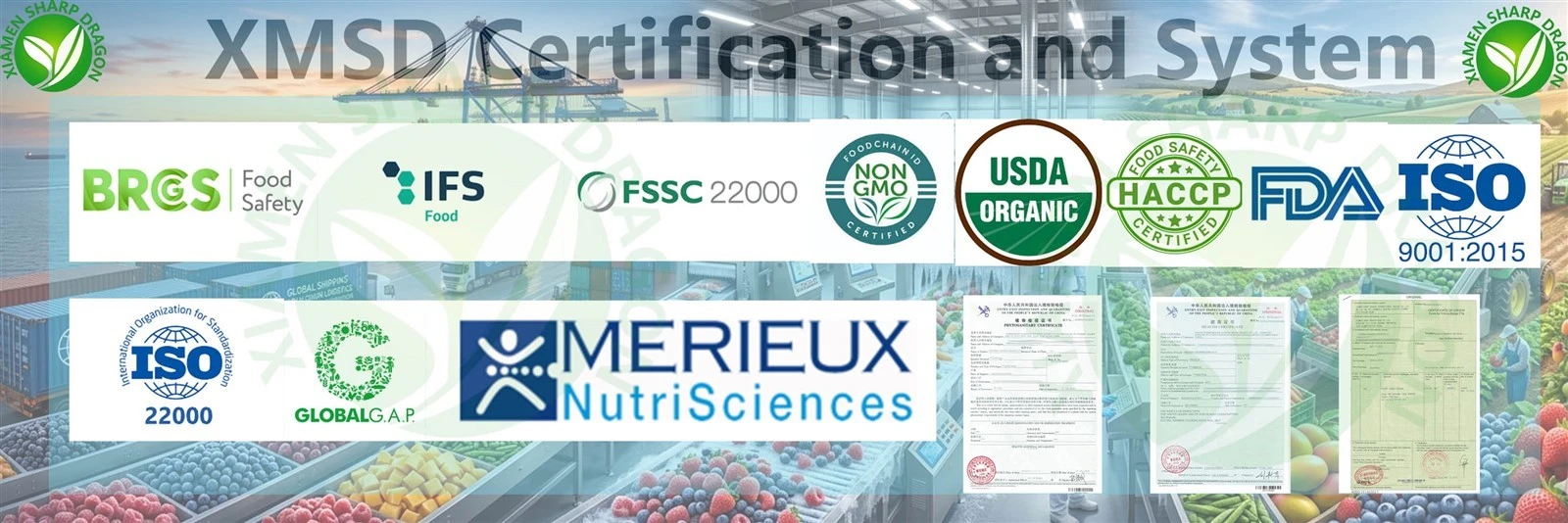
Match certificate rows to product code, brand, plant, designation, symbol, and validity before sign-off.
Control Private-Label Authorization
Certification of a manufacturer's product does not automatically authorize every customer brand to print the agency's trademark. OU and OK materials describe private-label agreements and label review within their programs. Confirm the manufacturer, private-label owner, product, brand, symbol, designation, and packaging site with the agency before final artwork.
Build a label-approval packet containing the flat artwork, all panels, ingredient declaration, product and brand names, net quantity, manufacturer or distributor statement, required qualifiers, symbol position and color, destination language, barcode, date and lot coding, and print specification. The certifier's approval covers its mark and religious designation; food-law, allergen, nutrition, origin, storage, and importer labeling remain separate buyer responsibilities.
Release print files through version control. Assign an artwork number, revision, approvers, approval date, printer proof, packaging quantity, plant, and obsolete-stock disposition. Review our frozen packaging controls when aligning film, carton, code, pallet, and private-label evidence.

Approved brand, symbol, product, plant, pack, and code must remain connected through print and packing.
Create an Order-Level Scope Matrix
| Order field | Evidence | Pass condition | Owner |
|---|---|---|---|
| Agency and status | Agency portal or written verification | Accepted agency; certificate active | Buyer compliance |
| Holder and plant | Certificate and route map | Legal entity and physical site match | Supplier QA |
| Product and designation | Authorized schedule | Code, description, brand, status match | Agency contact |
| Ingredients and line | Approved formula, source list, procedure | No unapproved input or route change | Plant kosher coordinator |
| Private label | Agreement and artwork approval | Brand and symbol use authorized | Brand owner |
| Production and shipment | Lot record and valid certificate | Date, site, SKU, pack, and marks reconcile | Release checker |
Attach every row to a controlled file rather than a sales statement. Mark pass, fail, expiry risk, or agency confirmation needed. Do not let "same as last order" bypass review when the factory, crop, formula, supplier, pack, brand, or certificate period changes. The matrix becomes the bridge between certification, purchase, production, artwork, and release.
Keep the XMSD certification and document gallery as capability evidence, then request the order-specific certificate and schedule for the selected factory and product. A gallery image does not close the scope matrix.
Use the matrix at quotation, sample, artwork, production, and shipment review. A row can change from pass to fail when an expiry arrives, a supplier is substituted, or a pack moves to another site. Date every review and retain the evidence version so the release checker can reconstruct why the exact lot was eligible.
Control Production, Packing, and Lot Release
Before production, confirm the approved ingredient sources, formula, line, cleaning or scheduling procedure, supervision requirement, label version, packaging quantity, production window, and plant contact. The certifier may require records or visits under its agreement. Plant personnel should follow that written program and escalate any deviation before use.
At receiving, match controlled materials to the approved list by supplier, product name, code, symbol or document, lot, and expiry where required. At packing, clear the line of obsolete film and cartons, verify the symbol and qualifier against the approved proof, challenge the scanner or vision system, reconcile packaging issued and returned, and isolate any ambiguous units.
At release, connect batch number, SKU, brand, plant, date, ingredient lots, line, label revision, case marks, pallet IDs, quantity, certificate validity, and any agency-required evidence. Store kosher records with the batch file while keeping food-safety, quality, legal-label, and cold-chain approvals visible as separate gates.
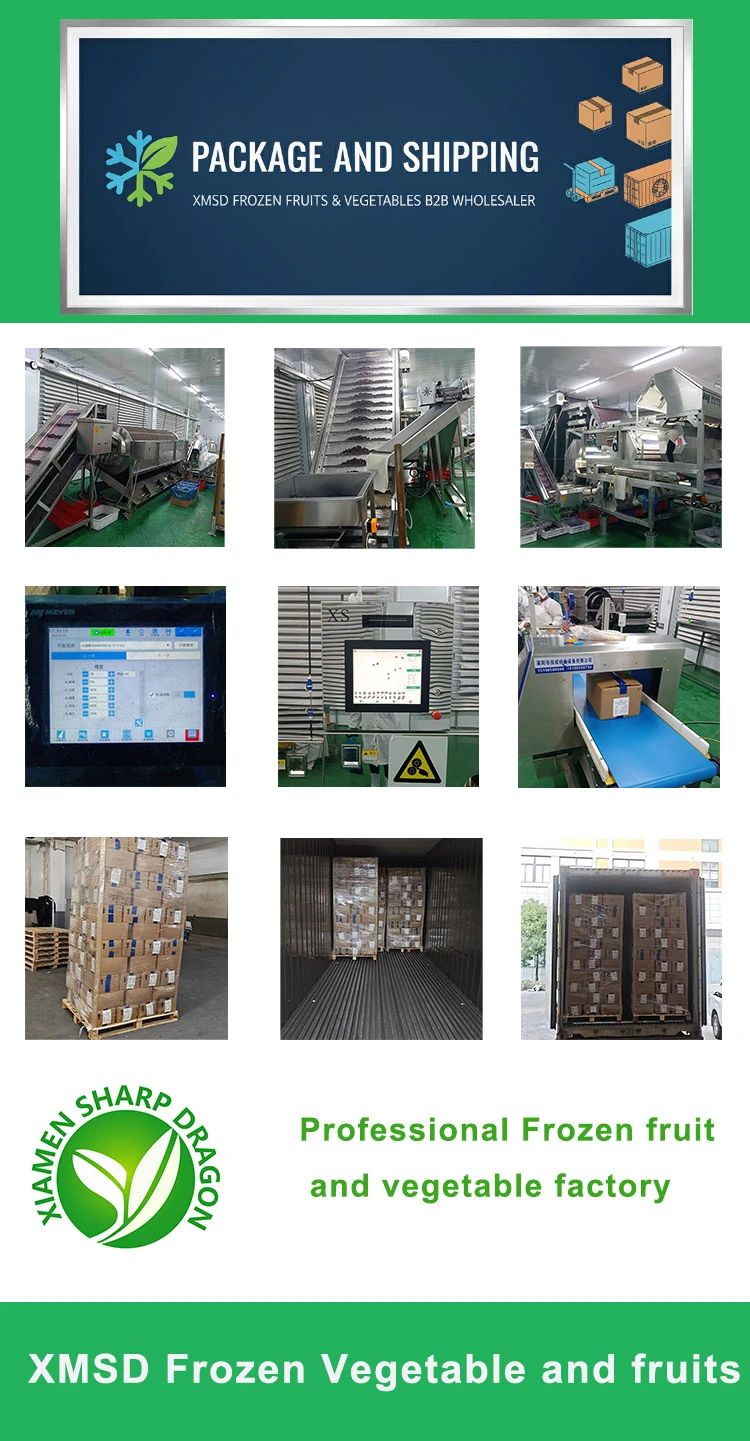
Release joins authorized SKU and label data with the exact processed, packed, palletized, and shipped lot.
Require Change Control Before Substitution
Freeze the approved route in the purchase order and plant work instruction. A change to ingredient supplier, formula, processing aid, rework rule, equipment, facility, subcontractor, private-label brand, pack, artwork, designation, certificate, or production schedule triggers assessment. The responsible kosher coordinator submits the change to the certifier and waits for documented approval before implementation when the program requires it.
Commercial urgency does not create permission. A substitute acidulant may be food-safe and functionally identical yet outside the approved source list. A new bag may carry a symbol copied from an earlier brand without private-label authorization. A capacity transfer may move packing outside the named facility. Each can break the claim even when product quality remains acceptable.
Close changes with updated schedules, certificates, formula lists, work instructions, label approvals, training, receiving controls, effective dates, obsolete-document withdrawal, and buyer notice. Retain the agency response and link it to the first affected lot.
Audit Certificate Coverage with Numbers
Worked example: order-scope coverage. A retail program orders 12 exact SKU-brand-pack combinations across frozen fruit and vegetables. Verification finds that 10 combinations match the live product schedule, facility, designation, and private-label approval. One new brand lacks its agency agreement, and one seasoned SKU is absent from the product schedule. Verified coverage is 10 ÷ 12 × 100 = 83.33%, rounded to 83.3%.
The team releases none of the missing combinations. It sends the brand agreement and seasoned formula for agency review, separates their artwork and production, and maintains the ten verified rows as eligible subject to the remaining quality and order gates. A program percentage is a management signal, not permission to blend uncovered items into an approved order.
Add commercial exposure. If 64,000 printed bags at USD 0.12 each bear an unauthorized mark, film exposure is 64,000 × USD 0.12 = USD 7,680. If controlled disposal, repacking setup, and line downtime add USD 1,900, the stated basis becomes USD 9,580. Across a 20,000 kg order, that equals USD 9,580 ÷ 20,000 kg = USD 0.479/kg. These figures are illustrative; use written supplier, printer, labor, disposal, certifier, and delay costs for the actual decision.
Buyer Approval Checklist
- The buyer or customer accepts the named certifying agency and designation.
- Agency verification confirms active certificate status, holder, address, and dates.
- The authorized schedule matches product code, description, brand, and symbol.
- Processing, packing, storage, and subcontracted sites match the covered route.
- Formula, ingredient sources, processing inputs, rework, and shared equipment follow the approved program.
- Private-label agreement and final artwork approval cover the exact brand and pack.
- Production date, certificate period, supervision, records, and shipment timing are acceptable.
- Food-safety, legal-label, specification, traceability, packing, and cold-chain gates also pass.
- Change control blocks unauthorized substitutions and retains agency responses.
Approve only when evidence covers the real order, not a nearby product or corporate relative. Assign one scope owner and an independent checker. An open row needs agency confirmation, an order change, a different approved route, or removal of the claim and mark before commercial release.
Record the decision in the purchase and batch file with certificate version, agency verification date, authorized schedule, artwork revision, production route, and approvers. If a customer standard is stricter than the supplier's normal program, attach that requirement and its acceptance evidence rather than relying on a verbal note.

Kosher scope, product quality, packing, traceability, and frozen-chain approval all need to reach the shipment gate.
Send the product, formula, pack, brand, destination, accepted agency, required designation, volume, production window, and selected facility. We will identify the order and production documents available for your scope review and certifier communication.
Frequently Asked Questions
Does plain frozen fruit or vegetable always qualify as kosher?
Do not assume so for a commercial claim. The certifier reviews product identity, ingredients, processing inputs, equipment, facility, procedures, and commodity-specific concerns. Request written coverage for the exact product and plant.
Is a kosher certificate also proof of food safety?
No. It supports religious dietary status under the agency program. Food safety needs separate hazard controls, legal compliance, testing, traceability, specifications, audits, and release evidence. Review our importer support overview when building the complete order file.
Can a buyer print the certifier's symbol on a private-label bag?
Only after the certifying agency grants the required private-label and artwork authorization for the brand, product, manufacturer, designation, and symbol. Manufacturer certification alone is not automatic trademark permission for every customer label.
What happens when an ingredient supplier changes?
Stop the substitution from entering certified production and submit it through the certifier's change process. Update the approved ingredient list, receiving control, formula record, and effective date only after the required approval is documented.
Which files should an importer request before production?
Request agency verification, the certificate and product schedule, plant address, product and designation match, approved private-label evidence, label proof, validity dates, and any order-specific production requirement that can be shared. Keep these with the purchase specification, food-safety documents, packing approval, and lot-release plan.
References
- OU Kosher - Certification and kosher system overview
- OU Kosher - Steps to certification, ingredients, product schedules, and labels
- OU Kosher - Application, facility review, product list, and private label
- OK Kosher - Getting certified and maintaining a program
- OK Kosher - Certification manual for ingredients, equipment, production, labels, and private labels
- OK Kosher - Ingredient, product, label, facility, and private-label approvals