


Frozen Food Bill of Lading: Cargo Release Guide | XMSD
Aug 16, 2026

A frozen-food importer should select the transport document and cargo-release method before booking, not after the reefer is sailing. An original negotiable bill of lading, straight bill of lading, sea waybill, and carrier-operated electronic release do different jobs. The correct choice depends on payment security, transfer of control, carrier rules, destination law, bank requirements, party identity, document transit time, and the risk that the container reaches port before release is ready.
Our working rule is simple: name the release instrument, consignee, notify party, original count, surrender or electronic process, freight status, and responsible owner in the contract and shipping instructions. Review the carrier draft against the commercial invoice, packing list, letter of credit, customs data, container and seal record. Then test whether the destination agent can release the cargo to the intended company without missing papers, bank control, identity evidence, or local fees.

The release method must be ready for the actual carrier, route, destination agent, consignee, and payment structure.
Start with the Function, Not the Document Name
A bill of lading commonly performs three commercial functions: it acknowledges receipt of cargo, evidences the contract of carriage, and, when the legal form is transferable, supports control over delivery through possession or electronic control. A sea waybill is normally non-negotiable and directs delivery to the named consignee without presentation of an original title document. Exact legal effects depend on the governing law, carrier terms, wording, and circumstances, so the buyer should have trade counsel or its bank review unusual structures.
Write the required function first. Is the bank meant to retain document control until payment? Must the seller be able to redirect delivery? Will the goods be resold in transit? Is the consignee already trusted and fully paid? Is a paper original likely to arrive after a short sea voyage? The answers determine whether negotiability, presentation, speed, or direct named delivery is the priority.
Example: short-sea timing. A refrigerated container has an eight-day voyage, while issuance, signature, bank handling, courier transit, and a weekend can consume ten days. Requiring paper originals without an arrival plan creates a predictable hold. The parties either build a safe release timetable, choose an acceptable electronic transferable process, or use a sea waybill after payment and counterparty controls support named delivery.
Compare Four Release Structures
| Structure | Primary control | Release action | Main buyer check |
|---|---|---|---|
| Original negotiable bill | Possession, endorsement, and lawful holder status | Present the required original through the carrier process | Original set, endorsements, bank custody, and courier timing |
| Straight bill | Named consignee under applicable terms and law | Follow carrier and destination presentation rules | Do not assume "non-negotiable" means no original is needed |
| Sea waybill | Carrier instruction to deliver to a named consignee | Consignee satisfies identity, charges, and arrival formalities | Payment and diversion risk are controlled without title presentation |
| Electronic transferable bill | Exclusive electronic control through a reliable system | Transfer or surrender through the accepted platform | Legal recognition, rulebook, interoperability, bank, and carrier acceptance |
Do not select by habit or a single label in an email. Ask the ocean carrier or NVOCC for the named product, governing terms, issuance method, amendment method, surrender steps, destination release steps, identity evidence, original fee, electronic fee, and cut-off. Confirm whether a house bill and master bill coexist and which one controls the buyer-facing release.
The most protective structure is not always the one with the most paper. A negotiable original can secure payment control yet create document-transit exposure; a sea waybill can speed collection yet remove a seller's practical hold over delivery. Score both consequences against voyage length, payment status, bank handling, resale plans, carrier rules, destination practice, and the cost of a reefer hold. Record why the selected structure fits the named order.

Product, inspection, packing, loading, and transport facts must form one consistent evidence chain.
Map Every Party and Its Authority
Record the legal name and role of the shipper, carrier, NVOCC, freight forwarder, consignee, notify party, destination agent, customs broker, applicant, beneficiary, issuing bank, nominated bank, insurer, and final warehouse. A notify party receives arrival information; that role alone does not necessarily create a right to take delivery. A forwarder arranging transport may issue a house bill while an ocean carrier issues a master bill. The release chain fails when teams discuss "the bill" without identifying which document and issuer they mean.
Verify legal names against corporate and bank records. Check address, company registration or tax identifiers where the destination system requires them. Confirm who can sign shipping instructions, approve the draft, request an amendment, surrender originals, instruct a change of consignee, receive an electronic record, and collect the delivery order. Require dual approval for release-changing instructions and verify sensitive requests through a known channel rather than replying to an unverified email.
Example: house-and-master mismatch. The master document names the forwarder's destination agent, while the house document names the importer. The importer prepares only for direct carrier release and discovers that the forwarder must first close charges and authorize the house-level release. A party map agreed at booking reveals both steps and assigns owners before arrival.
Write Complete Shipping Instructions
Treat shipping instructions as controlled master data. Include shipper, consignee, notify party, document type, number of originals, place of receipt, port of loading, port of discharge, place of delivery, vessel and voyage when available, goods description, marks, package count, net and gross weight, container and seal, freight prepaid or collect status, references, and destination contact details. State whether data are final, provisional, or carrier-generated.
The commercial team, logistics owner, customs broker, and document checker should share one approved data sheet. Draw product wording from the order for the agreed frozen fruit, vegetable, or mushroom product. Draw weight and carton data from final pack-out. Draw container and seal data from loading records. Draw route and vessel data from the confirmed booking. Do not ask one employee to retype facts from several messages at the issuance cut-off.
Freeze the instruction version at a defined time. Later changes need a request number, reason, requester, approver, carrier response, fee, affected document list, and recheck. If the carrier changes the vessel or voyage, propagate that approved fact to documents that require it while preserving the audit trail.
Control the Goods Description and Reefer Data
The transport description should identify the cargo without importing the complete quality specification into a carrier document. Align product name, frozen status, packing format, package count, net and gross weight, shipping marks, HS code when required, and any regulatory description that feeds manifest or customs systems. Ensure the invoice, packing list, certificate set, customs filing, and bank presentation do not contradict the transport document.
A refrigerated booking also has operational data that may sit outside the bill: set point, ventilation, humidity instruction, controlled-atmosphere setting, pre-trip inspection status, plug-in time, loading temperature, verified gross mass, and monitoring method. Assign a source and owner to each. The presence of the word "frozen" on a bill does not prove cargo temperature or continuous reefer operation; preserve equipment and temperature evidence separately through our order coordination and inspection process.

Document release and physical cold-chain control must remain connected, especially when arrival is earlier than expected.
Check the Draft Field by Field
Review the carrier draft before issuance. Use two people: a maker who compares every field to the approved data sheet and a checker who repeats the review without relying on the maker's marks. Confirm document type, original status, shipper, consignee, notify party, carrier identity, receipt and delivery places, ports, vessel and voyage, shipped-on-board notation and date, freight status, goods description, packages, weights, marks, container, seal, and clauses added by the carrier.
Classify differences. A harmless presentation difference can be logged. A legal-party, title, route, shipment-date, quantity, freight, or container error needs correction. A bank-controlled shipment needs a separate check against the operative credit and accepted amendments. Do not approve a draft because the product and ports look right while consignee order wording, original count, or on-board notation remains wrong.
Example: freight-status conflict. The sales term and quotation assign main freight to the seller, but the draft says "freight collect." The buyer flags the conflict before issuance, the carrier corrects the draft, and the invoice and transport record remain consistent. Waiting until destination can expose the consignee to a release hold or duplicate charge dispute.

A field-by-field check connects final production and loading evidence with the carrier draft.
Protect the Original Bill Set
When paper originals are issued, record the full set count, issuer, issue place and date, serial or tracking reference, signer, recipient, storage location, endorsements, bank presentation, courier dispatch, delivery confirmation, surrender, and cancellation or void status. Restrict access. A photocopy or draft is not the same as an issued original, and possession alone may not cure a missing or incorrect endorsement.
Use tracked courier service with a verified bank or company address, recipient contact, shipment deadline, and escalation rule. Scan the dispatched set for audit evidence, but do not represent the scan as the operative original. If a package is delayed or lost, contact the carrier, bank, insurer, counsel, and commercial parties immediately. A lost-original process may require indemnities, security, court involvement, carrier approval, and substantial time; never promise quick release before the responsible carrier accepts the remedy.
Document identity, scope, signature, version, and custody are part of shipment control.
Use Surrender and Telex Release with Defined Safeguards
"Telex release" is common commercial language, but carrier procedures differ. One carrier may require the shipper to surrender every issued original at origin and pay a fee before an electronic instruction reaches destination. Another may provide a surrender confirmation or online status. A forwarder may operate a separate house-document process. Ask for the precise procedure and evidence rather than relying on the phrase.
Release authority is sensitive. Verify that payment and bank conditions permit surrender. Confirm that all originals are accounted for, the requester is authorized, the consignee is correct, and no stop or dispute notice exists. Require dual approval, known-channel verification, carrier confirmation, destination-agent acknowledgement, and a status check before telling the consignee to collect. Segregate authority so one employee cannot change the consignee and approve surrender alone.
Example: fraudulent instruction control. An email asks the forwarder to change the consignee and surrender the originals urgently. The message uses a familiar display name but a different domain. Staff stop the request, call known contacts, compare the contract and bank status, and require authorized dual approval. The attempted diversion never reaches the carrier.
Know When a Sea Waybill Is Suitable
A sea waybill can remove paper-original transit time and simplify delivery to a named consignee. It may suit an established relationship, intercompany movement, prepaid shipment, or transaction where the seller does not need transferable title control. It is not a universal shortcut. The exporter may lose practical control over diversion or delivery once the carrier has committed to named delivery, subject to the carrier terms and law.
Before selecting it, confirm payment completion or acceptable unsecured exposure, consignee identity, destination acceptance, bank compatibility, carrier amendment rules, sanctions and compliance screening, customs requirements, and the person authorized to obtain the delivery order. Ask whether the carrier needs an arrival notice, guarantee, company stamp, identity document, electronic release code, fee payment, or broker appointment.
Do not confuse a sea waybill with a surrendered original bill. They begin with different documentary structures even if both may allow cargo delivery without the consignee presenting an original at destination. The contract, invoice, shipping instructions, and bank documents should use the agreed term consistently.
Assess Electronic Bills as a Legal and Operating System
An electronic transferable bill is more than a PDF. UNCITRAL's Model Law on Electronic Transferable Records uses functional equivalence, integrity, and control concepts so an electronic record can perform the role of a transferable paper document when a reliable method satisfies the applicable requirements. The United Kingdom's Electronic Trade Documents Act 2023 similarly recognizes qualifying electronic trade documents, including bills of lading, under its statutory criteria. Adoption and legal effect vary by jurisdiction.
The DCSA bill-of-lading standard supports standardized exchange for shipping instructions, transport-document issuance, amendment, and surrender. Technical standardization does not remove the need to approve the legal rulebook, platform provider, carrier process, bank acceptance, identity controls, security, transfer method, interoperability, record retention, outage procedure, and change-of-medium process.
Run a full-path test before a high-value shipment. Can the exporter receive and transfer control? Can the bank receive, examine, and transfer it under the payment instrument? Can the importer accept control and surrender it to the carrier? Does the destination agent see the completed status? What happens if a participant is not on the platform, access credentials fail, or a correction is needed after issuance? Record the answers and a paper or alternate fallback permitted by the carrier and law.

Digital transfer still depends on accurate lot, carton, weight, party, route, container, and seal data.
Align the Bill with the Payment Instrument
A documentary credit can specify the transport document, consignee order wording, notify party, clean-on-board status, port or place, shipment date, original set, freight statement, and presentation deadline. Review those conditions before booking because the carrier may refuse nonstandard wording or cannot issue the document early enough. Use the separate frozen-food letter-of-credit document guide to map document issuers and presentation controls.
Do not surrender an original set, change consignee wording, convert to a sea waybill, or move to an electronic process without confirming the effect on the credit, collection, financing, insurance, and seller's payment security. A commercial buyer request does not amend a bank instrument. Obtain formal amendments and written approvals through the proper channels before changing the transport-document path.
For documentary collection, distinguish documents against payment from documents against acceptance and confirm which transport document gives meaningful control. For open-account trade, a sea waybill may support speed, but credit insurance, limits, shipment release, and overdue escalation remain separate. Payment and cargo release should be designed together while retaining different owners and evidence.
Prepare for Cargo Arrival Before Documents
Build a milestone table from loading to free-time expiry: on-board date, carrier issuance target, bank presentation, examination, dispatch or electronic transfer, estimated arrival, manifest cut-off, customs filing, original receipt, surrender confirmation, arrival notice, delivery-order readiness, terminal free time, appointment, and warehouse receiving slot. Mark the latest safe date for each step, not merely the planned date.
If release may be late, ask the carrier and terminal for written local procedures and tariff bases. Confirm reefer plug-in and monitoring while held, customs status, possible move to an approved depot, demurrage or detention definitions, weekend access, delivery-order hours, and required guarantees. Do not move or open cargo without customs and carrier authority. Keep temperature and seal custody intact.
Use a daily exception call as arrival approaches. The owner reports document location or electronic control status, bank status, carrier release status, customs readiness, charges, reefer status, free-time balance, and action deadline. Escalate by cost and risk, not organizational hierarchy alone.
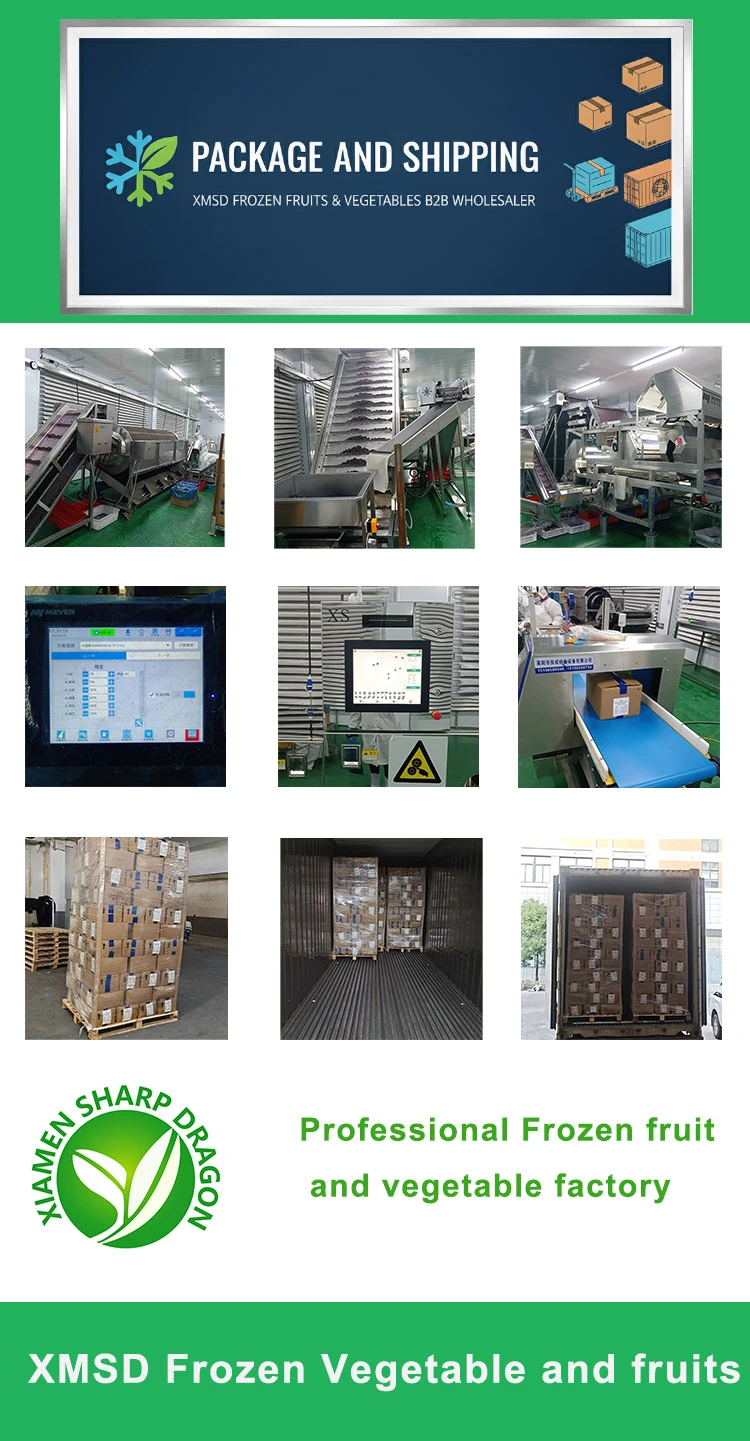
A release delay needs documented container, seal, pallet, loading, temperature, and custody evidence.
Correct Errors Without Losing Control
When an error is found, determine whether the document is still a draft, already issued, transferred, endorsed, presented to a bank, surrendered, manifested, or used for customs clearance. The correction route changes at each stage. Ask the issuer what can be amended, who must consent, whether issued originals must be returned or voided, how electronic control is handled, and what fees and deadlines apply.
Classify the impact across cargo release, bank compliance, customs, insurance, sanctions screening, tax, and commercial records. A spelling correction can become material if it changes the legal consignee. A weight correction may affect manifest and customs data. A route or on-board-date change may affect the credit. Obtain written carrier instructions and do not create an altered document outside the issuer's process.
Close the amendment with a version register. Record the error, root cause, request, approvals, carrier response, voided versions, issued version, downstream corrections, bank acknowledgement, destination confirmation, cost, and preventive action. Reconcile the final record against the invoice, packing list, customs entry, insurance, and delivery order.
Calculate the Cost of a Release Delay
Worked example: three-day release delay. A frozen-food container is available, but original-document delivery is late by three chargeable days. Equipment and terminal charges are USD 310 per day, producing 3 × USD 310 = USD 930. Additional reefer power and monitoring are USD 145 per day, producing 3 × USD 145 = USD 435. Local document and delivery-order administration is USD 180. The stated delay basis is USD 930 + USD 435 + USD 180 = USD 1,545.
If the accepted net quantity after authorized receipt and inspection is 19,600 kg, the release-delay basis equals USD 1,545 ÷ 19,600 kg = USD 0.07883/kg, rounded to USD 0.079/kg. Add it to the landed accepted cost only when the buyer's commercial method assigns that expense to the shipment. It is not automatically recoverable from another party.
The figures are illustrative, not a carrier or terminal tariff. Obtain written destination tariffs, free-time terms, calendar rules, tax, currency, power fees, monitoring fees, delivery-order charges, guarantee costs, storage, customs movement, and truck changes. Compare preventive choices on the same basis. An USD 85 tracked courier upgrade or approved electronic path can be commercially rational when it avoids a plausible USD 1,545 exposure, but only if control and legal acceptance remain adequate.
Release-Gate Checklist for Frozen-Food Buyers
- Contract, payment method, transport document, and release method agree.
- Carrier, NVOCC, house bill, master bill, destination agent, and each authority are identified.
- Shipper, consignee, notify party, bank, and receiving company legal names are verified.
- Goods, packages, weights, marks, ports, vessel, voyage, container, seal, freight, and on-board data reconcile.
- Original count, endorsements, custody, courier, surrender, and void status are logged.
- Electronic platform, rulebook, legal recognition, bank acceptance, security, and outage path are approved where used.
- Destination identity, charges, delivery order, customs filing, reefer power, free time, truck, and warehouse slot are ready.
- Dual approval and known-channel verification protect changes to consignee or release authority.
- A dated arrival contingency names decision owners, escalation triggers, and cost authority.
Complete the gate before the latest safe shipping-instruction cut-off. A failed item requires a documented choice: correct the data, amend the payment or carriage instruction, change the release structure, move the booking, or decline the exposure. Packaging, pallet, code, and shipment evidence can be aligned through our frozen packaging and shipment-control capability.
Sign-off should identify the evidence reviewed and the open exceptions accepted by a named decision owner. A generic "documents ready" message is insufficient when originals remain with a bank, carrier surrender is pending, destination charges are unpaid, or customs entry is incomplete. The release gate closes only when the party with delivery authority and the receiving team can complete their respective steps within the remaining free-time window.
Send the product, pack, quantity, destination, Incoterm, payment method, carrier or forwarder route, required transport document, consignee wording, and target arrival. We will review which production, inspection, packing, loading, and document records can be coordinated for your import team.
Send your order and transport-document requirements to XMSD.
Frequently Asked Questions
Is a sea waybill safer than an original bill of lading for frozen food?
It is faster for named delivery but does not provide the same transferable document-control structure. Select it when payment, counterparty, diversion, bank, carrier, and destination risks are acceptable. Use an original negotiable bill when possession or bank-controlled transfer is commercially necessary.
Does non-negotiable mean the consignee never presents an original?
No universal assumption is safe. A straight bill and sea waybill are not identical, and carrier or destination requirements can differ. Ask the issuer what document is created, whether originals are issued, what presentation is required, and how the named consignee obtains the delivery order.
Can an importer rely on a PDF bill sent by email?
A PDF copy can communicate data but is not automatically an electronic transferable bill. A qualifying electronic bill needs the accepted legal and system structure for integrity, exclusive control, transfer, amendment, and surrender. Confirm the carrier, platform, bank, jurisdiction, rulebook, and destination process.
When should a frozen-food buyer approve telex release?
Approve only after payment and bank controls permit it, issued originals are accounted for, the consignee and requester are verified, dual authorization is complete, carrier fees and surrender steps are understood, and the destination agent confirms the release instruction. Keep the confirmation with the shipment file.
What should an importer send XMSD before booking?
Send the exact product and pack, volume, destination, Incoterm, payment method, proposed carrier or forwarder, bill type, consignee and notify wording, document requirements, shipment window, and warehouse plan. Our importer support overview helps organize the commercial inputs for review.
References
- U.S. International Trade Administration - Common Export Documents
- U.S. International Trade Administration - Documents in an Export Transaction
- HM Revenue & Customs - Shipping Contracts and Bills of Lading
- UNCITRAL - Model Law on Electronic Transferable Records
- UK Legislation - Electronic Trade Documents Act 2023
- Digital Container Shipping Association - Bill of Lading Standard