


Steamed vs Raw Broccoli: A Starting-State Decision Map
Nov 13, 2019

Steamed broccoli is not universally better than raw broccoli. Short steaming is often the stronger choice when you need a tender texture, a hot side dish, lower raw-produce risk, or a repeatable foodservice portion. Raw broccoli is the better fit when a verified fresh product is intended for uncooked service and crisp texture is central to the dish. Nutrient results vary by compound, time, temperature, water contact, and the measurement basis.
The first decision is the starting state. Fresh broccoli prepared for a raw salad, fresh broccoli intended for cooking, and frozen broccoli that was blanched before freezing are not interchangeable samples. An IQF pack labeled for cooking should follow its cooking instruction; it is not a raw option merely because the florets look firm. Once the starting state is clear, compare safety, texture, eaten portion, and the nutrient or compound that actually matters.
Working default: Choose verified raw-ready fresh broccoli for crunch; choose short steaming for controlled tenderness and hot service; cook frozen broccoli according to its product instructions.

Start with the Product, Not the Cooking Debate
Fresh raw-ready broccoli begins as produce that will receive no lethal cooking step before service. Its receiving condition, refrigeration, washing, separation from raw animal foods, cutting tools, hands, and service time all belong to the decision. A crisp floret can be excellent in slaw or a vegetable tray, but the preparation route must be designed for uncooked produce.
Fresh broccoli intended for steaming has another endpoint. The kitchen can choose a floret size and stop the steam when the stem is tender enough for the application while the crown still holds. Cooking can reduce microbial risk, but the process still needs clean handling before and after heating. Steam is a process, not permission to accept damaged or spoiled raw material.
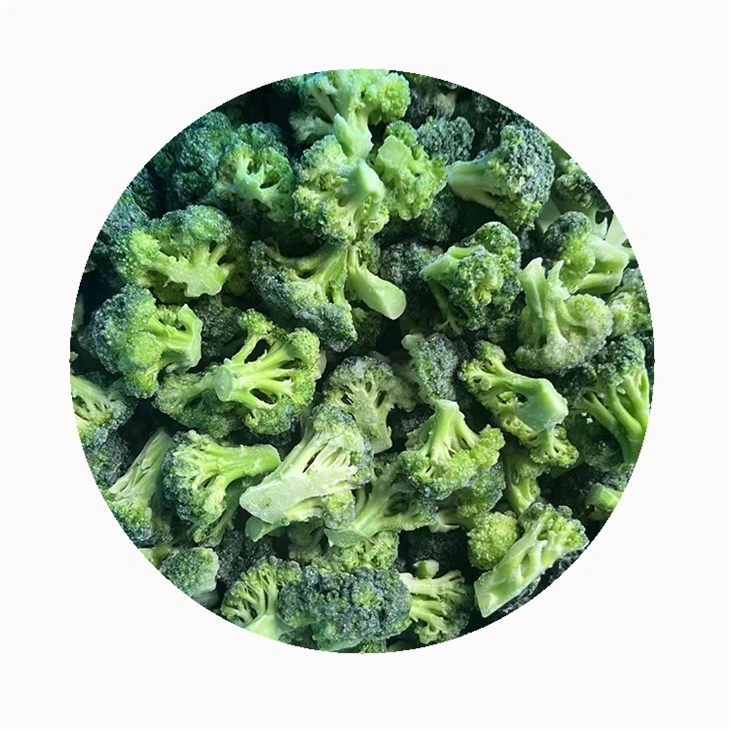
Frozen broccoli usually has a processing history before the customer opens the pack. Blanching is commonly used before freezing, so the product is neither a fresh raw floret nor a fully seasoned ready meal. Read the label and specification for intended use. If cooking is instructed, build the comparison around steamed-from-frozen versus another cooked method, not around eating the frozen piece uncooked.
This starting-state gate distinguishes the page from a generic healthiest-method ranking. The same steam cabinet may be a sensible final step for an IQF side dish and irrelevant to a raw fresh salad. Product identity decides which comparison is valid before nutrient numbers enter the discussion.
"Better" Has Four Separate Endpoints
Safety is the first endpoint when the route changes from uncooked to cooked. The FDA advises washing fresh produce under running water, keeping it separate from raw meat and contaminated tools, refrigerating cut produce, and cooking produce thoroughly to kill harmful bacteria. Washing can reduce surface contamination but does not create a sterile vegetable.
Texture is the second. Raw broccoli offers a firm crown and dense stem. Short steaming softens the structure, reduces chewing resistance, and warms the aroma. Oversteaming can collapse the crown, create water release, dull color, and turn small pieces soft before thick stems reach the target. The preferred endpoint belongs to the dish and diner.
Nutrient or phytochemical retention is the third, and no single compound represents the whole vegetable. Vitamin C, glucosinolates, carotenoids, chlorophyll, polyphenols, and enzyme activity can respond differently. A method that preserves one marker best in one experiment may rank differently for another marker, cut size, starting state, or cooking endpoint. Specify whether the priority is a water-soluble vitamin, a plant enzyme, a precursor compound, or the complete served vegetable. Without that priority, the word "nutrients" hides the trade-off instead of explaining it.
The eaten portion is the fourth. A raw serving left on the plate contributes nothing to intake. A briefly steamed serving that people finish may deliver more actual vegetable than a theoretically superior but poorly accepted version. Foodservice operations should measure plate waste and cooked yield alongside laboratory comparisons.
| Endpoint | Raw-ready fresh | Short-steamed |
|---|---|---|
| Use route | Salad, slaw, crudité | Hot side, bowl, soup finish |
| Primary control | Produce hygiene and cold holding | Load, steam recovery, endpoint |
| Texture | Crisp and dense | Tender with controlled bite |
| Main failure | Poor raw handling or rejection | Uneven or excessive softening |

Raw Service Is a Hygiene and Acceptance Choice
Raw broccoli retains its uncooked texture and avoids heat-related changes, but raw does not mean unprocessed. Fresh heads still need receiving inspection, damaged-area removal, thorough rinsing under running water, clean cutting surfaces, clean hands, and protection from cross-contamination. Soap, detergent, and commercial produce washes are not recommended by the FDA for household produce washing.
Cut size affects acceptance. A large raw stem can require considerable chewing, while a thin stem slice or small floret fits slaw more comfortably. If the intended diners need a tender texture or have an individualized swallowing instruction, the service decision belongs to that requirement rather than to a nutrient-retention slogan.
Digestive response also varies. Raw cruciferous vegetables and larger portions may produce more gas for some people. Cooking softens structure, although it does not remove every fermentable component. A smaller raw portion or a tender cooked portion can be tested according to personal tolerance; persistent symptoms need professional assessment.
The separate guide on raw broccoli suitability goes deeper into hygiene, digestion, and product-form boundaries. The comparison here uses raw service as one valid starting route, not as the default for every broccoli pack.
Short Steaming Is a Process Window, Not a Magic Minute
Steam time starts only after the equipment and product reach the intended condition. A shallow 500 g household basket, a 5 kg hotel pan, and a continuous commercial steamer have different recovery behavior. Frozen florets add an ice load. A timer copied from another kitchen cannot predict the center texture of a different cut and batch.
Define the endpoint first. For a hot side, the stem may need to accept a fork with light resistance while the crown remains intact. For puree, a softer endpoint is intentional. For a chilled salad, a brief steam followed by controlled cooling may give bright color and a tender-crisp bite. Each use produces another valid stopping point.
Control layer depth and piece distribution. Thick piles trap condensate and produce uneven heating. Mixed small pieces and large florets create two doneness curves in one pan. A specification with a usable cut range reduces the amount of overcooking needed to make the largest piece acceptable.
After the endpoint is reached, remove the broccoli from active steam. Holding inside the hot chamber continues softening and makes the nominal time misleading. Record starting state, load mass, piece range, steam recovery point, endpoint, and drained yield. Those variables turn "steam briefly" into a reproducible process.
Nutrient Comparisons Need the Same Denominator
Raw and steamed samples can be compared per 100 g before cooking, per 100 g after cooking, per household cup, or per served portion. Moisture loss or gain changes concentration. If 200 g raw broccoli becomes 170 g after steaming, a value per 100 g cooked describes a different fraction of the starting batch than a value per 100 g raw.
A fair retention calculation begins with the same starting mass. Measure the compound in the full raw batch, cook that batch, collect the finished edible mass, and calculate total compound remaining. This distinguishes true loss from apparent concentration caused by water change. It also allows the kitchen to convert retention into a served-portion result.
Published studies answer questions within their own designs. One study comparing fresh and frozen Brassica vegetables across boiling, microwaving, and steaming found that cooking method and starting state changed compounds differently. The result is a warning against universal rankings, not a reason to ignore cooking research.
For your kitchen, use literature to select a reasonable trial, then measure yield, color, texture, and acceptance on the actual product. Finished-product nutrient testing is needed when a commercial claim requires a value for the precise recipe and serving.
Vitamin C Values Do Not Rank Raw and Steamed Quality
The NIH Office of Dietary Supplements lists one-half cup raw broccoli at 39 mg vitamin C and one-half cup cooked broccoli at 51 mg. The cooked household measure is denser: more broccoli tissue can fit into the cup after heating. These two reference entries therefore do not prove that cooking created vitamin C or that every cooked method preserves more.
Vitamin C is water-soluble and sensitive to heat and prolonged storage. Short steaming limits direct immersion in water, yet time and temperature still matter. A raw reference and a cooked reference can both be useful for meal planning when the correct food form and household measure are chosen.
Avoid carrying the 51 mg reference into a tiny garnish, a long-held buffet pan, or a mixed dish with little broccoli. Record the actual cooked portion. If the broccoli is served by weight, retain that weight basis through formulation and label work rather than switching to a loosely filled cup.
This denominator discipline is more useful than arguing that raw or steamed always wins. It tells the eater what was served and tells a buyer what must be measured. Nutrient data become an input to the decision rather than a decorative number.

Myrosinase and Sulforaphane Add Another Trade-Off
Broccoli contains glucoraphanin and the enzyme myrosinase. Cutting and chewing bring plant components together, allowing conversion toward sulforaphane and related products. Heat can reduce enzyme activity, so the raw-versus-steamed comparison changes with the exact steam exposure and the form entering digestion.
An in-vitro digestion study compared raw broccoli with one-, two-, and three-minute steaming treatments. Sulforaphane formation and bioaccessibility were higher in raw and one-minute samples than in longer-steamed samples under that model. Because it was a laboratory digestion model, it helps explain the process but does not define a universal human health outcome.
A small human crossover study also reported higher sulforaphane bioavailability after raw broccoli than after cooked broccoli under its tested conditions. That is a route-specific result for one compound. It does not cancel the safety, texture, acceptance, or serving advantages that may make steaming the better application choice.
Protect the compound claim once, then return to the plate. Choose raw when the product is suitable for raw service and people accept the texture. Choose a short, controlled steam when hot service or tenderness matters. Dietary variety can include both forms without turning one marker into a total-health score. For a written menu or product brief, identify the chosen form and the reason, then keep the research note beside that exact decision. This prevents a laboratory compound comparison from replacing the service objective.
Worked Example: A 200 g Fresh-Broccoli Split Trial
Worked example: A test kitchen receives one fresh broccoli lot and cuts 400 g into a controlled 30–50 mm range. It serves 200 g raw in a chilled salad and short-steams 200 g for a warm grain bowl. The team records starting mass, finished mass, preparation time, serving temperature, sensory score, and plate waste.
Suppose the steamed batch finishes at 176 g after draining, a cooked yield of 176 ÷ 200 × 100 = 88%. Diners leave 15% of the raw portion but 4% of the steamed portion. The eaten mass is then 170 g raw versus about 169 g steamed. Nearly equal intake emerges from very different yield and acceptance paths.
The decision depends on the application objective. The salad team may keep the raw version for crunch and reduce stem thickness. The bowl team may choose steaming for temperature and tenderness. The trial does not claim one method is nutritionally superior; it produces an accepted form and a usable serving record.

Practical Example: A Frozen Foodservice Steam Load
Practical example: Suppose a foodservice kitchen uses 8 kg of IQF broccoli per lunch service. The pack instructs cooking, and the current pan produces soft crowns with firm thick stems. The deciding inputs are frozen cut range, ice clumps, pan depth, steamer recovery, endpoint, drained yield, and hold time.
The kitchen compares two 4 kg loads from the same case. Load A remains in a deep pan; Load B uses two shallow pans with the pieces spread evenly. Both stop at the same stem-tender endpoint. If Load B reaches even texture sooner and produces less broken crown material, the shallow-pan process becomes the preferred operating method.
This scenario solves process repeatability, not raw-versus-steamed consumer preference. Raw service was never a valid branch because the product instruction required cooking. The expected result is a documented load pattern that protects texture and usable yield while meeting intended use.
For additional method options, use the separate guide to broccoli cooking methods. Readers comparing prior processing can also review frozen broccoli nutrition and storage form.
XMSD Experience: Match Cut Range to the Steam Endpoint
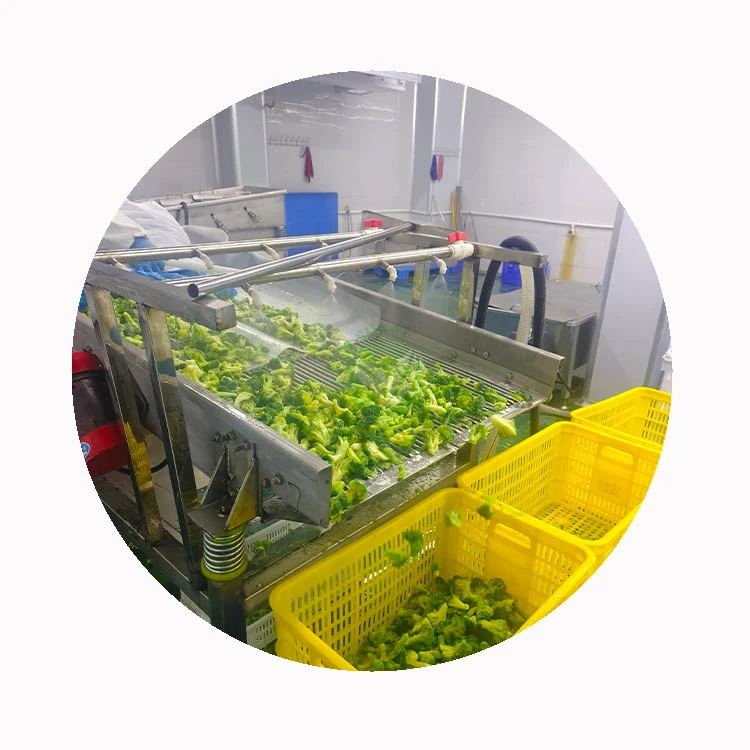
For us, the strongest steam specification begins with the piece. A broad mix of small fragments and large thick-stem florets forces the kitchen to choose which part to overcook. We compare visible head size, stem thickness, broken-piece level, and the application's bite target before discussing a nominal time.
The frozen broccoli range provides product-form context, and a specific floret presentation gives the buyer a clearer basis for sample review. The application trial still decides the acceptable endpoint.
We would record frozen load, pan geometry, recovery point, finish texture, drained mass, and hold behavior. Those observations expose whether the problem comes from product distribution or the cooking setup. Changing the timer alone often hides the real cause.

XMSD Experience: Put Intended Use on the Product Record
Our second checkpoint is intended use. Fresh produce sold for raw service, a frozen blanched ingredient labeled for cooking, and a ready-to-eat formulated item create different responsibilities. Keep the product identity, ingredient statement, handling route, pack instruction, and application plan aligned for the buyer's chosen use.
For frozen broccoli, inner-pack size also shapes steam consistency. One bag per pan can simplify load control; partial bags require a weighing step and protection for the remaining product. The packaging choice is not a nutrition conclusion, but it can make the cooking method more repeatable.
The failure signal is a raw-versus-steamed claim without a starting-state label. Ask which broccoli, which intended use, which endpoint, and which serving basis. Once those are known, the comparison becomes operationally honest and nutritionally interpretable.
Choose by Starting State and Eaten Result
Choose raw fresh broccoli when the product is intended and handled for raw service, crispness is desirable, and the diner accepts the texture. Choose short steaming when a hot or tender product improves safety, usability, or acceptance. For frozen broccoli with cooking instructions, compare valid cooked methods instead of treating raw service as an option.
Compare one endpoint at a time and keep the denominator stable. Nutrient retention, enzyme activity, cooked yield, food safety, texture, and plate waste answer different questions. A good decision states which one controlled the choice and which trade-off was accepted.
There is room for both forms in a varied diet. The better broccoli is the correctly handled form that fits the application, reaches the intended endpoint, and is actually eaten. For a buyer, add repeatable cut, pack, load, and process records so that result can be delivered again.
References
- U.S. FDA: Selecting and Serving Produce Safely
- NIH Office of Dietary Supplements: Vitamin C Fact Sheet for Health Professionals
- Pellegrini et al.: Cooking Methods, Color, Phytochemicals, and Antioxidant Capacity in Raw and Frozen Brassica Vegetables
- Angelino et al.: Steaming Time, Sulforaphane Formation, and In-Vitro Bioaccessibility
- Vermeulen et al.: Sulforaphane Bioavailability after Cooked versus Raw Broccoli
- Poelman et al.: Broccoli Cooking Conditions, Glucosinolate Retention, and Consumer Acceptance
- XMSD operational perspective on frozen broccoli starting state, cut distribution, steam load, yield, packing, and intended use.