


Is Pumpkin Good for You? Food Benefits Without Detox Claims
Jan 14, 2020

Yes, pumpkin is good for most people as part of a varied diet. Its flesh contributes fiber, carbohydrate and carotenoids, and its mild flavor makes it useful in both sweet and savory cooking. Those are worthwhile food benefits. Eating pumpkin is not a way to remove lead or mercury, cleanse the liver, or treat diabetes.
The distinction matters most when a familiar vegetable is sold with extraordinary promises. A bowl of pumpkin, a dried ingredient for soup and a capsule containing a pumpkin extract are three different purchases. The word pumpkin on the front is only the starting point. What part of the plant is inside, how it was processed and what you plan to do with it matter more than a long list of claimed effects.
If you enjoy ordinary pumpkin, there is no need to turn it into a health project. Choose a form that makes the intended dish easier to prepare and enjoyable to eat. If you are considering a powder, first find out whether it is a cooking ingredient or a supplement. A concentrated product deserves its own assessment; it should never borrow the reassuring familiarity of a vegetable automatically.

What counts as a useful benefit from pumpkin?
Start with something you can reasonably expect at the table. Pumpkin can bring a vegetable ingredient into a soup, provide a soft component in a filling, or add mild sweetness and color without requiring a sugary glaze. Its fiber contributes to your overall intake, while its carotenoids provide vitamin A activity. The detailed pumpkin nutrient and food-form comparison is useful if you need amounts for a particular preparation.
Color is attractive, but it is not a medical result. A deeply orange sauce can be appealing even when nobody has measured its nutrient content. Equally, a paler pumpkin dish is not automatically a failed health choice. Taste, ingredients and the rest of the meal remain relevant. Treat the vegetable as something to cook and enjoy, rather than a visible score for how well your body is working.
Convenience can be a real benefit too. A plain prepared ingredient may let someone make dinner when cutting a whole pumpkin would feel like too much work. That is different from claiming that processing makes pumpkin healthier. The practical gain is fewer preparation steps. Whether the finished dish is satisfying still depends on the recipe and the person's preferences.
Fiber and regular digestion are not the same as detoxification
Fiber is part of normal dietary care, not proof that a food draws contaminants out of the body. NIDDK advises increasing fiber gradually and having enough liquid to help it work. Pumpkin can contribute to that intake alongside other plant foods. A sudden large addition, especially from a concentrated powder, is a different change from enjoying some pumpkin within an established diet.
The National Center for Complementary and Integrative Health reports that research on detox programs is limited and has not established convincing support for removing toxins or maintaining weight loss. Restrictive programs may also leave nutritional needs unmet. A pumpkin-only plan gains no special exemption because its main ingredient is a vegetable.
Keep the medical boundary clear: suspected toxic exposure, persistent digestive symptoms, diabetes, liver disease or kidney disease needs appropriate professional assessment, not a pumpkin remedy. A food is also not a substitute for prescribed treatment. These are reasons to reject a treatment claim, not reasons for a healthy person to fear an ordinary pumpkin dish.
One particularly misleading shortcut links pumpkin's minerals to vitamin B12 production. NIH explains that B12 contains cobalt, but plant foods do not naturally provide B12. The presence of a component of a vitamin is not the same as supplying that vitamin. Someone who needs a reliable B12 source should choose suitable foods, fortified products or professional guidance instead of relying on pumpkin.
A kitchen reset can be a practical task instead of a restrictive diet
The urge to reset often begins with something concrete: a refrigerator full of leftovers, several rushed meals, or boredom with what is available. Those are solvable food-planning problems. Buying a special pumpkin product may not solve any of them. Before adding another item, decide whether you need a manageable dinner, a less sweet snack, or simply to use ingredients already at home.
An ordinary cooking task has a visible finish. You prepare the food, serve it and decide whether you want it again. A vague cleansing promise has no comparable stopping point: there is always another scoop, another day or another ingredient that supposedly completes the program. Keep the goal attached to your kitchen rather than an undefined feeling of purity.
Pay attention to how you feel after eating. Notice hunger, enjoyment and comfort in normal language. Avoid turning every change into a story about toxins leaving. If a food repeatedly disagrees with you, stop treating discomfort as a badge of success. Choosing a different food is a reasonable outcome.
Pumpkin is especially easy to burden with wellness expectations because it already looks wholesome. It can simply be the ingredient you like. You do not need to compensate for eating a celebration meal by making the next meal a punishment.
Practical example: canceling a pumpkin-only cleanse
Consider a hypothetical adult who has returned from a weekend celebration. There is an unopened carton of plain pumpkin purée in the cupboard, rice in the kitchen and eggs in the refrigerator. A social-media suggestion says to eat only pumpkin soup for the next day. The person is hungry and has a normal work shift ahead.
The useful decision is not how many hours the cleanse should last. It is whether the available ingredients can make a normal meal without another shopping trip. The person uses the purée in a savory soup, prepares the rice and eggs separately, and serves an amount that suits their appetite. There is no promised change in body weight, blood tests or toxin levels.
The practical result is a completed meal from food already available, followed by an ordinary eating routine. The carton has found a purpose without becoming a treatment. If the person dislikes the soup, they can change the recipe or choose another vegetable next time; they have not failed a cleansing program.
The remaining purée also has a clear next step: follow its storage instructions and use it in another planned dish. There is no reason to finish the carton at once. Preparing only what is wanted leaves the person free to eat something different at the next meal.

Read the noun after pumpkin: flesh, food powder or extract
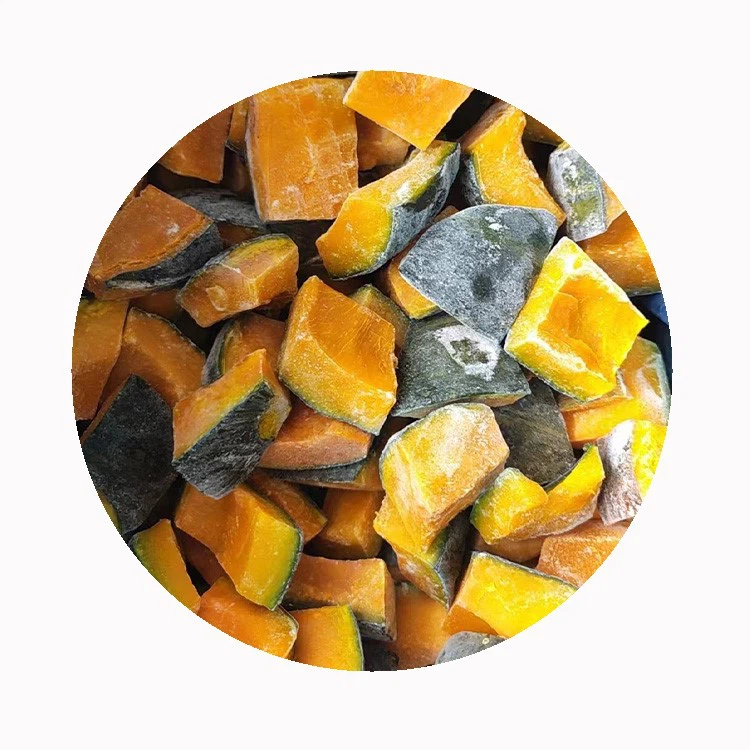
A bag of frozen pumpkin pieces gives you recognizable flesh to cook. A plain purée gives you a smooth ingredient. Both can be chosen for food preparation without promising a physiological effect. The distinction between them is often practical: visible pieces versus a smooth texture, preparation work versus convenience.
The name pumpkin powder is less specific. It could describe dried flesh, ground seeds, a blend with other ingredients, or a product marketed as a supplement. Do not assume an orange powder is the same material as a seed protein product. Find the ingredient name and intended use before comparing price, recipes or nutrition information.
An extract is another question again. Extraction can select components rather than preserve the whole food in its original proportions. Even if a study concerns an extract from pumpkin, a spoonful of cooked flesh is not thereby the studied product. There is no sensible kitchen conversion from a medical-sounding claim to an extra portion of vegetables.
FDA's consumer guidance makes a useful distinction for U.S. purchases: supplements may come as powders, but appearance alone does not determine the product's category. Labeling and intended use matter. Check whether the package is a conventional cooking food or carries supplement labeling. Ask a pharmacist or clinician about a supplement you are considering, particularly alongside medication.
At the shelf, the simplest first question is still: am I buying something to cook with? If the answer is yes, the label should make that use intelligible. You should not have to interpret a list of unfamiliar physiological promises just to prepare a pumpkin soup.
A powder-to-water calculation is a recipe trial, not a health dose
Worked example: Suppose a food developer is exploring a plain dried pumpkin flesh ingredient. An illustrative bench mixture uses 10 g powder plus 90 g water. The finished mass is 100 g, so the powder represents 10% of that mixture by weight. This arithmetic describes a formula only. It does not establish that the mixture equals 100 g fresh pumpkin or reproduces the nutrient content of a particular purée.
The missing information matters. The powder's original material, remaining moisture, any added ingredients and the process used to make it determine what the spoon contains. A seller's recommended reconstitution ratio may be a sensible starting point for that product, but it is not a universal pumpkin ratio. Measure by weight when trying to reproduce a test.
Now compare that mixture with the purée already used in the kitchen. Keep the total sample mass and the other recipe ingredients fixed. Notice whether the powder disperses, whether small dry lumps remain and whether the texture suits the intended food. Record the preparation order and any resting period. Write down what actually happens before deciding which version to repeat.
A thicker sample is not automatically more nutritious. It may simply behave differently in water. If the final sauce needs more liquid, adjust the formula and record the change before calculating its ingredients per portion. Nutrition information should follow the actual finished recipe, not whichever comparison gives the largest-looking number.

Practical example: a soup developer buys an ingredient, not a promise
Imagine a small soup developer receives two offers: a plain frozen pumpkin ingredient and a pumpkin food powder advertised with cleansing language. The product brief is a smooth soup with a recognizable pumpkin taste. The goal is food quality and a manageable preparation method. The developer has a small blender and can make two trial batches, but has not approved either offer.
The first action is to request the powder's complete ingredient description and preparation instructions. If it is a supplement rather than a conventional food ingredient suitable for the intended market, it leaves this food-development comparison. If it is plain food powder, the developer tests it as such, setting aside the cleansing claim rather than using it to justify the purchase.
Next comes a comparison of work and performance: preparation time, dispersibility, smoothness, flavor, the amount of added water and how the finished soup looks when served. The frozen option follows its own handling and cooking instructions. Identical seasoning and a written sample code help the developer compare the pumpkin contribution without relying on the packet's sales language.
The result of this representative scenario is a clearer purchase decision, not a predetermined winner. If the task is a dry mix, the food powder's handling deserves a closer trial; if the recipe already includes cooking whole pieces, the frozen ingredient deserves the same fair assessment. Either still needs ordinary food-quality acceptance. No organ-cleaning claim is needed to select the ingredient.
We would ask to see the intended soup consistency before recommending a frozen cut. Peeled frozen dice can be considered where peel fragments would interfere with the desired smooth finish. That is an application judgment about the served food, not a claim that peeled pumpkin has a stronger health effect.

Choose the physical form around the work you actually do
For a kitchen that wants visible pumpkin in a stew, intact pieces and their cooked texture deserve attention. For a smooth filling, peel status and blending behavior matter more than how impressive the individual pieces look in a photograph. A dry soup mix presents a different handling problem again. Begin with the finished food and work backward to the form.
Our preference is to separate a cut problem from a recipe problem. If a smooth soup contains unwanted peel pieces, more seasoning will not fix the physical mismatch. If a plain pumpkin base tastes weak in the finished dish, choosing a more fashionable health description will not fix the flavor. Test the actual food at the stage where the problem appears.
A busy foodservice kitchen also needs a workable handoff. The person opening the pack may not be the person who selected the ingredient. Product identification, preparation directions and the intended dish should remain clear when staff change. A bag labeled only as a wellness ingredient provides little help to the cook.
Keep samples named according to what they are. Whole food, cooked purée, frozen flesh and reconstituted powder should not all be called the standard pumpkin in a trial notebook. Clear names make it easier to repeat a successful dish and harder to assign one product's result to another.
None of this requires chasing laboratory-perfect sameness in home cooking. It becomes useful when a change is large enough to affect whether the food is eaten, whether a recipe works or whether a purchased ingredient is suitable.

What to keep on the shopping list and what to leave off
Keep the information that helps you use the food: the ingredient list, product form, preparation instructions, storage directions and a quantity you can manage. For pumpkin in a prepared sauce or dessert, read the complete ingredient list rather than treating the word pumpkin as a summary of everything in the package.
Leave unsupported cleansing promises out of the purchase decision. Read the composition statement behind the photograph of fresh pumpkin. For taste, rely on a sample prepared as intended; a description of a plant compound offers little help with that decision. A long list of diseases is not a substitute for clear instructions and an identifiable ingredient.
For a commercial frozen program, discuss packing and product identification in terms of the operation: how the ingredient is recognized, opened, portioned and returned to appropriate storage. A smaller pack may make sense for an occasional application; another kitchen may use the full unit at once. Decide from actual use, not the assumption that a larger package encourages healthier eating.
If the plain product you already enjoy meets the need, there is no requirement to upgrade to a powder or extract. Processing can offer convenience for a specific job, but a more concentrated appearance is not an automatic improvement.
Enjoy pumpkin without giving it a medical job
The answer stays positive. Pumpkin can be a useful, appealing food with fiber and carotenoids, and several convenient forms can help you prepare it. Its value is not reduced when exaggerated promises are removed. A good ingredient earns a place in dinner through enjoyable food and a useful contribution to the meal.
Choose ordinary flesh for ordinary food uses. Evaluate a food powder through its identity and recipe performance. Treat a supplement or extract as a separate decision rather than a concentrated serving of familiar soup. If a seller moves between those categories without explaining the difference, pause the purchase and ask for the exact product information.
The most useful outcome is simple: you know what you are buying, what it will do in your kitchen and why you want to eat it. That is a stronger basis for a repeat purchase than an unmeasurable detox promise.
