


Is Broccoli Good for the Body? Its Place in Plant-Based Meals
Jan 14, 2020

Yes. Broccoli is a useful vegetable for the body, contributing fiber and vitamins as part of a varied diet. One particularly helpful role is alongside beans, lentils and other plant foods: its vitamin C helps the body absorb their nonheme iron. That makes broccoli a sensible companion in a plant-based meal, not a substitute for the food supplying most of the protein or iron.
Picture a plate of broccoli and rice. It contains useful food, but removing the chicken from a familiar dinner and simply doubling the broccoli changes more than the color. A substantial lentil dish, tofu, beans or another suitable protein food needs a place too. Broccoli can support that combination while bringing a distinct texture and flavor.
If you enjoy broccoli, use it in meals you can prepare and afford. If you dislike it, other vegetables and vitamin C foods can play a similar part. The aim is a varied eating pattern that provides enough food, not a contest to eat the most green florets.
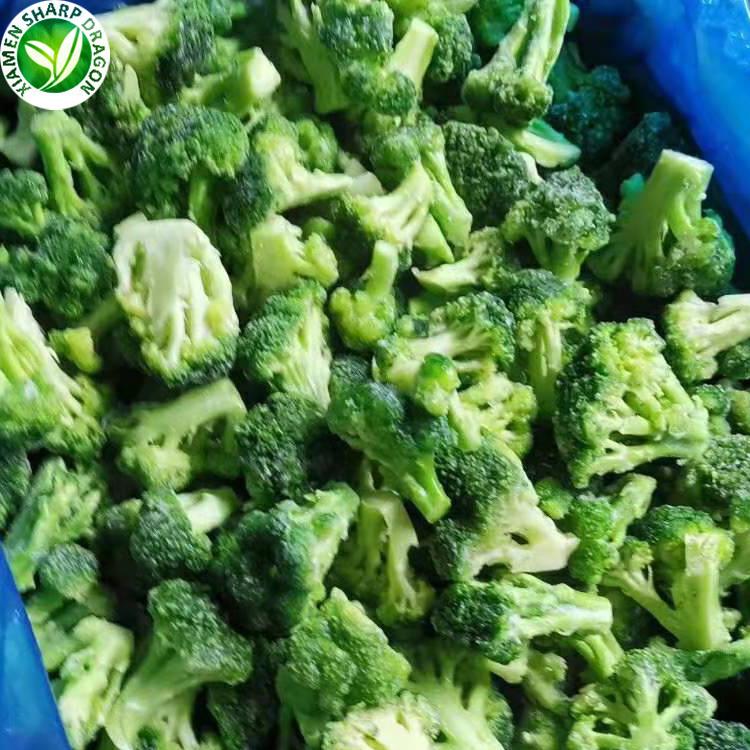
Why broccoli belongs beside plant iron
Iron occurs in different forms in food. Plants supply nonheme iron, which the body absorbs less readily than the heme iron found in animal foods. Vitamin C can improve the absorption of nonheme iron eaten with it. The NIH Office of Dietary Supplements specifically includes broccoli among the vitamin C foods that can help in this way.
The useful kitchen connection is simple: put a vegetable such as broccoli in the same meal as lentils, beans or tofu. There is no need to hide broccoli in a medicinal drink or eat it separately before everything else. A lentil stew with broccoli on the side already brings the foods together, as does tofu with broccoli and noodles.
That pairing is helpful without becoming an absorption guarantee. The amount of iron your body takes up also reflects the rest of the meal and your iron status. A nutrition table tells you how much iron a food contains; it is not a prediction of the amount that will enter your bloodstream.
People following a fully vegan diet need a broader plan than this single pairing. The NHS recommends a varied diet with pulses and other protein foods, starchy foods, vegetables, fruit, suitable fortified alternatives and attention to nutrients such as vitamin B12. Broccoli has a part in that pattern, but a large serving cannot cover every nutritional job.
A useful number, with the food attached
The NIH vitamin C table lists about 51 mg in half a cup of cooked broccoli. Its iron table lists about 3 mg of iron in half a cup of boiled, drained lentils. These are reference foods and household measures, not laboratory results for a particular frozen bag or a finished recipe.
Worked example: For an illustrative family meal, a cook divides 2 cups of cooked, drained lentils between four plates. The calculation is 2 cups ÷ 4 = half a cup per plate. Using the NIH lentil reference gives approximately 3 mg of iron from the lentils on each plate. Adding a half-cup serving of cooked broccoli introduces a vitamin C food to the meal. It does not justify reporting that 3 mg of iron has been absorbed.
That distinction matters when a recipe is scaled. Dividing the same lentils across eight plates produces smaller lentil portions, even if each plate still looks green and full. Increasing broccoli cannot restore the missing lentils' contribution on a one-for-one basis. If the main dish is intended to remain substantial, change the quantity of the main ingredient as well as the garnish.
Keep cooked amounts separate from dry amounts. Two cups of dry lentils before cooking are a different starting point from two cups after cooking and draining. For a household, using the cooked amount in this example is enough to follow the arithmetic. A foodservice recipe needs its actual ingredients and prepared portions when nutrition is calculated.
Preparation descriptions also explain why broccoli figures differ between sources. Our cooked broccoli nutrition guide works through one defined frozen, boiled and drained food. Use it when you want to understand measurement states, rather than combining the most attractive figures from several different preparations.

Let each ingredient do a different job
A good plant-based dinner need not resemble a nutrition diagram. It can be a casserole, a sandwich with a vegetable side, a noodle dish or a familiar stew. What matters is that the ingredients have substance behind their appearance. Broccoli brings the vegetable component; pulses or tofu can provide a more concentrated protein component; rice, bread, potatoes or other starchy foods help make the meal adequate for the person eating it.
Some ingredients do more than one job. Lentils contain carbohydrate as well as protein and iron. Nuts, seeds and their butters can add flavor, fat and other nutrients. You can build a meal around those overlaps without giving every food a separate compartment. The mistake is assuming that all plant foods are interchangeable simply because they share a plant origin.
A broccoli soup illustrates the difference. Broccoli blended with water and seasoning makes a light vegetable soup. Adding an appropriate pulse, tofu or another protein ingredient changes its substance. Bread alongside may make it a more satisfying lunch. A creamy texture on its own tells you little: it could come from blended vegetables, a fat-rich ingredient or a mixture.
The same applies to a broccoli-topped pizza or pasta dish. The visible vegetable is worthwhile, yet it is only one part of what you eat. Look at the rest of the dish before deciding that more broccoli is the missing answer. Sometimes the useful change is adding a bean component; sometimes it is choosing a meal size that suits your appetite.
A household replacing meat needs a new main ingredient
Practical example: Imagine an adult trying a vegetarian dinner at home. Their usual meal is chicken, potatoes and broccoli. On the first attempt they leave out the chicken and pile extra broccoli into its space. They want a familiar plate, dislike complicated recipes and have canned beans in the cupboard. The decision is whether to make the vegetable portion larger or give the meal a different main component.
A practical choice is to heat a bean dish with seasonings they already like, keep the potatoes, and serve the broccoli at an enjoyable size. The result is a meal with a recognisable main component instead of an enlarged side dish. The imagined household now has something it can adapt with ingredients already on hand.
The cook can then judge the meal on ordinary questions: Was there enough to eat? Did the beans taste good with the potatoes? Was preparing three components manageable? If the beans were bland, the next change belongs in their seasoning or preparation. A successful vegetarian dinner need not be rescued by another handful of broccoli.
For someone who likes a single pan, tofu and broccoli with a suitable sauce may be easier. For someone who dislikes tofu's texture, a lentil dish may be a better starting point. Those preferences are useful information, not failures. A meal that fits the household is easier to repeat than an idealized combination that nobody wants.
Keep any allergy or prescribed dietary restriction in the decision. Soy-based tofu, nuts and other ingredients suit different people; a substitute should be checked on its own merits. An adult changing an ordinary dinner has more freedom than a kitchen preparing food for someone with a medically restricted diet.
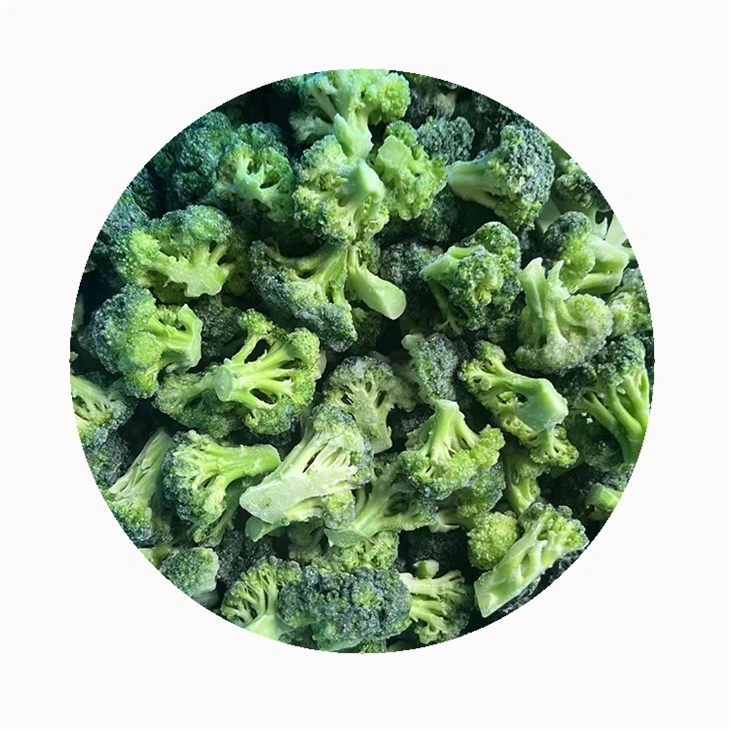
Choose florets that work with the main dish
Broccoli is easiest to enjoy when its size suits the way the meal is eaten. A large crown can work as a separate side, where a knife and fork are available. In noodles, a wrap filling or a spooned lentil dish, an oversized floret can make each mouthful awkward. Smaller pieces may fit the application more naturally.
In our XMSD product discussions, we would choose the cut around that mouthful rather than treat the largest crown as automatically best. For a bean-and-broccoli filling, we would look for pieces that distribute through the filling without turning it into a mass of loose green fragments. That is a texture decision, separate from the vegetable's nutritional reputation.
Stem length deserves attention too. A modest crown on a long stem may sit awkwardly in a wrap. Tender stem can be useful, especially when it is cut to fit the rest of the filling. Before rejecting a stem-heavy cut, try it in the intended dish. If a customer must pull a long piece out with every bite, adjust the cut; if small tender stem pieces blend comfortably with the beans, paying extra to remove them may bring little practical benefit.
When comparing frozen broccoli cuts, distinguish florets for a visible side from chopped pieces for a mixed dish. Ask how the pieces will be served and eaten before choosing a size description. A photograph helps show the shape, but a cooked sample is the better way to decide whether the stem and crown suit your recipe.

Prepare it for eating, not for a nutrient contest
Vitamin C is sensitive to heat and water, so unnecessary prolonged cooking can reduce the amount retained. That gives a reason to avoid cooking broccoli far beyond the texture you want. It does not require eating every piece raw or abandoning cooked broccoli: the reference vitamin C amount above is itself for a cooked food.
Use the preparation instructions on a frozen product. A blanched frozen vegetable may still require cooking; blanching and ready-to-eat status are different things. In a mixed dish, it helps to plan when the broccoli enters the pan so that it reaches the intended texture without waiting through every stage of the other ingredients.
A lentil sauce that needs time to develop flavor can be prepared before broccoli is added. A separate vegetable side offers another option when the main dish's cooking time is much longer. The practical goal is a pleasant finished meal. There is little advantage in preserving a nutrient on paper if the result is so tough or soggy that it stays on the plate.
Seasoning is part of that work. Garlic, herbs, spices, a suitable dressing or another familiar flavor can help the vegetable fit the main dish. Additions change the recipe, so judge their quantity with the full meal in mind. There is no need to make broccoli deliberately joyless to keep it a useful vegetable.
For buyers, the preparation and cut information on a plain IQF broccoli product provides a starting point for a recipe trial. We would compare the cooked piece in the intended sauce, not only photograph it while frozen. A crown that looks attractive alone may shed fragments when folded repeatedly through a thick bean mixture.

Make the main component easy to find in foodservice
Practical example: Consider a hypothetical cafeteria introducing a plant-based lunch. It offers a lentil main, rice and broccoli, but the lentils are placed beyond the vegetables and described only as an optional extra. A customer choosing quickly takes rice and broccoli and misses the ingredient that the cook intended to make the meal substantial.
The useful change is in the menu description and serving arrangement. Name the dish as a lentil meal with rice and broccoli, put its components together, and make the main component visible before customers choose. Keep portion choices available without leaving people to guess what completes the meal. The result is clearer access to the intended lunch, not a claimed increase in iron absorption.
A practical trial can ask customers what they understood the main dish to be and whether the offered lunch felt complete. It can also check whether serving utensils suit the lentils and florets. These observations answer different questions from a nutrition calculation. A nutritionally planned menu still needs to be understandable at the counter.
For a menu that promises a complete plant-based option, the main component should remain available as long as the accompanying broccoli and starch. Running out of lentils while continuing to sell a vegetable plate under the same name changes what the customer receives. The response is to provide a suitable alternative or describe the remaining option accurately.
This is where foodservice and catering planning extends beyond purchasing a green vegetable. The menu, serving arrangement and cooking capacity need to support the same meal. A kitchen can make that work with ordinary ingredients. Naming the actual lentils, rice and broccoli tells customers more than a vague promise about wellness.
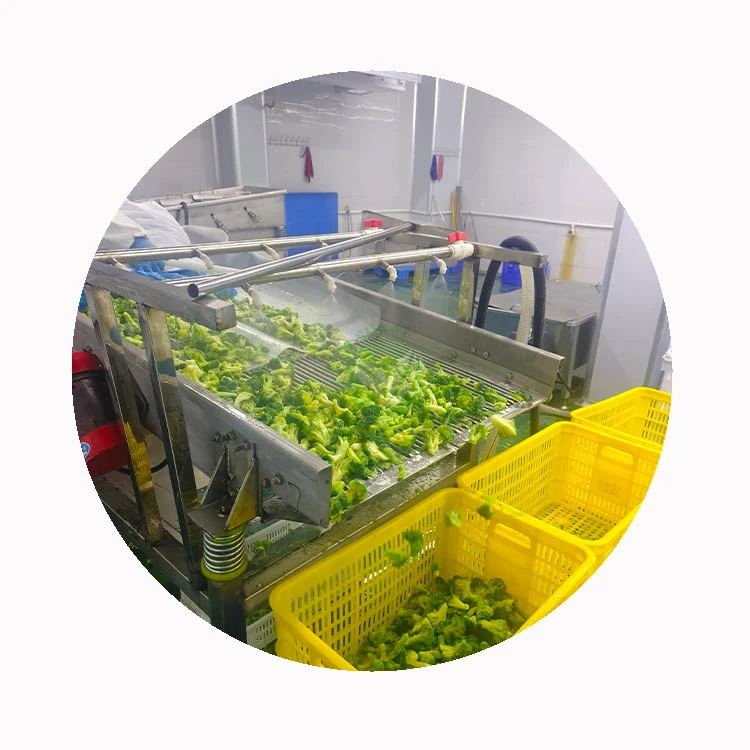
Buy an amount the kitchen can actually use
Fresh and frozen broccoli offer different practical advantages. Fresh heads allow a cook to choose how much crown and stem to prepare. Frozen pieces reduce some preparation work and make it easier to take an amount from stock when a meal is planned. Either can be useful if the food is handled correctly and fits the household's cooking habits.
For a small plant-based menu, buying the lowest price per large carton is not the whole decision. A kitchen with limited freezer space may prefer a pack arrangement that is easier to store and portion. A household using broccoli only occasionally may value a plain frozen option that can wait for a planned meal.
We would ask a commercial kitchen how often it needs to open the broccoli pack and whether the contents pour readily for its chosen batch. A pack that fits an established cooking routine can reduce awkward handling. These are concrete purchasing questions; they are more useful than asking a supplier to promise that a vegetable is healthier because it comes in a particular bag.
The frozen-food packaging options should support that use pattern while protecting the food. Check the actual pack's storage and preparation directions. Keep the identifying label with remaining product, so staff can distinguish plain broccoli from a seasoned product and follow the correct instructions after the outer carton is removed.

When a food question needs individual advice
If you are concerned about iron deficiency, a large broccoli serving is not a substitute for assessment. Fatigue or other symptoms can have several causes, and an iron supplement is a separate decision from pairing vegetables with lentils. A clinician can identify whether testing or treatment is needed; a dietitian can help fit an eating plan to the result.
Pregnancy, a child's diet and a prescribed therapeutic diet also deserve advice tailored to the person. The family calculation above illustrates food quantities for meal planning, not a recommended portion for every age or a treatment dose. You can keep broccoli among normal food choices while getting the specific support that the situation requires.
For an adult simply adding more plant-based dinners, the next step can be much smaller. Choose one main ingredient you enjoy, decide on a starch or another substantial accompaniment, and add broccoli in a form you will eat. Evaluate the whole dinner before changing the vegetable quantity. That keeps the focus on nourishment and enjoyment rather than a single-food promise.
Broccoli earns its place through a useful contribution. Its vitamin C can complement plant iron, its texture can give contrast to a soft lentil or bean dish, and a suitable cut can make preparation straightforward. It works best alongside other foods with their own jobs, not as a green replacement for everything a meal needs.
Planning a plant-based menu with frozen broccoli? Discuss the cut and kitchen use with XMSD.