


Is Pumpkin a Good Source of Protein? Flesh vs Seeds
Jul 31, 2019

Pumpkin flesh contains protein, but not enough per normal serving to make it a strong protein source. USDA SNAP-Ed lists 1 cup of cubed pumpkin weighing 116 g with 1 g protein. That is a real contribution, yet it is small beside the protein expected from a meal's main protein ingredient. Calling the flesh a "good source" simply because the amount is above zero overstates what the serving supplies.
Pumpkin seeds are a different food. They are dry, energy-dense seed material, while the orange flesh is a high-moisture vegetable. USDA MyPlate places seeds in the Protein Foods Group and pumpkin flesh in the red-and-orange vegetable subgroup. Do not transfer a seed value, a seed-flour value or a "pumpkin protein" marketing phrase to plain pumpkin cubes or purée. Identify the part, product form and serving weight first.
The short answer: Plain pumpkin flesh is not a concentrated protein source. Use it for its vegetable role and count its small protein contribution accurately. Pumpkin seeds, seed meal and protein-fortified pumpkin foods need separate data because their composition is very different. For a commercial "good source of protein" claim, check the destination rule, reference serving and protein-quality basis.

How Much Protein Does Pumpkin Flesh Provide?
The USDA SNAP-Ed pumpkin entry provides a specific starting point: 1 cup cubed, 116 g, contains 1 g protein. The same entry lists 30 calories, 8 g carbohydrate and 1 g fiber. The protein number belongs to that named raw cubed serving. It is not a universal specification for every species, maturity, purée, frozen product or cooked dish.
On the same basis, protein density is 1 ÷ 116 × 100 = about 0.86 g per 100 g. A reported range around 0.7–0.9 g per 100 g describes low protein density, not evidence that the flesh is a good protein source. The number and the judgment must agree.
Worked example: scaling the 116 g reference. If the exact same composition were used for an early estimate, a 75 g portion would provide 1 × 75 ÷ 116 = 0.65 g protein. A 150 g portion would provide about 1.29 g, and a 300 g portion about 2.59 g.
Doubling or tripling the vegetable portion increases its contribution, but it does not change the food's protein density. Use matching data for the actual raw, frozen, cooked, drained or puréed product before a label or final recipe calculation.
Serving state can move the number. Boiling may add water; roasting may remove it; draining changes the measured edible weight; purée packs more material into a cup than loose cubes. For comparisons, use grams rather than cup descriptions alone and state whether the number represents frozen-as-sold, thawed, cooked or ready-to-eat food. A cup of loose cubes and a cup of dense purée are not controlled equivalents.
Pumpkin can be classified as a carbohydrate-containing vegetable while still containing a little protein. Our guide to pumpkin's carbohydrate-versus-protein classification explains that macro-level distinction. The label does not change the sourcing result: edible flesh contributes only a small number of protein grams in a realistic serving.

"Contains Protein" and "Good Source of Protein" Are Not the Same
In everyday conversation, "source" can mean that a food contains any measurable amount. On a commercial label, phrases such as "good source," "contains" and "provides" can be regulated nutrient-content claims. Under the U.S. rule in 21 CFR 101.54, "good source" generally means 10–19% of the Daily Value per reference amount customarily consumed for an individual food. Other markets use their own conditions, so a U.S. threshold cannot simply be copied onto export artwork.
FDA's adult Daily Value for protein is 50 g. One gram of protein is 2% of 50 g before any protein-quality correction. That raw comparison is already far below the 10% lower boundary for a U.S. "good source" claim. Protein claims also trigger additional rules: 21 CFR 101.9 requires the Percent Daily Value to use a corrected protein amount based on amino acid score and digestibility. Grams alone are not the complete substantiation file.
Claim-check example: five USDA 116 g cups would weigh 580 g and provide 5 g protein on that reference basis. Five grams equals 10% of the 50 g adult Daily Value before correction, but serving five cups does not make ordinary pumpkin eligible for the claim. The rule evaluates the product per its reference amount customarily consumed, and the protein-quality calculation still applies. Increasing an unrealistic portion is not a lawful shortcut.
Keep three statements separate. "Contains 1 g protein per 116 g" is a quantitative composition statement tied to a source. "Contributes some protein to the meal" is a practical description. "Good source of protein" is a characterized level claim that needs regulatory qualification. The first two can be accurate while the third is not supported.
Protein can still matter in a complete pumpkin dish when another ingredient supplies most of it. Beans, lentils, soy ingredients, dairy, eggs, meat, seafood, seed meal or a formulated protein ingredient can change the finished product. Attribute the result to the whole recipe rather than to the pumpkin flesh. For plain versus sweetened, concentrated or fried carbohydrate forms, use our pumpkin carbohydrate-form guide.
Pumpkin Flesh and Pumpkin Seeds Are Different Foods
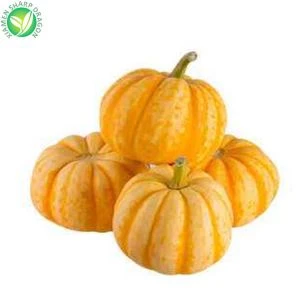
A whole pumpkin contains flesh, peel and seeds, but those parts do not have one shared nutrient profile. The flesh stores substantial water and is eaten as a vegetable. Seeds are reproductive tissue with concentrated reserves for the developing plant. Drying or roasting seeds removes more moisture, and removing the hull changes the edible product again. That structural difference explains why seed products can be protein foods while plain flesh is not protein-dense.
USDA MyPlate makes the category boundary clear. Pumpkin or calabaza flesh appears in the red-and-orange vegetable subgroup. Nuts and seeds appear in the Protein Foods Group, where one-half ounce of nuts or seeds counts as one ounce-equivalent. MyPlate food-group equivalents are planning tools, not grams of protein on a nutrition label, but they prevent the common error of treating flesh and seeds as interchangeable.
The phrase "pumpkin seed" also needs precision. Whole unhulled seeds, hulled kernels or pepitas, roasted salted seeds, seed butter, partially defatted meal and protein concentrate are different ingredients. Moisture, hull content, fat removal and serving size affect protein density. Use the specification and nutrition data for the exact seed form. A high number for defatted seed meal cannot be assigned to roasted whole seeds, much less to orange pumpkin flesh.
Practical example: a 300 g bowl of pumpkin soup may contain a 15 g seed topping. Calculate protein from the actual soup formula and the exact seed product separately. If the soup is mostly water, pumpkin and seasoning, the seeds may supply most of the protein even though pumpkin dominates the product name and color. The label and menu description should not imply that the flesh created the protein result.
Per-100-gram comparisons can make the contrast look dramatic because dry seeds contain little water and fresh flesh contains a great deal. Keep the 100 g panel for technical comparison, then add the real sale serving. Fifteen grams of seed topping and 150 g of pumpkin flesh serve different culinary roles; comparing only equal 100 g weights hides how the products are actually used.

Purée, Soup, Powder and Fortified Products Change the Basis
Processing can change protein per 100 g without creating new protein. Plain purée removes air spaces and may be thicker or thinner according to its solids content. Roasting or concentration removes water, raising nutrients per unit weight. Soup usually adds water, lowering the pumpkin solids per bowl. Frozen cubes preserve a recognizable serving form, but their eventual cooked yield still depends on preparation.
Pumpkin powder or flour can show a higher protein value per 100 g than fresh flesh because much of the water is gone. The amount used in a serving may be small, so calculate grams in the finished portion. A 10 g flavoring dose cannot be evaluated from the powder's 100 g panel without dividing by ten. Dehydration concentrates existing solids; it does not turn flesh protein into a new high-quality isolate.
Fortification is different. A pumpkin soup with pea protein, a pumpkin beverage with milk or soy, and a bakery item with egg or seed meal may reach a meaningful finished-serving protein level. In that case, the complete formula-not pumpkin alone-supports the grams. Check that the product name, ingredient order, allergen declaration, nutrition panel and any front-of-pack protein statement describe the same finished food.
| Product form | Main protein question | Required evidence |
|---|---|---|
| Plain fresh or frozen flesh | How many grams are in the edible serving? | Matching composition data or analysis plus portion weight |
| Cooked mash or purée | Did water gain, loss or concentration change density? | Ready-to-eat weight, yield and solids/moisture basis |
| Pumpkin soup or beverage | What percentage is pumpkin, and what supplies the protein? | Complete formula, batch yield and per-serving calculation |
| Pumpkin powder or flour | How much concentrated material is used? | Powder specification and finished-serving dose |
| Seeds, seed meal or seed butter | Which seed form, hull and fat-removal state? | Exact seed-product label/specification and serving grams |
| Protein-fortified pumpkin food | Does the finished product meet the intended claim rule? | Approved formula, protein quality, analysis and destination review |
Use three reporting bases: protein per 100 g, per labeled serving and per pack. The first supports technical comparison, the second informs consumption and most claims, and the third helps calculate total pack nutrition. A product can look impressive per 100 g yet contribute little in a small serving. Conversely, a large pack total may not reflect what is eaten at one time.
Protein Amount Comes Before Protein Quality
Protein evaluation has at least four layers: total grams, concentration, amino acid pattern and digestibility. For pumpkin flesh, total grams are the first limiting factor. Debating whether its small amount is complete or incomplete does not make the serving protein-dense. Establish the amount in the finished serving before spending time on quality scoring.
For a characterized U.S. protein claim, quality cannot be ignored. FDA's calculation multiplies actual protein grams by an amino-acid score corrected for digestibility to obtain the corrected amount used for Percent Daily Value. If the corrected score is above 1.00, it is capped at 1.00. This means quality adjustment can maintain or lower the claim basis; it cannot multiply a low gram amount into a qualifying one.
For ordinary meal planning, ask what role the pumpkin is meant to play. It may supply color, texture, vegetable solids and carbohydrate while a separate ingredient supplies protein. State those roles plainly and support the main protein ingredient with its own serving data.
Do not use a protein number as a treatment promise, muscle-building guarantee or personalized intake target. Needs vary with age and life stage, and medical circumstances can change dietary advice. A package claim, a food-group ounce-equivalent and an individual protein goal are three different systems. Keep the calculation inside the system it was designed for.

B2B Protein Control for Frozen Pumpkin Products
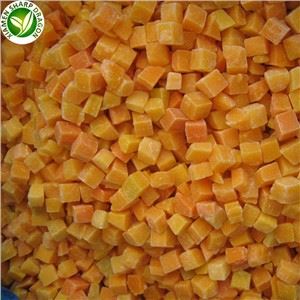
A commercial calculation begins with product identity. Confirm pumpkin type, maturity, peel requirement, cut size and tolerance, blanching status, freezing condition and intended preparation. These variables help keep the tested material and the supplied material aligned. Our frozen pumpkin product range provides a starting point for form and cut discussions, not a universal nutrition specification.
For an IQF pumpkin cube program, lock the measurement state in writing. A laboratory sample reported per 100 g frozen product cannot be silently substituted for a cooked, drained serving. Record sampling date, lot, analytical method or approved database record, preparation yield and rounding method. If cultivar or harvest maturity is expected to change the result materially, build a representative sampling plan instead of relying on one convenient number.
Formula example: a 400 g retail soup contains 30% plain pumpkin and is sold as two 200 g servings. Each serving contains 200 × 30% = 60 g pumpkin. Using the USDA reference only for early development, the flesh contributes 1 × 60 ÷ 116 = about 0.52 g protein per serving. If the development brief targets 12 g protein, roughly 11.48 g must come from the other ingredients on the same finished-serving basis. Final values require the approved formula, actual yield and compliant calculation or analysis.
Uniformity affects the result when protein-bearing pieces, seeds or fortified components can segregate. Check mixing sequence, particle size, bulk density and fill vibration. Sample early, middle and late packs and compare the distribution of visible components with the formula tolerance. A correct batch sheet cannot protect a per-serving statement if the finished pack is not homogeneous.
Run a pilot with the exact commercial preparation instructions before freezing the artwork. Record starting batch weight, finished yield, number of sale units and average serving fill. Reconcile the protein contributed by every ingredient against the finished batch, then compare the calculated result with any laboratory result using the same product state. If the two do not agree within the project's defined tolerance, investigate moisture change, dosing, sampling and analytical basis before adjusting the claim. Changing a label number to match an unexplained result only hides the control failure.
Keep claim evidence version-controlled. The approved formula, ingredient specifications, test report, calculation worksheet and artwork should carry matching revision dates or identifiers. If a protein ingredient, supplier, dose or serving changes, reopen the calculation. Pumpkin color and texture may remain visually unchanged while the finished protein value moves, so sensory approval alone cannot release revised nutrition copy.
Packaging and preparation instructions complete the basis. State net weight, serving weight, number of servings, storage condition and cooking method. If the label reports prepared nutrition, define the added water or other ingredients. Our frozen-food packaging overview can help align the pouch or foodservice format after the portion and formula are fixed.
Before approving protein copy, verify:
- flesh, seed, seed meal, powder or complete finished-product identity;
- protein grams per 100 g and per labeled serving;
- frozen, thawed, cooked, drained or prepared measurement state;
- pumpkin percentage and every protein-bearing ingredient in the formula;
- batch yield, uniformity and representative sampling;
- destination-market claim threshold and protein-quality rule; and
- nutrition panel, ingredient list, allergens and front-of-pack artwork agreement.
We can confirm raw pumpkin form, cut, pack and project sampling inputs with you. We do not treat a general composition table as a finished-product claim certificate. Before sale, have a qualified regulatory reviewer approve the formula data, quality correction and destination artwork.

The Practical Answer
Plain pumpkin flesh is not a good primary protein source. The USDA cubed reference supplies 1 g protein in 116 g, or about 0.86 g per 100 g. It can contribute a little, but the meal or product needs another protein-bearing ingredient if protein is a central objective. Larger portions add grams without changing the low density.
Pumpkin seeds can play a protein-food role, but they are not evidence for the flesh. Keep whole seeds, hulled kernels, seed meal and fortified products separate. Then judge the exact serving with its own label or specification. For commercial copy, verify the claim threshold, reference amount and corrected protein basis in the destination market rather than relying on the everyday meaning of "source."
For a frozen pumpkin project, send XMSD your product form, cut, serving state, formula, protein target, pack and destination through our inquiry form. We will identify the raw-material data and samples needed for your development review.
References
- USDA SNAP-Ed. Pumpkin: seasonal produce guide and 116 g cubed nutrition entry. Accessed August 27, 2026.
- USDA MyPlate. Vegetable Group. Accessed August 27, 2026.
- USDA MyPlate. Protein Foods Group. Accessed August 27, 2026.
- U.S. Food and Drug Administration. Daily Value on the Nutrition and Supplement Facts Labels. Accessed August 27, 2026.
- Electronic Code of Federal Regulations, 21 CFR 101.54. Nutrient content claims for "good source," "high," "more," and "high potency". Accessed August 27, 2026.
- Electronic Code of Federal Regulations, 21 CFR 101.9(c)(7). Nutrition labeling of food: protein declaration and corrected amount. Accessed August 27, 2026.
- USDA Agricultural Research Service. FoodData Central Foundation Foods Documentation. Accessed August 27, 2026.