


Is It Good to Eat Broccoli Every Day? Judge the Finished Meal
Oct 18, 2019

Eating broccoli every day can be a good choice, but the useful judgment belongs to the finished meal, not to broccoli in isolation. A simple steamed side, a mixed vegetable bowl, a cheese-heavy bake, and a breaded fried snack all contain broccoli while creating different nutritional and practical outcomes. The daily pattern works when the vegetable is eaten comfortably, improves meal balance, and does not crowd out dietary variety.
Do not expect a single ingredient to produce a guaranteed change in weight, immunity, cancer risk, digestion, or energy. Broccoli provides nutrients and plant compounds; evidence about those components does not turn one repeated food into treatment. The strongest everyday benefit is more ordinary: a convenient dark-green vegetable can make a better meal easier to assemble. The main risks are also ordinary-poor preparation, an oversized portion, digestive discomfort, monotonous eating, or a formulation that hides the vegetable under richer ingredients.
Judge the whole outcome: broccoli is a useful daily ingredient when the recipe, eaten quantity, comfort, nutrient context, and food variety all remain favorable. The ingredient name alone cannot approve the meal.
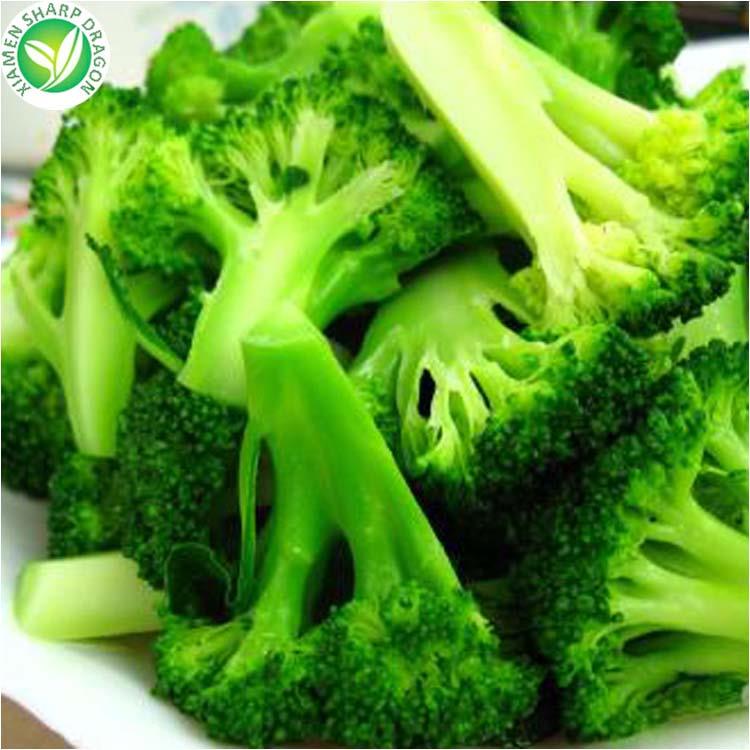
Use Five Outcome Questions Instead of a Healthy Label
First, was the broccoli actually eaten? A generous serving that returns on the plate contributes less than a smaller portion that people finish. Second, what did it replace? Swapping broccoli for part of a richer side differs from adding it to an already complete meal. Third, what accompanied it? Sauce, salt, oil, cheese, batter, meat, grains, and other vegetables shape the finished result.
Fourth, how did the person feel after comparable meals? Mild gas after a sudden fiber increase calls for a portion and preparation adjustment, while severe or persistent symptoms need professional attention. Fifth, what did the weekly diet lose? If broccoli becomes the only vegetable, the routine narrows exposure to other colors, textures, nutrients, and culinary uses.
These questions create an outcome audit. Score each meal as eaten, balanced, comfortable, varied, and repeatable. A meal does not have to be perfect in every dimension. The audit simply reveals whether the daily habit solves a real problem or survives only because broccoli carries a positive reputation.
Run the audit on ordinary days. A special restaurant dish or one unusually careful home meal says little about a routine. If you prepare broccoli three different ways, score them separately. You may find that the ingredient is accepted in soup but wasted as a plain side, or comfortable at lunch but not in a large late meal. Keep the successful use and stop forcing the weak one.
The replacement question deserves a written answer. If broccoli replaces part of fries, a creamy side, or an oversized refined-grain portion, the meal may change in a useful direction. If it is added without changing anything else, it may increase volume without addressing the original problem. Both can be reasonable, but they are not the same intervention and should not share the same outcome claim.
| Outcome question | Evidence to observe | Action if the result is weak |
|---|---|---|
| Was it eaten? | Served versus leftover amount | Reduce the portion or change texture |
| Did it improve the meal? | What food it replaced or complemented | Redesign the plate, not just the vegetable |
| Was it comfortable? | Repeatable response after a defined serving | Adjust cook and amount; seek advice for persistent symptoms |
| Did variety remain? | Other vegetables and foods across the week | Rotate companion foods or some broccoli meals |

Nutrition Supports the Choice but Does Not Finish the Argument
Broccoli contributes vitamin C, vitamin K, folate, fiber, and other compounds. Those nutrients participate in normal body functions, including collagen formation, blood clotting, cell division, and digestive processes. A composition table can show amounts in a defined food form. It cannot predict exactly what one person will feel or what long-term outcome will follow from eating broccoli daily.
The preparation basis matters. Raw broccoli, boiled drained broccoli, a frozen product after blanching, and a finished casserole have different water content and ingredient context. Nutrient values should stay attached to the tested form and serving basis. The XMSD page on prepared frozen broccoli nutrition is useful only when those descriptors match the comparison.
Vitamin C can be affected by processing, storage, heat, and water exposure. Vitamin K is more stable in ordinary cooking contexts but has an important medicine interaction for some people. Fiber remains part of the plant structure, although texture and physical form change. These differences support careful wording: broccoli can contribute nutrients; it does not retain an identical profile under every process.
The right practical action is to preserve usefulness. Use enough heat for an enjoyable bite, avoid unnecessary soaking, and evaluate the entire recipe. If a nutrient target is medically important, use qualified dietary guidance and an appropriate data source rather than inferring it from color or the word frozen.
Variety completes the nutrition argument. Broccoli does not supply every nutrient in the ideal amount, and other vegetables bring different pigments, flavors and food matrices. You can keep broccoli as a familiar anchor while rotating carrots, peppers, leafy greens, beans, mushrooms or squash around it. The anchor makes preparation predictable; the rotation prevents convenience from becoming a narrow diet.
Do not use visible greenness as a nutrient assay. Color can help identify obvious quality change, yet it cannot quantify vitamin content or prove that a process preserved every compound. When a numeric claim matters, use data for the defined food and processing state. When the goal is an enjoyable vegetable serving, use sensory acceptance and reasonable preparation instead of a laboratory-sounding promise.
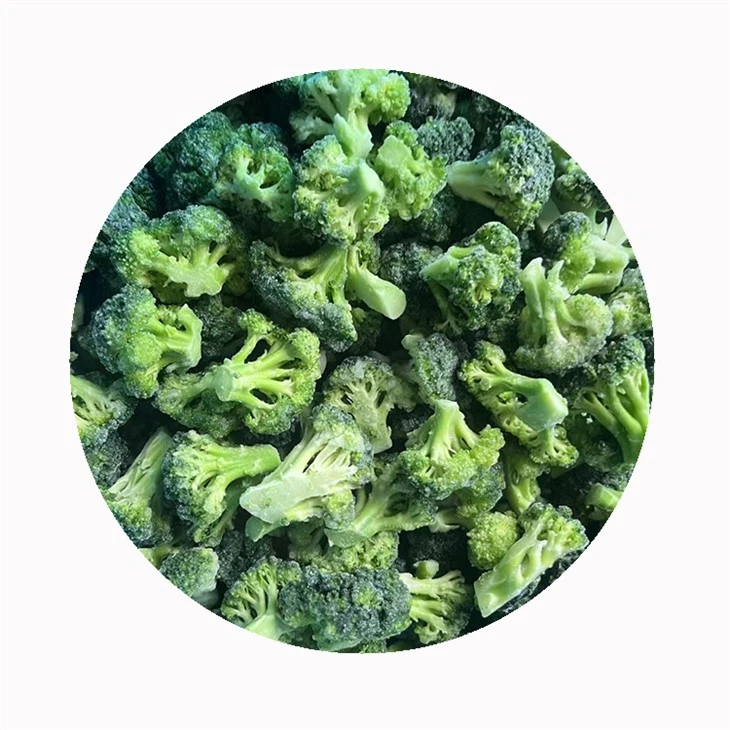
The Finished Dish Can Reverse the Intended Benefit
Broccoli is low in energy before rich additions, but the final meal may not be. A thick cheese sauce, generous oil, cream, processed meat, sugary glaze, or fried coating changes energy density, sodium, saturated fat, and serving behavior. That does not make the dish forbidden. It means the broccoli name should not be used to describe the whole recipe as automatically light.
Separate the vegetable portion from the additions during evaluation. Weigh the broccoli, record sauce or oil, and identify the other major ingredients. Compare the dish with the meal it is intended to replace. If the new formulation has more vegetables but also far more energy and sodium, the development team needs a more precise claim and perhaps a different recipe.
Texture can also reverse acceptance. Overcooked crowns collapse, stems remain firm, and water can dilute a sauce. The manufacturer may then increase cheese, starch, or seasoning to compensate. A better response is often to change cut size, heat sequence, or frozen input timing. Solving the physical defect first can avoid unnecessary formulation additions.
Practical example: A household serves 85 g broccoli with a modest spoon of yogurt-based sauce beside fish and rice. The portion is finished and another vegetable appears at lunch. When the same broccoli is baked under 120 g of cheese for one diner, the ingredient remains present but the meal's energy and saturated-fat context changes. The action is to judge each dish on its own composition, not approve both with one healthy label.
A recipe comparison should use equal finished portions and list the large contributors. Compare broccoli grams, oil or sauce grams, protein, starch, and sodium-bearing ingredients on the same basis. If you compare a 200 g side with a 400 g casserole, portion size will dominate the result. Normalizing the serving does not decide which dish you must eat; it simply makes the trade-off visible.
Flavor strategy can keep the vegetable central without making the meal austere. Acid, herbs, toasted spices, garlic, a measured amount of oil, or a sauce served separately can improve acceptance while keeping additions visible. The goal is not the lowest possible calorie dish. It is a recipe whose composition you understand and whose portion people will actually choose again.

Daily Broccoli and Digestive Comfort
Broccoli can contribute to gas in some people because certain carbohydrates are fermented in the large intestine. The response varies with serving size, cooking, eating speed, the rest of the meal, and individual gastrointestinal conditions. A normal food amount that feels comfortable for one person can feel excessive for another. The useful response is a controlled adjustment, not a universal warning.
Reduce the portion, cook the pieces more tenderly, and test the same meal context. Avoid changing several high-fiber foods at once. A short record of amount, preparation, timing, and symptoms can show whether broccoli is the likely driver. NIDDK suggests that a food and symptom diary can help identify foods related to gas.
Persistent pain, significant bowel change, vomiting, unexplained weight loss, or severe symptoms are outside a simple meal audit. Seek appropriate clinical advice. For mild discomfort, the success criterion is not zero gas after any vegetable. It is a portion that can be eaten without an unacceptable impact on daily life.
Broccoli can remain in the routine at a smaller amount while other vegetables supply variety. This is better than repeatedly forcing a large serving and then abandoning vegetables altogether. Frequency, dose, and form are separate controls; change the smallest one that solves the problem.
Eating speed and piece size can alter the experience. Large firm stems require more chewing and may be left behind, while very soft crowns compress into a smaller visual volume. If you use a cup measure, those forms can look equivalent while being eaten differently. Weigh one serving after cooking and note the preferred bite. That small check often explains more than a broad claim that raw or cooked is always better.

Frozen Broccoli Can Improve Repeatability-or Expose Weak Specifications
Frozen broccoli offers portion access throughout the year and can reduce the pressure to use a whole fresh head at once. IQF pieces can be taken from the bag as needed, provided the rest remains properly frozen. Convenience supports daily use only when the pack reseals or inner-bag design matches consumption and the pieces cook consistently.
From our product perspective, daily performance begins with the relationship between crown diameter, stem length, fines, and frozen clumps. A visually green pack can still produce uneven bites if tiny crowns and thick stems share one heating time. We review representative handfuls rather than selecting only the most photogenic pieces. That is the first XMSD experience layer: product-form distribution before formulation.
The second experience layer is recipe integration. Broccoli entering a soup, sauce, bowl, or ready meal faces moisture and holding conditions that a dry product inspection cannot reproduce. We look for crown breakup, stem firmness, water release, color after hold, and distribution across actual portions. A specification becomes meaningful when it predicts those finished-dish observations.
For comparison, the XMSD discussion of frozen vegetable nutrition explains why frozen form should be assessed by process and product, while the frozen broccoli product range provides a starting point for cut and application review.
Sampling must represent the commercial unit. Pull portions from more than the top of one opened bag, cook the normal batch load, and observe pieces after the intended hold. Record fines and very large stems separately because an average piece count can hide both tails. We prefer a short application record with photos and weights to a vague approval such as good green color.
If the buyer needs a precise broccoli share in every tray, distribution control belongs in the filling trial as well as the incoming specification. A sound IQF lot cannot guarantee equal tray content when the hopper, mixing sequence or scoop separates large and small pieces. Trace the variation to the stage that creates it, then set acceptance where the process can actually control the result.
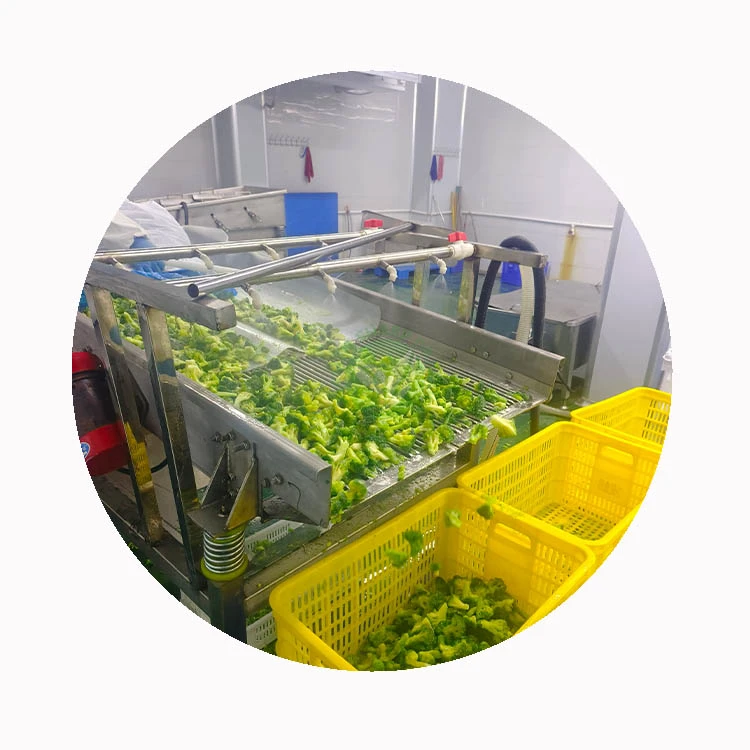
Practical Example: Release a Private-Label Broccoli Bowl
Worked example: A private-label team designs a 320 g frozen bowl with 80 g broccoli, 90 g grain, 70 g protein, and 80 g sauce and other vegetables. Its pilot uses 25 bowls. The team weighs broccoli recovered from each bowl after heating and finds a 64-94 g spread, with small crowns concentrated in some units. The mean alone hides inconsistent distribution.
The decision is to change the mixing and filling method, set a piece-size expectation, and repeat the 25-bowl check. In the second trial, the range narrows to 75-86 g and texture scores remain acceptable after the labeled heating method. The expected result is a more repeatable consumer experience. These numbers are representative scenario inputs, not an XMSD production claim.
The team then evaluates the whole meal rather than describing it as healthy because it contains broccoli. It reviews the nutrition calculation for the complete formula, the ingredient list, the intended claim, eating instructions, and sensory acceptance. If sauce reformulation changes water or heat transfer, the broccoli test is repeated. Finished-product evidence must support the finished-product statement.
Release evidence should also include the least favorable reasonable preparation. Consumers may use equipment with different power or follow the minimum labeled time. The team can test the approved range, identify the point where stems remain firm or crowns soften too far, and write instructions that protect a usable center. A single ideal laboratory reheating result is not enough for a repeat retail experience.
Packaging participates in that outcome. Seal integrity, headspace, frozen clumping, and pack orientation can affect distribution and heating. The XMSD guide to professional frozen packaging is relevant after the product and process variables are defined; packaging cannot rescue an unresolved formula.

Who Should Use Extra Care
People taking warfarin or related vitamin K-antagonist medicines should keep vitamin K intake consistent and follow their clinician's advice. NIH does not frame this as a simple ban on broccoli; sudden intake changes are the concern. A new large daily serving therefore requires a care-plan discussion, not an internet portion rule.
People with diagnosed digestive conditions, medically prescribed diets, food allergy, or swallowing difficulty may need individualized preparation and quantity advice. Parents should use age-appropriate food form and supervision for children. These boundaries do not make broccoli unsafe for everyone; they identify situations where a general daily-food answer is not enough.
Food safety is separate from nutritional goodness. Keep frozen product at the required storage condition, protect it from contamination, follow label cooking directions, and assess damaged or temperature-abused packs appropriately. Freezer burn may reduce quality without proving danger, while an uncertain thaw-refreeze history needs a different decision than surface dryness.
The Final Judgment Belongs to the Meal
Daily broccoli is good when it helps create meals that are actually eaten, reasonably balanced, comfortable, varied, and repeatable. It becomes less useful when the serving is forced, preparation drives unwanted additions, symptoms recur, or one vegetable monopolizes the menu. Review the outcome, change the smallest failing variable, and keep the ingredient only when it earns its place.
For a commercial program, translate that same rule into evidence: cut distribution, cooked texture, hold performance, recovered serving weight, complete formula, pack condition, and acceptance at the labeled preparation. The private-label pathway provides context for development responsibilities once the intended dish and evidence plan are clear.
XMSD sourcing note: Send the finished dish, broccoli share, cut target, heating method, hold requirement, pack format, complete formula context, destination and sample plan. We can review the frozen-product and application evidence needed for the next decision.
References
- USDA MyPlate: Vegetable Group
- NIH Office of Dietary Supplements: Vitamin K Health Professional Fact Sheet
- NIDDK: Gas in the Digestive Tract
- XMSD operational perspective on frozen broccoli cut distribution, formulation, holding, packaging, and finished-product acceptance.