


XMSD Papaya at Night Guide: Portions, Reflux and Service
May 31, 2019

Eating ripe papaya at night is not automatically bad. The clock does not turn its natural sugars straight into body fat, and papaya is not a proven sleep or weight-loss treatment. What matters is the actual portion, the complete evening meal, total intake, symptoms, bedtime proximity, product form and handling.
A small plain serving after dinner can fit one person's plan, while a large sweetened smoothie immediately before lying down may not. Someone with nighttime reflux, a diabetes meal plan, papaya or latex allergy, or repeated digestive symptoms needs individualized guidance. A hotel or restaurant must also control thawing, portioning and service exposure regardless of the hour.
Practical answer: night alone is not a reason to ban papaya. Use a measured portion that fits the complete meal, avoid lying down soon after eating if that worsens reflux, follow personal medical advice and keep cut or thawed fruit under the validated food-safety plan.

Night Is Not One Standard Eating Condition
"At night" could mean fruit with a 6 p.m. dinner, a 9 p.m. snack for a person who sleeps after midnight, food during a night shift or a large drink immediately before bed. These are not equivalent exposures. Record eating time, intended sleep time, portion, recipe, other foods, activity, symptoms and the person's usual schedule.
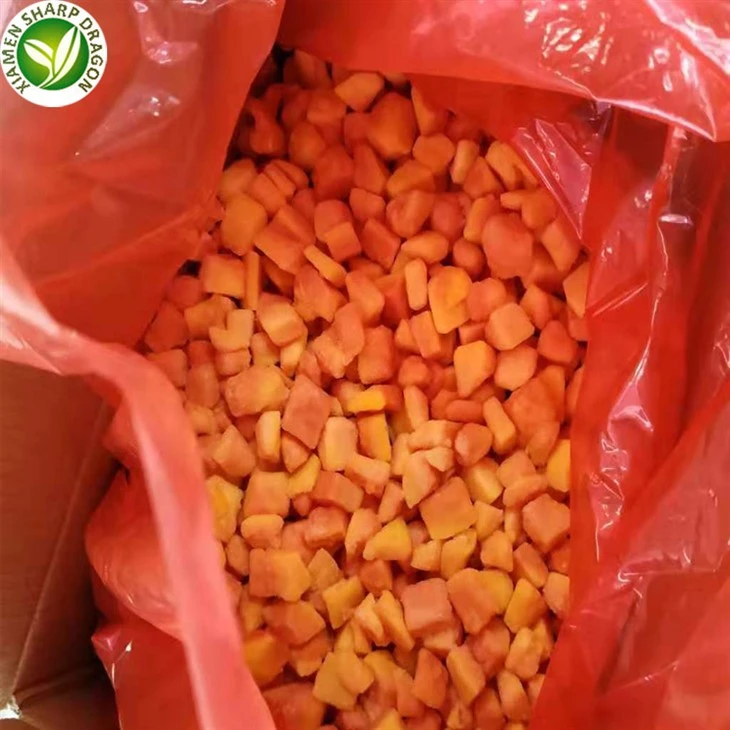
The same distinction applies to product form. Plain ripe pieces, IQF dice, puree, nectar, sweetened fruit, dried papaya and a mixed dessert differ in water, concentration, ingredients, serving mass and eating speed. "Papaya at night" cannot predict an outcome until the food is identified.
Our papaya timing guide addresses breakfast, meals, snacks, activity and service occasions. This page owns the narrower bedtime question: whether evening portions, recumbency, symptoms or operations change the decision.
Use a simple test. If the recommendation would be identical for 50 g of plain fruit at dinner and a 600 g sweetened drink in bed, it is too vague. If it ignores whether the person sleeps at 10 p.m. or works until 6 a.m., it confuses social clock time with physiology and behavior.
Papaya Does Not Gain Special Fat-Storage Power after Sunset
The inherited claim says papaya sugar eaten at night becomes excess sugar, then fat, and therefore causes obesity. That skips the measured variables. Foods contribute energy whenever they are eaten. Body-weight change reflects energy intake and expenditure over time, alongside sleep, activity, medication, health conditions and behavior. One fruit does not acquire an automatic fat-storage switch at sunset.
Meal timing can still matter within a person's overall pattern. Late eating may coincide with larger portions, distracted snacking, alcohol, sweetened beverages, shorter sleep or eating beyond planned needs. Research on nighttime eating examines patterns, circadian timing and participant conditions; it does not prove that every evening papaya serving causes weight gain.
Ask whether papaya replaces or adds food. If 100 g of plain papaya replaces a planned dessert, the change differs from adding a papaya sundae after the complete dinner. If a smoothie includes syrup, ice cream or juice concentrate, evaluate the finished formula rather than assigning its total energy to the fruit.
Worked example: an evening dessert cup weighs 180 g and contains 30% papaya. Papaya per cup is 180 g × 30% = 54 g. The other 126 g-yogurt, syrup, cereal or another ingredient-must remain in the product assessment.
For 2,500 cups, theoretical papaya demand is 54 g × 2,500 = 135 kg. At 5% measured handling and thaw loss, purchase planning is 135 kg ÷ 0.95 = 142.11 kg, before rounding under inventory control.
These figures support formula, label and purchasing decisions. They do not prove a weight outcome at night. That requires the finished serving, frequency and complete dietary context.

Bedtime Proximity Matters Most When Reflux Is the Problem
For people with gastroesophageal reflux disease symptoms at night or while lying down, NIDDK guidance says eating meals at least three hours before lying down or going to bed may improve symptoms. This is a symptom-management principle for the meal and recumbency interval, not evidence that papaya is uniquely dangerous.
Individual triggers differ. A large late meal, high-fat additions, alcohol, chocolate, mint, spicy or acidic foods and other factors may matter depending on the person. Papaya should not be declared a reflux cure because it contains papain, nor a universal trigger because it is fruit. Record the exact recipe and response.
If symptoms appear only when a large smoothie is consumed in bed, change one variable at a time: reduce the portion, remove suspect additions, move the serving earlier and avoid lying down immediately. Persistent symptoms, difficulty swallowing, bleeding, unexplained weight loss or other concerning signs require professional assessment rather than repeated food tests.
Do not recommend deliberate re-exposure when allergy may be involved. Hives, swelling, throat symptoms, breathing difficulty, dizziness or a multi-system reaction follow a different pathway. Use the papaya allergy and illness guide to preserve the product, recipe, timing and lot evidence and to recognize urgent symptoms.
Run a Controlled Comparison Instead of Guessing
If you are trying to understand mild, repeatable discomfort, do not change the papaya, portion, dinner, eating time and bedtime on the same day. That produces no clear comparison. Keep a simple record of product, grams, ingredients, meal time, lying-down time, symptoms, onset and duration. Compare similar days while following any medical instructions.
Begin with the most decision-relevant variable. If symptoms occur after a very large mixed smoothie, first verify the complete recipe and portion. If they occur only when you lie down soon after any meal, the meal-to-bed interval may deserve attention. If hives or throat symptoms occur rapidly after a small amount, stop treating it as a timing puzzle and use the allergy pathway.
Use a predefined conclusion. For example: if the same measured plain portion is comfortable at dinner on three comparable occasions but uncomfortable only after adding dairy or syrup, investigate the added ingredient and total formula. This is not a diagnosis, yet it gives a clinician or quality reviewer cleaner information than "papaya at night is bad."
Stop the comparison when symptoms are severe, progressive or medically concerning. Do not use repeated eating to test a suspected allergy or contaminated lot. Preserve labels, packaging and lot information, because your clock-time note cannot identify cross-contact, spoilage or a shared foodborne exposure.
Do Not Promise Sleep from One Fruit
Search results sometimes describe papaya as a bedtime sleep aid. Nutrient composition does not by itself prove that a normal serving treats insomnia or improves sleep. Sleep quality reflects schedule, light, activity, caffeine, alcohol, stress, health conditions, environment and many other factors. CDC sleep guidance focuses on adequate, good-quality sleep and consistent habits, not a papaya prescription.
A planned light snack may be more comfortable than going to bed hungry for some people, while eating close to bed may be uncomfortable for others. Those are individual observations. Record portion, time, sleep onset, awakenings and symptoms across several comparable occasions before treating one good or bad night as proof.
Shift workers need special care with terminology. Their "night snack" may occur during an active work period rather than before sleep. Evaluate their actual sleep window, occupational guidance, meal pattern and safety needs. A universal rule tied to darkness can be useless for rotating schedules.
Commercial claims need the same discipline. "Late-night papaya cup" can describe an occasion. "Clinically improves sleep" requires evidence for the finished product, dose, population and outcome under applicable claim rules. Packaging design and a tropical image cannot substitute for substantiation.
Portion, Ingredients and Eating Speed Change the Experience
Measure grams rather than "a bowl." Container size, fruit cut and fill level make bowls incomparable. FDA Nutrition Facts guidance ties calories and nutrients to the declared serving and number of servings consumed. A multi-serving pack eaten from the container can quietly turn one intended portion into two or three.
Check plain versus sweetened status and all additions. Frozen papaya pieces, a papaya puree with added sugar and a dessert topped with sauce differ. Eating speed also matters to practical portion awareness: a drink may be consumed faster than pieces that require chewing, but the real comparison depends on formula and serving.
For a person following a diabetes plan, count the actual carbohydrate-containing serving within the complete evening meal and follow professional advice. Nighttime is not a reason to ignore fruit, and fruit identity is not a reason to ignore quantity. A website should not promise a particular glucose response.
For general use, begin with the planned amount and observe tolerance. If the serving is an addition rather than a substitution, state that clearly. If a recurring late snack reflects insufficient earlier intake or another behavior pattern, changing the papaya hour without addressing the pattern may not solve the problem.
Late Foodservice Adds a Time-Temperature Question
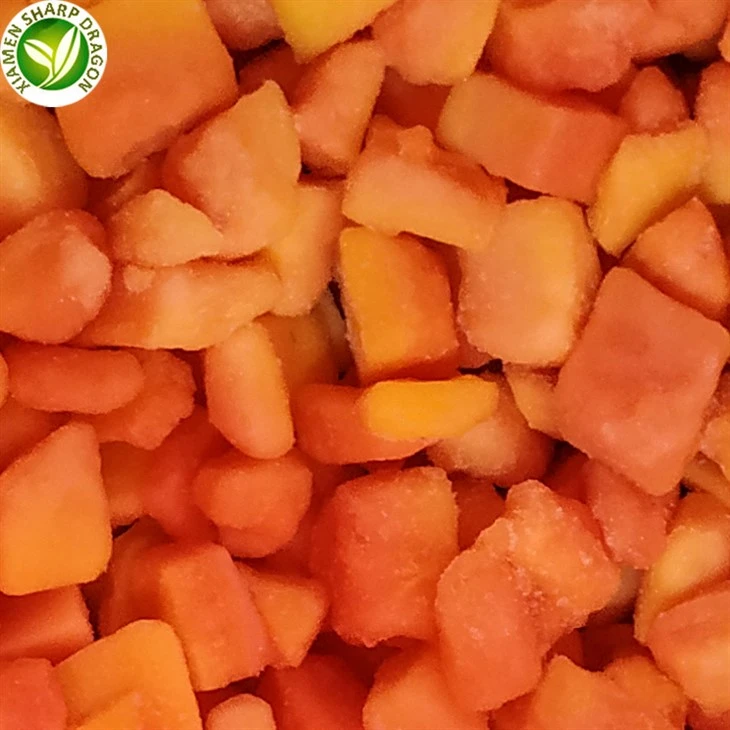
A safe evening service depends on the same controls as breakfast: approved supply, hygienic handling, controlled thawing, clean utensils and surfaces, defined holding, lot traceability and prompt disposition of exposed product. Freezing is not sterilization, and darkness does not change the hazard.
Separate clock time from exposure time. Papaya placed on a buffet at 8 p.m. and controlled for the validated service period is different from fruit prepared at noon with an undocumented history. Record thaw start, preparation, service start, product condition, temperature under the agreed method, replenishment and discard time.
Use smaller pans or packs when demand is uncertain. Replenishing a controlled small quantity can reduce the mass exposed and make lot tracking clearer. Do not mix new fruit into an old pan without a procedure, because the combined product inherits an unclear exposure history.
For frozen applications, the papaya preparation guide distinguishes blending from frozen, controlled thawing and cooking routes. Validate the route in the actual site; texture guidance cannot replace the food-safety plan.
Set a release rule before service starts. Your file should state which lot is prepared, who checked it, the acceptable product condition, the measurement method, the maximum validated exposure, what happens to returned fruit and who can extend a hold or order disposal. "It still looks fine" is not a complete late-shift disposition rule.
When a deviation occurs, isolate the affected quantity and keep the earlier and later lots distinct. Review logger or temperature evidence, pan history, seal condition, preparation records and the actual time outside control. Re-freezing may make pieces hard again, but it cannot reverse microbial growth, purge, tissue damage or lost traceability.
Late shifts also need a clear handover. Record open packs, thaw status, remaining life, service exposure, quantity and intended next use so the morning team does not assume an unopened history. If the evidence is incomplete, keep the product on controlled hold until an authorized decision is documented.
Complaint trends should retain the service window without treating it as cause. Compare recipe, lot, site, symptom and onset across breakfast and evening services. If similar cases follow one lot at multiple times of day, the lot is more informative than darkness. If complaints occur only in one late recipe, examine its ingredients and handling before blaming papaya generally.
Forecast Night Demand before Opening the Pack
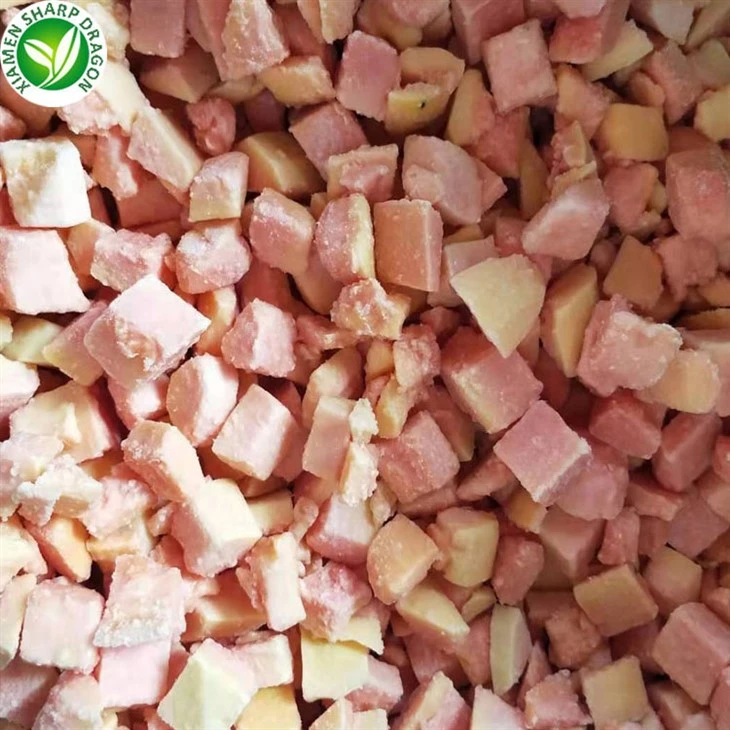
Late demand is often less predictable than breakfast demand. A large inner pack may lower packaging cost per kilogram but increase opened product, exposure and waste when only a few portions sell. Compare delivered cost with usable yield, labor, remaining shelf life and disposal, not pack price alone.
Late-service example: a hotel forecasts 85 evening dessert cups with 60 g papaya each. Planned demand is 85 × 60 g = 5.10 kg papaya.
If measured usable yield is 94%, issue quantity is 5.10 kg ÷ 0.94 = 5.43 kg. Opening one 10 kg inner pack would leave 4.57 kg that needs an approved use and remaining-life plan; three 2 kg packs issue 6 kg and limit the exposed remainder to 0.57 kg.
The smaller option may carry more packaging per kilogram, yet reduce operational risk. Verify actual pack sizes, reseal status, thaw-life evidence and local procedure instead of copying this example.
Track forecast, issued mass, portions sold, returned mass and discarded mass by service. After several comparable nights, adjust par level and inner pack. This evidence is more useful than labeling papaya "good" or "bad" after dark.

Specify Papaya for the Actual Evening Application
Define ripe papaya identity, origin, plain or sweetened status, IQF or other format, cut and tolerance, maturity or color, Brix or pH where material, peel and seed tolerance, defects, broken pieces, clumps, foreign material, microbiological criteria, residue plan, allergen statement, pack, net weight, lot code, shelf life and storage.
Match the cut to use. A visible dessert topping values piece identity and controlled purge. A blended drink values repeatable solids, sweetness and blend behavior. A fruit cup needs portion speed and stable thawed texture. One "premium papaya" label does not define these acceptance points.
Review the XMSD frozen papaya format for discovery, then bind supply to the signed specification and approved sample. Use the frozen-food packaging overview to frame inner pack, carton and cold-chain questions, with order-specific evidence controlling the decision.
Keep formula, label, supplier, lot and service-procedure versions connected. If the papaya percentage, sweetener, pack or thaw route changes, reopen the serving, claim, yield and food-safety review. Evening positioning cannot protect an uncontrolled change.
Approve the product in a real evening trial, not only from a frozen sample on a desk. Measure thawed piece integrity, purge, portion speed, sweetness balance, display life and waste under the intended service window. Record the acceptance basis and retain a representative sample or visual evidence where the quality plan requires it.
If the trial fails, name the failure signal. Excess purge may require a different maturity, cut, process or thaw route; inconsistent portions may require another utensil or pack size; complaints may require a formula, allergen or lot investigation. Changing the menu description from "night" to "day" does not correct a product-control failure.

Frequently Asked Questions
Does papaya at night cause weight gain?
Not automatically. Review the portion, recipe, additions, frequency, total intake, activity and sleep pattern. Sunset does not make papaya sugar convert directly into body fat.
How long before bed should I eat papaya?
There is no papaya-specific universal interval. For people with nighttime GERD symptoms, NIDDK notes that eating meals at least three hours before lying down or bed may help; follow individualized advice.
Can papaya improve sleep?
Do not treat ordinary papaya as a proven insomnia therapy. Sleep depends on many factors. A comfortable planned snack may suit one person, while late eating may bother another.
Can people with diabetes eat papaya at night?
Use the person's diabetes meal plan and count the actual carbohydrate-containing serving within the complete meal. Timing alone does not determine glucose response.
Is frozen papaya safe for late foodservice?
It can be when approved supply, controlled thawing, hygienic preparation, documented holding, replenishment, traceability and disposition follow the validated plan. Freezing does not sterilize fruit.
What evidence should an evening papaya dessert file keep?
Keep formula, serving mass, papaya percentage, ingredients, label basis, supplier and lot, thaw and service times, temperature method, yield, waste, complaints and corrective actions.
XMSD sourcing note: Send the evening papaya application, cut, fruit percentage, portion, inner pack, service window, destination and quality requirements. We can review an order-specific specification and sample plan.
References
- National Institute of Diabetes and Digestive and Kidney Diseases. Treatment and meal timing for GERD symptoms.
- Kinsey and Ormsbee. The health impact of nighttime eating: old and new perspectives.
- U.S. Food and Drug Administration. How to understand and use the Nutrition Facts label.
- U.S. Centers for Disease Control and Prevention. About sleep and sleep quality.
- UC Davis Postharvest Research and Extension Center. Papaya maturity, disorders and storage.