


XMSD Papaya Safety Guide: Allergy, Spoilage and Illness
May 31, 2019

Papaya can make someone sick, but the cause is not always the fruit itself. A true papaya or latex-related allergy can be serious. A large portion, unripe latex or a concentrated papain product may cause a different tolerance problem. Contaminated fresh-cut or frozen fruit can cause foodborne illness, while mold, fermentation or temperature abuse can make a product unacceptable. Most people can eat properly handled ripe papaya, but "papaya never makes you sick" is not a safe conclusion.
First response: identify the exact papaya food, amount, other ingredients, symptom, onset, duration, lot and whether other people became ill. Breathing difficulty, throat or tongue swelling, faintness, shock or a rapidly worsening reaction needs emergency help. Do not deliberately eat a suspect product again to test it.

Use Symptom Pattern to Choose the Right Investigation
An unwanted event after papaya can follow several pathways. Allergy is an immune reaction. Dose-related intolerance may involve digestive discomfort without an immune mechanism. Foodborne illness involves a biological or chemical hazard. Spoilage is a quality change that can overlap with safety but cannot prove a specific pathogen. A reaction to milk, nuts or another ingredient in a papaya dish may have little to do with the fruit.
Record timing precisely. ACAAI explains that many food-allergy symptoms begin within minutes and most food-related allergic symptoms occur within two hours, although exceptions exist. Foodborne illnesses have different incubation periods depending on the hazard. Gas after a very large meal, hives within minutes and several diners vomiting after a shared fruit cup are not one diagnosis.
Count affected people and shared exposures. If one person reacts repeatedly to papaya while others remain well, individual allergy or tolerance becomes more relevant. If several unrelated people who ate the same lot become ill, preserve the lot and escalate food safety. The pattern guides the next evidence; it does not let a website diagnose the patient or pathogen.
Papaya Allergy Can Affect More than the Stomach
ACAAI describes food-allergy reactions that can involve skin, gastrointestinal, respiratory and cardiovascular systems. Symptoms may include hives, vomiting, stomach cramps, coughing, wheezing, throat tightness, trouble swallowing, tongue swelling, dizziness, a weak pulse or shock. A reaction affecting breathing or circulation can be anaphylaxis and requires emergency treatment.
Previous severity does not reliably predict the next reaction. A mild first event is not permission to run a home food challenge. Someone with a diagnosed allergy should follow the allergist's avoidance and emergency plan. Freezing, pureeing or selecting a different cut size does not reliably remove allergenic proteins.
Corn, milk, nuts, soy or another recipe ingredient can be the actual trigger in a multi-ingredient papaya product. Read the complete ingredient statement and applicable allergen declaration. In foodservice, check the real recipe, garnishes, utensils, shared blender, storage container and cleaning practice instead of assuming the menu's highlighted fruit caused the reaction.

Latex Cross-Reactivity Is a Meaningful Screening Point
Some people with natural-rubber latex allergy react to certain fruits because proteins can be similar enough for immune cross-reactivity. Papaya appears in clinical discussions of latex-fruit syndrome. This does not mean that every latex-allergic person must react, and a list on the internet cannot determine individual risk.
Ask the right question before service to a sensitive group: Is there a diagnosed latex or papaya allergy? What reaction and medical plan exist? Hospitals, care facilities, schools and caterers need clear ingredient communication and a defined escalation route. "Frozen fruit" or "natural fruit" is not an allergen guarantee.
Practical example: a hospital smoothie includes papaya, banana and yogurt. A patient with latex allergy develops hives and throat tightness. Do not guess whether papaya, banana, milk or cross-contact caused it. Follow emergency procedures, preserve the recipe and labels, record timing and amount, and send the case for qualified allergy evaluation. Recipe speculation comes after patient safety.
Ripe Fruit, Unripe Latex and Papain Are Different Exposures
Unripe papaya contains more latex than ripe table fruit. Papain is a protein-cleaving enzyme obtained from papaya latex and can also appear as an isolated enzyme preparation. A ripe fruit cube, green-papaya dish, latex contact and concentrated papain product do not deliver the same exposure. Their safety questions should not be merged.
The inherited article used papain as proof that papaya improves digestion and cannot cause illness. Enzyme activity does not establish universal tolerance. FDA action concerning unapproved topical papain drug products cited hypersensitivity concerns, but that drug context should not be transferred wholesale to normal ripe fruit. It does show why product category, exposure and allergy evidence matter.
Pregnancy, medication, medical-condition and supplement questions need individual professional guidance. A food article should not prescribe unripe papaya, latex or papain as treatment. Our papaya benefit-claim guide explains how to keep enzyme and nutrient statements within evidence.
Fresh-Cut and Frozen Papaya Still Need Food-Safety Controls
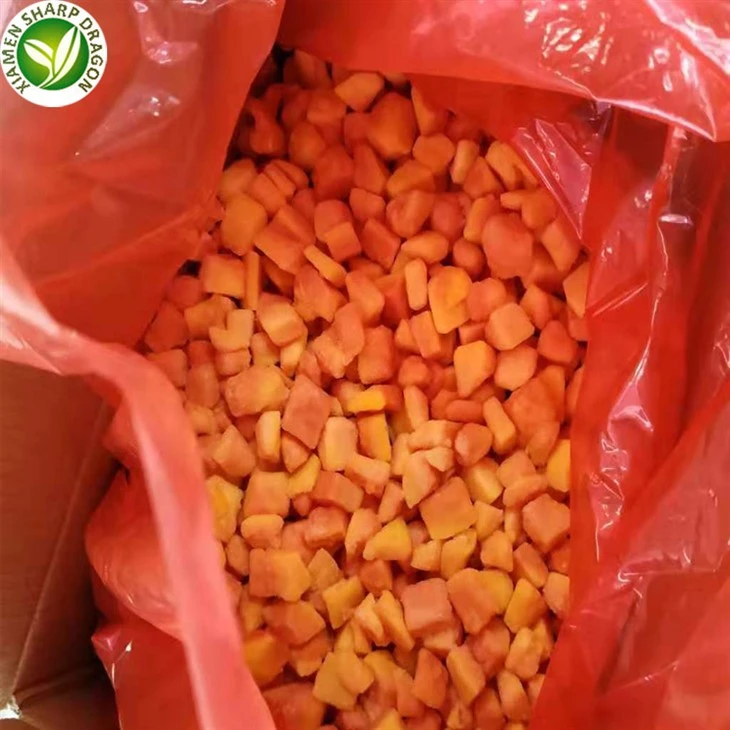
Fruit can be contaminated in the field, water, handling, equipment, environment, cutting, packing or service. Freezing does not sterilize food. In smoothies, fruit cups and some desserts, papaya may be eaten without a later validated kill step. Supplier approval, hygienic design, water controls, environmental and process programs, traceability and cold-chain management therefore matter.
FDA consumer produce guidance recommends choosing produce without bruising or damage, keeping pre-cut items refrigerated or on ice, washing hands and equipment, separating produce from raw animal foods and refrigerating cut produce. Commercial systems need documented versions of the same risk logic plus validated site-specific controls.
Do not rely on smell or appearance to prove safety. A contaminated product can look normal. Conversely, discoloration or freezer damage does not identify a pathogen. Visual and sensory checks are useful release inputs, but microbiological compliance, environmental monitoring, process validation and traceability require their own evidence.
Use the XMSD frozen produce safety guide to screen process and supplier questions, then set product-, site- and destination-specific requirements in the contract.
Evidence split: a fast reaction in one person after a small exposure, especially with hives, mouth or throat symptoms, points the first investigation toward allergy. Similar gastrointestinal illness in several unrelated people who shared one date, recipe or lot points the first investigation toward a common exposure.
Neither pattern proves cause. Allergy requires clinical assessment, while a suspected foodborne cluster requires product, preparation, distribution and public-health evidence. The practical decision is to open the appropriate pathway early and preserve the same lot and recipe records for both.
Do not classify every stomach complaint as intolerance. Onset time, severity, other diners, other ingredients and recurrence all change the judgment. If the symptom is severe, urgent care comes before an email questionnaire or supplier debate.
Cold-chain evidence must also be interpreted, not merely collected. A surface reading from one carton may not describe the load. Compare the agreed measurement method, probe location, pallet position, logger history, carton condition and product state. Softness or clumping can show quality damage, yet neither alone identifies a pathogen or proves that a reported illness began in transport.
For a deviation, isolate the affected quantity and map its time and temperature history against the product and food-safety plan. Record the disposition decision and its basis. Re-freezing a thawed lot may restore hardness, but it cannot reverse microbial growth, purge, tissue damage or lost traceability. When the evidence is incomplete, a controlled hold is more defensible than releasing on appearance.

Spoilage Signs Mean Hold and Evaluate, Not Taste-Test
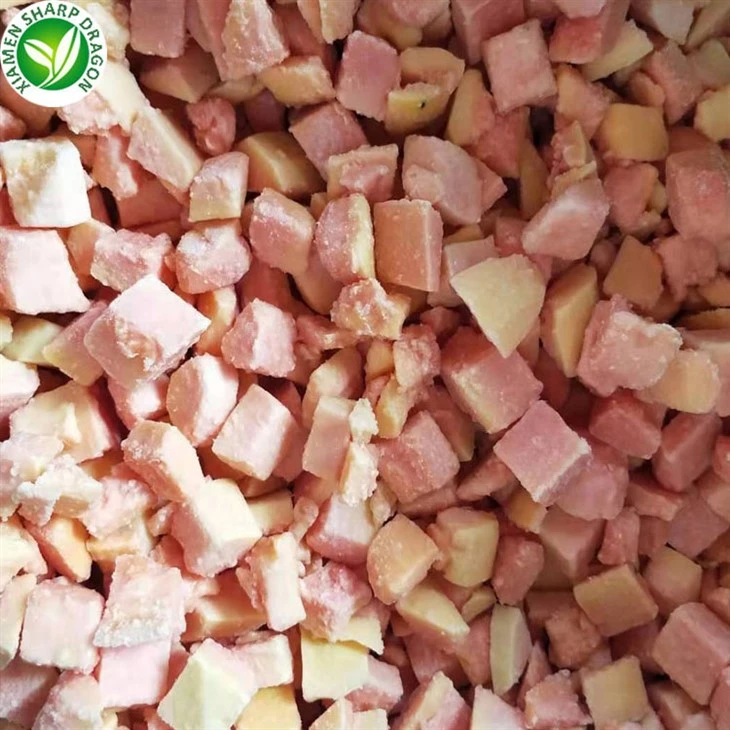
Visible mold, leaking or swollen packaging, abnormal fermentation odor, slimy tissue, severe discoloration, unexpected gas or an unknown time-temperature history are reasons to stop use and evaluate. Frozen papaya may show clumping, large ice crystals, collapsed pieces or excessive drip after temperature movement. These signs affect acceptance even when they do not identify a specific pathogen.
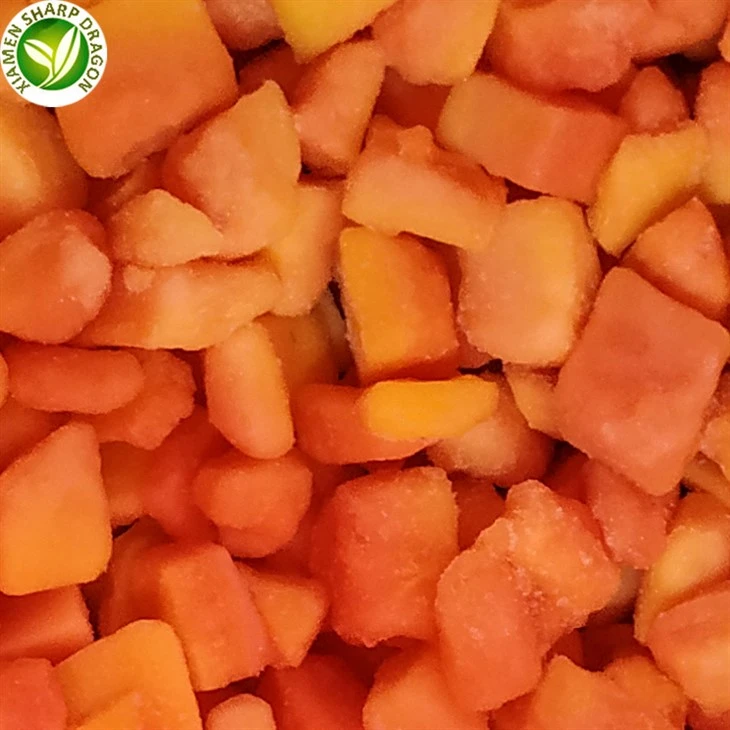
Normal papaya variation should not be confused with spoilage. Ripe aroma, orange-red color, small color differences and soft thawed texture can be expected depending on cultivar and maturity. Define the approved sensory range before shipment. Without a written standard, normal softness may be rejected while a real fermented odor is dismissed as tropical fruit aroma.
Practical example: a 10 kg frozen papaya bag arrives as one hard block with torn seals, liquid staining and a fermented odor after partial thaw. The unknowns are seal failure, temperature history and contamination. Place the lot on hold, preserve codes and temperature evidence, sample under the complaint plan and escalate. Do not rinse, refreeze or taste the fruit to decide whether it is safe.
Build an Exposure Record before Assigning Cause
Record product name, lot, source, purchase or service location, papaya form, amount eaten, all other ingredients, preparation, symptom, onset, duration, number of affected people and medical outcome. Preserve packaging, recipe and traceability records. A complaint such as "papaya made me sick" is a starting signal, not a root-cause conclusion.
The denominator matters. Twelve complaints sound large without knowing whether the lot supplied 500 or 500,000 servings. A low complaint rate still does not dismiss a severe allergy or clustered illness, but exposure data helps find patterns. Compare lots, sites, serving dates, recipes and symptom types rather than combining every event into one total.
Worked example: a 2,400 kg smoothie batch contains 25% papaya, or 600 kg papaya. At 160 g per bottle, the batch yields 15,000 bottles before process loss, and each bottle contains 40 g papaya.
If 12 similar illness complaints are linked to that lot, the reported rate is 0.08%: 12 ÷ 15,000 × 100. That number does not prove safety or causation. Map the 12 cases by time, place, other ingredients, symptom and medical diagnosis. Determine whether the actual distributed bottle count differs from theoretical yield.
The 40 g papaya exposure helps compare recipes or lots; it cannot set a safe allergy threshold. A diagnosed allergic person may react to a small exposure, while a foodborne event depends on the hazard and dose. Keep allergy and lot-investigation pathways separate.
When a complaint cluster appears, hold implicated stock, notify the responsible quality and regulatory contacts, preserve evidence and follow applicable reporting, withdrawal or recall procedures. Do not wait for marketing certainty. Public-health protection and traceability come before defending an ingredient.
Trend by symptom as well as by lot. Twelve reports of immediate itching should not be merged with twelve reports of diarrhea two days later. Separate medically diagnosed cases from self-reported discomfort without dismissing either. Record whether other people ate the same recipe without symptoms, whether the affected people consumed the same additional ingredient and whether similar complaints exist for other lots.
A useful batch decision has three parts: the action now, the evidence still missing and the release or escalation rule. For example, hold two implicated pallets now; obtain distribution, preparation and laboratory records; then release only unaffected stock whose identity and separation are documented, or widen the hold if the cases connect across lots. This is stronger than writing "under investigation" without an owner, deadline or decision threshold.
Complaint-triage example: one consumer reports lip swelling within minutes of a papaya-only snack; a second file shows six employees with vomiting after one shared smoothie service. The first case calls for emergency guidance where needed, allergy evaluation and confirmation of the exact ingredients and cross-contact. The second calls for a shared-meal and lot investigation.
The two files may ultimately involve papaya, another ingredient or an unrelated cause. Starting them in separate evidence lanes prevents a severe allergic signal from disappearing inside a complaint-rate average and prevents a possible outbreak from being dismissed as individual sensitivity.
Close each case with a documented reason, not only a status label. Record what evidence supported allergy referral, supplier corrective action, sanitation review, stock release, withdrawal or no product link. Feed confirmed failures back into supplier approval, recipe control, staff training and future receiving checks. That final loop is what turns complaint handling into prevention instead of a folder of disconnected incidents.
Receiving and Preparation Evidence Reduce False Conclusions
At receiving, verify supplier, item, lot, quantity, seal and carton condition, product temperature using the agreed method, signs of thawing or refreezing and required documents. Sample across pallet positions rather than inspecting only the easiest carton. Record who checked, when, where and with what calibrated equipment.
During preparation, prevent cross-contamination from raw foods, hands, utensils, blenders, surfaces and containers. Follow the product's validated handling and cooking instructions. If frozen papaya is used ready-to-eat, do not assume a later step will correct an upstream hazard. Define maximum exposure time and refrigerated holding for thawed fruit under the food-safety plan.
For texture and yield, use the frozen papaya preparation guide. Its thawing routes support application control, but they do not replace microbiological validation or allergy management. Quality and safety are connected decisions, not interchangeable evidence.
Specify the Product So Complaints Remain Traceable
Define ripe papaya identity, origin, plain or sweetened status, IQF or other format, cut and tolerance, maturity or color, Brix or pH where material, peel, seed, dark or pale tissue, decay, broken pieces, clumps, foreign material, net weight, inner pack, carton, lot code, storage and shelf life.
Add the safety and market evidence appropriate to actual use: facility and certificate scope, HACCP-based controls, water and environmental programs, microbiological criteria, residue plan, allergen statement, traceability, packaging compliance, label responsibility and shipment documents. A certificate logo without site, entity, scope and validity details cannot close the review.
Review the XMSD frozen papaya format for product discovery. Protect it with an order-specific pack and cold-chain plan using the frozen-food packaging overview. The signed specification and approved sample must identify what will actually ship.
Keep formula, artwork and lot versions connected. If the papaya source, fruit percentage, process, recipe allergens or pack changes, reopen the hazard and communication review. This control turns a vague illness complaint into evidence that can be traced to a product, process and decision.

Frequently Asked Questions
Can ripe papaya cause an allergic reaction?
Yes. Papaya allergy is possible, and latex cross-reactivity may be relevant. Hives, swelling, breathing difficulty, throat symptoms, dizziness or a multi-system reaction can require urgent or emergency care.
Does freezing make papaya sterile or allergen-free?
No. Freezing is not sterilization and does not reliably remove allergenic proteins. Frozen papaya still requires supplier, process, pack, cold-chain, traceability and intended-use controls.
Can too much papaya cause stomach discomfort?
A large portion or a major dietary change can cause digestive discomfort for some people, but one symptom does not diagnose papaya intolerance. Review amount and the complete meal, and seek advice for persistent or severe symptoms.
How can I tell if frozen papaya is spoiled?
Leaking or swollen packs, visible mold, abnormal fermentation odor, slime, severe discoloration, unexpected gas or unknown temperature history are hold signals. Appearance cannot prove microbiological safety, so use the complaint and testing plan.
What if several people get sick after the same papaya lot?
Hold implicated stock, preserve lot, recipe, preparation, symptom and distribution evidence, notify responsible quality and public-health contacts and follow applicable reporting or recall procedures. Do not invite anyone to retest the product.
What should a papaya complaint file contain?
Keep product, supplier, lot, pack, source, amount, other ingredients, preparation, symptom, onset, duration, affected-person count, medical outcome, receiving evidence, distribution and corrective-action records.
XMSD sourcing note: Send the papaya form, application, cut, fruit percentage, pack, destination, intended use and quality requirements. We can review an order-specific frozen-papaya specification, sample plan and lot evidence.
References
- American College of Allergy, Asthma and Immunology. Food allergy symptoms and anaphylaxis guidance.
- Allergy & Asthma Network. Latex allergy and cross-reactive foods.
- U.S. Food and Drug Administration. Safe produce selection, handling and storage.
- U.S. FDA. Context for unapproved topical papain drug products.
- UC Davis Postharvest Research and Extension Center. Papaya disorders, maturity and storage.