


Is Eating Broccoli Every Day Bad for You? A Practical Portion and Risk Guide
Jun 20, 2019

Eating broccoli every day is not inherently bad for most people. A normal portion of plain broccoli can contribute fiber, vitamin C, vitamin K and other nutrients without creating a special daily hazard. There is no established broccoli-specific upper limit, however, and that does not make an unlimited amount appropriate. The useful decision depends on how much you serve, what else is in the recipe, whether your digestion tolerates it, how much variety remains in your diet and whether a medicine or prescribed diet changes the rule.
The cautions are specific rather than mysterious. Broccoli and other cruciferous vegetables can increase gas or bloating in some people. Its vitamin K matters when warfarin treatment requires a consistent intake. Thyroid concerns are often overstated from laboratory mechanisms, yet an individual with thyroid disease or iodine deficiency should follow clinical advice instead of treating one small human study as permission for extreme intake. A frozen product may also be plain, sauced, seasoned, breaded, ready to eat or not ready to eat; those are different foods and handling cases.
For a household, start with a measured served weight and your response to it. For a foodservice, retail or private-label program, go further: define the cooked portion, recipe, label, intended use, pack format and lot acceptance criteria. Frequency alone cannot answer the question.
The short answer: Daily broccoli is usually compatible with a balanced diet when the portion is moderate and tolerated. Reconsider the habit if it repeatedly causes digestive symptoms, suddenly changes vitamin K intake during warfarin therapy, crowds out food variety, conflicts with a prescribed diet or relies on a heavily sauced product whose full label changes the nutrition picture.
Frequency Alone Does Not Define the Dose
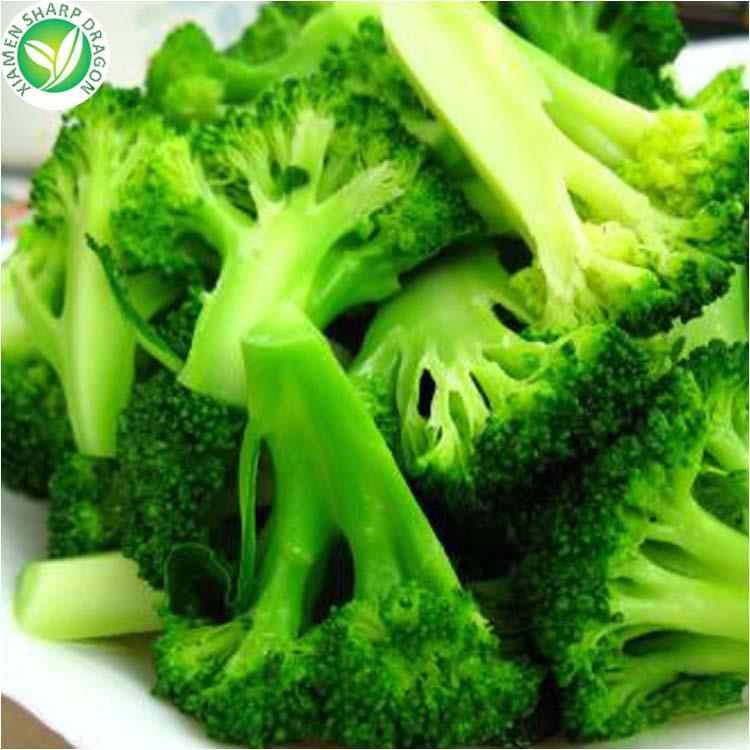
"Every day" describes a schedule, not an exposure. One person may add 40 g of cooked florets to lunch; another may eat a 350 g bowl covered with cheese sauce. Both habits occur daily, but the broccoli weight, energy, sodium, fat, total fiber load and space left for other foods are different. Any useful answer must name the edible portion and the complete dish.
USDA MyPlate uses cup-equivalents to help people count vegetables. Its vegetable guidance treats one cup of raw, cooked, frozen or canned vegetables as one cup-equivalent, and lists one cup of chopped broccoli or florets as an example. This is a measuring convention, not a broccoli prescription and not a safety threshold. Current vegetable targets vary with age, sex and activity, and the larger dietary pattern matters. A person can meet a vegetable quantity while still having a narrow diet if the same item displaces beans, leafy greens, orange vegetables and other foods week after week.
Worked example: An 80 g cooked serving eaten seven days provides 80 g × 7 = 560 g broccoli per week. A 200 g serving eaten on the same schedule provides 1,400 g per week, 2.5 times as much. The label "daily" hides that difference. Record the served weight for a week, not the amount placed in a pan before draining or the nominal weight on a mixed-meal pack.
This simple total also makes variety visible. If 80 g broccoli accompanies a meal, you can still rotate other vegetables across breakfast, lunch, dinner and snacks. If a very large broccoli portion replaces several other foods because it is treated as the single "healthiest" vegetable, the habit becomes less balanced even if broccoli itself is nutritious. Variety is not a claim that every meal needs a different vegetable; it is a practical way to avoid making one food carry every nutritional job.

What a 100 g Broccoli Reference Actually Tells You
Nutrition values are useful only when the food description matches. A USDA FoodData Central reference for frozen broccoli spears, cooked, boiled, drained and salted reports the following per 100 g. It is a database reference for a defined prepared food, not a certificate for every frozen broccoli SKU or finished recipe.
| Nutrient | Amount per 100 g | What the number can and cannot show |
|---|---|---|
| Energy | 28 kcal | Reference energy, not the energy of sauce or breading |
| Protein | 3.10 g | A contribution, not a complete protein plan |
| Carbohydrate | 5.35 g | Includes 3.0 g dietary fiber and 1.44 g total sugars |
| Vitamin C | 40.1 mg | Composition value, not proof of disease prevention |
| Vitamin K | 99.5 micrograms | Relevant to intake consistency with warfarin |
| Sodium | 260 mg | Reflects the salted preparation named in the entry |
These nutrients have established physiological roles. Vitamin C supports collagen formation and acts as an antioxidant; vitamin K participates in normal blood clotting; fiber contributes to bowel function and can affect satiety. Those functions do not prove that daily broccoli prevents cancer, "detoxes" the body or guarantees better immunity. Composition answers what the reference food contains. A health outcome requires evidence about real people, dose, duration, comparison diet and endpoint.
The exact form is especially important with sodium. The companion USDA entry for the same general form prepared without salt reports 24 mg sodium per 100 g, while the salted entry reports 260 mg. Our detailed frozen cooked broccoli nutrition reference keeps those food descriptions attached to the numbers. Use it to understand the database comparison, then use the actual label or specification for the product in front of you.
A further limitation is preparation loss and water change. Cooking can change edible weight and the measured concentration per 100 g. Water-soluble nutrients can move into cooking water, while a shorter method may retain more under a particular protocol. One study found no significant vitamin C loss with steaming but losses with boiling and stir-frying in its tested broccoli cultivar and conditions. That does not establish one universal retention percentage. Method, time, temperature, piece size and whether the cooking liquid is consumed all matter.
The Most Common Day-to-Day Problem Is Digestive Tolerance
For many people, the immediate downside of a large or suddenly increased broccoli portion is gas, fullness or bloating rather than toxicity. The U.S. National Institute of Diabetes and Digestive and Kidney Diseases identifies cruciferous vegetables, including broccoli, among foods that can lead to more gas in some people. It also notes that too much fiber can contribute. This response varies, so another person's comfortable portion is not a reliable limit for you.
Look for a repeatable pattern. Record the broccoli weight, raw or cooked state, other foods in the meal, eating speed, symptoms and timing for several exposures. A symptom diary can separate broccoli from a high-fat sauce, a large bean portion or a general increase in fiber. If symptoms appear after a 200 g serving but not after 80 g, the result suggests a portion problem. It does not prove an allergy or permanent intolerance.
Practical example: Keep the recipe constant and try the smaller previously tolerated cooked portion rather than changing five variables at once. If 80 g is comfortable on three occasions and 160 g repeatedly causes bloating, use 80 g as the working portion while you discuss persistent symptoms with a clinician when needed. A person with irritable bowel syndrome or another diagnosed digestive condition may need an individualized plan; self-imposed elimination of every cruciferous vegetable can unnecessarily narrow the diet.
Cooking can soften texture and may improve tolerance for some people, but it is not a guaranteed cure for symptoms. Sauces, garlic, onion, dairy and large amounts of fat can also affect a meal's tolerance. The practical comparison is therefore plain cooked broccoli against the exact finished dish, not "broccoli" against "no broccoli." Seek medical advice for severe or persistent pain, recurrent vomiting, unexplained weight loss, blood in stool or another concerning symptom rather than repeatedly adjusting portions on your own.
Who Needs a Different Decision Rule?
Warfarin treatment: consistency matters more than avoidance
Broccoli provides vitamin K, which is directly relevant to warfarin. The NIH Office of Dietary Supplements advises people taking warfarin to keep the amount of vitamin K from food and supplements about the same from day to day. A sudden large increase or decrease can alter the medicine's effect and contribute to dangerous bleeding or clotting. The safe response is not to ban broccoli automatically. Keep the portion pattern consistent and coordinate planned changes with the clinician managing the medicine and INR monitoring.
A measured serving is valuable here. "A little broccoli" is not a reproducible intake record. If a meal plan uses 80 g of the same plain prepared form each day, document that pattern. Do not double the portion, begin a concentrated greens product or remove broccoli abruptly because of a generic online warning. Medical management depends on the whole vitamin K intake and the individual treatment response.
Thyroid concerns: separate a mechanism from a demonstrated human outcome
Cruciferous vegetables contain compounds that can be discussed as goitrogens because some breakdown products may affect iodine use under particular experimental conditions. That mechanism has often been stretched into the claim that ordinary broccoli intake "damages the thyroid." Human evidence is much more limited. A nested analysis of 45 women in a randomized trial found no significant adverse change in thyroid-stimulating hormone, free thyroxine, thyroglobulin or thyroid autoimmunity after 12 weeks of a daily broccoli sprout beverage containing 40 micromoles of sulforaphane and 600 micromoles of glucoraphanin.
That result is reassuring within its boundaries, but it is not proof that unlimited broccoli is safe for every thyroid condition. It tested a particular beverage, dose, duration and small subgroup, mostly in people without the combination of circumstances that might create greater concern. If you have diagnosed thyroid disease, iodine deficiency, pregnancy-related thyroid management or a prescribed diet, ask the treating clinician how much cruciferous vegetable fits your plan. Ordinary food intake and concentrated supplements should not be treated as equivalent exposures.
Allergy and prescribed restrictions
Broccoli is not one of the major allergens highlighted in U.S. labeling law, but a person can still react to an individual food or to another ingredient in a prepared product. Hives, lip or tongue swelling, wheezing, trouble breathing, faintness or other signs of a serious allergic reaction require immediate action under the person's emergency plan and urgent medical care. Do not use a smaller trial portion to test a suspected severe allergy. Kidney disease, gastrointestinal surgery and other clinical conditions can also change fiber, potassium or texture requirements; the prescribed plan takes priority over a general daily-food guideline.
Use individual advice when the decision is medical: Keep vitamin K intake steady during warfarin treatment, follow the plan for a diagnosed thyroid or digestive condition, and treat possible severe allergy symptoms as urgent. A general nutrition page cannot adjust medicine, diagnose a condition or replace your clinician.

Plain, Salted, Sauced and Breaded Broccoli Are Different Foods
A health judgment about plain florets does not transfer automatically to broccoli with cheese sauce, butter, salt, a sweet glaze or breading. The FDA advises people who want to reduce sodium to consider frozen vegetables without added sauces and seasonings and to use the Nutrition Facts label. The same logic applies to total energy, saturated fat and allergens: read the complete ingredient statement and serving basis rather than assuming that the word "broccoli" controls the finished profile.
Worked example: Using the two USDA reference entries only as an illustration, 100 g of salted cooked frozen broccoli at 260 mg sodium eaten daily contributes 260 mg × 7 = 1,820 mg sodium per week. The corresponding unsalted prepared reference at 24 mg per 100 g contributes 24 mg × 7 = 168 mg. The difference is 1,652 mg per week. This does not predict every brand; it shows why the seasoning status is part of the food identity.
Serving labels can create another mismatch. A 100 g database basis is convenient for comparison, but the package may define a different serving and the plate may contain more or less. If a 400 g sauced pack states four 100 g servings and two people split it, each receives 200 g of the finished product. Multiply all per-serving values by two before evaluating that meal. Do not apply a plain-broccoli number to a finished sauce whose water, cheese, oil, salt and other ingredients determine the label.
Frozen does not mean nutritionally inferior by definition. Harvest maturity, time before processing, blanching, freezing, storage, cooking and recipe all affect the comparison. Our guide to nutrition in frozen vegetables explains why the correct comparison is exact product against exact product. For a daily habit, plain frozen florets can make a measured portion easier and reduce spoilage, while a seasoned ready meal requires evaluation of the full formulation.

Frozen Broccoli Requires an Intended-Use Decision
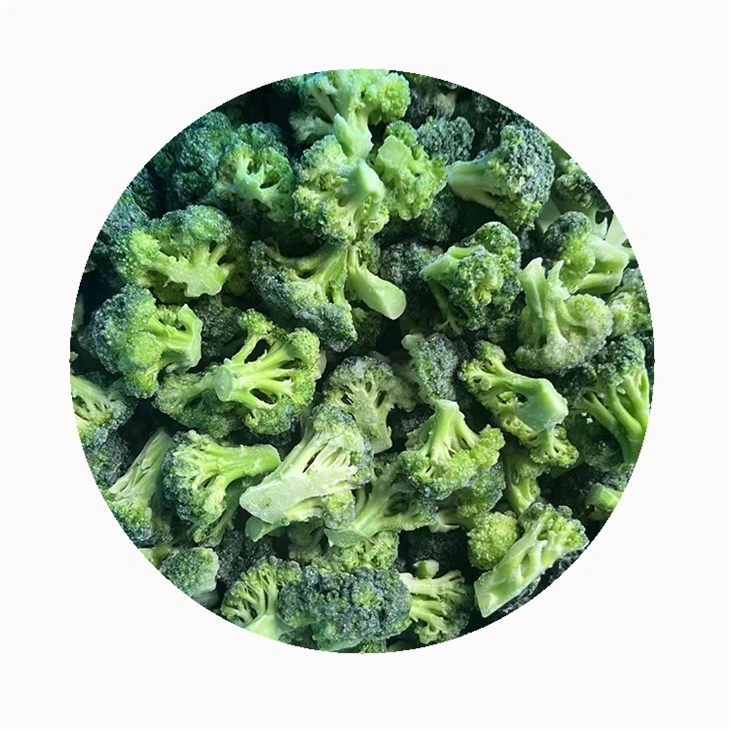
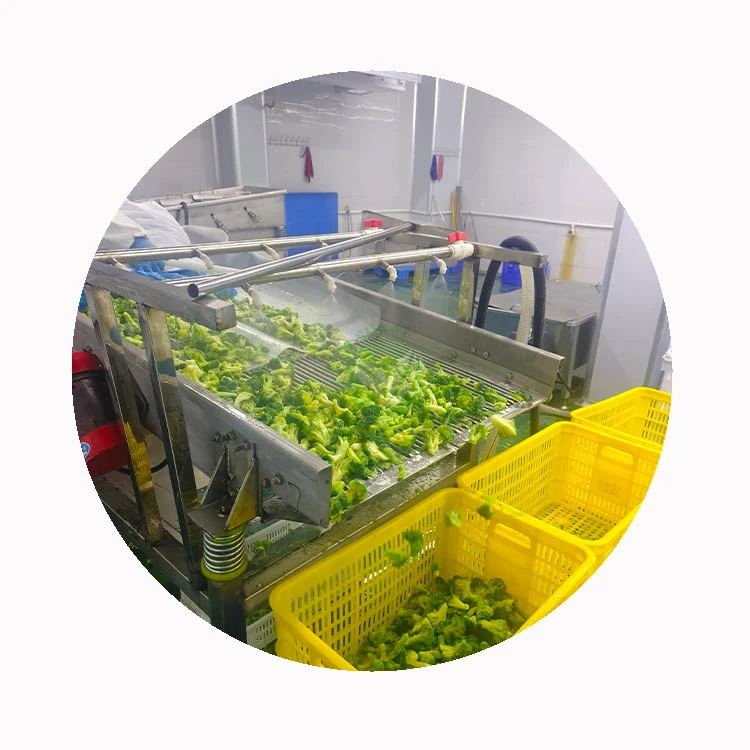
Commercial frozen broccoli is commonly trimmed, washed, cut, blanched, individually quick frozen and packed. Blanching is a controlled process step; it does not automatically make every product ready to eat. FDA Food Code material notes that frozen vegetables are often not-ready-to-eat foods carrying cooking instructions and that treating a product as ready to eat without validated controls can create a food-safety problem. Follow the package directions and the producer's intended-use statement. Do not taste an uncooked product on the assumption that freezing sterilized it.
Cooking directions are product-specific. Piece size, initial temperature, appliance load, water or steam contact and final application affect heating, texture and nutrient retention. A universal number copied from another bag is not a substitute for the validated directions on the purchased product. In a food business, the hazard analysis and final process must cover how the ingredient is received, stored, opened, cooked or incorporated, cooled if applicable and protected from recontamination.
The visible frozen condition helps with quality screening but cannot prove safety by itself. Free-flowing pieces, normal color and an intact liner support usability. Heavy surface ice, severe clumping, dehydration, torn packaging or abnormal odor justify investigation of handling and cold-chain history. A normal-looking floret can still require cooking, and a quality defect does not by itself identify a pathogen. Keep sensory, temperature, microbiological and intended-use evidence in their proper roles.
Floret size also changes real-world use. The current XMSD frozen broccoli range presents common cut-size options such as 2–4 cm, 3–5 cm and 4–6 cm for review. Those examples are not an automatic order specification. A soup, side dish, meal tray and puree line may need different size distribution, stem ratio, appearance and cook performance. Confirm the project values and sample them in the actual application.
How to Judge a Daily Broccoli Habit Without Guessing
Begin with identity. Write down whether the food is raw, plain cooked, frozen and unsauced, salted, sauced, breaded or part of a mixed dish. Record the edible served weight, not a vague scoop. If the product has a label, compare your actual amount with its serving. This resolves many false disagreements because two people saying "I eat broccoli daily" may be consuming entirely different products and quantities.
Next review the week rather than one plate. Multiply served grams by frequency, note other vegetables and look at the whole recipe. A steady moderate portion with several other vegetable types is different from a large single-food plan. There is no need to interrupt a well-tolerated pattern merely to make every day unique, but there is also no evidence-based reason to force broccoli into seven meals if another vegetable makes the overall diet more varied and enjoyable.
Then use the relevant exception, not every exception. Digestive symptoms call for a portion and recipe check. Warfarin calls for consistency and clinical coordination. A diagnosed thyroid condition calls for individualized advice, not panic over normal food. A suspected severe allergy calls for avoidance and medical action, not a home challenge. Frozen not-ready-to-eat broccoli calls for cooking according to its instructions. Combining all cautions into a generic claim that broccoli is dangerous would be as inaccurate as claiming it is harmless in any amount.
Finally, assess whether the habit is sustainable. Food waste, preparation time, cost, flavor fatigue and repeated digestive discomfort are real reasons a routine fails. Frozen florets can improve portion control because you can cook the needed amount and return the rest to frozen storage promptly. That convenience is useful only when the pack reseals or the inner bag is managed correctly, the cold chain is maintained and the portion still tastes acceptable after the chosen cooking method.
For Foodservice, Retail and Private-Label Programs
If you plan a menu or product, translate "daily" into a repeatable portion and recipe. For a cafeteria side, define the cooked drained grams delivered to the plate, acceptable size distribution, stem ratio, texture after holding and sauce pickup. For a frozen meal, define broccoli weight in the finished serving and assess it after the full heat cycle. Consumer acceptance belongs beside nutrition: a nominal 100 g target that regularly leaves the plate as waste is not the same as 100 g consumed.
Worked example: A hypothetical five-day foodservice program needs 5,000 portions per day at 80 g cooked and drained. Required served broccoli is 5,000 × 5 × 80 g = 2,000,000 g, or 2,000 kg. If a pilot shows 92% usable cook-and-drain yield, incoming quantity is 2,000 kg ÷ 0.92 = 2,173.9 kg. At 88% yield, it is 2,000 kg ÷ 0.88 = 2,272.7 kg, or 98.8 kg more. Verify both yields with the agreed preparation before pricing; the example is not a supplier guarantee.
If you sell a retail or private-label product, make the whole food support the message. Define whether it is plain or seasoned, the net weight and serving basis, nutrition source, allergen controls for added ingredients, language and cooking directions, intended use and destination-market requirements. A health-oriented front panel cannot rest on broccoli's reputation while the back panel contains a materially different sauce profile. Our private-label and OEM workflow is the place to align pack and label inputs after the food specification is clear.
Pack size should follow use rate. A restaurant that opens a bag repeatedly over a slow service period has different handling needs from a high-volume line emptying a full case into one batch. Review inner-liner integrity, carton condition, opening pattern, resealing practice and freezer space. The XMSD guide to frozen-food packaging gives a starting framework, while final material, unit weight and marks remain project decisions.
Keep incoming acceptance separate from general nutrition education. Record lot identity, production date, size distribution, stem and floret balance, defects, color, odor, free-flowing condition, package integrity and temperature evidence. Add the documents and tests required for the destination and risk plan. A nutrition database cannot approve a lot, and a visually attractive lot cannot validate a nutrient declaration. Use a controlled specification, representative sample and application trial to connect the two decisions.

A Clear Decision for the Person and the Product
For most people, a normal portion of broccoli every day is not bad. The most defensible routine is plain or lightly prepared, measured rather than guessed, comfortable to digest and part of a varied diet. The decision changes when symptoms repeat, warfarin requires a stable vitamin K pattern, a diagnosed condition creates a prescribed limit or the product's sauce, seasoning, breading or handling instructions change what is actually being consumed.
For a commercial program, convert the same logic into records: exact food identity, served grams, weekly volume, cooked yield, recipe and label, intended use, cooking method, packaging and lot acceptance. That turns a broad health question into decisions that can be checked. It also prevents two common errors-calling all broccoli products nutritionally identical and treating a food-composition value as proof of a finished-product outcome.
XMSD sourcing note: Send us your intended application, floret size, stem preference, cooked portion, yield test, pack format, destination and label requirements. We can review a frozen broccoli sample and specification around the actual product use.
References
- USDA Food and Nutrition Administration: Dietary Guidelines for Americans, 2025–2030
- USDA MyPlate: Vegetables and cup-equivalent guidance
- USDA FoodData Central: frozen broccoli food-composition records
- USDA National Nutrient Database SR28: Vegetables and Vegetable Products
- NIH Office of Dietary Supplements: Vitamin K Fact Sheet for Consumers
- NIDDK: Eating, Diet and Nutrition for Gas in the Digestive Tract
- Shapiro et al.: Broccoli sprout beverage and thyroid function in a 12-week randomized trial subgroup
- Systematic review of brassica vegetables and thyroid function
- U.S. FDA: Sodium in Your Diet
- U.S. FDA: Food Code 2022
- U.S. FDA: Food Allergies
- Yuan et al.: Effects of cooking methods on broccoli nutrients and health-promoting compounds
- XMSD operational experience in frozen broccoli specification, IQF handling, packaging and application review.