


Is Broccoli Anti-Inflammatory? Evidence and Product Guide
Jul 31, 2019

Broccoli can be part of a plant-rich dietary pattern associated with more favorable inflammatory markers, but an ordinary serving has not been proven to treat inflammation or an inflammatory disease. Broccoli contains vitamin C, fiber, and glucosinolates. Those composition facts support a plausible biological role; they do not by themselves establish a measurable clinical effect in a person.
Human studies also need careful separation. Trials have used broccoli sprouts, glucoraphanin-rich preparations, or concentrated sulforaphane rather than standard cooked florets. Some report changes in selected biomarkers, while other controlled trials report no improvement in inflammatory markers or clinical outcomes. A biomarker change is not the same as relief of arthritis, asthma, bowel disease, or another diagnosed condition.
For a frozen broccoli product, the useful conclusion is practical: keep the food identity, serving basis, processing history, cooking method, complete recipe, population, and measured outcome attached to every statement. Plain IQF florets, broccoli sprouts, an extract capsule, and broccoli in cheese sauce are four different exposures. None should borrow the evidence of another.
The short answer: It is reasonable to describe broccoli as a vegetable that can contribute to an overall plant-rich eating pattern. It is not responsible to promise that broccoli lowers inflammation, blood pressure, blood lipids, or cholesterol in every person. Judge the evidence from composition to mechanism to human biomarkers to clinical endpoints.

Start with the Evidence Ladder
"Anti-inflammatory" can refer to very different observations. A laboratory experiment may show that a compound changes a signaling pathway in cultured cells. An animal study may show a change in tissue or disease score. A human feeding trial may measure C-reactive protein, interleukins, airway nitric oxide, symptoms, medicine use, or another outcome. These findings are not interchangeable.
Inflammation itself is not one substance that a vegetable switches off. Acute inflammation is part of normal defense and repair. Chronic low-grade inflammation involves multiple tissues, signals, causes, and health contexts. A useful claim must therefore name what changed, in whom, after which product and amount, over what period, and compared with what control.
| Evidence level | What it can establish | What it cannot establish alone |
|---|---|---|
| Food composition | A defined food contains measured nutrients or glucosinolates | That eating it reduces symptoms or disease |
| Cell or animal mechanism | A pathway is biologically plausible under test conditions | The same dose, exposure, or result occurs in people |
| Human biomarker trial | A defined intervention changed a measured marker | All inflammatory pathways or patient outcomes improved |
| Clinical endpoint and guidance | A patient-relevant outcome may support a bounded recommendation | A different food form, population, dose, or condition has the same result |
The word "antioxidant" also does not automatically mean "anti-inflammatory." Oxidative stress and inflammatory signaling can interact, but they are not identical endpoints. NIH describes vitamin C as a physiological antioxidant with roles in collagen synthesis, immune function, and nonheme iron absorption. That establishes normal nutrient functions, not a promise that broccoli will treat chronic inflammation.
For practical evaluation, begin at the highest level the evidence truly reaches. If you only have a food-composition result, make a composition statement. If a small trial changes one biomarker, name that marker and study context. Reserve disease, symptom, or treatment wording for evidence and regulatory authorization that directly support that exact endpoint.

What Broccoli Is Known to Contain
USDA SNAP-Ed lists one cup of chopped raw broccoli as 91 g, with 31 kcal, 6 g carbohydrate, 2 g dietary fiber, 3 g protein, and 90 mg vitamin C. This is a useful food-composition reference because the edible amount and raw state are stated. It is not the correct table for every frozen, cooked, drained, salted, or sauced product.
For a closer frozen comparison, the XMSD 100 g frozen cooked broccoli nutrition guide keeps the USDA food description beside each number. Its main lesson is methodological: frozen, cooked, boiled, drained, and salted are not decorative words. They define the sample.
Broccoli also belongs to the Brassicaceae family and contains glucosinolates. The USDA and NIH Office of Dietary Supplements glucosinolate database explains that these sulfur-rich plant metabolites occur in different profiles and concentrations and that myrosinase hydrolyzes them when tissue is disrupted by chewing, chopping, or processing. Glucoraphanin can be converted into sulforaphane under suitable conditions.
That reaction is biologically interesting, but naming sulforaphane does not establish a clinical dose. Broccoli heads and broccoli sprouts do not contain identical amounts. Cultivar, maturity, tissue, processing, heat, storage, preparation, gut microbial activity, and analytical method can change exposure. A supplement labeled with micromoles of sulforaphane is not interchangeable with a weighed serving of frozen florets.
Fiber adds another reasonable dietary-pattern connection. Fiber-containing vegetables can contribute to a varied plant-rich diet, but one serving does not reveal the full diet, microbial response, energy balance, smoking, sleep, activity, medicine, or underlying disease. Composition tells you what the food contributes; it cannot isolate broccoli as the cause of a complex inflammatory outcome.
Practical example: A ready meal contains 120 g of broccoli after cooking and draining. The development file only has USDA data for 91 g raw broccoli. Multiplying the raw numbers by 120 ÷ 91 would produce neat arithmetic on the wrong basis. We would first identify a matched cooked reference or test the finished SKU, then use only claims supported for the product as sold or prepared. The result is defensible composition copy, not an anti-inflammatory treatment claim.
Human Studies Do Not Give One Simple Verdict
A 2018 controlled study followed 40 healthy adults with overweight who consumed 30 g of broccoli sprouts daily for 10 weeks, followed by 10 weeks without the sprouts. The researchers reported decreases in interleukin-6 and C-reactive protein and called the findings promising. The study is relevant to biomarkers in that population, but it did not test ordinary frozen florets, did not establish treatment of a diagnosed inflammatory disease, and explicitly called for further research.
Other human trials show why the conclusion must stay narrow. In a randomized controlled trial, 40 adults with asthma ate 100 g of broccoli sprouts or alfalfa sprouts daily for three days. Broccoli sprouts raised serum sulforaphane exposure but did not improve the primary airway-inflammation outcome, other inflammatory or oxidative-stress markers, lung function, or symptoms.
A multicenter randomized trial in 89 people with chronic obstructive pulmonary disease tested oral sulforaphane at 25 or 150 micromoles per day for four weeks. It found no consistent activation of the specified Nrf2 target genes and no difference in inflammation measures or pulmonary function. Again, that result concerns a defined intervention and disease population; it does not mean broccoli has no nutritional value.
A 2023 double-blind crossover trial adds another caution. Twelve healthy participants received 16 g of broccoli sprouts or pea sprouts before a standardized high-calorie challenge. Most individual inflammatory biomarkers did not improve; the authors reported a mild pro-inflammatory response that they interpreted as possibly hormetic. A small acute experiment cannot settle long-term effects, but it directly contradicts the idea that every broccoli exposure must push every marker downward.
Evidence-interpretation example: Suppose a product brief cites only the 30 g-per-day sprout study and says "frozen broccoli reduces inflammation." The food form changes from sprouts to blanched florets, the population becomes everyone, the outcome expands from selected biomarkers to general inflammation, and the qualification disappears. The correct action is to remove the clinical promise, describe the actual broccoli form, and keep the study as research context rather than product proof.
Pattern-level research is more supportive but answers a broader question. A systematic review covering 83 human studies reported favorable changes or associations for some inflammatory biomarkers across varied fruit-and-vegetable interventions and populations. A 2025 meta-analysis of 33 randomized Mediterranean-diet trials reported reductions in high-sensitivity CRP, IL-6, and IL-17, but not all markers. These results support an overall dietary-pattern approach. They do not identify broccoli as the sole active ingredient.

Frozen Broccoli, Blanching, and Cooking Change the Exposure
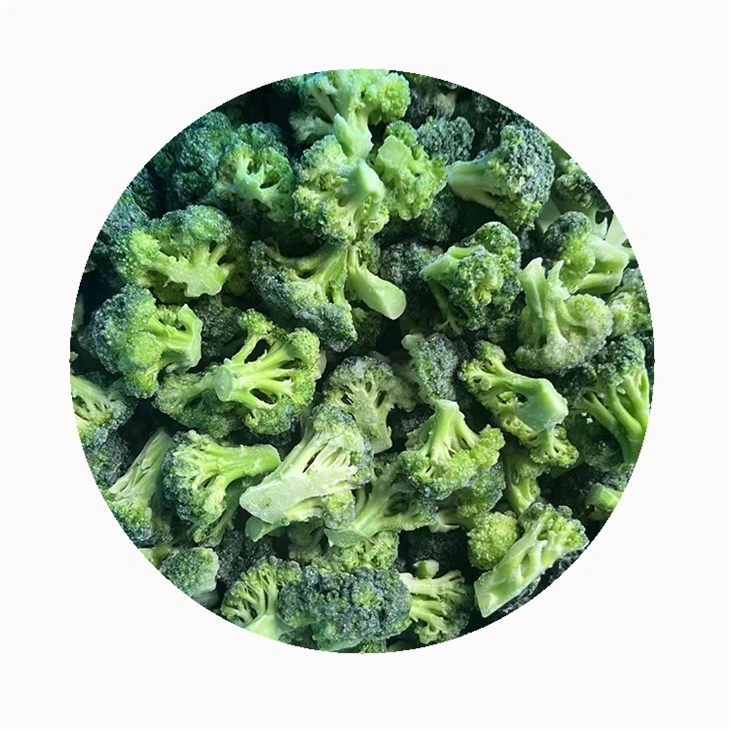
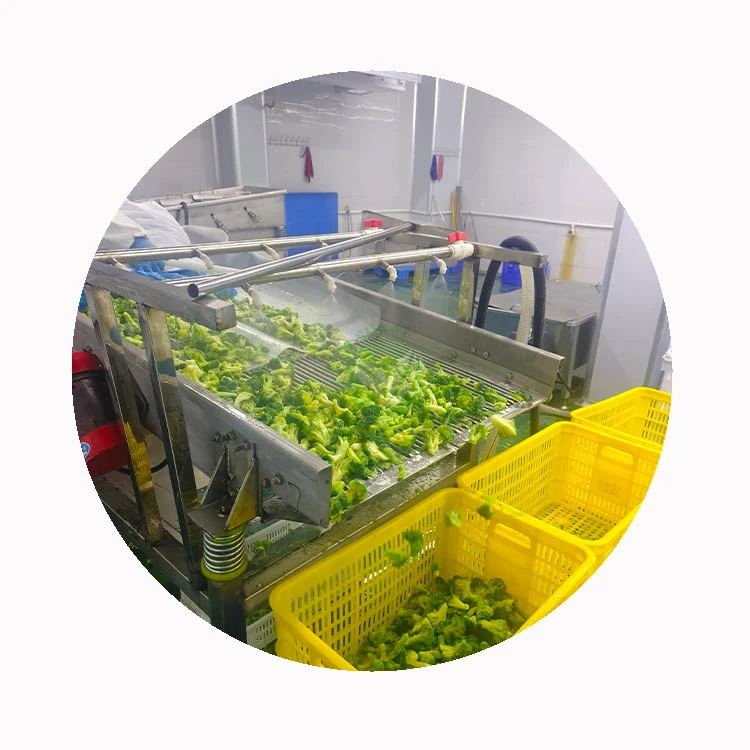
Frozen broccoli is normally evaluated as a processed vegetable ingredient, not as a raw sprout or purified compound. The exact process may include cutting, washing, blanching, rapid freezing, frozen storage, and final cooking. Each stage can alter water, texture, vitamin C, glucosinolate concentration, enzyme activity, and the amount ultimately eaten. No single fresh-versus-frozen slogan captures all of those changes.
Myrosinase is especially relevant to sulforaphane formation because heat can reduce plant-enzyme activity. A glucosinolate measurement does not by itself reveal how much sulforaphane will form, and the delivered exposure can differ from raw broccoli or sprouts. We therefore avoid saying that freezing either preserves all anti-inflammatory compounds or destroys all benefit.
The separate XMSD guide to freezing and broccoli nutrient retention shows how to compare process steps on a matched basis. For an anti-inflammatory discussion, its most useful rule is to keep the analyte and process state together. Vitamin C retention, total glucosinolate concentration, myrosinase activity, and sulforaphane formation are four different measurements.
Final cooking also changes the meal. Boiling may transfer water-soluble compounds into cooking water that is later discarded. Steaming, microwaving, roasting, and stir-frying create different time, temperature, water-contact, oil, browning, and texture conditions. The frozen broccoli cooking-method guide compares methods by application and texture rather than promising one universal health outcome.
Preparation determines what is actually consumed. Plain steamed broccoli, a cream soup, a cheese-topped side, a fried coated bite, and a mixed ready meal have different ingredients, portions, energy density, sodium, allergens, and sensory acceptance. If broccoli is left on the plate because it is watery or tough, the formulated amount overstates actual intake. Recipe approval should therefore include cooked yield and plate or pack acceptance, not just an ingredient declaration.

Use Broccoli as Food, Not as a Treatment
The proportionate everyday use is straightforward: include broccoli among varied vegetables, choose a portion that fits the complete meal, and prepare it in a form you will actually eat. Variety matters because no single vegetable supplies every nutrient or phytochemical, and the strongest pattern evidence concerns combinations of foods over time.
Do not use broccoli to replace medical assessment or prescribed treatment for persistent swelling, pain, fever, bowel symptoms, asthma, autoimmune disease, or another inflammatory condition. A clinician may use symptoms, examination, imaging, blood tests, and other evidence to identify a cause. A food label cannot perform that diagnosis.
The same boundary applies to cardiovascular wording. Blood pressure, triglycerides, LDL cholesterol, total cholesterol, inflammatory biomarkers, and cardiovascular events are separate outcomes. A proposed sulforaphane mechanism or a fiber value does not prove that a broccoli serving lowers all of them. Any statement about one endpoint needs direct evidence for the stated food form, dose, population, duration, and comparison.
Digestive claims also need restraint. Fiber contributes to normal dietary intake, but broccoli can cause gas or bloating for some people, particularly when the portion rises quickly or a digestive condition changes tolerance. "Contains fiber" is a composition statement. "Promotes digestion" is too vague to reveal the outcome, population, amount, or exception.
If you are comparing meals, change one decision at a time. Keep the broccoli portion and preparation visible, then record the complete meal and relevant symptoms or laboratory results under qualified supervision. Do not interpret a single comfortable meal as proof of reduced inflammation, or a single episode of discomfort as proof that broccoli is inflammatory.
B2B Frozen Broccoli: Control the Product Before the Claim
For a foodservice, retail, or prepared-meal program, the immediate questions are measurable. Define broccoli form, floret or cut range, crown-to-stem expectation, blanching status, ingredient statement, broken material, surface ice, color, pack size, storage, cooking method, drain method, served portion, and finished recipe. The current XMSD frozen broccoli category shows available product directions without turning them into a health promise.
Size and stem ratio affect heating and acceptance. Small crowns may soften before larger pieces are hot through; long stems may increase usable mass for a soup but miss a retail floret appearance target. Test a representative sample in the actual equipment and batch size. Record starting state, time, temperature, water or oil contact, drain interval, cooked mass, broken pieces, color, firmness, flavor, and portion acceptance.
Treat nutrition and bioactive evidence as a separate file from physical quality. A green color does not quantify vitamin C. Low broken material does not establish glucosinolate content. A stable cold chain can protect frozen quality, but it does not certify an anti-inflammatory effect. If a proposed claim depends on a nutrient or compound, use a representative sampling plan, suitable analytical method, serving basis, finished-product calculation, and destination-market review.
Worked example: A hypothetical meal program needs 5,000 portions containing 80 g of cooked, drained broccoli, or 400 kg served product. Trial A yields 86% from frozen input, so required issue quantity is 400 ÷ 0.86 = 465.1 kg. Trial B yields 81%, so it requires 400 ÷ 0.81 = 493.8 kg. The 28.7 kg difference affects purchasing and portion consistency. Choose from repeated cook-and-drain trials and sensory acceptance, not from an "anti-inflammatory" label.
For a factory recipe, connect the approved broccoli specification to the batch sheet and change-control record. A new cut range, origin, blanch condition, storage history, supplier lot, or cooking step can change yield and texture. XMSD's food-processing application overview provides a useful route for discussing how a frozen vegetable must perform in a real line.
Write Claims at the Level the Evidence Supports
A defensible statement begins with product identity. "Broccoli is a cruciferous vegetable that contains glucosinolates" is supported by USDA composition work. "One cup of chopped raw broccoli in the USDA reference provides 90 mg vitamin C" keeps the amount and form attached. A commercial label still needs evidence and calculations that represent the actual SKU and applicable market rules.
Mechanism language requires another boundary. It is acceptable in technical education to explain that myrosinase can hydrolyze glucosinolates and that sulforaphane is studied in inflammatory pathways. It is not acceptable to jump from that pathway to "reduces joint inflammation," "protects the heart," or "treats asthma." Human results vary, and the tested products are often sprouts or measured preparations.
Biomarker wording must state the specific study. A sentence may report that a defined intervention changed IL-6 or CRP in a named population over a named period. It must not imply that the same effect occurs in every person or that a marker change guarantees symptom relief or lower disease risk. Include null and conflicting evidence when it materially changes the conclusion.
For consumer and trade copy, the safest core language is food-led: plain broccoli can contribute vegetables, fiber, vitamin C, and dietary variety when the composition basis supports those statements. Keep "anti-inflammatory treatment," "lowers blood pressure," "reduces blood lipids," "lowers cholesterol," and "promotes digestion" out of the product promise unless the exact claim has adequate evidence and lawful authorization for the destination.
Finally, preserve the approved evidence with the specification. Record the cited source, food description, analytical method, lot basis, serving, preparation instructions, claim wording, artwork version, market review, and approval date. If the product or recipe changes, reopen the claim rather than assuming the old conclusion follows the new SKU.

XMSD sourcing note: Share the broccoli cut, stem ratio, blanching status, ingredient statement, cooked application, serving basis, packing, and destination. We can review the frozen product specification and trial plan while keeping nutrition and health language within the available evidence.
Final Answer
Broccoli is best described as a nutritious cruciferous vegetable that can fit a plant-rich dietary pattern. Its vitamin C, fiber, glucosinolates, and proposed mechanisms make it relevant to inflammation research, but those facts do not prove that a normal serving treats inflammation.
Human evidence is mixed and highly specific to product, dose, population, duration, and outcome. Sprout or sulforaphane trials cannot be copied onto frozen florets, and biomarker results cannot be converted into guaranteed clinical benefits. For everyday use, choose a varied diet and a broccoli preparation you will eat. For B2B use, control the specification, cooking yield, finished recipe, serving basis, substantiation file, and market-approved wording.
References
- USDA Food and Nutrition Service SNAP-Ed: Broccoli
- USDA ARS and NIH ODS: Glucosinolate Content of Foods Database
- NIH Office of Dietary Supplements: Vitamin C Fact Sheet for Health Professionals
- Effects of Long-Term Consumption of Broccoli Sprouts on Inflammatory Markers in Overweight Subjects
- Randomized Trial of Broccoli Sprouts and Airway Inflammation in Adults with Asthma
- Randomized Trial of Oral Sulforaphane in COPD
- Sulforaphane as a Potential Modifier of Calorie-Induced Inflammation
- Fruit and Vegetable Consumption, Inflammatory Biomarkers, and Immune Cells: Systematic Review and Meta-Analysis
- Mediterranean Diet and Inflammation: Systematic Review and Meta-Analysis of Randomized Trials