


Is Apricot Good for Your Stomach? Tolerance by Form
Aug 20, 2019

For most people, ripe apricot flesh can be a normal, well-tolerated fruit, but it is not a treatment for the stomach. One fresh apricot is a small serving: USDA SNAP-Ed lists 35 g, 17 calories, 4 g carbohydrate and 1 g dietary fiber. That composition helps explain why a modest portion can fit an ordinary diet. It does not prove that apricot heals gastritis, relieves reflux or improves every digestive symptom.
The answer changes with your tolerance and the form you eat. Fresh flesh, plain frozen halves, dried fruit, puree, juice, canned fruit and jam are not interchangeable servings. Removing water concentrates a dried portion into less volume; blending makes it easy to consume more quickly; syrup and other ingredients change the finished food. People with irritable bowel syndrome may also react to FODMAP-containing fruits, and the U.S. National Institute of Diabetes and Digestive and Kidney Diseases specifically includes apricots in that group.
A useful decision therefore starts with four facts: which apricot product you have, how much edible fruit you will consume, what else is in the serving and whether you have a known condition or repeatable symptom pattern. Start modestly when the food or form is unfamiliar, record the amount and response, and seek medical advice for persistent, severe or allergic symptoms. Keep the stone and the kernel out of the edible-fruit serving.
The short answer: A small serving of ripe apricot flesh is usually reasonable if you tolerate it. Judge fresh, frozen, dried and sweetened products separately. Apricot can contribute fruit and fiber, but it should not be presented as a cure for stomach symptoms.

Define "Good for Your Stomach" Before Judging Apricot
"Good for the stomach" can mean several different things. It may mean that a food causes no discomfort, that it contributes fiber to a normal diet, that it is comfortable during a temporary illness, or that it treats a diagnosed digestive disorder. Those are not equivalent claims. Normal tolerance can be observed in daily eating. A treatment claim needs direct clinical evidence for the stated food, dose, population and outcome.
Apricot composition supports a narrow dietary statement. USDA SNAP-Ed lists one 35 g raw apricot with 1 g dietary fiber. Fruit fiber is part of the day's total intake, but one rounded database value should not be turned into a guaranteed bowel effect. Cultivar, maturity, edible portion, analytical method and serving all introduce variation. The rest of your diet, fluid intake, medication, medical history and recent changes in fiber matter more than the name of one fruit.
Tolerance is also symptom-specific. Upper-abdominal burning, early fullness, nausea, reflux, bloating, gas, cramping, diarrhea and constipation are different experiences and can have different causes. If apricot feels comfortable in a modest portion, that is useful personal information. It does not establish that more will be better, and it does not identify the cause of an ongoing symptom.
Avoid blaming the fruit's "acid" without evidence. Some people associate tart foods with discomfort, but NIDDK's GERD guidance emphasizes individual trigger foods; it does not identify apricot as a universal trigger. A ripe apricot eaten with a meal may be experienced differently from a large sweetened puree or a concentrated dried-fruit snack. Record the real form, portion, timing and accompanying foods before drawing a conclusion.
Practical example: separate tolerance from treatment. You eat one ripe apricot with lunch on three separate days and notice no discomfort. The defensible conclusion is that this serving appears to suit you in that setting. It would not support increasing the amount to treat constipation, recommending apricot for gastritis or promising the same response to another person.

Fresh, Frozen, Dried and Prepared Apricot Are Different Servings
Product form is often the missing variable in a digestive question. Plain frozen apricot is still fruit, and IQF freezing keeps pieces separate and easier to portion. Freezing does not make the fruit a digestive medicine, nor does it make every frozen product identical to raw fruit. Texture softens after thawing, surface drip may appear, and a sweetened preparation has a different ingredient list.
Dried apricot contains much less water than fresh fruit, so the same visual volume can represent more fruit solids. A handful can be eaten faster than the number of fresh fruits from which it came. That does not make dried apricot inherently "bad for the stomach." It means you should compare edible weight, number of pieces and ingredients instead of assuming that a bowl of dried halves equals a bowl of fresh halves.
Puree and juice reduce the physical work of chewing and can be consumed rapidly. Puree may retain pulp, while clarified juice can have a different fiber profile. A smoothie, yogurt or bakery filling also includes other ingredients that can be responsible for sweetness, fat, dairy, polyols or portion size. If you react to a finished recipe, the correct unit of investigation is the whole recipe, not apricot in isolation.
| Form | What changes the decision | Practical check |
|---|---|---|
| Ripe fresh flesh | Fruit size, ripeness, skin and number eaten | Count pieces and note edible weight |
| Plain frozen pieces | Cut, thawing, drip and measured portion | Define frozen or drained weight |
| Dried fruit | Water removal, piece size and added ingredients | Weigh the portion; do not judge by handful |
| Canned or cup fruit | Packing medium, net weight and drained weight | Read the ingredient list and serving basis |
| Puree, juice or filling | Fruit percentage, concentration and complete formula | Calculate apricot per finished serving |
A simple home test uses one change at a time. Keep the meal and time reasonably similar, choose a measured serving, and avoid testing several unfamiliar ingredients together. A symptom diary should record amount, form, time, accompanying foods and response. It cannot diagnose a disorder, but it gives a clinician or dietitian better information than "apricots upset me."
For commercial use, specify what "plain" means. Ask whether the fruit has added sugar, syrup, acidulant, preservative or other ingredient. Define cut size and whether a portion is weighed frozen, thawed or drained. You can review available frozen apricot forms, but the selected SKU and finished recipe still need their own portion and ingredient assessment.

IBS and FODMAP Sensitivity Need an Individual Plan
A broad statement that apricot "helps digestion" is particularly unhelpful for someone with irritable bowel syndrome. NIDDK explains that different dietary changes help different people with IBS and lists apricots among fruits containing FODMAPs-carbohydrates that can be difficult for some people to digest. It also calls out canned fruit in natural juice and large amounts of fruit juice or dried fruit.
That listing is not a verdict that everyone with IBS must avoid apricot forever. NIDDK describes a clinician-guided low-FODMAP trial over a few weeks, followed by slow reintroduction when symptoms improve. People may tolerate some FODMAP-containing foods without IBS symptoms. The useful question is not simply yes or no; it is which form and tested portion fit your individual threshold within a nutritionally adequate plan.
Fiber advice also needs restraint. NIDDK says fiber may help constipation in IBS but that too much at once can cause gas and trigger symptoms. Its general advice is to add fiber slowly, by 2 to 3 g per day. That number describes a gradual increase in total dietary fiber, not a prescription to obtain the increase from apricots or a reason to eat multiple fruits at once.
Practical example: investigate a form change. Suppose you normally tolerate one fresh apricot but develop bloating after a generous, unweighed handful of dried apricots. Do not conclude that the fresh fruit suddenly became harmful or that dried fruit is harmful to everyone. Record the dried weight and ingredient list, stop the challenge if symptoms are significant, and discuss a structured comparison with a dietitian if IBS is suspected. The higher fruit-solid load and serving speed are relevant variables.
Do not start a highly restrictive diet from a search result alone. Persistent symptoms, unexplained weight loss, bleeding, fever, vomiting, difficulty swallowing, dehydration or severe pain require professional assessment rather than repeated food challenges. A personalized low-FODMAP process is designed to identify tolerable foods, not to create the longest possible exclusion list.

Reflux, Fullness and Stomach Upset: Track the Meal, Not a Myth
If your concern is reflux rather than lower-gut symptoms, use a different decision process. NIDDK notes that some people with GERD find certain foods or drinks trigger symptoms, and it recommends discussing foods that appear to make symptoms worse with a doctor. Apricot is not named as a universal trigger in that guidance. A personal response should therefore be tracked without turning it into a rule for the entire population.
Look at meal size, fat content, timing, body position and the full recipe. A few apricot pieces in oatmeal are a different exposure from a large pastry with apricot filling, butter and a late-night coffee. If the pastry is followed by symptoms, assigning the result to apricot alone ignores several plausible variables. Repeat only a safe, controlled comparison; do not deliberately reproduce severe symptoms.
For night-time GERD symptoms, NIDDK says eating meals at least three hours before lying down or going to bed may improve symptoms. That timing advice applies to the meal pattern, not specifically to apricot. It is more evidence-based than claiming that apricot's acidity automatically causes reflux or, in the other direction, that vitamins in the fruit protect the stomach lining.
Temporary fullness or nausea also deserves context. Rapidly drinking a large smoothie changes volume and eating rate. Dried fruit eaten with other concentrated snacks changes the total load. An unfamiliar sugar alcohol in a "no added sugar" product can matter. Check the complete label, because product naming may highlight apricot while the symptom-relevant ingredient appears elsewhere in the formula.
When a product is sold to restaurants, retail brands or meal-kit operators, portion instructions can prevent accidental over-serving. A free-flowing IQF format lets a kitchen dose only what it needs. That is an operational advantage, not a health guarantee. The recommended menu portion should come from recipe design, nutrition review, sensory performance and intended diners, not from the vague belief that more fruit must be more therapeutic.

Keep Apricot Flesh, Stone, Kernel and Allergy Risk Separate
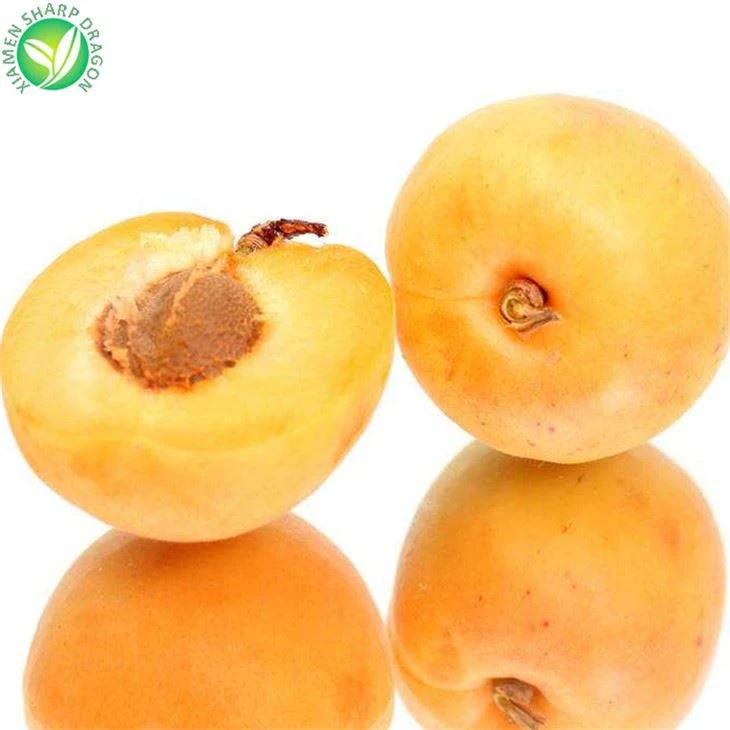
The edible flesh and the kernel are different materials with different safety boundaries. The kernel is the seed inside the hard stone. Health Canada states that apricot kernels naturally contain cyanogenic glycosides, primarily amygdalin, which can release cyanide when ingested. It also states that there are no safety concerns associated with eating apricot fruit. That distinction supports a simple handling rule: remove the stone and do not treat its kernel as part of a normal fruit serving.
Claims that amygdalin is "vitamin B17" or that apricot kernels treat disease are not reasons to open the stone. Health Canada says amygdalin is not a recognized vitamin in its food regulations. Keep kernel products, concentrates and supplements outside an ordinary discussion of pitted apricot flesh. Commercial fruit specifications should clearly say pitted and set an appropriate foreign-material control rather than relying on a photograph.
Allergy is a separate exception. A food-allergy reaction can involve an itchy mouth, hives, swelling, vomiting, wheezing or difficulty breathing. Stop eating the product if an allergic reaction is suspected. Severe breathing difficulty, throat or tongue swelling, faintness or collapse is an emergency. Cooking or using frozen fruit should not be assumed to make a known allergy safe without advice from the person's allergy professional.
Food hygiene still applies. Use clean utensils and follow the product's storage and preparation instructions. Frozen fruit is not automatically ready to eat merely because it looks clean; read the specification and destination-market rules to identify the intended use and any required kill step. Digestive comfort does not replace microbiological safety, and a food-safety failure should not be analyzed as ordinary "sensitivity."
XMSD specification note: For pitted apricot pieces, define cut, skin status, ingredient list, stone-fragment control, microbiological criteria, intended use and pack basis. Our private-label process connects the selected fruit form to approved product and label requirements.
Turn a Tolerance Question Into a Usable Product Brief
For a foodservice or retail program, "apricot is good for digestion" is not a usable specification. Define the product as plain halves, slices, dice, puree or a preparation. State whether skin is present, whether sugar or another ingredient is added, and whether the declared serving uses frozen, thawed or drained weight. Match the form to the use: visible halves for presentation, smaller pieces for measured inclusion, or puree for a homogeneous formula.
Then make the serving traceable. Record the fruit inclusion per finished portion and the yield after thawing or drainage. Review the complete recipe for ingredients relevant to the intended audience. If a menu or pack makes a nutrient statement, calculate or analyze the finished product under the applicable rules. A raw-fruit database entry can inform development, but it is not automatically the label for a yogurt, beverage or bakery filling.
Worked example: calculate both inclusion and thaw yield. A 180 g yogurt cup is designed with 20% thawed apricot pieces by finished weight. Each cup therefore needs 180 g × 0.20 = 36 g of apricot. That mass is close to USDA's 35 g one-apricot reference, but it does not make the cup nutritionally identical to one raw apricot; the finished formula and analysis control the label. For 200 cups, drained apricot required is 36 g × 200 = 7,200 g, or 7.2 kg. If a validated trial shows 87% usable drained yield from the frozen input, the purchasing estimate is 7.2 kg ÷ 0.87 = 8.28 kg. Round up according to the kitchen's loss allowance and verify the yield with the actual lot.
That calculation exposes two different controls. The 20% formula controls how much fruit reaches the consumer. The 87% thaw yield controls how much frozen material the kitchen must issue. Changing cut size, maturity, thaw method or drainage time can change yield without changing the approved serving. Monitor them separately.
Packaging should preserve the agreed product and make lot use practical. A small operation may value a resealable retail pack; a central kitchen may prefer a larger bag inside a carton. Confirm net weight, inner-pack count, label language, lot coding and storage conditions through the frozen packaging workflow. Packaging convenience cannot substantiate a stomach benefit, but it can help keep portions and traceability under control.
If communication needs a positive message, keep it factual: identify apricot percentage, serving, cut and preparation. Link broad apricot nutrient information only where it stays within evidence limits; the refreshed apricot nutrition overview should own general benefits, while the present stomach-focused guidance remains about tolerance, form and symptom-aware decisions.

A Practical Answer You Can Apply
If you have no relevant allergy or diagnosed restriction and normally tolerate stone fruit, a small serving of ripe apricot flesh is a reasonable place to start. Eat it as food, not medicine. Use the number and weight of fruits rather than an undefined bowl or handful. With frozen fruit, define the measured state. With dried, canned or formulated products, check serving size and ingredients.
If symptoms occur, identify whether they are upper-gut, lower-gut or allergic, and consider the full meal. If you have IBS, discuss a structured low-FODMAP trial and reintroduction with a clinician or dietitian instead of banning foods indefinitely. If you have GERD, track your own triggers and meal timing; with night symptoms, leaving at least three hours between a meal and lying down may help, as NIDDK advises.
Keep the kernel out of the decision. Edible pitted flesh and a kernel product are not equivalent. Seek prompt medical care for severe, persistent or alarming digestive symptoms, and emergency care for serious allergic symptoms. A fruit guide cannot diagnose the cause.
For a commercial product, replace vague digestive wording with verifiable facts: exact fruit form, percentage, portion, other ingredients, intended use, preparation, safety specification and destination label rules. That approach gives buyers and consumers something they can actually use while keeping the claim within the evidence.
For an IQF apricot brief, send the cut, skin status, ingredients, intended use, portion basis, pack size, destination market and required safety documents through the XMSD inquiry form. We can review the specification and identify which finished-product questions still need customer-side nutrition, regulatory or clinical input.
References
- USDA SNAP-Ed. Apricots: selection, storage and nutrition information. Accessed August 27, 2026.
- National Institute of Diabetes and Digestive and Kidney Diseases. Eating, Diet, & Nutrition for Irritable Bowel Syndrome. Accessed August 27, 2026.
- National Institute of Diabetes and Digestive and Kidney Diseases. Eating, Diet, & Nutrition for GER & GERD. Accessed August 27, 2026.
- Health Canada. Cyanide in Apricot Kernels. Updated January 24, 2020. Accessed August 27, 2026.
- National Health Service. Food Allergy. Reviewed August 12, 2025. Accessed August 27, 2026.
- U.S. Food and Drug Administration. Are You Storing Food Safely? Accessed August 27, 2026.
- XMSD operational experience in frozen-fruit form selection, IQF handling, product specification, packaging and export coordination.