


Orange-Banana Steamed Egg: Smooth Custard Guide
Jan 15, 2019

The most reliable orange-banana steamed egg is a gently steamed sweet custard, not a savory water egg with fruit added at random. Build the base with beaten egg, pasteurized milk, a measured amount of smooth banana puree and orange zest. Strain it, divide it into shallow covered cups, steam gently, and judge doneness by both the center set and a food thermometer. Add well-drained orange pieces after steaming when you want a clear citrus note and visible fruit.
Keeping orange juice out of the milk base is the safest first trial for texture because citrus acidity can make a dairy custard less predictable. If orange juice must be inside the custard, test a separate dairy-free egg-and-juice formula rather than pouring juice into the milk recipe. For frozen fruit, thaw under refrigeration, measure released liquid, and use banana as puree while reserving drained mandarin segments for topping or a controlled fruit layer. This separates flavor, water and acid so each can be adjusted without breaking the entire set.
The short answer: Use banana puree in a strained milk-and-egg base, use orange zest or drained segments for citrus character, cover the cups against condensation, steam gently, and heat the center of the egg dish to at least 160°F (71°C).
First Define Which Steamed Egg You Mean
English search results mix three different products. Chinese savory steamed egg uses eggs with water or stock and is served as a soft dish. Cantonese-style sweet steamed egg pudding uses eggs, milk or sweetened liquid and is served as dessert. Steamed banana pudding is usually a flour-and-fat sponge cooked by steam. All three can be called "steamed egg" or "steamed pudding," but their formulas and acceptance criteria are not interchangeable.
For orange and banana together, we recommend the sweet custard route when the target is smooth, spoonable and portioned in a cup. Banana contributes flavor, body and sweetness. Orange contributes aroma and a brighter finish. A sponge pudding is the better route when you want a cake-like crumb that can support visible banana slices and orange zest through a 40- to 60-minute steam. Decide between spoonable custard and steamed cake before choosing the ratio.
Do not use a savory water-egg ratio as proof that a sweet milk custard will set. Milk solids, sugar, fruit puree and acid all change heat transfer and protein behavior. Start with a weighed test batch and keep vessel size, fill depth, steamer load and covering method constant. A recipe only becomes repeatable when those conditions travel with the ingredient list.
A practical four-cup starting formula
For four shallow cups, a useful pilot is 100 g beaten whole egg, 180 g pasteurized whole milk, 30 g smooth banana puree, 10-20 g sugar according to fruit sweetness, and 1-2 g finely grated orange zest. This is an operational starting formula, not a universal specification. It deliberately keeps orange juice outside the dairy base. Divide about 80 g into each 120 ml cup so headspace remains for safe handling and a fruit garnish.
Practical example: Make two identical four-cup batches. In Batch A, use 30 g banana puree and orange zest only. In Batch B, replace 20 g of milk with 20 g orange juice. Steam them in the same load and record smoothness, whey separation, citrus flavor and center temperature. If Batch B shows fine curds or watery edges, return to the zest-plus-topping design instead of adding more egg to hide the acid effect.

Mix for a Silky Set Instead of a Foamy Surface
Whisking should combine the egg, not whip air into it. Large bubbles rise during steaming and leave pinholes or a honeycomb surface. Stir the egg gently until yolk and white are uniform. Dissolve sugar in the milk, combine with the egg, then whisk in very smooth banana puree. Pass the mixture through a fine sieve into a clean jug. Straining removes chalaza, pieces of cooked egg from an overly warm liquid, and coarse banana fibers that would interrupt the surface.
Let the strained mixture stand briefly so remaining foam can be skimmed. Pour from a low height to avoid rebuilding bubbles. Cover each cup with a heat-safe lid, plate or foil so condensed steam does not drip into the custard. Keep the cover above the liquid surface. Plastic film should be used only when it is specifically rated for the temperature and your food-safety procedure approves it.
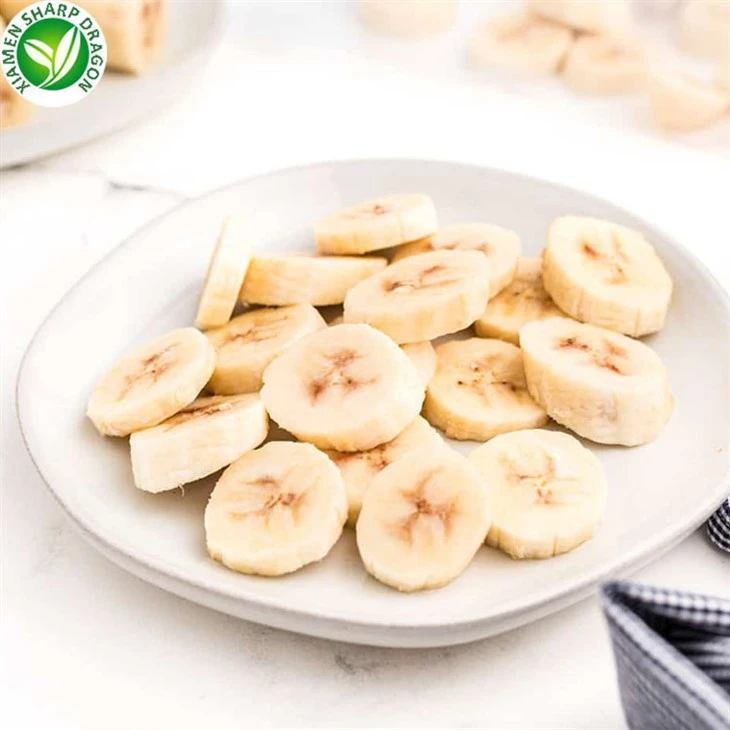
Banana puree must be truly smooth for a custard-style result. Coarse mash creates heavy pockets that set differently from the surrounding egg. If visible banana pieces are part of the concept, place a measured amount in the bottom of each cup and run a settling test. Pieces that float, sink or release liquid unevenly will give different fruit content across servings. Puree is the normal starting choice for consistency; visible pieces are a separate product design.
Steam Gently, but Verify the Center
High steam intensity can set the outside too quickly while the center remains fluid. It can also squeeze moisture from the protein network and produce a porous or rubbery texture. Use gentle, steady steam and shallow, equally filled cups. For the four-cup pilot above, begin checking at 12 minutes; many small covered cups will finish within roughly 12-18 minutes, but steamer design, cup material, load, starting temperature and fill depth can move that range substantially.
Time is a process clue, not the food-safety decision. The U.S. FDA advises cooking egg dishes to 160°F (71°C). Insert a clean food thermometer into the center of a representative cup without touching the bottom. The custard should also look set at the edge and move as one soft mass in the center rather than ripple like liquid. If the center reaches the required temperature but the texture is rubbery, reduce steam intensity or cup depth in the next trial; do not lower the safety endpoint.
Published orange-steamed-egg recipes show why equipment conditions must travel with the time. One FOTILE recipe uses a yolk, orange juice and water and specifies 80°C steam for 10 minutes in a named steam oven. That is a useful concept reference, not a universal instruction for a pot, combi oven or different cup. Your process must demonstrate the required center temperature and acceptable set in your actual equipment.
Texture rule: If the outside is porous before the center is safe, change heat transfer-lower steam intensity, reduce fill depth, warm the mix less aggressively or adjust cup material-rather than accepting an undercooked center.

Put Orange Where It Adds Flavor Without Breaking the Custard
Orange can enter as zest, juice, segment, puree or sauce. They are not equivalent. Zest supplies aroma with very little added water and is the easiest first step in a milk custard. Juice supplies acidity, water, soluble solids and flavor; it changes the liquid balance and can destabilize dairy. Segments add visible identity but release juice during thawing and handling. A cooked sauce is the most controllable topping because its acidity and viscosity can be adjusted separately from the egg set.
For a clean orange-banana dessert, we would start with zest in the custard and drained orange segments added after steaming. Chill or cool the custard according to the serving plan, then spoon a measured fruit portion on top. This keeps the orange bright, avoids prolonged heating of the segment and lets you reject a watery fruit lot before it reaches every cup.
If you want juice inside the custard, formulate it as its own system. A dairy-free egg-yolk, orange-juice and water version is closer to the published orange-shell technique. Start small, strain the juice, define its soluble solids and acidity, and verify both safety and sensory result. Do not assume one orange variety or harvest lot will have the same sweetness-acidity balance as another.
Fresh orange and frozen mandarin behave differently
Fresh orange is useful when peel, zest and freshly cut garnish are central to the dish. Frozen mandarin segments are a processed ingredient. After thawing, they may be softer and release juice, but they can provide measured pieces without daily peeling and membrane removal. The relevant XMSD sliced mandarin orange page distinguishes whole-to-broken grades because a visible topping and a blended fruit preparation do not need the same segment integrity.

Use Frozen Banana as a Controlled Puree Input
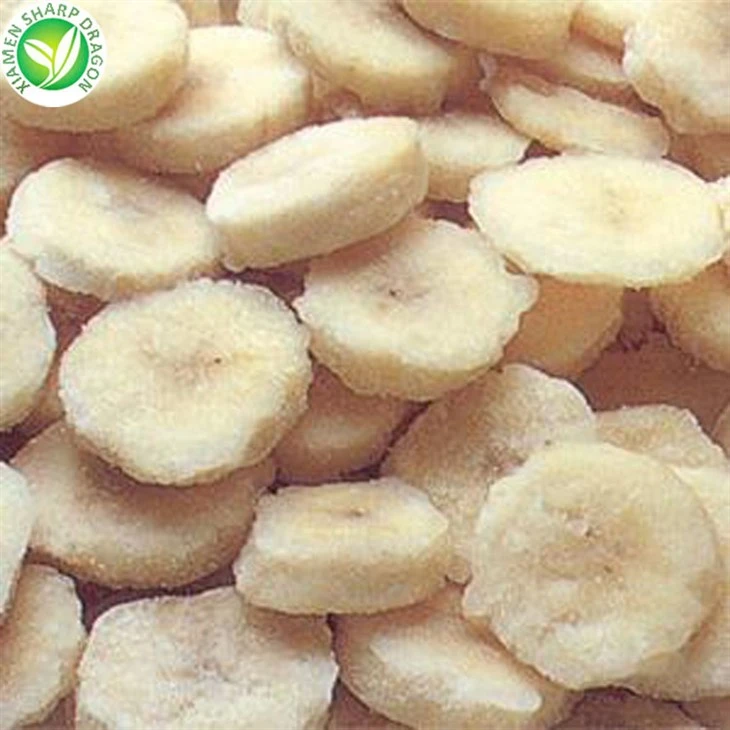
Thawed banana is naturally suited to puree because freezing softens the tissue. It is less suited to a fresh-looking top garnish. Thaw only the required quantity under refrigeration in a covered container. Weigh the fruit and any free liquid separately. If all liquid is blended into the puree, the result may be thinner than a drained puree. Either approach can work, but the chosen basis must be written into the formula.
Ripeness changes sweetness, aroma, color and solids. A custard balanced with very ripe banana may taste weak or less sweet when the next lot is firmer. Approve the frozen fruit by thawed flavor and application performance rather than frozen appearance alone. XMSD's IQF banana forms include pieces that can be portioned for controlled trials, while the related guide on choosing frozen banana by application explains why thawed texture should be judged differently from fresh table fruit.
| Fruit input | Best position | Measure before scale-up |
|---|---|---|
| Fresh banana puree | Inside custard | Ripeness, puree mass, browning time |
| Thawed IQF banana | Puree or soft fruit layer | Thaw yield, liquid, color, solids |
| Drained mandarin segments | Post-steam topping | Whole ratio, broken pieces, juice release |

Scale by Egg Mass and Fruit Yield
Counted eggs vary in size, so production formulas should use liquid egg mass. Set egg at 100% and express milk, puree and sugar as percentages of that mass. The four-cup pilot is 100 g egg, 180% milk, 30% banana puree and 10-20% sugar. Orange zest is better expressed in grams per batch because its aroma is strong and the practical percentage is small.
Worked example: A foodservice kitchen needs 240 cups at 80 g each, or 19.2 kg of custard before garnish. Its pilot formula totals 325 g: 100 g egg, 180 g milk, 30 g banana puree and 15 g sugar. The scale factor is 19,200 g ÷ 325 g = 59.08. Multiply each component by 59.08: 5.91 kg egg, 10.63 kg milk, 1.77 kg usable banana puree and 0.89 kg sugar. If the refrigerated thaw test gives 90% usable banana yield, frozen banana required is 1.77 kg ÷ 0.90 = 1.97 kg before any separately defined process allowance.
This calculation controls more than purchasing. It also tells you how much liquid enters from banana. If the next lot gives 84% rather than 90% yield, do not simply pour all additional thaw liquid into the custard to preserve weight. Compare viscosity and set against the approved sample, then adjust the purchase quantity or fruit-preparation method. Product weight and formula water must remain separate decisions.
Protect Egg Safety During Cooking, Cooling and Service
Egg custard requires a real food-safety process. The FDA advises cooking egg dishes to 160°F (71°C), storing eggs promptly at 40°F (4°C) or below, and using pasteurized egg products for recipes served raw or undercooked. This steamed dessert should not be served undercooked for the sake of a softer center. Gentle heat and shallow cups are the tools for texture; the center temperature remains the safety check.
If the custard is served chilled, cool it promptly under the applicable local food-code procedure, cover it against contamination and hold it at 40°F (4°C) or below. The FDA's general storage guidance also applies the two-hour rule to food requiring refrigeration, reduced to one hour when ambient temperature exceeds 90°F (32°C). For a buffet or delivery program, record the actual time and temperature instead of relying on the fact that the cups still look smooth.
Food-safety note: Fruit color, aroma and custard set cannot prove microbiological safety. Use pasteurized inputs where required, prevent raw-egg cross-contamination, verify at least 160°F (71°C) in the center, and control cooling and refrigerated service.

Diagnose Texture Defects One Variable at a Time
Honeycomb surface: Reduce whisked air, skim foam, cover the cup and lower steam intensity. If the surface is smooth in one shelf position and porous in another, map the steamer before changing the formula.
Rubbery edge with liquid center: The heat gradient is too severe. Reduce cup depth, use gentler steam or change cup material while keeping the verified center temperature.
Watery separation: Check citrus juice, thaw liquid, overcooking and cooling history. Measure which source added water before increasing egg.
Weak banana flavor: Review ripeness and puree percentage. More banana also adds solids and water, so run a balanced formula trial rather than adding an unmeasured spoonful.
Bitter orange note: Excess white pith may have entered with coarse zest, or an unsuitable peel surface may have been used. Zest only the colored outer layer from fruit approved for that use.
Example: If one batch sets well but develops water after adding thawed mandarin, prepare three cups from the same custard: no fruit, 10 g drained segments, and 10 g segments plus 3 g released juice. When only the third separates, keep the juice out of the garnish specification. This isolates the cause without changing egg, milk and steam time together.
Write the Fruit Specification for the Final Cup
For banana, define form, ripeness direction, color, aroma, thaw method, usable yield and whether free liquid is included. For mandarin, define whole-to-broken ratio, membrane residue, juice release, drained weight, flavor balance and visible color. A high whole-segment grade is valuable for garnish, while broken pieces may be acceptable for sauce or blended fruit. Paying for visual integrity that disappears in a puree is unnecessary; accepting broken pieces for a premium visible topping creates a presentation problem.
Run the approval sample through the exact cup process. Test thawed fruit, custard set, topping stability, refrigerated hold and delivery vibration. Link those results to the lot documents and cold-chain record. The foodservice and catering application is relevant when portioning, freezer access, kitchen labor and repeated service matter as much as the fruit's appearance in the bag.
Packaging should match the kilograms used per preparation period. If a kitchen uses only 2 kg of banana per day, one large liner may require repeated opening and partial handling. Smaller inner packs can protect the remaining frozen fruit, although they add packaging cost. Calculate openings, thaw capacity and waste before deciding. For mandarin garnish, a pack that protects whole segments can be more important than the lowest film cost.
Frequently Asked Questions
Can orange juice be mixed directly with milk and egg?
It can be formulated, but citrus acidity makes the set less predictable. For the first trial, use zest in the milk custard and drained orange pieces on top. If juice inside the custard is essential, build and test a separate formula with controlled juice mass, acidity, equipment and center temperature.
Can frozen banana go directly into the egg mixture?
Use it as a measured puree after refrigerated thawing. Record whether released liquid is retained. Adding frozen pieces directly changes heating time and distribution, so that method needs its own validated process rather than the time used for a smooth room-temperature mixture.
Why should the cups be covered during steaming?
A cover limits condensed steam dripping onto the surface. It also helps create a calmer local environment around the custard. Use a heat-safe cover that does not touch the mixture and remains compatible with your steamer and food-safety procedure.
How should a larger batch be approved?
Scale by egg mass, keep the same cup fill depth, and map steamer positions. Verify center temperature in representative cups, then compare surface, set, fruit distribution, cooling record and refrigerated texture with the pilot. Do not multiply the ingredient list without checking equipment load.
Final Decision
For a smooth orange-banana steamed egg, keep the first design simple: banana puree and orange zest in a strained milk-and-egg base, plus drained mandarin segments after steaming. Gentle heat, covered shallow cups and a verified 160°F (71°C) center protect both texture and safety. Treat orange juice as a separate formulation variable, not a casual substitution for milk.
Before scale-up, measure thaw yield, fruit liquid, cup fill and equipment position. Compare the custard after the intended refrigerated hold. That process gives you a repeatable dessert and a defensible fruit specification instead of one successful cup that cannot be reproduced.
XMSD sourcing note: Share your custard formula, banana form, mandarin grade, batch size, pack preference and destination. We can review frozen fruit options for a steamed dessert trial.
References
- U.S. FDA: What You Need to Know About Egg Safety
- U.S. FDA: Are You Storing Food Safely?
- FOTILE: Orange Steamed Egg equipment recipe
- Mrs P's Kitchen: Steamed Egg Custard
- Irish Examiner: Steamed Banana Pudding
- XMSD operational experience in frozen-fruit form selection, thaw-yield review, packaging and foodservice application testing.