



Sliced Mandarin Orange
XMSDfood supplies IQF Frozen Sliced Mandarin Orange Segments for B2B buyers who need frozen citrus ingredients for beverage bases, dessert toppings, bakery decoration, fruit preparations, smoothie packs, retail frozen fruit bags, foodservice programs and OEM private label projects. This product should be evaluated by segment grade, whole-to-broken ratio, broken sieved percentage, citrus flavor, sweetness-acidity balance, membrane residue, juice release after thawing, IQF separation, packing format, certificate documents and sea shipment plan. The reference grades include Mandarin whole 90/10, 80/20, 70/30, 50/50 and Mandarin Broken Sieved, with Fujian origin, November to next January season, 12 tons MOQ and 24 months shelf life at -18°C.
Product Details
IQF Frozen Mandarin Segments · 90/10 80/20 70/30 · Bulk & OEM Supply
IQF Frozen Sliced Mandarin Orange Segments for Beverage, Dessert, Bakery and Retail Fruit Programs
XMSDfood supplies IQF frozen sliced mandarin orange segments for commercial buyers who need frozen citrus ingredients with controlled whole-to-broken ratio, stable packing and export-ready document support.
Frozen mandarin segments are purchased by segment grade. Mandarin whole 90/10, 80/20, 70/30, 50/50 and Broken Sieved each serve different applications, visual standards and cost structures.

Project Entrances
Fast Access for Frozen Mandarin Segment Buyers
Use these entrances to review product video, application visuals, commercial specification, segment grade selection, buyer application planning, sample testing, processing route, packing, documents, certification support and inquiry details.
Segment Grade Selection
90/10, 80/20, 70/30, 50/50 and Broken Sieved grades help buyers match cost, visual yield and final application.
Beverage and Dessert Use
Frozen mandarin segments support fruit drinks, citrus toppings, dessert cups and foodservice fruit programs.
Bulk and 1kg Packs
1×10kg/ctn and 10×1kg/ctn formats support bulk, foodservice and repacking buyers.
Fujian Seasonal Supply
November to next January is the season reference for sample approval, production planning and repeat orders.
Why Segment Ratio Matters More Than a Generic Product Name
Frozen sliced mandarin orange is not a single fixed specification. A 90/10 grade and a Broken Sieved grade can both be called frozen mandarin, but they are used differently. One fits visible fruit toppings, while the other may be better for beverage bases, fruit preparations or blended applications.
The main decision points are whole segment percentage, broken segment tolerance, membrane residue, juice release, flavor balance, IQF separation and packing format.
Product Video
IQF Frozen Sliced Mandarin Orange Product Video
This video provides a visual reference for frozen mandarin orange application discussion. Final purchasing approval is based on grade selection, sample review and application testing.
Application Visuals
Frozen Mandarin Orange Application References
Frozen Citrus Beverage Use
Suitable for citrus beverage bases, sangria-style fruit programs and foodservice drinks.

Fruit Punch and Dessert Programs
Buyers test juice release, citrus aroma and visible fruit quality after thawing.

Fruit Drink and Topping Reference
Application images help clarify use cases, while grade selection is checked by sample testing.
Commercial Specification Board
Product Name
Grade A Bulk IQF Frozen Sliced Mandarin Orange
Origin
Fujian, China mainland
Brand Reference
Sharp Dragon, or buyer brand can be discussed according to OEM requirement
Grade / Size Options
Mandarin whole 90/10, Mandarin whole 80/20, Mandarin whole 70/30, Mandarin 50/50, Mandarin Broken Sieved
Cultivation
Common
Season
November to next January
Processing
IQF frozen; product core temperature reaches -18°C after freezing
MOQ
12 tons
Shelf Life
24 months at -18°C frozen storage
Packing
1×10kg/ctn, 10×1kg/ctn, or customized packing according to buyer requirements
Delivery
By sea under frozen shipment conditions
Certificates
HACCP, ISO, KOSHER, FDA, ECO CERT and BRC support discussion
Export Market Reference
USA, Canada, Europe, Israel and other frozen fruit markets
How to Choose Mandarin Segment Grade
The grade is selected according to the buyer's real application. Visible fruit toppings, dessert cups and retail bags usually need higher whole segment ratio. Beverage bases, fruit preparations and filling formulas may accept more broken pieces when flavor, food safety and process requirements are aligned.
Mandarin Whole 90/10
Suitable when visible segment integrity is important.
80/20 · 70/30 · 50/50
Balanced options when buyers need both visible fruit pieces and practical cost control.
Broken Sieved
Practical when appearance is less important than citrus flavor and processing usability.
Application Planning by Buyer Type
Dessert and Bakery Buyers
Suggested Grade Direction
90/10 or higher whole segment ratio
Main Review Point
Segment integrity, color, thawing appearance and membrane residue.
Beverage Factories
Suggested Grade Direction
70/30, 50/50 or Broken Sieved when suitable
Main Review Point
Citrus flavor, juice release, blending behavior and acidity balance.
Retail Frozen Fruit Packs
Suggested Grade Direction
Higher whole segment percentage
Main Review Point
Bag presentation, label language, barcode and consumer visual quality.
Foodservice Distributors
Suggested Grade Direction
Grade depends on use case and price target
Main Review Point
Carton handling, thawing behavior and consistent repeat supply.
OEM Private Label Buyers
Suggested Grade Direction
Confirmed grade plus custom packing
Main Review Point
Artwork, ingredient declaration, carton mark and destination-market documents.
Sample Review Before Bulk Approval
Frozen mandarin segment samples are checked in frozen condition, after thawing and under the buyer's real application. Segment appearance, juice release and flavor can change after thawing, especially when used in beverage, dessert or retail fruit packs.
Whole-to-Broken Ratio
Check whether the delivered grade matches 90/10, 80/20, 70/30, 50/50 or Broken Sieved requirement.
Membrane and Peel Residue
Excess residue may affect dessert, beverage and retail pack eating quality.
Juice Release
Thawing loss is tested according to beverage, topping, filling or retail use.
IQF Separation
Good separation supports weighing, repacking, mixing and foodservice handling.
Processing and QC Route
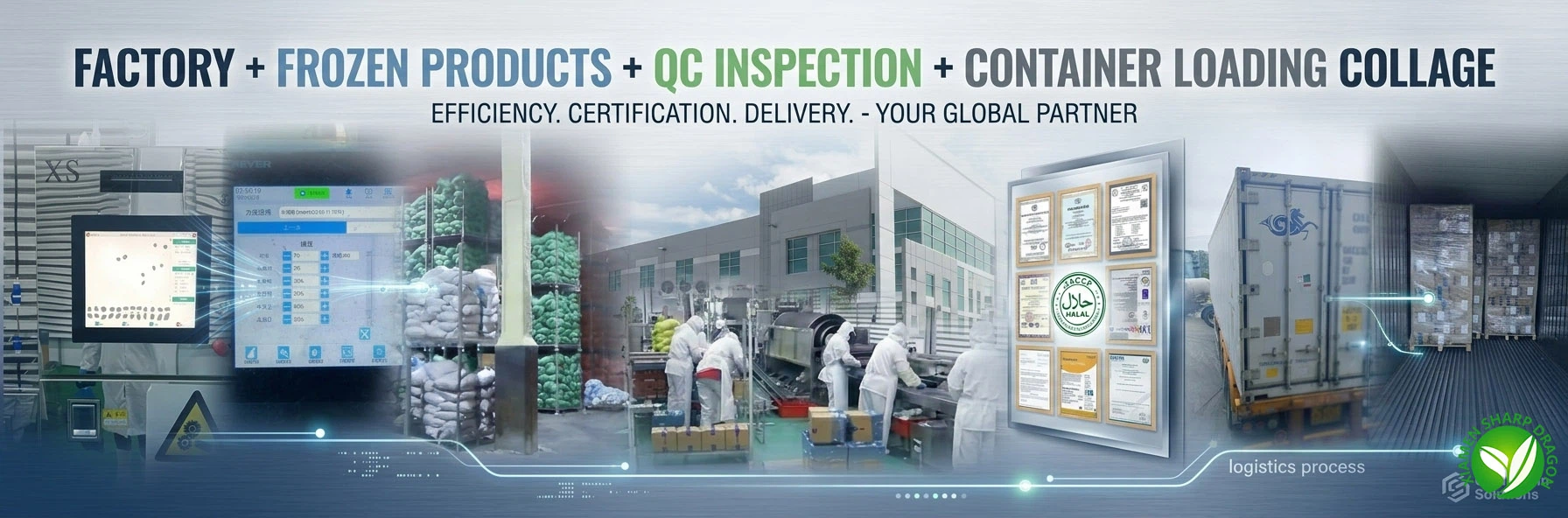
The frozen mandarin orange process protects segment appearance, flavor and frozen separation. Raw materials are cleaned and manually inspected to remove skins before production, then packed in food-grade polylined cartons and frozen to -18°C core temperature.
IQF Frozen Mandarin Orange Processing Flow
Mandarin Orange Selection → Washing → Peeling / Skin Removal → Manual Inspection → Segment Grade Sorting → IQF Freezing → Whole / Broken Ratio Review → Packing in Food-Grade Polylined Cartons → Frozen Storage at -18°C → Sea Shipment


Packing, Delivery and Document Planning
The product supports 1×10kg/ctn and 10×1kg/ctn packing, with sea delivery. Buyers align grade, carton format, label language, pallet requirement, destination port and certificate documents before production scheduling.
1×10kg/ctn
Suitable for beverage factories, foodservice distributors, dessert manufacturers and repackers.
10×1kg/ctn
Useful for foodservice, retail-adjacent packs and smaller handling units.
Customized Packing
Buyer-specific bag size, carton mark, label language and OEM artwork can be discussed.
Sea Delivery
Frozen shipment by sea is arranged according to destination port and cold-chain requirements.
Certification and Export Support
Certificate Documents
HACCP, ISO, KOSHER, FDA, ECO CERT and BRC support can be discussed according to buyer order needs.
Product Documents
Specification, grade ratio, packing confirmation, COA or related test documents should match the final order.
OEM Documents
Label language, barcode, carton mark and private label artwork are reviewed before production.
Questions to Review Before Quotation
Which segment grade do you need?
Please select Mandarin whole 90/10, 80/20, 70/30, 50/50 or Broken Sieved according to your application.
Will the product be used for beverage, dessert, bakery or retail packs?
Different applications require different control of whole segment percentage, juice release, membrane residue and visual appearance.
Do you need 1×10kg or 10×1kg packing?
1×10kg is suitable for bulk handling. 10×1kg is more practical for smaller foodservice or repacking units.
What should be included in the inquiry?
Please send required grade ratio, packing format, order quantity, destination country, certificate needs, private label requirement and final application.
Send Your Frozen Sliced Mandarin Orange Requirement
Tell us your required segment grade, packing format, order quantity, destination market, certificate needs and final application. XMSDfood will help review the suitable IQF frozen sliced mandarin orange specification and sea shipment plan for your market.
Related Frozen Fruit Options
IQF Frozen Orange Segments
A citrus option for beverage, dessert, topping and retail frozen fruit programs.
IQF Frozen Peach Slices
Frozen peach formats for beverage, bakery, dessert and private label fruit packs.
IQF Frozen Mango Dices
A tropical frozen fruit option for smoothies, desserts, fruit bowls and retail programs.
IQF Mixed Fruits
Customized frozen fruit blends for beverage, retail, foodservice and OEM buyers.
Hot Tags: IQF frozen sliced mandarin orange, frozen mandarin orange supplier, frozen mandarin segments, bulk frozen mandarin orange, frozen citrus segments, Mandarin 90/10, Mandarin 80/20, OEM frozen fruit, mandarin orange slice, Peeled Frozen Oranges, freeze mandarin oranges
Send Inquiry
