


Weekly Broccoli Slot Budget: From Cups to Meal Counts
Nov 12, 2019

For an adult who enjoys and tolerates broccoli, two to four meals per week is a practical starting template, not an official broccoli requirement. Three half-cup cooked servings create 1.5 cups across the week. Increase, decrease, or replace those slots according to the total vegetable pattern, dark-green variety, portion size, tolerance, and the recipe.
Current U.S. dietary guidance prioritizes vegetables within a nutrient-dense eating pattern but sets no universal number of broccoli meals. MyPlate identifies broccoli as a dark-green vegetable and counts one cup chopped or florets, fresh or frozen, as one cup from the Vegetable Group. That cup arithmetic is more useful than declaring "five times" for everyone.
Count both frequency and amount. One large bowl and four small garnishes can each be called an appearance while contributing very different quantities. Use cooked cups or grams per appearance, then protect room for red-orange vegetables, beans and lentils, starchy vegetables, and other vegetables during the same week.
The direct answer: Start with two to four broccoli meals weekly if that fits your diet; use three half-cup servings as an easy planning example, then adjust the slots instead of treating the number as a health prescription.

Frequency Is the Last Step of the Calculation
Begin with the role broccoli will play. It may supply all or part of a dark-green vegetable allocation, replace a less suitable side, add structure to a grain bowl, or support a foodservice menu. The role determines whether an appearance needs a half-cup portion, a cup, or only a small ingredient amount.
Next, define the edible serving. "Half a plate" is visually variable. "One-half cup cooked and drained" or "75 g cooked" can be repeated. Raw, cooked, frozen input, drained output, and finished mixed-dish weight are different measurement bases; put the state beside the number.
Then choose a weekly quantity and divide it into meal slots. The formula is simple: weekly broccoli cups ÷ cooked cups per meal = planned appearances. A 1.5-cup weekly allocation divided by 0.5 cup per meal produces three appearances. The same allocation divided into 0.75-cup portions produces two.
Finally, review the rest of the week. If broccoli occupies every vegetable position, the count may be operationally easy but nutritionally narrow. If it appears only as a few pieces in a rich dish, the count may sound high while the actual dark-green contribution stays small. Cup totals and subgroup variety expose both problems.
Use a Weekly Vegetable-Group Ledger
MyPlate divides vegetables into dark green; red and orange; beans, peas, and lentils; starchy; and other vegetables. Broccoli belongs to dark green. The categories make frequency planning a portfolio decision: a broccoli slot earns its place without becoming a substitute for every other subgroup.
Create seven columns, one per day, and five rows, one per subgroup. Enter the amount actually eaten, not just the item planned. Broccoli, spinach, kale, and other dark greens share one row. Carrots and pumpkin belong elsewhere; beans and lentils have their own row; cauliflower is classified as another vegetable rather than dark green.
A simple week might use broccoli on Monday, Thursday, and Saturday; spinach on Tuesday; carrots twice; lentils twice; potato once; and peppers, mushrooms, onions, cabbage, or cauliflower across other meals. The broccoli count is three, but the more important result is a week with multiple vegetable subgroups and repeatable portions.
Do not count recipe names as cup equivalents. Broccoli soup, pizza, casserole, and stir-fry may contain very different broccoli quantities. For a mixed dish, use the formula or a measured batch: broccoli cooked output allocated to each serving. The meal name alone cannot tell the ledger what to record.

Three Starting Templates With Different Jobs
| Template | Broccoli arithmetic | Decision use |
|---|---|---|
| Two larger sides | 2 × 0.75 cup = 1.5 cups | Fewer services, clear vegetable role |
| Three standard sides | 3 × 0.5 cup = 1.5 cups | Easy household rotation |
| Four smaller inclusions | 4 × 0.375 cup = 1.5 cups | Mixed dishes with other vegetables |
All three templates have the same weekly cup total. Their menu experience differs. Two larger sides make broccoli visually prominent. Three standard sides are easy to remember. Four smaller inclusions create more recipe variety but demand accurate formula and serving records.
Choose the template that improves what is actually eaten. If a large side causes plate waste, divide the quantity across more meals. If repeated small inclusions disappear in sauce or grains, reduce frequency and restore a recognisable side. The count serves the delivery goal, not the other way around.
This planning example also prevents a false health threshold. Two, three, and four appearances can all deliver 1.5 cups. A study reporting consumption frequency may use different serving definitions, and a food-frequency questionnaire cannot set an individual dose from the appearance count alone.
Count Direct Sides and Mixed-Dish Uses Differently
A direct side is the easiest slot to measure. Cook and drain the broccoli, fill the agreed cup or weigh the gram target, and record any plate return. The menu can then say that a defined portion was offered. A half-cup side and a one-cup side remain separate quantities even when both count as one meal appearance.
For soup, casserole, pasta, pizza, or a grain bowl, begin with the broccoli included in the complete batch. Divide usable cooked broccoli by the number of finished servings. If 6 kg cooked broccoli enters 100 soup bowls, the average formula allocation is 60 g per bowl before distribution variation and waste.
A garnish deserves honest treatment. Ten or fifteen grams can provide color and identity, but calling that a full broccoli serving overstates the weekly budget. Record it as an inclusion and keep the cup total separate. This makes room for a real side elsewhere without inflating the appearance count.
A purée has another control point because volume can include water, stock, potato, dairy, or other vegetables. Use the formula's broccoli weight and finished yield, not the apparent green volume. The same rule applies to sauces whose color is strong while their broccoli percentage is modest.
If your week contains one 0.75-cup side, one 0.5-cup side, and two quarter-cup mixed-dish allocations, the arithmetic is 0.75 + 0.5 + 0.25 + 0.25 = 1.75 cups across four appearances. The total and count now describe the same plan.
Product cut can help or hinder each use. Larger crowns suit a visible side, while a controlled smaller cut may distribute more evenly in soup or filling. The frozen broccoli product format gives a starting point for sample discussion after the meal role and cooked quantity are known. Include stem share, fragment allowance, and post-cook appearance in the trial, because equal frozen weights can create different visible portions and different levels of plate acceptance.
Current Guidance and Frequency Studies Answer Different Questions
The 2025–2030 Dietary Guidelines for Americans prioritize whole, nutrient-dense foods, including vegetables. They do not set a required broccoli frequency. MyPlate's currently accessible vegetable table supplies the subgroup and cup-equivalent tool used here. Treat the two-to-four range as a practical planner, not federal dosing language.
A 2024 prospective cohort analysis used older NHANES food-frequency data and reported lower mortality associations at different broccoli frequencies. The design observes relationships within a population; it does not randomly assign people to a broccoli schedule. Frequency may travel with other diet, health, and lifestyle differences even after statistical adjustment.
Another large cohort analysis associated broccoli intake of at least four servings per week, versus less than one per month, with lower hypertension incidence. That association does not turn four servings into a treatment threshold. Study servings, reporting error, population, confounding, and endpoint all limit the transfer to one person's plan.
Use research to understand patterns and unanswered questions. Use the weekly ledger to make the meal decision. A clinician or dietitian should adapt the schedule when a prescribed diet, gastrointestinal condition, swallowing plan, kidney restriction, allergy, or medication changes the rule.
Create a Weekly Decision Sheet Before Shopping
Line one names the eater or meal program and the planning period. Line two states the weekly broccoli cup target and why it was chosen. Line three lists the cooked portion for each use. By fixing those basics first, you can calculate quantity without treating a vague health goal as a purchase specification.
Next, list the other dark-green vegetables and the remaining subgroup plan. This exposes repetition before groceries are bought. If spinach, kale, bok choy, or another dark green is already scheduled, broccoli can take fewer slots while the subgroup stays well represented.
Assign each broccoli meal a distinct application: steamed side, stir-fry, soup, omelet, grain bowl, or another suitable recipe. Repeating the ingredient with a different sauce is not always enough; portion, texture, surrounding foods, and cooking load affect both acceptance and the finished nutritional profile.
Add a substitution column. State which side or ingredient broccoli replaces at each meal. When it replaces another dark green, subgroup quantity may stay similar. When it replaces a fried side, the complete meal changes differently. When it is simply added, total food rises and the intended trade may never occur.
Add a review column for eaten portion, comfort, and waste. One week is enough to find obvious menu problems; two or more weeks help reveal a stable preference. Adjust one major variable at a time-portion, recipe, day, or pack draw-so the next result remains interpretable.
Finally, write the next decision in units. "Keep three 0.5-cup cooked sides" is actionable. "Eat more greens" is not. A household can convert the cups to its shopping quantity, while a caterer carries the same plan through cooked yield, service count, frozen input, pack size, and batch schedule.
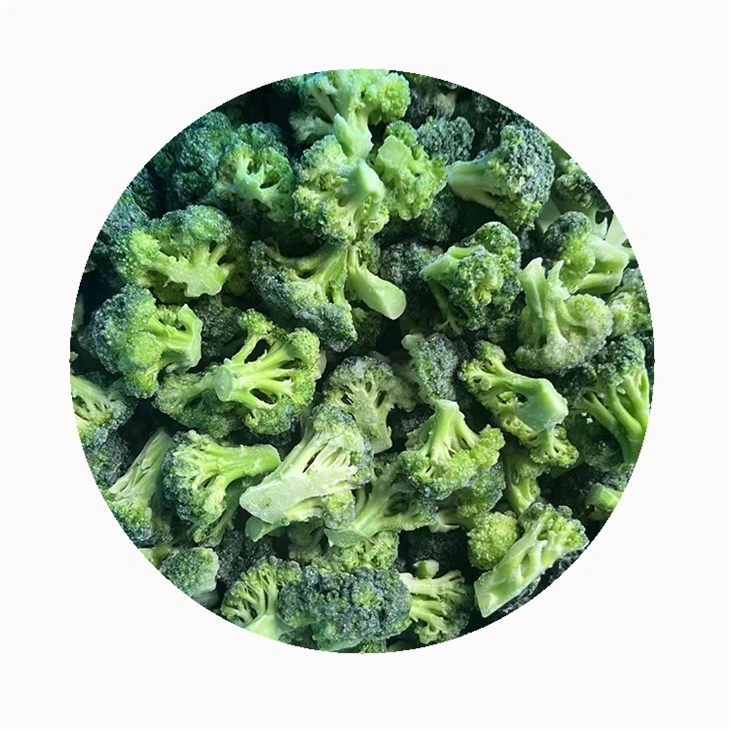
Representative Scenario 1: Build a Household Vegetable Budget
Representative scenario - Worked example: Decision function - household weekly allocation. A household wants broccoli to cover 1.5 cups of its dark-green plan without replacing every other dark-green vegetable. It chooses three 0.5-cup cooked portions on Monday, Thursday, and Saturday.
Each portion is measured after cooking and draining. Spinach appears on Tuesday, while red-orange, legume, starchy, and other vegetables fill separate ledger rows. Broccoli therefore has three meal slots and shares the subgroup rather than owning it.
After two weeks, the Saturday portion has high plate waste because it follows a broccoli soup on Friday. The family moves that slot to Sunday and replaces Friday's soup with lentil and carrot soup. Weekly broccoli remains 1.5 cups, but recipe separation improves acceptance and variety.
The decision is to keep three scheduled sides, not because three is biologically superior, but because the plan delivers the intended cups with low waste. If two 0.75-cup sides worked better, the same weekly quantity could support that pattern.

XMSD Experience 1: Calibrate the Cup With the Actual Cut
A cup is a volume measure. Its mass can change with crown size, stem share, fragments, cooking, settling, and how tightly the measure is filled. For a commercial menu, we calibrate the planned cup to a cooked gram target using the intended broccoli cut and preparation.
Our trial weighs frozen input, records heating and drain time, measures cooked output, fills the chosen serving cup several times without compression, and weighs each fill. We note the average, lowest and highest weights, then photograph the portion beside the cut specification and observe whether it looks and eats as intended after the planned hold interval.
Suppose six half-cup samples weigh 68, 72, 74, 69, 76, and 71 g. Their average is 71.7 g. A 500-serving week at that average needs about 35.85 kg cooked broccoli before allowance for service loss: 71.7 × 500 ÷ 1,000.
The XMSD frozen broccoli range supplies formats for discussion. The approved application should state cut, crown diameter, stem allowance, fragments, pack, cooked gram target, drain point, and acceptable portion range. The XMSD cooked composition reference can then be aligned with the selected state. These two documents serve different jobs: one defines what is bought, and the other helps anchor the nutrition basis used for the cooked portion.

Representative Scenario 2: Plan a Catering Week by Cooked Kilograms
Representative scenario - Practical example: Decision function - catering procurement and production allocation. A caterer serves 600 meals per day, five days per week. Broccoli is planned for Tuesday and Friday at 80 g cooked per meal; spinach fills another dark-green slot.
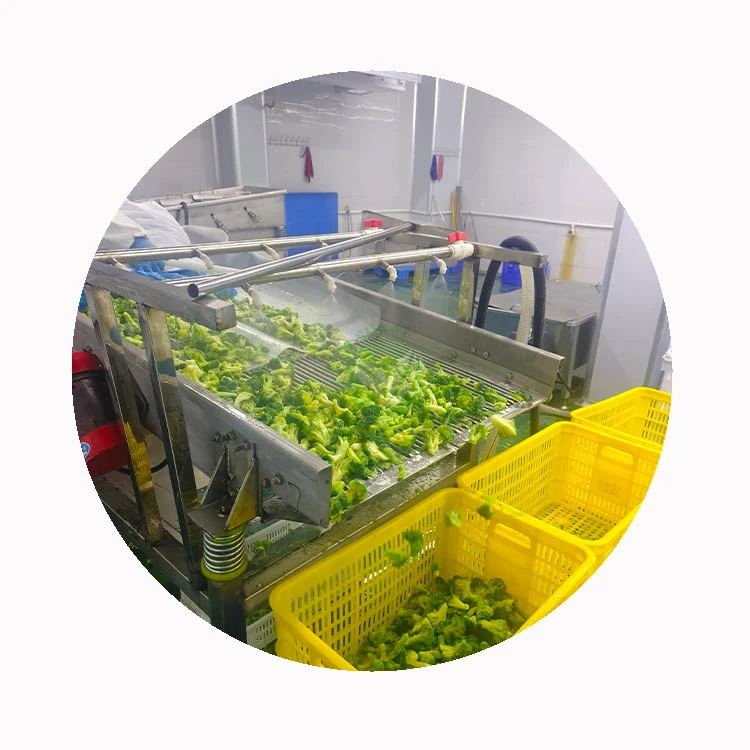
Each broccoli service requires 48 kg cooked output: 600 × 80 g ÷ 1,000. Two services require 96 kg. An application trial records 82% cooked drained yield, so preliminary frozen input is 96 ÷ 0.82, or about 117.1 kg, before the caterer's documented service-loss allowance. The buyer keeps the 82% basis attached to the exact cut, cook load, drain point, and line used in the trial.
The team divides input by batch capacity and inner-pack size, checks the cook and drain schedule, and samples portions from the beginning, middle, and end of service. Plate waste is compared across Tuesday and Friday to see whether the repeated recipe remains acceptable.
The resulting count is two broccoli appearances, yet the program delivers more weekly broccoli per diner than four small garnishes might. The procurement function depends on cooked kilograms, yield, and batch timing; a household frequency number would not control the order.
XMSD Experience 2: Check the Week, Not Only the First Service
Weekly plans drift when pack opening, fragment segregation, batch load, drain time, scoop size, or plate acceptance changes across services. We compare the first and later broccoli day using the same fields: product code, frozen input, cooked yield, sampled serving weight, holding time, free water, fragments, and waste.
If Friday portions contain more small material, we review inner-pack handling and bag segregation before buying extra kilograms. If the product remains consistent but returns rise, the recipe or calendar spacing may need adjustment. Product control and menu acceptance are separate decisions.
Pack size should match each production batch. Repeatedly opening a large liner for small draws can complicate quantity control. The overview of frozen-food packaging formats provides options to discuss after the weekly quantity, batch input, storage, labeling, and destination are known.
A weekly reconciliation closes the loop: starting frozen kilograms, remaining stock, cooked output, meals served, returns, and variance. It shows whether the declared two or three broccoli slots reached diners as planned. Frequency without reconciliation is only a menu promise.
Adjust the Weekly Count for the Person and the Plate
Reduce or redistribute slots if large servings repeatedly cause gas, bloating, urgency, or plate waste. Try smaller cooked portions, a simpler recipe, or another dark-green vegetable. More appearances are useful only when the food is comfortable, accepted, and part of a varied pattern.
People using warfarin or similar anticoagulants need consistency in vitamin K intake and clinical advice before a major dietary change. A prescribed low-fiber, kidney, swallowing, allergy, or other medical diet may set different amounts or forms. Bring the current weekly cups and planned change to the treating professional.
The cleanest answer is therefore a formula rather than a command. Choose the weekly broccoli cups that fit the whole vegetable plan, divide by the cooked portion that works, and inspect the rest of the ledger. For many adults, two to four meals provides a flexible start; the successful count is the one that delivers the intended amount with variety, comfort, and low waste.

XMSD sourcing note: For a weekly broccoli program, share meals per service, cooked grams per meal, service days, cut and stem range, heating and drain method, yield target, batch capacity, inner-pack preference, plate-waste limit, destination, and labeling scope. We can align the sample and specification with the weekly calculation.
References
- ODPHP: Current Dietary Guidelines for Americans, 2025–2030
- MyPlate: Vegetable subgroups and cup equivalents
- 2025 Dietary Guidelines Advisory Committee Scientific Report
- Prospective broccoli-frequency and mortality cohort analysis
- Fruit and vegetable intake and incident hypertension cohort analysis
- NIH Office of Dietary Supplements: Vitamin K and anticoagulants
- XMSD operational experience with cup-to-gram calibration, cooked yield, weekly batch allocation, cut distribution, inner packs, and service reconciliation.