


Broccoli and Bowel Movements: A Timing-and-Attribution Guide
Nov 12, 2019

Broccoli can contribute fiber to a dietary pattern that supports regular bowel movements, but it does not guarantee that a particular person will pass stool after a particular serving. If an urge appears within minutes of eating, the gastrocolic reflex may be moving material already in the colon; the broccoli just swallowed has not instantly become stool.
The longer-term response depends on the cooked amount, usual fiber intake, fluids, total diet, activity, medicines, health conditions, and whether the broccoli replaces or merely joins another meal. A gradual increase may help some people. A sudden large portion can instead bring gas, bloating, urgency, or discomfort.
To judge the effect, use a seven-day or fourteen-day record rather than a single dramatic bathroom visit. Record the edible portion, recipe, fluids, stool frequency and form, straining, comfort, and other major changes. The pattern tells you more than the vegetable name alone.
The direct answer: Broccoli may support regularity as one fiber-containing food, but an immediate urge usually reflects a meal-triggered colon response, and an individual outcome must be observed over time.

Separate the Immediate Urge From the Later Food Effect
Eating stretches the stomach and activates coordinated signals that increase colonic movement. NCBI's physiology review describes this gastrocolic reflex as a response to food entering the stomach. The colon can move existing contents toward the rectum, and the effect is often noticeable after meals and in the morning.
This timing prevents a common attribution error. A bowel movement ten minutes after a broccoli lunch is not made from that lunch. The meal may have triggered movement of material from earlier eating. Broccoli could be part of the trigger because it was in the meal, but the same reflex can follow other foods. To test the pattern, record comparable meals without broccoli as well as broccoli meals and note whether the urge repeatedly appears at a similar interval.
A later change is more complex. Fiber passes through the small intestine without being fully digested, affects stool bulk and water handling, and can be fermented by colonic microbes. The response emerges within the entire dietary and physiological system, not on a stopwatch fixed to one floret.
Use two columns in your record: "urge after the meal" and "bowel pattern across days." The first helps identify a meal-associated reflex or urgency. The second is the proper place to assess frequency, form, ease, and comfort after a dietary change. Combining them can make an ordinary reflex look like an instant laxative effect.
What the Fiber Number Tells You-and Where It Stops
USDA legacy data for frozen chopped broccoli, cooked, boiled, drained, and unsalted report about 3 g dietary fiber per 100 g. That number belongs to the stated product and preparation. A 70 g cooked serving would provide about 2.1 g on the same basis: 70 ÷ 100 × 3.
NIDDK gives a general adult fiber range of 22 to 34 g per day depending on age and sex and recommends adding fiber gradually. One broccoli serving can therefore contribute to the daily total without supplying it all. Whole grains, legumes, fruits, nuts, seeds, and other vegetables remain part of the calculation.
The amount offered is not always the amount eaten. Cooking and draining change weight; a large stem piece may be left; soup broth or sauce changes the dish; plate waste reduces delivery. Use the XMSD page on cooked frozen broccoli composition as a form-specific reference, then align the final calculation with the actual SKU and serving.
A fiber value does not establish treatment for persistent constipation. It also does not predict urgency or diarrhea. The practical inference is narrower: a verified serving adds a verified amount to the diet, and the person's recorded bowel response shows whether that change fits.

Build a Seven-Field Bowel Response Record
1. Edible amount. Weigh or estimate the cooked portion that was actually eaten. State whether it was crowns, chopped broccoli, soup, purée, slaw, or a formulated dish. A label serving is useful only when it resembles the real plate.
2. Change from baseline. Note the previous pattern. Moving from no vegetables to 200 g broccoli daily is a large change; adding one familiar 70 g side is not. The difference from usual intake often explains why two people report opposite results.
3. Complete meal. Record beans, whole grains, fruit, onions, rich sauces, dairy, caffeine, alcohol, sugar alcohols, and other foods likely to alter comfort or motility. Do not assign a mixed meal's effect to its greenest ingredient.
4. Fluids and activity. NIDDK advises adequate liquids when increasing fiber. Record large changes in drinking and movement as well. A new walking routine, travel day, or low-fluid schedule can influence the same outcome.
5. Stool pattern. Count bowel movements and describe form using the same simple categories each day, such as hard pellets, firm formed, soft formed, loose, or watery. Add straining, incomplete emptying, urgency, and pain. Frequency alone can miss a worsening stool form.
6. Timing. Separate an urge within minutes after a meal from the multi-day trend. Note time eaten, onset of gas or cramping, time of bowel movement, and duration. Repeatable timing helps a clinician or dietitian interpret the pattern.
7. Other changes. Medicines, supplements, illness, stress, menstrual cycle, travel, sleep, and a changed toilet routine can matter. Keep them visible instead of awarding broccoli all the credit or blame.
Interpret Four Different Response Patterns
More regular, comfortable formed stool. This is the result most consistent with the intended routine. Keep the portion stable and check whether the improvement persists without sacrificing vegetable variety. You do not need to keep raising the dose when the current meal already works.
An immediate urge without later change. The meal-time reflex may be the main observation. Compare breakfast, lunch, portion volume, fat, caffeine, and timing rather than treating broccoli fiber as the only trigger. If urgency is troublesome or comes with pain, use the record in a professional discussion.
Gas or bloating while stool remains acceptable. Reduce the broccoli increment, simplify the meal, or change preparation. A smaller cooked serving may be more useful than abandoning every cruciferous vegetable. Record whether crowns, stems, raw slaw, rich sauce, beans, or onions travel with the symptom.
Loose stool or repeated urgency. Stop increasing the portion. Review the complete recipe, illness, medicines, supplements, and food-safety history. If symptoms are persistent or significant, leave the food experiment and seek appropriate care. "More fiber" is not a universal correction for every bowel pattern.
No meaningful change. Confirm that the edible portion and overall fiber increase were real. If they were, broccoli may simply be neutral within this person's current pattern. Continue it for its meal role if desired, but do not represent a neutral response as failure or keep escalating without a reason. Review the wider 22-to-34-gram daily fiber context, fluids, activity, medicines, and toilet routine with a qualified professional if constipation remains the concern.
Use a Gradual Trial, Not a One-Meal Challenge
Choose a cooked amount that fits the current diet. Keep the first few servings simple and hold other large fiber changes steady. If the person rarely eats vegetables, begin below the intended full portion and increase gradually. This follows NIDDK's guidance to add fiber a little at a time.
Maintain ordinary hydration unless a clinician has prescribed a fluid restriction. Eat at comparable meal times, respond to the urge when practical, and keep the recipe consistent long enough to observe a pattern. Changing raw versus cooked, portion, sauce, caffeine, and beans on the same day makes attribution weak.
Review after seven days. A useful response might be softer formed stool, less straining, or a more predictable routine without troublesome gas. No change is also an informative result. Worsening pain, frequent urgency, or loose stool means the current portion or meal context does not meet the intended function.
If the signal is unclear, extend the record to fourteen days rather than rapidly doubling the portion. A bowel pattern has natural variation. Longer observation helps separate a recurring trend from one unusual meal, stressful day, or missed toilet opportunity.
Use Studies at Their Actual Product and Time Scale
A controlled trial in constipated young adults studied a powder made mainly from chicory, broccoli, and whole grains. Participants used 30 g twice daily for four weeks, and outcomes were assessed after two and four weeks. The result belongs to that multi-ingredient powder, dose, population, comparator, and duration, not to one ordinary broccoli side.
Another human intervention assigned 48 subjects with constipation scores above two to 20 g raw broccoli sprouts or alfalfa sprouts daily for four weeks. The broccoli-sprout group showed improvement in selected constipation-score measures. Sprouts rich in specific compounds are not equivalent to frozen mature broccoli florets, and the trial did not promise immediate defecation after eating.
These studies are useful for two reasons. They show that bowel outcomes can be measured with defined interventions, and they show why ingredient form and observation period matter. Neither study supports "broccoli always makes you go" as a universal statement.
For a normal frozen product, start with its verified composition and served amount. The overview of whether frozen vegetables are nutritious helps place freezing and blanching in context, while the individual's bowel record answers the practical tolerance question.
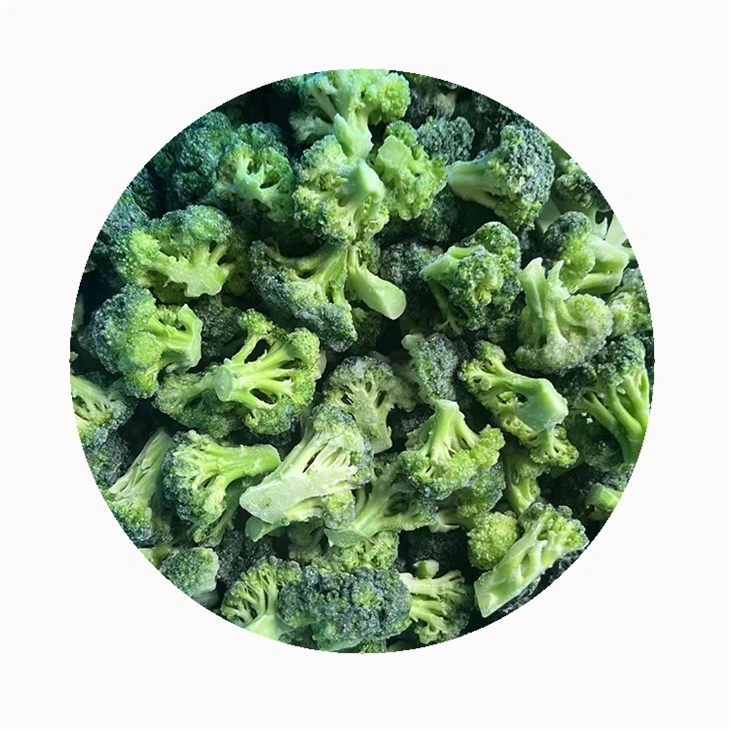
Representative Scenario 1: Test a Household Breakfast Routine
Representative scenario - Worked example: Decision function - individual routine adjustment. An adult with occasional hard stool adds 70 g cooked frozen broccoli to lunch on five days during a seven-day record. The USDA basis estimates about 2.1 g fiber from each serving. Breakfast, medication, and evening meal remain stable.
On day one, an urge occurs fifteen minutes after lunch. The record classifies it as a post-meal urge, not as proof that the broccoli has already passed through digestion. Across the week, bowel movements occur on five days rather than the usual three, with softer formed stool and less straining.
Mild gas appears after the two meals that also contain beans. The next review keeps the 70 g broccoli serving but separates it from a large bean portion. The household does not increase to 200 g, because the current amount already meets the practical goal. It also maintains normal fluid intake and records the breakfast-to-bathroom interval, preventing a later post-breakfast reflex from being credited to the prior day's lunch.
The result supports this person's meal routine under the recorded conditions. It does not establish broccoli as a laxative dose for others. If the record had shown persistent hard stool, pain, or no bowel movement despite broader self-care, the next action would be professional assessment rather than continuous portion escalation.

XMSD Experience 1: Trace Frozen Input to the Eaten Portion
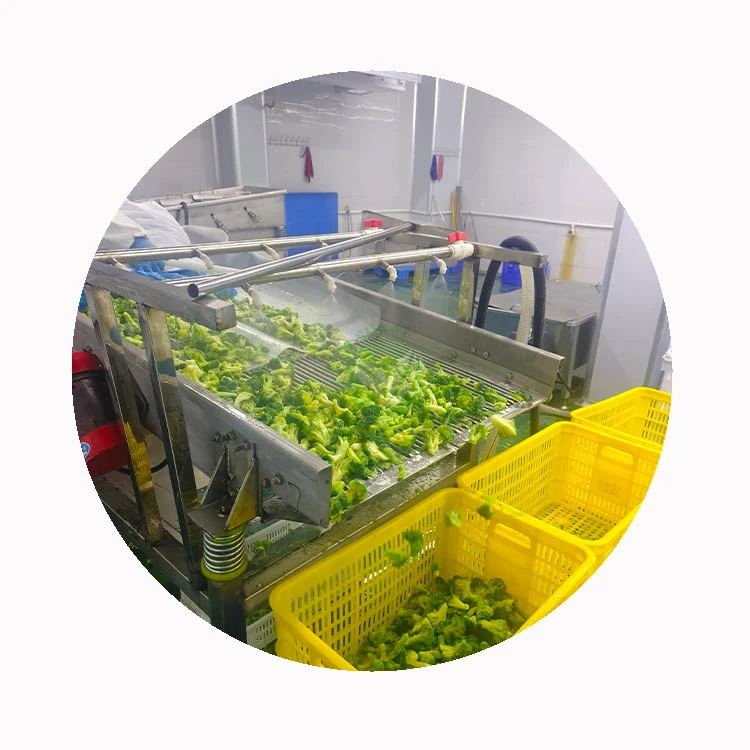
For a menu that intends to deliver a repeatable broccoli portion, we measure three stages: frozen input, cooked drained output, and plate delivery. A fiber calculation attached to 100 g frozen input is not the same as the amount consumed after cooking, draining, scooping, and plate return.
Our application check records batch load, heating time, drain interval, cooked yield, free water, five or more scoop weights, and waste. We also note crown-to-stem balance and fragments. A scoop dominated by large crowns can look generous while its actual weight varies; excess small material can reduce visual acceptance.
Suppose 8.0 kg frozen broccoli produces 6.6 kg drained output. A 75 g cooked target supports 88 theoretical servings: 6,600 ÷ 75. If the line records only 82 acceptable portions, investigate scoop variation, hold loss, spillage, and rejects before changing the nutrition statement.
The XMSD frozen broccoli range provides product forms to discuss. The working specification still needs cut, stem allowance, fragment tolerance, pack, cooking method, yield target, and portion acceptance in writing.

Representative Scenario 2: Approve a Meal-Kit Regularity Message
Representative scenario - Practical example: Decision function - finished-product communication approval. A meal-kit team develops a 350 g grain bowl with 65 g cooked broccoli, lentils, barley, onions, sauce, and seeds. A draft panel says, "Broccoli makes you go every morning."
The team removes the guaranteed timing claim. It calculates fiber for the complete recipe and serving, checks ingredient and allergen declarations, confirms preparation and destination rules, and describes the bowl factually. Broccoli cannot receive sole credit for a dish whose lentils, barley, seeds, fluid, and total energy also shape the response.
A pilot run checks broccoli distribution across twelve bowls, cooked yield, sauce pick-up, total fill, and sensory acceptance after reheating. The pack message is tied to the finished bowl rather than a raw ingredient database. Consumer feedback can monitor comfort, but it is not represented as a clinical constipation trial.
The approved decision is to communicate the ingredients and any eligible nutrient information without promising a bowel movement at a set time. This protects a useful high-fiber recipe concept from turning into an individual medical guarantee.
XMSD Experience 2: Match the Inner Pack to the Repeated Batch
Repeated menu trials become harder to interpret when an oversized liner is opened for many small draws. Surface dehydration, piece segregation, handling loss, and inconsistent scooping can change the delivered amount from one service to the next. We match pack size to batch input and record the opening pattern.
For each draw, the operation can note pack code, frozen weight, remaining quantity, storage interval after opening, separation, fragment concentration, cooked output, and serving count. This is not a bowel-health test. It is the product-control foundation that makes a menu observation repeatable.
If early portions contain more crowns and later portions more fragments, we review bag handling and segregation before changing the declared serving. The XMSD overview of frozen-food packaging formats can support pack discussion after batch size, storage, and service cadence are supplied.
A reliable serving record lets the nutrition, menu, and feedback teams discuss the same portion. Without it, "broccoli worked" may describe three different amounts across three days, and neither a positive nor negative bowel report can be interpreted cleanly.
Know When the Food Trial Should Stop
Seek medical advice for constipation that persists despite ordinary self-care, begins unexpectedly, or comes with significant pain, vomiting, fever, blood, unintended weight loss, inability to pass gas, or another concerning change. New symptoms in an infant, older adult, pregnancy, or someone with a known gastrointestinal condition also deserve individualized guidance.
Watery diarrhea, repeated urgency, dehydration, or a suspected foodborne illness is not a reason to add more broccoli fiber. Stop the household experiment and address the clinical or food-safety question. A known fluid restriction, prescribed low-fiber diet, swallowing plan, or other medical instruction overrides general advice.
Broccoli can be one practical part of a bowel-supportive eating pattern. Judge it by the portion that was eaten and the multi-day response. An immediate post-meal urge, a gradual improvement in formed stool, uncomfortable gas, and persistent constipation are four different observations with four different next actions.
For a clean conclusion, write one sentence that includes the food form, cooked grams, observation period, and outcome. "Seventy grams of cooked frozen broccoli at lunch for five days coincided with softer formed stool and less straining" is useful. It remains a personal observation, but it can guide the next meal decision without pretending that every serving produces the same bathroom result.

XMSD sourcing note: For a repeat broccoli application, share the cooked grams per serving, recipe, batch count, cut and stem range, fragment tolerance, heating and drain method, cooked-yield target, inner-pack need, storage pattern, destination, and proposed nutrition wording. We can align the sample and specification with those inputs.
References
- NCBI Bookshelf: Physiology of the gastrocolic reflex
- NCBI Bookshelf: Physiology of defecation
- NIDDK: Eating, diet, and nutrition for constipation
- NIDDK: Constipation treatment and bowel training
- USDA SR28 vegetable composition tables
- Controlled vegetable and whole-grain powder trial in young adults with constipation
- Broccoli-sprout bowel-habit intervention study
- XMSD operational experience with frozen-to-cooked yield, portion sampling, cut distribution, pack opening, and repeated-batch records.