


Pumpkin Preparation Guide: Whole, Frozen, Pureed, and Seed Uses
Nov 14, 2019

Pumpkin flesh is normally cooked before eating. You can roast wedges or cubes, steam or simmer pieces, mash the softened flesh, blend it into soup or puree, or add prepared frozen dice directly to a cooked dish when the pack instructions and recipe allow. Cleaned seeds can be roasted separately.
The best route depends on form and result. Whole pumpkin gives control over roasting and seed recovery but creates cutting and trim work. Frozen dice reduce preparation and support portioning. Puree suits bakery, fillings and smooth soup. Skin-on chunks provide a rustic appearance only when the rind becomes acceptable under the chosen cook.
Treat every route as food preparation, not decoration. Start with an edible, sound pumpkin or a food-grade processed pack. Wash whole fruit before cutting, keep utensils and hands clean, remove damaged or moldy material, cook with a defined method, and control time and temperature after preparation.
Choose by outcome: roast for browned pieces, steam for a cleaner moist flavor, simmer for soup integration, puree for a smooth base, and use frozen dice for repeatable issue and reduced trim. Verify tenderness, water release and yield in the actual recipe.

Start with an Edible Product in Sound Condition
Cooking pumpkins, pie or sugar types and many winter-squash types are selected for flesh quality. Large carving pumpkins can be edible when sound and handled as food, but they may have thinner or stringier flesh. Our pumpkin type-selection guide separates carving, cooking, processing and frozen forms by end use.
Choose whole fruit with a firm rind and no soft decay, leaking breaks or extensive mold. A cosmetic scar can be different from active deterioration, but cut fruit exposes internal flesh and needs a stricter condition check. If odor, texture or interior color is abnormal, discard the affected food according to your safety procedure.
Do not use a pumpkin that has been painted, treated with non-food-safe decoration, displayed outdoors for an uncontrolled period or carved and left at ambient conditions. The fact that it began as edible produce does not preserve food suitability after decorative use.
For frozen product, check the product name, ingredient statement, pack integrity, date or lot code, storage instructions and frozen condition. Surface frost, clumping, torn bags or temperature abuse may signal handling problems that need investigation before use.
Prepare Whole Pumpkin Safely
Rinse the exterior under clean running water and scrub away soil before the knife crosses the rind. Dry the fruit so it is easier to control. Use a stable cutting board, a suitable sharp knife and a method appropriate to the pumpkin's size. A large hard fruit may be safer to portion with trained staff and commercial equipment.
Cut the pumpkin, remove the stem area where needed, and scoop out seeds and fibrous cavity material. Decide whether to peel before cooking or after softening. Peeling raw provides clean cubes; roasting halves or wedges and removing softened flesh can reduce difficult knife work for puree.
Keep raw preparation separate from ready-to-eat foods. Clean and sanitize food-contact surfaces under the kitchen's procedure. Once cut, move the pumpkin into the next controlled step rather than leaving trays at room temperature while other work continues.
If you save seeds, place them in a separate clean container. Rinse away attached pulp, drain and dry them before seasoning and roasting. Seed cooking time depends on size, moisture, layer depth and oven; use a tested recipe and watch the late stage closely because browned seeds can move to burnt quickly.

Roast for Browning and Piece Identity
Roasting removes surface moisture, encourages browning and concentrates flavor. Wedges or cubes need enough space for hot air to reach them; crowded trays trap steam and soften surfaces. Oil, salt and seasoning change the finished food, so include them in nutrition, allergen and recipe records where required.
Piece size controls time. Small cubes cook quickly and can lose edges; large wedges take longer and can brown outside before the center reaches the intended softness. Set a target such as fork tenderness, core temperature where required, edge retention and color instead of relying on one universal minute count.
Purdue Extension gives a home method for baking cut pumpkin face down at 350°F until tender, with a broad time range reflecting size. In a commercial kitchen, validate the actual oven, tray load, cut and batch. Record start weight, accepted cooked weight and hold result.
Roasted pumpkin can be served as a side, folded into grain bowls, added to salad after safe cooling, or mashed. If pieces will later enter soup, stop the roast at the texture that survives the second heat.
Steam or Simmer for Moist Applications
Steaming softens pumpkin without immersing it in a large volume of water. It suits puree or mash when a browned flavor is not wanted. Even pieces promote even cooking. Drain or rest the cooked flesh before blending if free water would thin the formulation.
Simmering integrates pumpkin with stock, curry, stew or sauce. Add the pieces at a point that matches their size and desired final texture. Continuous boiling and aggressive stirring can break soft flesh. For visible dice, use gentler movement and test after the full service hold.
Water is an ingredient decision. A drained side dish, a soup and a puree use released water differently. Measure the final batch mass or volume and the accepted pumpkin contribution. Otherwise a wetter lot can quietly change portion yield, viscosity and seasoning.
For foodservice, standardize ladle or scoop, kettle fill, cook time and hold. A recipe that works in a five-liter test may behave differently in a deep production kettle because heating and agitation change.

Turn Cooked Flesh into Mash or Puree
Mash keeps some texture; puree aims for a smooth, uniform base. After roasting, steaming or simmering, remove any rind intended to be excluded and blend or process the accepted flesh. A food mill or sieve can reduce fibers for applications that require a finer finish.
Control water before adding recipe liquids. Pumpkin varieties and lots differ in moisture. A thin puree can change pie set, bread batter, filling deposition or soup solids. Record whether the puree was drained, concentrated or diluted and define the accepted consistency.
Plain puree and pie filling are different products. Pie filling can include sugar, spice and other ingredients. When a formula asks for plain pumpkin puree, substituting a seasoned or sweetened mix changes flavor, nutrition and possibly allergens.
Cool cooked puree under an established food-safety procedure if it is not used immediately. Divide large volumes into suitable containers or use approved rapid-cooling equipment. Label and refrigerate or freeze within the operating controls for the facility.
Build Flavor Around the Pumpkin Form
Pumpkin has a mild sweet-earthy base, so the cooking method determines how much seasoning it can carry. Roasted pieces pair with salt, pepper, cumin, paprika, garlic, sage, rosemary or chili because dry heat creates concentrated edges. Steamed flesh stays gentler and benefits from finishing fat, acid, herbs or a seasoned sauce after cooking.
For soup, build the flavor in layers. Aromatics and spices can be cooked before stock and pumpkin are added. Decide whether the pumpkin should remain visible or become the body of the soup. A clear broth needs pieces that hold; a creamy soup can use softer cuts or puree. Dairy, coconut, nuts, gluten-containing thickeners and garnishes must be controlled as recipe ingredients and allergens where applicable.
Sweet applications use many of the same pumpkin forms but a different formula. Puree can enter bread, muffins, pie, custard or filling. Record sugar, fat, spice, flour, egg and dairy separately rather than treating the final dessert as nutritionally equivalent to plain pumpkin. If a puree already contains seasoning or sweetener, reformulate instead of adding it as though it were plain.
Texture should decide the garnish. Roasted seeds add crunch to soup or salad only when they are dry and crisp. Soft cheese, yogurt or herb oil can contrast with roasted pumpkin. In a large foodservice program, portion the garnish by weight or utensil so flavor, cost and allergen communication remain consistent.
Run a small seasoning test on the approved pumpkin lot. Natural sweetness, water and fiber vary, so a formula that balanced one lot may taste flat or over-spiced with another. Record salt, spice, acid and fat on the finished-batch basis, then confirm after the full hold or cooling step.
This approach keeps "how to eat it" practical: choose the target piece or puree first, apply a cooking method that delivers it, and season the finished pumpkin rather than asking seasoning to hide unsuitable texture or excess water.
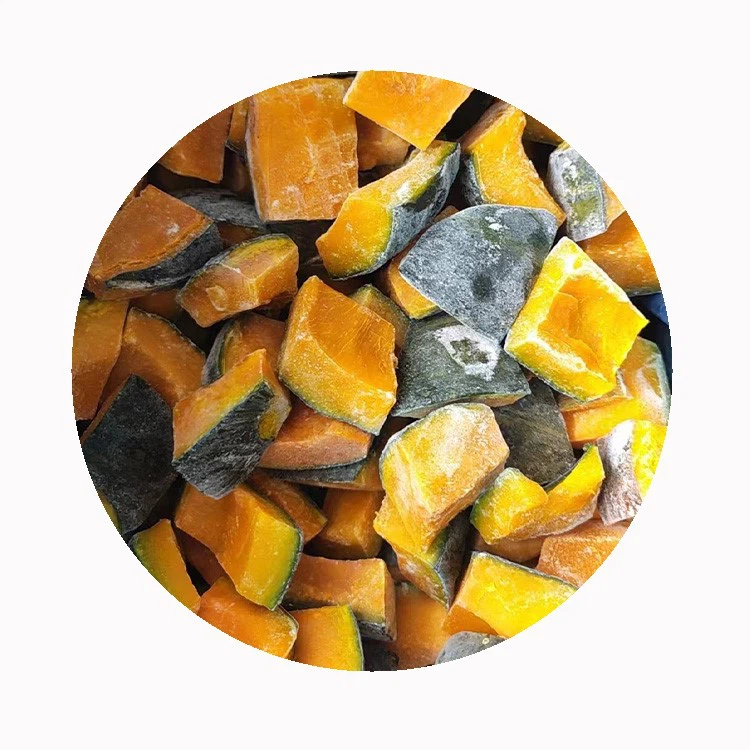
Use Frozen Pumpkin with a Defined Route
Frozen dice often work directly from frozen in soups, curries, stews and other cooked dishes. Direct addition reduces handling and can protect piece identity. The recipe must account for the frozen load, extra heating demand and any water released.
If the product or recipe requires thawing, use controlled refrigerated thawing, cold running water where the safety plan permits, or an immediate-cook microwave route for suitable small quantities. USDA safety guidance warns against thawing foods on the counter, outdoors or in other uncontrolled locations.
Do not refreeze or hold a thawed product by habit. Follow the pack instructions and the facility's validated procedure. Record time, temperature and disposition when partial bags or thawed remainders can occur.
The frozen pumpkin dice page identifies an ingredient direction. Sample the chosen cut in the real cook, because cut size, peel state, maturity and blanching condition change the result.

Representative Scenario 1: A Central-Kitchen Soup
Practical example: A central kitchen plans 900 bowls with 120 grams of accepted pumpkin pieces in each bowl. Its decision function is direct-from-frozen kettle cooking and portion consistency. The approved dice must remain visible after the full cook and service hold.
Worked example: Accepted need is 900 × 0.120 kilograms = 108 kilograms. The trial yield from frozen issue to accepted held pieces is 92 percent. Required frozen issue is 108 ÷ 0.92 = 117.39 kilograms. With 10-kilogram inner bags, the production issue is twelve bags, and the recipe accounts for the small planned remainder.
The kitchen adds pumpkin at the validated stage, records kettle temperature and time, then checks early, middle and late service portions. If later bowls contain fewer intact pieces, the team investigates hold time, agitation, ladle practice and cut condition before increasing issue weight.
The result is a cooking route tied to accepted bowl output. The foodservice supply route is most useful when portion, equipment, hold and pack requirements are included in the brief.
Representative Scenario 2: A Bakery Puree Program
Application example: A bakery needs plain pumpkin puree for 3,200 muffins, at 55 grams accepted puree per muffin. Its decision function is smooth-puree yield and batter consistency. The bakery compares prepared frozen pieces with a plain commercial puree.
Accepted puree requirement is 3,200 × 0.055 kilograms = 176 kilograms. A trial of frozen pieces yields 89 percent accepted smooth puree after cooking, draining and sieving. Frozen input is 176 ÷ 0.89 = 197.75 kilograms. This quantity then fits the selected bag size and daily mixer schedule.
The bakery checks puree solids or agreed consistency, color, fiber and batter response. If the frozen-derived puree requires extra draining or creates variable deposit weight, the ready puree may be operationally stronger even at a different purchase price.
This decision is different from Scenario 1. Piece integrity is irrelevant; smoothness, moisture control and mixer repeatability decide the route.

XMSD Experience: Match Cut to Heat and Hold
When we review frozen pumpkin, we ask where the piece should end, not only where it begins. A clean 20-millimeter cube can soften into a rounded fragment after kettle agitation. A smaller piece can be ideal for mash yet disappear from a visible vegetable soup.
We compare the frozen cut, then repeat the buyer's heating sequence, mixing and hold. We record accepted texture, piece survival, water release and usable yield. The deciding sample remains connected to the crop identity and production lot.
For puree, we shift the test. We look at breakdown, fiber, smoothness, color and separation rather than edge retention. That prevents one generic "good pumpkin" verdict from being applied to incompatible foods.
A change in cut, peel state, maturity or cooking system reopens the relevant test. The recipe controls the decision.
XMSD Experience: Design the Pack Around Use
We translate recipe issue into inner-bag quantity. A 10-kilogram bag may fit a kettle batch and create waste in a small restaurant. Smaller bags reduce remainder handling but increase unit count, seals and packing cost. The pack needs to fit the operation rather than a generic preference.
Carton code, bag integrity and frozen condition protect that plan. Our frozen packaging overview shows how inner pack, carton and handling connect to product condition.
At receipt, separate pack and condition checks from the cook test. Verify coding, damage, temperature information, frost and clumps, then test the recipe. A bag can arrive intact while the cut fails the application, or the approved cut can be compromised by poor handling.
Keep both results with the lot. This turns preparation guidance into repeatable production and delivery control.

Preserve Pumpkin with a Tested Method
Pumpkin is a low-acid food. Home canning guidance requires a pressure-canning process for cubed pumpkin; mashed or pureed pumpkin is not handled by simply copying the cube process. Use a current tested recipe from the National Center for Home Food Preservation or a university Extension source and follow jar size, preparation, pressure, time and altitude instructions exactly.
For freezing, cook and puree or prepare pieces under a tested household method, cool promptly, package in freezer-suitable containers with headspace as appropriate, label and freeze. Commercial products follow their validated process and shelf-life system rather than household timings.
Do not let a desire to reduce waste override safety. Material from an uncontrolled display, moldy fruit, unknown ornamental gourds or intensely bitter squash should not be rescued into soup or puree.
Choose the Eating Route in Four Decisions
First, confirm edible identity and sound condition. Second, choose the intended texture: browned piece, moist cube, mash, puree or roasted seed. Third, select the form and cooking method that reaches that texture with acceptable yield. Fourth, control cooling, holding, packing and leftovers.
For a household, this can be as simple as roasting a sound cooking pumpkin and blending the flesh. For a food business, the same logic becomes a specification, line trial, portion calculation and receiving plan.
Write down the result that matters before you cook: intact pieces per portion, kilograms of smooth puree, or crisp seed servings. After the batch, record accepted output, waste and any texture or water problem. That small ledger reveals whether the next batch needs a different cut, method, issue weight or pack.
The useful question is not merely whether pumpkin can be eaten. It is which edible form gives the required taste, texture, handling and accepted kilograms under the real recipe, equipment, staffing pattern and service schedule.
XMSD sourcing note: Share the pumpkin dish, cut, peel state, cooking and hold conditions, batch size, yield basis, inner pack and destination. We can review a frozen form against the intended preparation.
References
- Purdue Extension FoodLink: Pumpkin selection, preparation and food safety
- University of Wyoming Extension: Cooking pumpkin and preparing puree
- University of Connecticut Extension: Roasting pumpkin seeds
- USDA FSIS: Freezing, thawing and food safety
- Iowa State University Extension: Preserving pumpkin safely
- XMSD operational perspective on pumpkin form, cut, cooking and hold, usable yield, packing, cold-chain receipt and lot approval.