


Frozen Vegetable Cut-Size Inspection: Sieve, Fines and Lot Acceptance
Aug 22, 2026

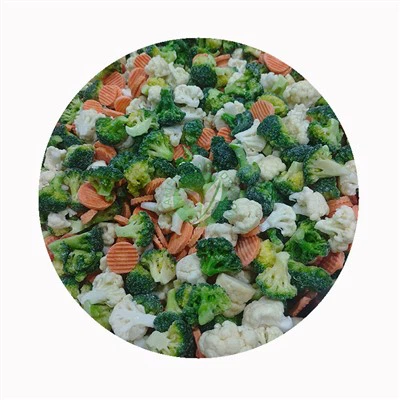
A frozen vegetable cut-size test should report a distribution, not a single attractive measurement. Keep the sample frozen, define oversize, target size, undersize and fines before testing, select the right method for the product geometry, then calculate each fraction on the written mass or count basis. The result must connect to a lot rule and to the process that will dose, cook or display the pieces.
A label such as 10 × 10 mm carrot dice is a nominal style. It does not prove that every cube has three perfect 10 mm edges. Agricultural shape, trimming, cutting, freezing and handling create a distribution. The useful commercial question is how much product falls inside the approved band, how fines and broken pieces are classified, and whether the remaining variation changes fill, heat transfer, yield or appearance.
We recommend locking the method at sample approval. State whether pieces are measured individually, separated through defined screens, or sorted by a validated image system; whether results are by mass or count; how clumps are treated; and how many packs and cases represent the lot. Our frozen vegetable range shows why one tool cannot measure carrot dice, cut beans, broccoli florets, peas and mixed vegetables in exactly the same way.
The short answer: Define the target band and defect fractions first, take a representative frozen sample, use a geometry-appropriate measurement, reconcile every gram or counted piece, and apply the agreed lot acceptance rule without changing the denominator after seeing the result.
A Nominal Cut Is Not the Same as a Lot Distribution
Start by separating three different statements. The nominal cut names the intended style. The tolerance band defines what counts as conforming. The lot distribution shows what was actually supplied. If an order says only "10 mm dice," two inspectors can make opposite decisions: one may accept any piece near 10 mm on one face, while another may reject every irregular third dimension. A defensible specification says which dimensions are controlled and how an irregular piece is assigned.
Codex CXS 320-2015 demonstrates this product-specific approach. Its vegetable annexes define styles, size designations, sample units and tolerances differently for carrots, broccoli, cauliflower, peas, beans and other vegetables. Some provisions are by mass, others by count or number, and some styles use length, diameter or head dimensions rather than a sieve. Do not lift one annex number into an unrelated product or turn a voluntary grade reference into an order requirement without naming it in the contract.
The buyer's application may justify a tighter or looser commercial band. A visible retail vegetable blend needs balanced appearance and reliable component ratios. A diced filling may prioritize depositor clearance and thermal uniformity. A puree line may tolerate irregular pieces but control woody material and foreign matter more tightly. The product can comply with a general standard yet still be unsuitable for a specific line, so qualification needs both a physical distribution and an application trial.
Choose the Measurement Method from the Piece Geometry
A sieve is efficient only when passage through an opening represents the characteristic you care about. It works well for many kernels, small dice and fines. It can misclassify a long bean segment that passes end-first, a thin carrot slice with a large diameter, or a floret that rotates through a screen despite an oversized crown. Match the method to the product rather than forcing every sample through the same stack.
| Product geometry | Primary method | Decision risk to control |
|---|---|---|
| Dice and small regular cuts | Defined square-opening screens plus individual caliper checks | A piece may pass on one axis while another edge is too long |
| Cut green beans or strips | Length board, ruler or image measurement; separate diameter/width check | End-first screen passage hides excessive length |
| Broccoli and cauliflower florets | Crown-width and stem-length caliper or template classification | Irregular rotation and compressible branches distort sieve results |
| Peas and corn kernels | Screens, diameter class or count-based sample depending on the referenced standard | Broken kernels and defects can be mistaken for a size fraction |
| Mixed vegetables | Separate components by mass first, then apply each component method | Overall sieve weight can hide the wrong ratio or one bad component |
Individual measurement gives detailed evidence but can be slow. A sieve gives a fast mass distribution but needs a validated orientation and motion. Camera or image analysis can process more pieces, yet it must be checked against the manual reference method for color contrast, touching pieces, frost and irregular edges. If the automated result cannot be traced to a stable manual definition, speed does not make it an acceptance method.

A Repeatable Frozen Cut-Size Test
1. Lock the style, fractions and denominator
Name the vegetable, cut style, nominal size, controlled dimensions and frozen presentation. Define oversize, target size, undersize, fines, broken pieces and off-style pieces in words and numbers. State whether each result is percentage by mass, percentage by count, or pieces per stated sample mass. Fines must have a physical definition such as material passing a named opening; "small debris" is too subjective for a claim.
2. Draw unopened packs across the lot
Choose the sampling plan before opening cartons. Include multiple cases and pallet positions when the lot decision covers a shipment. End-of-run bags can contain more fines than a start-up sample; one top carton can miss that distribution. Record lot, case, pack, pallet location, sample mass and selection method. Regulatory, customer and third-party inspection plans may prescribe sample units or acceptance numbers, so identify which plan governs rather than inventing an AQL after a disagreement.
3. Keep the product frozen and separate clumps consistently
Condition all samples at the specified frozen temperature and work quickly on a cold, clean surface. Apply one written gentle separation action to friable clusters. Do not thaw one sample to make screening easier while testing another hard frozen. Frozen surface frost, clumping and brittleness can change passage and breakage. If clump condition is itself a controlled attribute, measure it separately instead of breaking fused masses until they resemble a good size distribution.
4. Sort without manufacturing new fines
Use the approved screen type, opening shape, stack order, motion, duration and load. Aggressive shaking can fracture brittle frozen vegetables and create the very fines being measured. For manual caliper work, place pieces without squeezing soft branches or frost into a smaller reading. When length and width both matter, record them separately. Caliper jaws should touch the agreed points; they should not compress the piece to force compliance.
5. Reconcile every fraction and calculate before rounding
Weigh or count oversize, target, undersize, fines and any separately controlled off-style material. Their sum should reconcile with the starting sample within the method's written balance tolerance. A large difference can indicate product loss, thaw drip, pieces left in a screen, loose ice removed without recording, or a transcription error. Calculate from unrounded values, then round only the reported result to the specified decimal place.
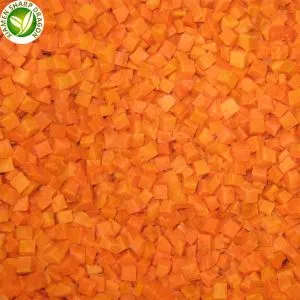
Worked example: A hypothetical 1,000 g sample of frozen carrot dice produces 74 g oversize, 849 g in the target band, 58 g undersize and 19 g fines. The fractions are 7.4%, 84.9%, 5.8% and 1.9% by mass. Suppose the approved rule requires at least 85.0% target size, no more than 8.0% oversize and no more than 2.0% fines. Oversize and fines pass, but target size fails at 84.9%. Do not round 84.9% to 85% merely to release the lot. Follow the written retest and disposition rule.
6. Check repeatability before using the method commercially
Give duplicate portions of one sample to two trained inspectors. If their category results produce different lot decisions, clarify edge cases with reference photographs, physical retain samples, a gauge or more precise wording. Repeatability does not need to mimic an advanced metrology laboratory, but it must be stable enough that supplier, receiver and third-party inspector reach the same conclusion from equivalent material.
Product Geometry Changes What "On Size" Means
Dice, slices and strips
Diced roots have three edges, while slices combine thickness with diameter or length. A thin, wide carrot coin may pass through a screen edge-first even though its visible area is oversized. Decide whether the application needs all three dice dimensions, the two largest dimensions, or passage through specified openings. Depositors and augers usually care about the maximum obstructing dimension; cooking uniformity also responds to thickness and mass.
Florets and irregular pieces
Broccoli and cauliflower require a definition of crown width, overall length, stem length, stem diameter and loose fragments when those characteristics matter. Compressing branches with caliper jaws gives a false narrow result. Use a light-contact gauge or template and train inspectors on the measurement points. A floret can meet crown width yet carry an excessive long stem, so do not collapse every geometry issue into one number.

Kernels and round pieces
Peas can be size graded, but maturity, tenderness, broken skins and defects remain separate quality attributes. Corn kernels vary naturally in orientation and shape; broken or cut kernels are not automatically an undersize class unless the specification says so. The USDA grade framework for frozen peas and carrots, for example, evaluates color, defects, character, flavor and score alongside product identity. A size pass cannot convert defective material into acceptable product.

Mixed vegetables
For a blend, first separate and weigh each declared component. Then test the applicable cut distribution within that component. A blend can show an acceptable overall particle distribution while containing too few carrots, too much corn, or oversized broccoli. Our frozen mixed vegetable ratio and cut guide covers product selection and cook compatibility; the inspection method here keeps those approved targets measurable at lot level.

Connect the Distribution to the Actual Application
A measurement earns its place only if it changes a decision. Oversize pieces can bridge a filler, protrude through a tray seal area, cook slowly or dominate a retail pack. Undersize pieces and fines can overcook, migrate to the bottom of a bulk liner, increase surface area, dilute visible identity or change sauce pickup. A narrow distribution can improve repeatability, but demanding unnecessary precision also raises sorting loss and cost.
Practical example: A hypothetical soup plant and a premium retail blend test the same broccoli lot. The soup plant chops all vegetables after cooking, and its pump accepts the largest normal floret. It can tolerate more small fragments if stem character and cooked texture remain acceptable. The retail blend displays every piece through a clear window and portions by multihead weigher; visible fines and very large florets create uneven packs. The lot may be suitable for soup yet fail the retail program. Keep two approved application specifications rather than calling one side unreasonable.
Run an application trial beside the bench distribution. Record hopper flow, fill-weight variation, blocked feeds, cook time to the required texture, breakage after mixing, component visibility and usable yield. The broader frozen vegetable quality standards guide helps keep size, defects, color, character and application performance as separate lines instead of allowing one good score to hide another failure.
Trace an Out-of-Size Result Back to the Process
Look at the pattern before choosing corrective action. A broad distribution from the beginning of a run may point to raw-material diameter, cutting setup or an unsuitable screen. A sudden step change suggests blade damage, adjustment, product changeover or an inspection setting. Fines concentrated at the end of bulk bags can reflect segregation during vibration and handling rather than a uniform production defect. Broken edges plus damaged cartons point toward physical distribution stress.
Connect the finished result to cutter setup, blade condition, feed orientation, line rate, raw size grade, inspection and rework records, freezer and dewatering condition, packing drop height, case handling and retain samples. A review of frozen carrot process controls shows why raw grading, preparation, blanching, cooling, freezing and final inspection have to be read as one evidence chain rather than blaming the cutter from a single arrival sample.
Equipment photographs do not prove lot conformity. They help you locate where washing, selection, cutting, conveying, freezing, grading and final detection occur. Review the actual processing and inspection equipment, then ask for records tied to the production date, line, specification and affected time window. If rework is permitted, define how its size distribution and traceability are controlled.
Write the Lot Rule So Another Inspector Can Use It
A complete clause names product and style, nominal size, measurement points or sieve openings, controlled fractions, frozen conditioning, separation action, sample unit, number of units, calculation basis, balance tolerance, rounding, acceptance numbers, retest, retained sample and disposition. Add reference photographs or a physical approved sample for irregular pieces, but do not let the photograph replace the numbers and method.
Distinguish a sample result from a lot decision. One sample unit can be nonconforming while the lot still passes an agreed acceptance plan, or every unit may need to comply where the contract says so. Codex annexes use product-specific defectives and acceptance logic; U.S. sampling regulations also distinguish frozen products whose units are readily separable. Use the exact destination or contract reference that applies. Do not write "AQL 6.5" without identifying the sample plan, lot size, sample units and defect definition.
Measurement uncertainty is most important near the limit. Check scale resolution, screen opening identity, damaged screens, caliper zero, frost buildup, operator classification and rounding. If a result sits one tenth of a percentage point from the limit, follow the pre-agreed guard band or retest rule instead of choosing the interpretation that favors the current commercial pressure.

Cut Size Is a Quality Attribute, Not a Safety Verdict
An out-of-size lot can disrupt heating, but cut-size inspection alone does not establish microbiological safety. Keep cooking validation, ready-to-cook or ready-to-eat identity, pathogen controls, foreign-material checks, allergens, pesticide residues and temperature evidence in their own release system. A uniform sample can still be unsafe, and an irregular sample can remain safe but commercially unsuitable.
If a size deviation could change a validated thermal process, place the affected product on hold and assess the largest and coldest-heating normal pieces under the approved food-safety process. Do not assume that extra cook time repairs every line issue. The action depends on the product, process authority, equipment and destination requirement, and the decision must be documented outside the visual grade score.
Frequently Asked Questions
Does 10 × 10 mm mean every carrot dice edge must equal 10 mm?
Not unless the specification explicitly says so, which would be impractical for agricultural pieces. Treat 10 × 10 mm as a nominal style, then write the permitted dimensions, controlled axes, distribution and method.
Should cut-size results be calculated by mass or by count?
Use the basis named by the applicable standard or commercial specification. Mass reflects material yield and fines; count can prevent large pieces from dominating a fraction. Never compare a count-based limit with a mass-based result.
Can one sieve stack test every frozen vegetable?
No. Sieve passage is useful for many small regular pieces, but long cuts, slices and irregular florets can rotate or pass in a misleading orientation. Validate the method against the geometry and application.
What evidence should accompany an out-of-size claim?
Provide lot and pack identity, sampling locations, frozen condition, test method, equipment identification, starting mass or count, all fraction results, reconciliation, calculations, photographs with scale, retained samples and the application consequence.
XMSD sourcing note: Send us your vegetable, cut, application, measurement method, tolerance bands, pack and destination. We can review the specification and sample inputs before quotation.
References
- Codex CXS 320-2015: Standard for Quick-Frozen Vegetables
- USDA AMS: United States Standards for Grades of Frozen Mixed Vegetables
- USDA AMS: Frozen Peas and Carrots Grades and Standards
- 7 CFR § 52.38: Sampling Plans and Procedures for Determining Lot Compliance
- USDA AMS: Current Frozen Vegetable Commodity Specifications and Requirements