


How to Freeze Fruit: Dry Packs, Sugar Packs and Purees
May 12, 2020

Freeze fruit in the form you expect to use: separate pieces for flexible portions, a sugar or syrup pack for a sweetened preparation, or puree for a smooth sauce or filling. Start with sound ripe fruit, prepare it hygienically, follow the fruit-specific directions for browning control, pack in freezer-suitable containers and store at 0°F, approximately −18°C, or below. Sugar is optional for freezing safety; it changes flavor and quality rather than making an unsafe fruit safe.
A tray of individual pieces and a container of fruit in syrup solve different problems. Separate pieces let you remove a small quantity. A sweetened block is convenient when the whole pack belongs in one recipe. Puree gives up the visible piece shape deliberately. Decide which of those results you need before filling the freezer, because changing the form later can add thawing, draining and handling work.
Expect some softening after thawing. A frozen berry can work well in a cooked topping without matching a fresh berry on a decorative tart. Bought frozen fruit also needs its own handling instructions: check whether it is suitable for uncooked use or requires cooking. Freezing itself is not a reliable way to destroy harmful microorganisms.

Start with the recipe and a usable fruit weight
Separate three questions before preparing a large quantity: will the fruit remain visible, will its released juice be used, and is added sweetness wanted? A cake filling, a breakfast portion and a smooth fruit sauce can use the same species in quite different ways. Choosing one format for all three may be convenient on packing day but awkward every time you make the food.
At XMSD, we would compare the fruit at the point where the recipe depends on it. A whole berry needs assessment after the intended handling if it will remain visible. Fruit for a blended base needs assessment in that base, including flavor distribution and any unwanted coarse particles. Paying for a shape that the next operation destroys is difficult to justify unless another specified attribute makes that product preferable.
Weigh fruit after the required peeling, hulling, pitting or trimming when planning usable portions. Record the incoming weight separately if you also want to understand preparation yield. A kilogram bought as whole fruit and a kilogram of prepared pieces are different planning quantities. Keeping both figures prevents a recipe shortage from being mistaken for a weighing error during packing.
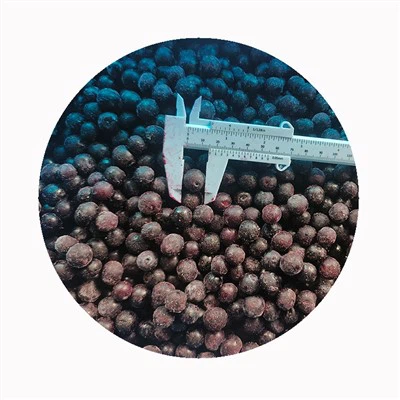
The frozen fruit range shows why form belongs beside the fruit name: whole berries, cut fruit and puree suit different handling tasks. For your own trial, write the form in the recipe rather than simply recording "fruit." Also note whether the ingredient contains added sugar or liquid, so the next person uses the same starting material.
Wash and prepare sound fruit
FDA advises washing hands before and after preparation, rinsing produce under running water before peeling or cutting, and avoiding soap or detergent on the fruit. Discard rotten produce and remove damaged areas as appropriate. Keep ready-to-use fruit and its utensils separate from raw meat, poultry and seafood. Washing helps reduce contamination, but it is not a substitute for safe sourcing and handling.
Drain washed fruit carefully and use clean utensils and containers. For delicate berries, rough handling can create broken pieces before freezing even begins. Sort for the use you intend: an intact piece and a crushed preparation have different appearance requirements, while both still need suitable sound fruit. A puree container should never become a way to hide deteriorated material.
Set out the chosen recipe, measuring equipment and packaging before preparing the fruit. If the method uses a cold syrup, have it ready. If it calls for a particular color-protection treatment, identify the exact product and dose. A preparation session becomes much easier to manage when you can move each batch directly to its next step instead of stopping with cut fruit waiting on the board.
The water-handling line below shows a preparation stage. When buying a commercial ingredient, review washing and sorting within the complete process, including the product's stated cooking or ready-to-eat use. Keep those instructions with the ingredient when it enters the kitchen.

Dry packing and tray freezing serve different portion needs
The National Center for Home Food Preservation, or NCHFP, describes a dry pack as prepared fruit placed directly in a container without sugar. For a tray pack, spread suitable prepared fruit in one layer, freeze it, then promptly transfer it to protective packaging. The tray step helps keep pieces separate for dispensing; leaving them exposed after they are frozen invites surface drying.
Dry packing does not mean drying fruit into a shelf-stable snack. The fruit still contains water and requires frozen storage. The immediate benefit of tray freezing is practical: you can remove the required quantity without thawing the entire pack.
For NCHFP's strawberry preparation, choose ripe, firm berries, remove unsuitable fruit, wash and remove the caps. Its strawberry guidance includes both sweetened methods and a link to unsweetened packs. Decide whether to leave the berries whole or prepare the form required by your recipe. Larger pieces may be less convenient to measure into a small portion even when they look attractive in a serving bowl.
Example: suppose a home cook has 1.2 kg of prepared strawberries reserved for six cooked fruit toppings. Dividing 1,200 g by six gives 200 g per topping. The cook can freeze six identified portions, or tray-freeze suitable pieces and weigh 200 g when needed. Separate packs reduce weighing at cooking time; one larger pack allows more flexibility if recipes change. The choice follows expected use, and the quantities are illustrative rather than a serving recommendation.
When choosing the larger pack, check that you can close it properly after removing fruit. A container that is convenient only on the first opening is a poor fit for repeated small withdrawals. When choosing individual packs, make their labels easy to distinguish from any sweetened version. Either approach can work if the pack format supports the way you actually cook.
What sugar and syrup change
NCHFP states that fruit can be frozen safely without sugar. Sugar helps maintain flavor, color and texture in some preparations, while sugar substitutes mainly provide sweetness and may not reproduce the same syrup body or quality effects. Choose the method for the fruit and recipe rather than assuming that the sweetest option is required for preservation.
In a sugar pack, granulated sugar is mixed with prepared fruit; in a syrup pack, a prepared cold syrup surrounds it. Those methods introduce sweetness in different physical forms. A pack intended for dessert may benefit from the accompanying liquid, whereas a recipe already containing measured liquid and sugar needs an allowance for what the fruit pack brings with it. Write additions on the label while their quantities are still known.
For a concrete home-preservation reference, NCHFP's whole-strawberry sugar pack uses ¾ cup sugar for one quart, identified as 1⅓ lb, of prepared strawberries. That is one published sweetened method, not a compulsory amount for every strawberry dish. Use its complete preparation and packing directions if selecting that method; use a published unsweetened option when that better suits the intended recipe.
The NCHFP syrup table provides several approximate concentrations. Its 40% syrup uses 2¾ cups sugar with four cups water, producing about 5⅓ cups syrup. Dissolve the sugar and chill the syrup before packing. The stated concentration describes the prepared syrup, not the sugar percentage of the completed fruit pack after fruit and syrup are combined. Follow the fruit-specific method for coverage and headspace.
This distinction matters in a kitchen costing or formulation sheet. "Fruit in 40% syrup" and "40% sugar in the product" are different statements. A commercial recipe developer needs the ingredient composition of the product being purchased, including fruit and packing medium, rather than a number borrowed from a household syrup table. Keep reference recipes and supplied ingredient specifications in separate fields.
Prevent browning with the correct fruit-specific method
Browning control is particularly relevant to pale cut fruit. NCHFP identifies ascorbic acid and appropriate mixtures as options, with lemon juice or citric acid sometimes used but generally less effective. Select a tested method for the particular fruit and pack. An unspecified sprinkle of vitamin powder or a splash of juice provides no repeatable dose for the next batch.
Peaches show why the measurement basis matters. In NCHFP's peach sugar-pack instructions, 750 mg of ascorbic acid is dissolved in three tablespoons of cold water for each quart of prepared fruit. Its peach syrup-pack instructions instead specify 1,500 mg per quart of syrup. These are different methods and denominators. Choose one complete method; do not combine the amount from one with the fruit quantity from the other.
Check the powder before measuring it. Pure ascorbic acid and a commercial mixture can have different compositions, so their spoon measures are not automatically interchangeable. Follow the relevant product directions and keep the label with the preparation record.
Color is only one part of the result. Check the prepared fruit in the intended dish for appearance, taste and texture. A treatment selected to limit browning should fit the recipe you are making. If the fruit will become a cooked sauce, the desired appearance may differ from pale slices displayed in a dessert. Keep the purpose specific instead of treating the palest possible fruit as the universal objective.

Puree when a smooth ingredient is the intended result
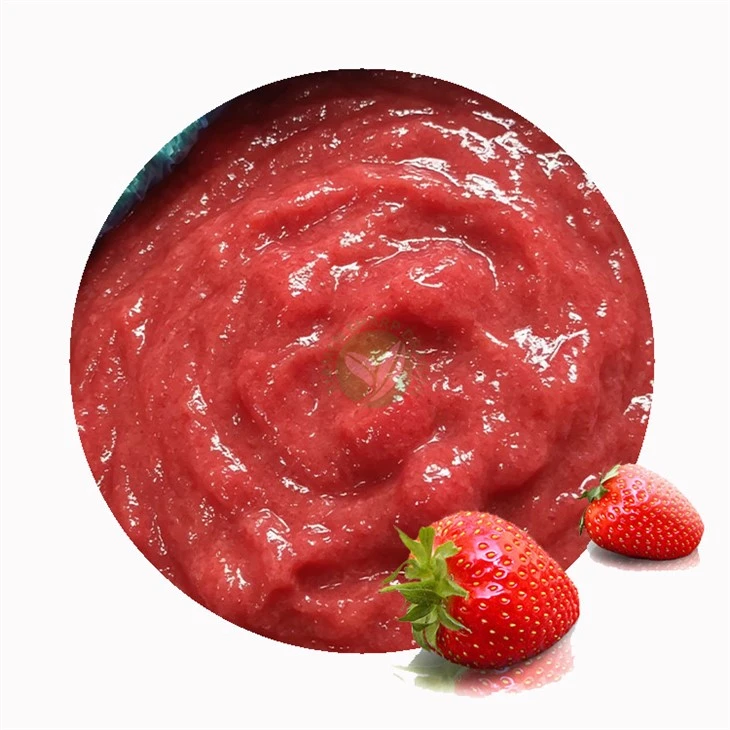
Pureeing is a deliberate form choice. It can make sense for a sauce, filling or other preparation where visible whole pieces are unnecessary. Prepare sound fruit according to the selected fruit-freezing method, then crush, mash or blend as directed and pack with the required expansion space. The University of Minnesota describes small containers or suitable trays as ways to portion puree for later use.
For a purchased ingredient such as frozen strawberry puree, read the ingredient and treatment information alongside the form. "Puree" alone leaves questions about seeds, added sugar, concentration and intended use. Those characteristics can change how a sauce looks, how it mixes and how much additional liquid a recipe requires. Work from the specification for the actual proposed product.
We would test a puree with the mixing equipment and recipe that will use it. A spoonful on its own reveals flavor and texture, but a complete trial reveals distribution, coarse particles and the appearance of the finished preparation. Keep the fruit quantity, other ingredients and mixing sequence consistent while comparing samples. That makes a difference in the result easier to trace to the ingredient.
Avoid assuming that whole pieces are always the higher-value option. If a recipe calls for a smooth fruit base, compare the effort and usable output from preparing that base with the alternative puree. Conversely, a smooth puree cannot provide visible fruit pieces where they are part of the dish. The practical comparison is the form that delivers the required result with manageable preparation.
Pack for expansion, protection and the next opening
Choose containers intended for freezing and the form of fruit involved. Liquid-containing packs require the prescribed headspace, and closures need to remain sound. NCHFP's packaging guidance emphasizes meal-sized amounts, minimal unnecessary air and clear identification. Keep the sealing edge clean, label the fruit and added ingredients, and record the amount and packing date before moving the pack to storage.
A compact block may be easy to stack yet awkward when you need a small quantity. Separate pieces offer flexibility, while a measured puree portion can simplify a repeated recipe. Compare these handling consequences along with material choice. For a commercial project, the frozen-food packaging options are a useful starting point for discussing the filled pack and its use, including opening, dispensing and storage.
Give new packs space for cold air to circulate and respect the freezer manufacturer's fresh-load guidance. NCHFP advises freezing only the quantity that can freeze within 24 hours, commonly around 2–3 lb per cubic foot of home-freezer storage space. This is a household loading guide. Industrial throughput needs its own product and equipment assessment rather than an extension of that domestic figure.
Maintain 0°F, approximately −18°C, or below, checked with a thermometer. NCHFP gives an 8–12-month quality range for properly prepared and packed fruit stored continuously at the stated temperature. Bought frozen ingredients have their own labeled storage and shelf-life instructions. Place older identified packs where they will be used first, and keep a simple record of what remains instead of judging age from frost or appearance.

Thaw for the dish and keep the liquid in your calculation
Refrigerator thawing offers a controlled way to prepare fruit for use. NCHFP gives six to eight hours as a guide for a one-pound syrup-packed fruit package, while other pack forms and sizes behave differently. Treat that as a planning reference for the stated pack, then assess the actual condition required for the recipe. Follow purchased-product instructions, including any requirement to cook before eating.
NCHFP notes that frozen fruit can release more juice than a fresh-fruit baking recipe expects. Decide deliberately whether the recipe uses that liquid. If a filling requires draining, record the drained amount; if a sauce uses everything, retain that basis consistently. Randomly discarding liquid in one trial and retaining it in another creates a formulation change before any other ingredient has been adjusted.
Example: a hypothetical bakery thaws a 2 kg plain fruit sample under its established procedure and measures 1.7 kg of fruit after its defined draining step. The usable drained fraction for that trial is 1.7 ÷ 2.0 = 85%. At 50 g drained fruit per pastry, the sample provides 34 portions. A recipe that incorporates all the fruit and juice would use a different basis, so the 85% figure belongs only to this stated draining trial.
The baker can now compare cost per usable drained kilogram or revise the recipe to use the juice, if a kitchen trial supports that change. Buying extra based on an assumed universal "thaw loss" would hide the real question: what does this application keep? Repeat the same draining procedure when assessing another sample, and preserve the time, equipment and weighing notes with the result.
For foodservice and catering use, define the condition needed at service as well as during preparation. A fruit topping and a baked filling have different holding and appearance requirements. Observe the dish when it is actually ready to serve. That connects ingredient selection to kitchen performance and avoids approving a sample only because it looked attractive while still frozen.
Make the chosen method easy to repeat
Keep one short preparation record with the fruit form, packing method, additions, portion size, date and intended recipe. In a home kitchen, this helps you repeat a useful batch. In a commercial setting, connect the corresponding details to the ingredient specification, lot and application trial. Record observations in plain terms: pieces separated easily, draining produced a measured amount, or the finished sauce contained unwanted coarse material.
When comparing frozen ingredients, use the same evaluation method and state what changed. A different cut, added syrup or a new thawing procedure can alter the result even when the fruit species is unchanged. Resolve those differences before drawing a conclusion about supply quality. Our explanation of freezing methods and product form gives further context for separating process names from the food you need to handle.
The best freezing method is the one that leaves you with usable fruit for the intended dish. Choose the form first, follow the appropriate preparation, protect the portions and evaluate them on a clear recipe basis. The method then becomes something you can repeat, adjust for a defined reason and explain to the next person using the pack.

Send your fruit, required form, recipe application and preferred portion or pack through the XMSD inquiry form. Include whether the process uses whole pieces, drained fruit or all the fruit and juice so we can discuss the relevant product information.
References
- NCHFP: Fruit freezing questions
- NCHFP: Dry or tray packing for fruits
- NCHFP: Freezing strawberries
- NCHFP: Syrups for freezing fruits
- NCHFP: Peaches or nectarines
- NCHFP: Packaging and labeling foods
- NCHFP: Freezing pointers
- NCHFP: Frozen food storage
- NCHFP: Thawing and serving
- University of Minnesota Extension: Freezing fruit safely
- FDA: Cleaning fruits and vegetables
- FDA: Selecting and serving produce safely