


How to Freeze Vegetables: Blanching, Cooling and Packing
May 12, 2020

To freeze fresh vegetables at home, start with sound produce, wash and prepare it, use the vegetable-specific blanching treatment, cool promptly, drain, pack in suitable freezer containers and freeze without overloading the appliance. Store at 0°F, approximately −18°C, or below. Most vegetables need blanching before freezing; sweet peppers are one useful exception. Already commercially frozen vegetables should be handled according to their package instructions rather than put through this preparation sequence again.
The important detail is the combination of vegetable, cut and method. A small whole carrot and a thin carrot slice do not have the same blanching time. Boiling-water and steam instructions are also different. Guessing that a vegetable is "half cooked" gives you no repeatable starting point for the next batch. Use a published preservation method and a timer, with the cooling water and packaging ready before heating begins.
Freezing preserves food; it does not restore freshness or make contaminated vegetables safe. It also changes texture. Plan to use many frozen vegetables in cooked dishes rather than expect the crispness of a raw salad. The practical goal is a portion that keeps well and performs in the meal you intend to make.

Choose the cut for the meal before starting
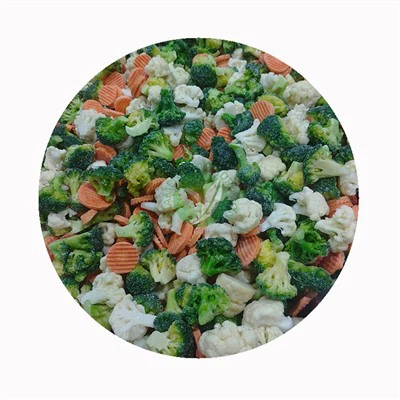
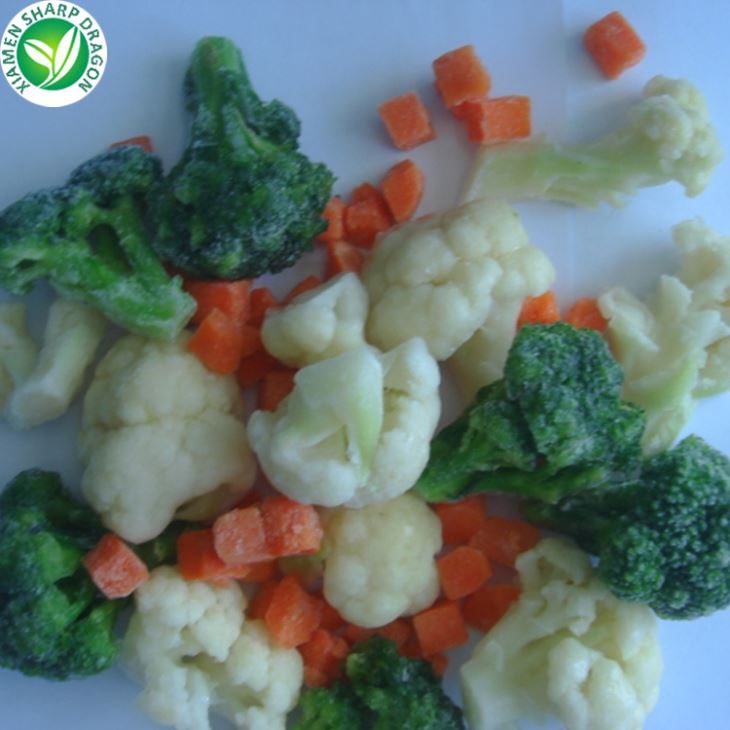
Begin with the finished dish. Broccoli for a side dish needs recognizable florets, while a blended vegetable soup can accommodate smaller pieces. Carrots for a mixed side dish should be prepared to a reasonably consistent size. Keeping a few large pieces among many thin ones makes both preparation and later cooking harder to repeat. This is a reason to sort and cut carefully, not a reason to invent a new blanching time for an unusual shape.
Freezing is a poor rescue plan for vegetables that have already deteriorated. Remove unsuitable material during preparation and use the sound portion promptly. Record the prepared weight if you are dividing a large purchase into several batches. Weigh the trimmed food separately: that is the quantity going into the blanching basket and later into freezer packs.
At XMSD, our first question about a vegetable cut is what happens to it in the kitchen. A large floret can look attractive in a sample tray but be inconvenient in a small ready-meal compartment. A fine cut may suit soup yet disappear visually in a mixed side dish. We would compare samples in the intended recipe before treating a photograph or a nominal size description as an acceptance decision.
Compare the cuts in the vegetable and fruit product range with the size and shape your meal requires. Keep the cut, intended cooking method and portion format together in your notes. That small amount of preparation makes it easier to identify why one trial works and another does not.
Match blanching time to the vegetable
Blanching briefly exposes prepared vegetables to boiling water or steam before cooling. Its main preservation purpose is to control enzymes that can damage stored quality. Too little heating and too much heating are both undesirable. The National Center for Home Food Preservation, or NCHFP, provides separate directions by vegetable; those directions are more useful than a universal instruction to boil everything until partly tender.
The comparison below gives selected NCHFP home-freezing instructions. These are not commercial blancher settings. Each time belongs to the preparation in its row, and the complete source directions still govern washing, cooling and packing. Do not combine several rows in one pot simply because the vegetables will eventually share a freezer bag.
| Prepared vegetable | Boiling-water time | Relevant preparation |
|---|---|---|
| Broccoli | 3 minutes | Flowerets about 1.5 inches across or smaller; steam alternative: 5 minutes |
| Carrots | 2 or 5 minutes | Thin slices, 0.25-inch cubes or strips: 2; small whole carrots: 5 |
| Green peas | 1.5 minutes | Young tender peas, shelled and washed |
| Sweet peppers, heated method | 2 or 3 minutes | Strips or rings: 2; halves: 3; raw freezing is a separate option |
For broccoli, the NCHFP preparation limits the prepared flowerets to about 1½ inches across. Its three-minute boiling-water treatment and five-minute steam treatment are alternatives, not two stages to carry out consecutively. If the pieces in your bowl are substantially larger, correct the preparation rather than assume that the table applies unchanged. A ruler beside the cutting board can be more helpful than judging every floret by eye.
Carrots make the size issue particularly clear. NCHFP gives five minutes for small whole carrots, compared with two minutes for thin slices, ¼-inch cubes or lengthwise strips. That difference is large enough to matter when choosing how to prepare a batch. Select one supported form, cut consistently, and keep the corresponding instructions with it. "Carrot pieces" is too vague to reproduce the method later.
Green peas have a different preparation and a shorter treatment: shell and wash young, tender peas, then use the specified 1½-minute water blanch. Mature, starchy peas do not become young and tender through freezing. When choosing produce, think about the quality you want to retain rather than expecting the freezer to improve an unsuitable raw material.

Sweet peppers demonstrate why "all vegetables must be blanched" is too broad. NCHFP permits freezing them raw, and also describes a heated preparation for peppers intended mainly for cooking. For the heated option, halves receive three minutes and strips or rings two minutes. Keep the raw and heated methods distinct, including their packing instructions. An exception for sweet peppers is not permission to omit blanching from every vegetable.
Control the batch, then cool and drain
For boiling-water blanching, NCHFP specifies approximately one US gallon of water for each pound of prepared vegetables. The water should return to a boil within one minute after adding the food; start the stated blanching time when boiling returns. If recovery is slower, reduce the next load. A smaller, repeatable load makes the heating step easier to control.
Set up the cooling step first. Cool promptly after blanching, using cold water or ice water, and then drain thoroughly. NCHFP advises roughly the same cooling duration as the blanching duration. Have a clean colander, freezer packaging and sufficient cooling capacity within reach. Finishing the hot step and only then looking for a suitable bowl leaves an avoidable gap in the sequence.
Draining should remove loose surface water without crushing the food. A general instruction to squeeze every vegetable is unsuitable for fragile florets or peas. Keep the piece shape required by the meal. If you are preparing leafy vegetables, use the specific directions for that vegetable rather than transplanting the broccoli method. Preparation instructions should travel with the food, not with whichever tool happens to be on the counter.
Example: suppose a home cook has 2 lb of prepared broccoli and a setup suitable for the NCHFP one-pound blanching load. The cook divides the broccoli into two 1 lb batches, uses the specified water quantity for each load and checks that boiling recovers promptly. The cook prepares cooling water for each batch and labels both portions with the preparation date. Splitting the work keeps each load manageable and makes the two portions easier to compare at cooking.
Keep a short note when a batch disappoints: vegetable, cut, prepared load, method, timing start, cooling and final use. "Too soft" alone is difficult to investigate. A note that the batch contained mixed sizes and waited hot while bags were found suggests specific changes for the next attempt. Change the weak step while keeping the rest of the procedure consistent, so the comparison remains useful.
Pack in portions you can actually use
Choose packaging intended for freezing, with a sound closure and protection against moisture loss. NCHFP recommends meal-sized quantities and clear labels identifying the food, form, amount and date. Keep sealing surfaces clean. A bag that closes properly while empty may not close properly when wet pieces are caught in its seal, so inspect it after filling rather than relying on the packaging name.
Headspace is food-specific. The NCHFP broccoli instructions call for no headspace, whereas its carrot and green-pea instructions specify ½ inch. Follow the relevant method instead of applying a single empty-space rule to every container. There is a difference between allowing the prescribed expansion space and leaving unnecessary air around a poorly filled pack.
The University of Minnesota describes tray freezing as a way to freeze pieces separately before packing, making smaller quantities easier to remove later. Bulk packing creates a block. Choose between these forms according to use: a whole portion destined for one pot does not need the same dispensing convenience as peas added a handful at a time. Whichever approach you use, complete the protective packing step rather than leaving food exposed indefinitely.
For a commercial buyer, pack size should follow kitchen consumption and handling. A large bag can reduce the number of packs handled, but it may require repeated opening if a kitchen uses only a little at each service. Small packs create more packaging to handle yet can make portion control easier. We would compare those consequences using the kitchen's actual usage pattern before making a pack-size recommendation. The frozen packaging discussion provides a starting point for reviewing protection and format together.

Give the freezer time and space
A freezer's storage volume is not the same as its ability to freeze a new load quickly. Follow the appliance manufacturer's loading guidance. NCHFP gives a general home-freezer guide of about 2–3 lb of new food per cubic foot of storage space over 24 hours, while emphasizing that the load must freeze within that period. This is household guidance, not a production-capacity calculation for an industrial freezing line.
Leave space around new packages for cold air circulation and avoid immediately building a dense stack of unfrozen food. Once frozen, packages can be arranged for storage. Label visibility matters here: if dates disappear behind a tightly packed pile, it becomes difficult to use the oldest food first. A simple inventory on the freezer door can prevent good portions from becoming forgotten portions.
Use a thermometer to assess the storage temperature rather than interpreting a numbered appliance dial as a temperature measurement. Maintain 0°F, approximately −18°C, or colder. NCHFP describes an 8–12-month quality range for properly prepared and packaged fruits and vegetables stored continuously under the stated conditions. That is a home-storage quality guide, not an expiry date to copy onto a commercial product. For purchased frozen food, follow its own storage and date instructions.
The calendar cannot explain every quality problem. Check how a package was sealed and stored, and whether the intended use was realistic. A dry exposed surface points to a different question from a whole frozen block that cannot be portioned conveniently. Keep food-safety decisions separate: neither a pleasant appearance nor a long remaining date establishes that temperature control was maintained.
Expect a cooked texture, and follow cooking instructions
The University of Minnesota explains that ice formation can damage plant cell walls, making thawed produce softer. This matters most when the desired result is raw crispness. Lettuce intended for a fresh salad is a poor match, while a vegetable used in soup has a different texture requirement. Freezing changes the starting ingredient, so judge it in the intended dish rather than against an unrelated raw preparation.
Blanching before freezing is not a universal final-cooking instruction. If you buy frozen vegetables, follow the package preparation directions and any stated requirement to cook. Do not assume that the words "frozen," "washed" or "blanched" mean ready to eat. Freezing does not reliably eliminate harmful bacteria, and handling after removal from the freezer still matters. A product's intended use should be clear before it is assigned to an uncooked application.
For a kitchen trial, record the cooking method, batch quantity and result at the time food will actually be served. Compare piece integrity, tenderness and water remaining in the dish. Avoid changing the sauce, vegetable quantity and cooking equipment all at once when assessing two samples; the result would not tell you which ingredient caused the difference. A controlled recipe comparison is often more informative than a lengthy description of an uncooked sample.
Where household instructions stop and industrial IQF begins
Individually quick frozen vegetables are intended to be handled as separate pieces, with product quality assessed separately through cut distribution, broken pieces, clumping and cooking performance. Our overview of freezing methods explains the broader process choices. For a purchasing decision, connect the process description to the actual product form, sample and specification.
A home blanching table must not become a factory operating instruction. Industrial equipment, loading, product movement and process controls differ from a domestic pot. Ask the responsible processor for the applicable product specification and process information needed for your intended use. A treatment used for a safety function requires appropriate validation for its application.
We separate product acceptance from packaging acceptance when reviewing a vegetable requirement. The product question might be whether a floret survives a defined kitchen preparation. The packaging question might be whether a bag can be opened, portioned and closed conveniently without excessive handling. Write the observations in separate fields so a useful cooking result stays distinct from a problem opening or handling the bag.
For food processing applications, a useful trial brief includes the recipe, vegetable inclusion rate, portion size, cooking process and the attributes that matter at the end. Add proposed ingredient and packing details when available. Keep a clear distinction between supplier information, your own trial observations and requirements that remain unresolved. None should silently become a promise made by the other party.

Example: a hypothetical ready-meal developer plans 400 portions with 75 g of mixed vegetables in each. The starting requirement is 400 × 75 g = 30 kg of usable mix, before any separately established process allowance. If one proposed mix is supplied in 2.5 kg bags, that equals 12 bags for the stated quantity. These are illustrative inputs, not an XMSD pack offer or a yield guarantee.
The developer then trials the mix in the actual meal: the largest carrot pieces must fit the compartment, broccoli should remain recognizable after the chosen cooking process, and the amount dispensed must be practical for the line. The decision is whether the cut and pack combination serves that meal, rather than whether the lowest quoted price per kilogram looks attractive. The trial produces a documented acceptance or a specific revision request; no quality outcome is assumed in advance.
Record what arrives and how you assess it
For a commercial delivery, record product identity, lot, pack condition and available temperature information against the agreed receiving procedure. Use photographs to document visible damage or clumping alongside the available temperature records. Keep affected packs identifiable while the responsible quality team evaluates the findings. Do not create an improvised acceptance threshold from a household storage article.
Large clumps, torn bags or an unexpected product appearance deserve investigation against the specification and transport records. They are observations, not a complete diagnosis. Compare more than the first visible surface when the receiving procedure permits sampling, and record where observations came from. Distinguish outer-carton observations from inner-bag findings, and state how many packs the inspection covers. That lets the quality team relate each observation to its actual scope.
The same disciplined thinking improves home freezing on a smaller scale: select the intended dish, follow the vegetable-specific preparation, protect the portions and keep useful dates. For a buyer, extend that chain through product definition, an application trial and documented receiving criteria. In both cases, the strongest decision comes from matching the method to the food and the use, then checking the result where it matters.

For an XMSD vegetable requirement, send the product, cut, intended dish, target portion and preferred pack format through the inquiry form. Those details give us a practical basis for discussing suitable product information and sample requirements.