


Do Strawberries Make You Poop? Fiber, Meal Context and Tolerance
May 20, 2025

A serving of whole strawberries adds fiber to your diet. In the USDA reference, 100 g of raw strawberries provides 2.0 g of fiber. That can help you reach your daily fiber intake, and its effect on your bowel habits depends on the portion, the rest of your diet and how you respond.
If the question is whether constipation is improving, record stool form, frequency, straining and pain. If you feel urgency soon after breakfast, record the rest of the meal and the timing too. An urge after eating and a gradual change in stool form are different observations.

First Decide Whether the Pattern Is Constipation
NIDDK describes constipation through several possible signs. You might pass stool fewer than three times a week, find it hard or painful to pass, or feel that some stool remains. Record the change from your usual pattern and bring the notes to a clinician if the problem persists.
Use a simple record rather than memory alone. Note the time, stool form, whether straining occurred, pain, urgency and incomplete emptying. Record new medicines, supplements, travel, reduced activity, illness and major diet changes. These variables can move bowel function more strongly than one fruit.
A record of stool form and straining can tell you more than whether you went that day. Someone who passes hard stool most days can have a different problem from someone who passes comfortable, formed stool less frequently.
For the broader question of daily repetition, use the everyday-strawberry routine guide. This page stays with stool mechanics, constipation limits and a short bowel-response test.
Define Improvement with More Than Frequency
Frequency is only one dimension. Moving from two difficult bowel movements a week to three equally painful movements may be a small numerical change without meaningful relief. A better test records whether stool is easier to pass, whether straining falls, whether pain or bloating changes and whether emptying feels complete.
Stool form adds context. Separate hard pellets, a firm lumpy stool, a smooth formed stool and watery output in the diary. The desired direction is not "as loose as possible." Sudden watery stool, urgency or leakage can mean the portion is poorly tolerated, the full meal changed, or another cause is present.
Look across several observations rather than rewarding one dramatic event. A three- or four-day block shows whether an apparent change repeats. Note weekends, travel and unusually large meals because they can shift timing. For people who menstruate, cycle-related bowel changes may also complicate a short comparison.
The end point should match the problem. Someone with hard stool may prioritize form and straining. Someone with normal form but infrequent uncomfortable passage may track frequency and fullness. Someone with alternating constipation and diarrhea needs a clinical discussion rather than a one-direction fiber challenge. One strawberry answer is too blunt for all three patterns.
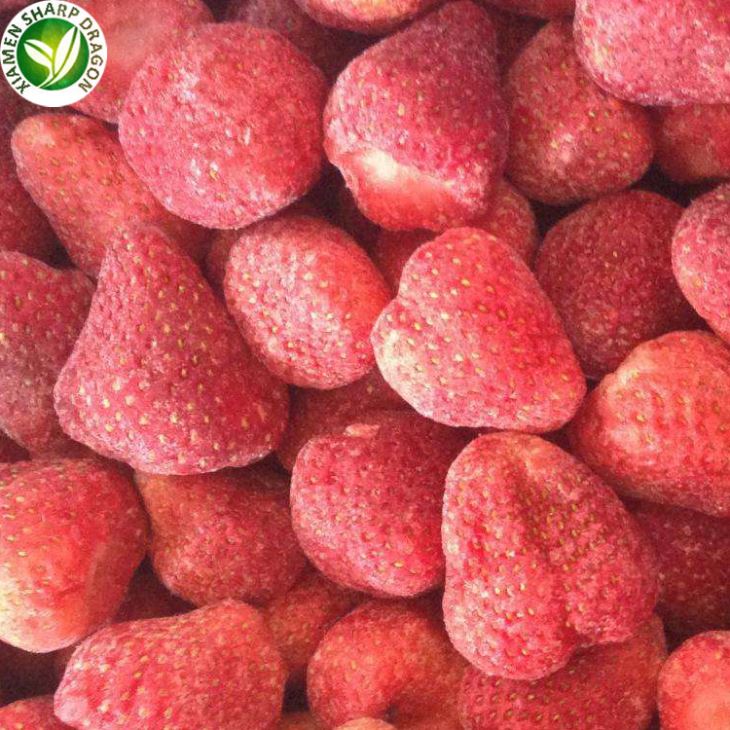
How Strawberry Fiber Can Affect Stool
Plant fiber is not completely broken down and absorbed in the small intestine. Some components reach the colon and are fermented by microbes; other material contributes to stool bulk. Fermentation can produce metabolites and gas. The balance between greater bulk, softer passage and discomfort varies with the person's starting diet and tolerance.
The USDA gives 2.0 g of fiber per 100 g of raw strawberries and 2.1 g per 100 g of unsweetened frozen strawberries in separate records. A 150 g portion of raw berries provides 3.0 g of fiber. These are composition estimates. Use the label for a sweetened, concentrated or otherwise prepared product.
That serving can contribute to a meal that also includes oats, nuts or another fiber source. If you add the berries to a low-fiber breakfast, note the amount you use and what the berries replace. That makes the comparison clearer if you are also changing the cereal or adding a supplement.
If you are increasing your fiber intake, make changes gradually. A much larger portion changes the amount of fiber and total food volume at once. Keep the amount steady enough to describe what you ate if gas or discomfort follows.
Water, Meals and Movement Change the Result
Fiber works inside a fluid environment. NIDDK advises drinking plenty of water and other liquids when increasing fiber, unless a clinician has set a different plan.[3] Strawberries contain water, yet a 100-gram portion supplies only part of the day's fluid.
Meals can trigger colon movement through the gastrocolic response. That is why a person may feel an urge after breakfast containing strawberries. Timing alone never proves that strawberry fiber acted within minutes; the whole meal and normal digestive reflex may be responsible. A food diary should distinguish immediate urge from stool changes developing after repeated intake.
Physical activity and responding promptly to the urge also matter. NIDDK includes regular activity and bowel training among constipation strategies. A fruit-only solution ignores these linked behaviors. Review sitting time, toileting routine and whether the person repeatedly delays the urge.
Medication can slow the bowel. Iron supplements, some pain medicines and other therapies are common examples, but a general article should not diagnose the cause. Ask the prescribing professional before stopping or changing medicine. Substituting berries for medical review can delay treatment of the real problem.
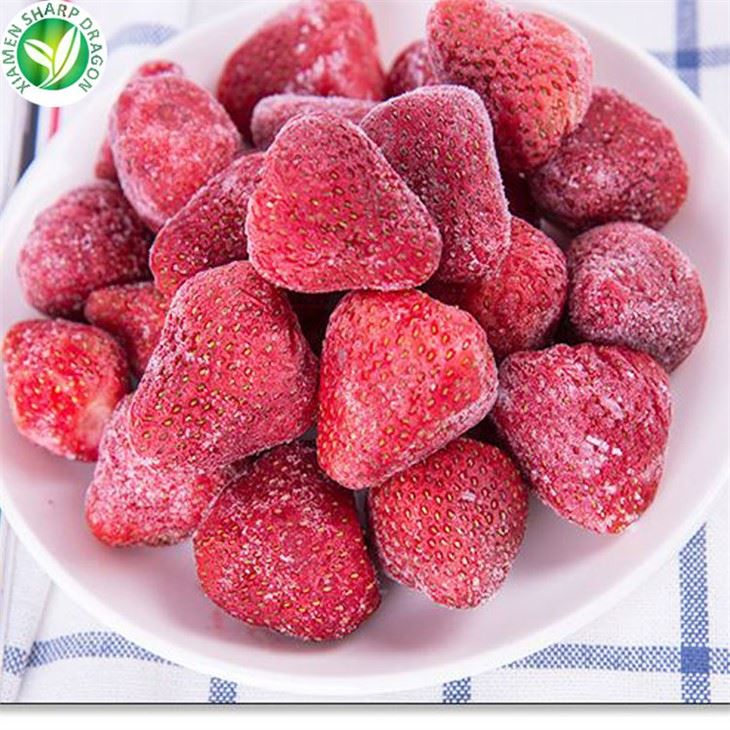
Whole berries, purée and strained juice
Whole berries keep the pulp and seeds in the serving. A purée made from the whole fruit can keep those solids too. When a juice or purée is strained, some solids are removed. Use the nutrition information for the finished product when you need a fiber number.
Thawed strawberries soften and release juice. If you use the fruit and its liquid in a bowl, weigh them together. If the recipe drains the berries, record the prepared weight separately. Follow the pack directions for preparation, especially when the fruit goes into a dish that will be served cold.
Dried sweetened strawberries are more concentrated by volume and may include added sugar or oil. A small scoop can contain less water and a different fiber-to-serving relationship than whole frozen fruit. Read grams, ingredient list and fiber per serving. "One cup" is especially misleading when forms have very different density.
For the nutrition differences between fresh and frozen fruit, see the fresh-versus-frozen strawberry comparison. The bowel question depends mainly on retained fiber, portion, tolerance and the wider routine.

Why a Larger Strawberry Portion Can Backfire
A large fruit bowl after dinner adds food volume as well as fiber. A smoothie can include a larger amount of fruit than you would eat by itself. Check what went into the bowl or drink before deciding whether the strawberries are the likely source of discomfort.
The accompanying ingredients can be the real trigger. A smoothie might contain milk, a high-dose fiber supplement, sugar alcohols, juice and several fruits. A dessert could combine berries with a large fat load or sweetener. When symptoms follow that recipe, testing plain berries separately is more informative than blaming or praising the most visible ingredient.
Portion escalation also creates a false choice: either strawberries work at a huge dose or they do nothing. A smaller amount may be comfortable and still contribute useful fiber alongside other foods. The goal is a sustainable total diet, not the maximum fruit load a person can endure.
If even a small portion repeatedly produces pain, marked bloating or diarrhea, stop the experiment and review the pattern with a qualified professional. Repeated self-challenges are especially unhelpful when symptoms are severe, the person is losing weight or a gastrointestinal diagnosis is already under investigation.
Separate food composition from a symptom pattern
The USDA numbers tell you the approximate fiber in an amount of strawberries. Your record tells you how your bowel habits changed after meals. For several days, note the berries and the other foods, drinks and medicines that were new or different. Look for a pattern you can describe clearly.
MyPlate places fruit within the wider fruit group and encourages making at least half of fruit intake whole fruit rather than juice.[4] That is useful guidance for retaining the fruit structure, but it is not a promise that whole strawberries treat constipation. A reader should not turn a general food-group recommendation into a medical prescription.
The practical evidence is therefore conditional. If strawberries replace a low-fiber snack, they may improve the total pattern. If they are added on top of an already large meal, they may increase volume without solving the underlying issue. If the person is dehydrated, sedentary, taking a constipating medicine or experiencing an illness, fruit alone may be the wrong lever.
A bowel response after breakfast also needs careful interpretation. Eating can activate the gastrocolic reflex, and the rest of the meal may supply more fiber or fluid than the strawberries themselves. A repeatable, measured trial is more honest than claiming that the berry acted as a fast laxative. Stop treating a headline as stronger evidence than the person's symptoms and the food's actual portion.

What to record if your bowel habits change
Use your normal routine as the starting point if you are tracking mild symptoms. Record bowel movements, stool form and straining along with meals, drinks and major changes in activity or medicines. Seek care for persistent symptoms or warning signs.
Worked example: two breakfasts with different berry amounts. A 75 g serving of raw strawberries adds about 1.5 g of fiber and a 150 g serving adds about 3.0 g. If the larger breakfast also adds a fiber supplement or changes the milk, write that down. A change in symptoms after that breakfast cannot be attributed to one ingredient from the record alone.
Describe any change you notice. Softer stool, less straining and new urgency are different results. If you keep seeing pain, marked bloating or diarrhea, discuss the pattern with a clinician and bring your food record.
When the symptom is a sudden urge after a meal, record the timing and the entire meal. When the change is gradual, compare several days. A single meal may be easier to remember, while a repeated pattern gives a clinician more to work with.
When Strawberries Are the Wrong Next Step
Seek prompt medical advice for constipation with rectal bleeding, blood in stool or continual abdominal pain, which NIDDK identifies as signs requiring evaluation.[1] Urgent assessment is also appropriate for severe swelling, persistent vomiting, inability to pass gas, faintness or signs of significant dehydration.
Long-lasting constipation, a major unexplained change from normal bowel habits or repeated reliance on laxatives deserves professional review. Children, pregnant people, frail older adults and people with gastrointestinal disease may need individualized advice. A high-fiber food is not automatically suitable during obstruction risk, a prescribed low-residue plan or certain acute conditions.
Stop eating the food and seek medical advice if you suspect an allergy. Sudden throat or tongue swelling, difficulty breathing or faintness after eating can be signs of anaphylaxis. Call the local emergency number immediately and use your prescribed epinephrine auto-injector if you have one.

Measure the berries that reach each serving
In our application reviews, we separate retained fruit solids from attractive purple color. Whole berries, crushed fruit, puree and strained juice behave differently after thawing. We record the input weight, drained or transferred weight, fruit remaining in the vessel, free liquid and serving yield. That is the only way to know whether the intended whole-fruit portion reaches the consumer.
Practical example: Representative scenario 2 - care-facility fruit cups. A kitchen plans 220 cups per day with 70 grams of strawberries in each cup. The formula requires 15.4 kilograms daily and 77 kilograms across five service days. Eight 10-kilogram cartons provide 80 kilograms before thaw-transfer loss. The decision is yield, pack count and serving consistency, different from the individual's tolerance decision.
The kitchen must then measure actual transfer loss and released juice rather than assume all 80 kilograms become served fruit. If 1.5% remains in bags, tools and tubs, the planning loss is 1.2 kilograms. The available 78.8 kilograms still covers the 77-kilogram formula, leaving 1.8 kilograms before other waste. This arithmetic protects portion delivery; it is not a medical claim.
For pack choice, the frozen-fruit use-rate guide connects opening frequency, portioning and leftovers. The XMSD frozen strawberry range provides the product-form starting point; the approved specification and sample govern the final program.
Translate Recipe Grams into What Reaches the Bowl
An ingredient sheet may state 70 grams, while the consumer receives less because berries and juice remain in the liner, thaw tub or portioning scoop. We weigh the empty receiving vessel, the transferred fruit and the residue. This separates package net weight from usable serving yield.
Piece count is no substitute for weight. A 70-gram serving made with small berries contains more individual pieces than the same weight made with large berries, but the fruit mass remains the nutrition basis. Piece distribution still matters visually: a cup with only a few large berries may look sparse even when its weight is correct.
Hold time matters after thawing. Early cups may contain more intact fruit, while later cups receive more free juice if the tub is handled unevenly. A short line trial should sample the beginning, middle and end of service, then compare weight and solids distribution. Correct the stirring or portion method before changing the ingredient claim.
This is why our operational record includes both formula input and served output. The consumer's bowel response relates to what was eaten, not what the recipe intended. Commercial consistency begins by closing that measurement gap.
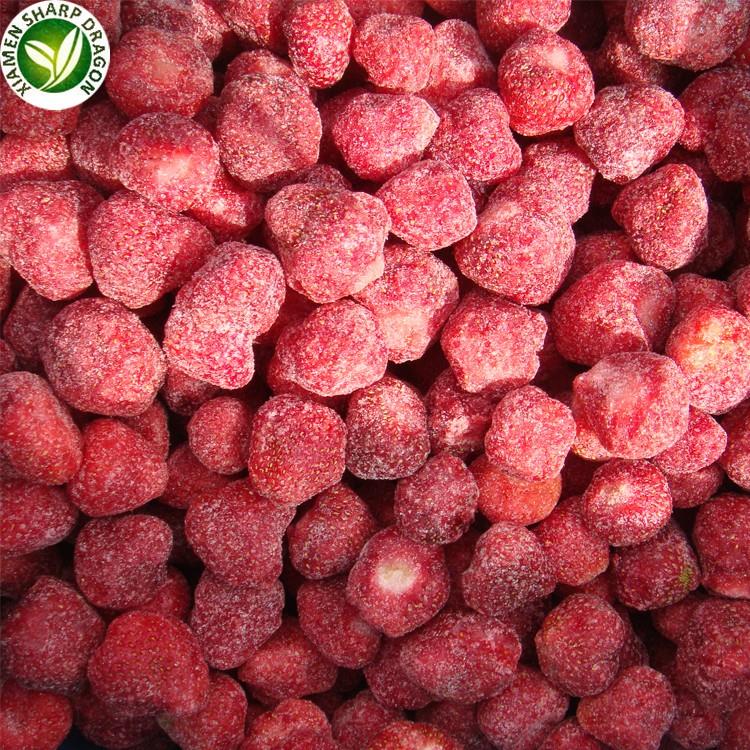
Check frozen berries for the finished application
Our second judgment concerns ingredient acceptance, not fiber arithmetic. We check pack integrity, frozen temperature, clumps, stems, foreign material, berry breakage, odor, flavor and traceability. A clean, free-flowing lot supports reliable processing. None of those observations proves that a person's constipation will improve.
For a ready-to-eat application, intended-use status and the food-safety plan require explicit review. Freezing is not sterilization. Supplier controls, relevant testing, label directions, handling and any validated kill step belong in the program file. A nutrition discussion must not distract from microbiological hazards.
The frozen-fruit process overview helps teams locate sorting, freezing and packing checks, but the order specification and hazard plan remain the controlling records.
For a fruit cup, weigh the contents after the usual thaw and assembly time. For a purée, record whether any pulp is screened out and weigh the batch after processing. Keep these measurements with the lot code so a later sample uses the same definition of finished yield.
For an ingredient used without a cooking step, verify the supplier's intended-use instructions for that item. Keep the pack condition, temperature record and lot details with your acceptance result. If the instructions call for cooking, plan where that step will happen before assembling the servings.
The Practical Conclusion
Whole strawberries can help you meet your daily fiber intake. Use a weighed portion and consider the rest of the meal. If bowel habits are the concern, record stool form, frequency and straining and seek medical advice if symptoms persist.
Measure the berry grams, retain the whole-fruit solids, change fiber gradually and track stool form, frequency and straining. Stop for harm, and seek evaluation for red flags or persistent symptoms. For commercial service, verify actual transfer yield and keep quality, food safety and health wording in separate files.
Building a whole-strawberry serving? Share berry form, grams per serving, thaw method, transfer yield, pack and intended use. XMSD can align the sample and acceptance check with the actual application.
Use the form to share your strawberry product requirements, including fruit form and serving weight.
References
- National Institute of Diabetes and Digestive and Kidney Diseases. Constipation definition, symptoms and reasons to seek care. Read the NIDDK overview.
- USDA Standard Reference Release 28. Raw strawberries, NDB 09316.
- National Institute of Diabetes and Digestive and Kidney Diseases. Treatment for constipation, including fiber, liquids, activity and bowel training. Read the treatment guidance.
- USDA MyPlate. Fruit group guidance, including whole fruit and juice distinctions. Read the MyPlate fruit guidance.
- U.S. Food and Drug Administration. Selecting and serving produce safely, including washing and handling advice. Read the FDA produce guidance.
- USDA Standard Reference Release 28. Unsweetened frozen strawberries, NDB 09318.
- NHS. Recognizing and responding to anaphylaxis.