


Can I Drink Water After Eating Mango? Timing and Comfort
Jul 24, 2019

Yes. Most healthy people can drink plain water immediately after eating mango. There is no evidence-based rule that you must wait 15, 30 or 60 minutes, and ordinary water does not switch off digestion or make the stomach unable to handle mango. If you are thirsty, drink. If ripe mango has left juice or fibers around your teeth, a drink or gentle water rinse can also clear the mouth.
The useful question is not whether mango and water are an unsafe combination. It is whether the amount, speed and type of drink feel comfortable for you. A large, fast drink may add to an already full sensation after any meal, while small sips may feel better. Persistent pain, repeated vomiting, trouble swallowing, black stools, blood, breathing difficulty or swelling are not reasons to experiment with a longer waiting time. Those symptoms need appropriate medical attention.
The short answer: You do not need a timer after mango. Drink plain water when you want it, at a comfortable temperature and pace. Use smaller sips if a large glass makes you feel overly full. Follow an individualized fluid plan only when a clinician has given you one for a diagnosed condition.

There Is No Required Waiting Period After Mango
Advice to avoid water after fruit often comes with a precise-looking interval but no reliable source. The number changes from one page or conversation to another: 15 minutes, 30 minutes, an hour, or until digestion is supposedly complete. That inconsistency is a warning sign. Digestion is not a single instant that ends when a timer rings, and the stomach does not become incompatible with water because mango arrived first.
Mayo Clinic's medically reviewed guidance states that water during or after a meal does not disturb digestion and does not cause digestive fluids to become ineffective. Water participates in normal digestion and hydration. That general meal guidance is more dependable than a mango-specific prohibition that has no identified trial, clinical guideline or physiological basis behind it.
Immediate drinking is therefore a normal option, not a requirement. You may prefer water with the fruit, directly afterward or later because of habit, thirst, temperature or service style. None of those choices needs to be presented as the only healthy schedule. If you feel fine after a glass, you do not need to delay it. If a large drink leaves you too full, change the volume and pace without concluding that mango and water created a harmful reaction.
One important exception is an existing medical fluid plan. People with some heart, kidney or liver conditions may be told to limit or schedule fluids. That restriction applies because of the condition and the clinician's plan, not because mango has a special conflict with water. Do not add extra water merely to follow a fruit myth in reverse, and do not abandon a prescribed limit because a general answer says that immediate drinking is safe for most people.

Why Water Does Not "Dilute Away" Digestion
The dilution claim treats the stomach like a fixed beaker of acid. Human digestion is regulated rather than fixed. Food is chewed and mixed with saliva, then moved into a stomach that produces secretions and muscular contractions in response to its contents. Fluid can mix with the meal and continue through the digestive tract. A normal drink does not permanently set the stomach to one weak concentration.
Mango contains water of its own. That fact alone does not prove how any individual stomach will feel, but it exposes the problem with calling added water categorically incompatible. Soup, fruit, sauces and drinks all deliver different mixtures of water and solids. Clinical meal advice does not require people to wait after every moist food so that enzymes can work. The body adjusts secretions and movement throughout the meal.
Claims about fermentation also need care. Gas, fullness, belching or discomfort may occur after eating, but the timing alone does not prove that water caused mango to ferment in the stomach. Symptoms can reflect the total portion, eating speed, another food or drink, carbonation, a pre-existing digestive condition, or an individual intolerance. Record the whole eating event before assigning the cause to the final sip.
Temperature is another area where a preference is often turned into a medical rule. You may dislike cold water or prefer it. Warm or room-temperature water may feel better if your teeth are sensitive or you dislike cold drinks. No authoritative guidance reviewed for this question requires a specific water temperature after mango. Choose a safe drinking temperature that feels comfortable unless your care team has given different instructions.
| Situation | Practical water decision | Reason |
|---|---|---|
| Thirsty after mango and otherwise comfortable | Drink now | No evidence-based waiting period is required for a healthy person. |
| Sticky juice or fibers remain in the mouth | Drink or gently rinse with plain water | Water can mechanically clear residue; it is not a treatment for allergy. |
| Large drinks leave you uncomfortably full | Try smaller, slower sips | Changing volume and pace is a practical comfort test, not proof of food incompatibility. |
| Clinician-prescribed fluid restriction | Follow the prescribed plan | The diagnosed condition, not mango, determines the limit. |
Water Is Useful for Mouth Comfort, but It Has Limits
Ripe mango can leave sweet juice, fine fibers and a coated feeling in the mouth. Plain water is a simple way to wash loose residue away. You can swallow the water or swish gently and spit it out. The American Dental Association advises rinsing with water after acidic foods and drinks as part of reducing acid contact. That general oral-care guidance supports a water rinse; it does not require a claim that every mango has the same acidity or that one rinse makes teeth invulnerable.
A rinse is not the same as brushing, flossing or professional dental care. It cannot reliably dislodge every string of fruit between teeth, reverse decay or neutralize all dietary effects. If mango fiber repeatedly catches around a particular tooth or dental appliance, use the cleaning method recommended for you. Avoid aggressive immediate brushing after an acidic eating event; ADA guidance favors rinsing with water instead of brushing straight away.
Water also cannot treat an allergic reaction. Tingling from a stray fiber or a sticky film should improve when residue is cleared. Progressive lip or tongue swelling, widespread hives, throat tightness, wheezing or trouble breathing is a different event. Stop eating, follow any prescribed emergency allergy plan and obtain urgent help. Do not keep drinking water to test whether the sensation will wash away.
Practical example: You finish a soft mango cheek and notice juice on your lips and fibers between your teeth, but there is no itching, swelling, pain or breathing change. You can drink a few mouthfuls of plain water immediately, swish gently, and continue your normal oral-care routine later. If the same situation includes expanding lip swelling or hives, stop treating it as a cleanup problem and follow appropriate emergency guidance.

If Water Feels Uncomfortable, Test Volume and Pace First
Indigestion is an umbrella description, not a diagnosis based on one food pairing. The National Institute of Diabetes and Digestive and Kidney Diseases lists upper-abdominal discomfort or burning, feeling full too soon, uncomfortable fullness after a meal, bloating, nausea and belching among common indigestion symptoms. A glass of water taken after mango may coincide with those sensations, but coincidence does not establish that water blocked digestion.
Begin with variables you can observe. How much mango did you eat? Was it part of a larger meal? How quickly did you eat and drink? Was the drink plain or carbonated? Did you have the same sensation before the water? Did it happen on more than one occasion under similar conditions? A simple record is more informative than assuming that any post-meal discomfort validates a universal waiting rule.
For a low-risk comfort check, keep the mango portion and meal similar on separate occasions and change only the drinking pattern. Compare a fast large glass with small sips taken according to thirst. Do not use a self-test when symptoms are severe, recurring, worsening or associated with red flags. The aim is to learn whether volume and speed influence an ordinary feeling of fullness, not to diagnose disease or prove that everyone needs the same interval.
Carbonated water deserves separate notation because bubbles can change belching and fullness independently of mango. A sweetened drink is also not interchangeable with plain water; it adds ingredients and energy that may affect taste, portion decisions or individual tolerance. Before accepting "water made me uncomfortable" as the cause, confirm what the drink actually was, how much you consumed and how fast.
Advice for diagnosed gastroparesis or functional dyspepsia should remain condition-specific. Some specialist clinics recommend small sips and limited fluid around meals for selected patients who struggle with fullness. That does not establish a rule for healthy mango eaters. If a clinician has already adjusted your meal size, fluid timing or texture, use that plan and ask how mango fits it instead of substituting a general internet schedule.
Fresh, Frozen and Puréed Mango Change the Eating Event
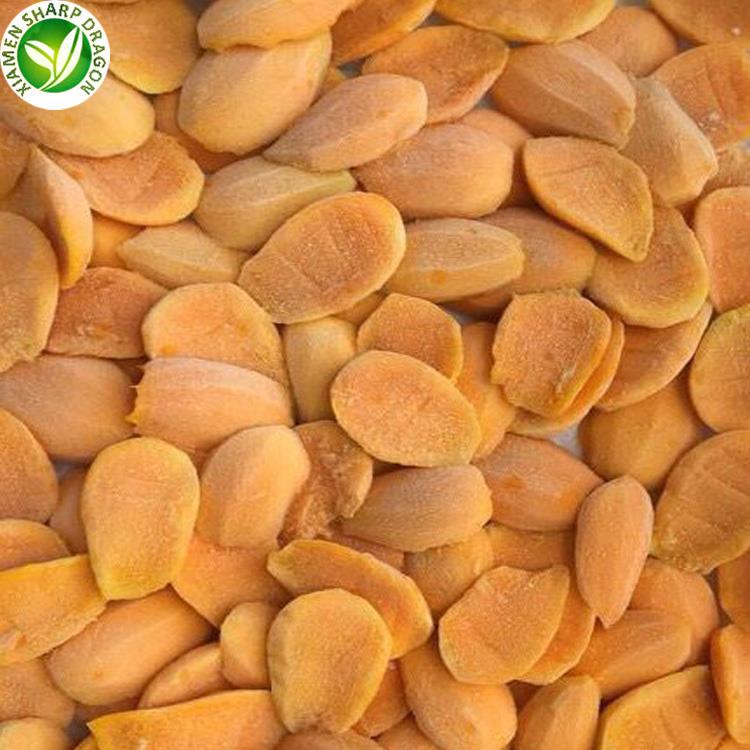
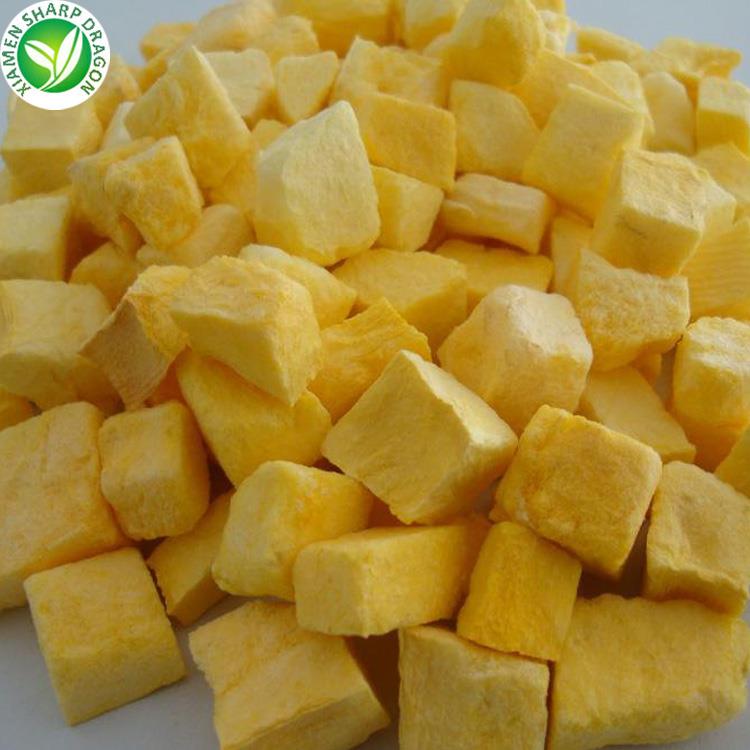
The no-wait answer applies to ordinary water after mango in different forms, but the experience is not identical. Fresh cubes require chewing and may leave fibers. Properly handled frozen mango may be eaten partly thawed or used after further preparation according to its instructions. Purée and smoothies deliver mango in a drinkable matrix. A sweetened mango beverage may contain far more than fruit and water. Record the form before comparing symptoms or customer comments.
Do not confuse water timing with whether a mango product is ready to eat. Frozen fruit can be supplied for direct consumption, foodservice preparation or industrial processing, and the intended use must match the product specification and handling instructions. Water taken afterward does not correct an unsuitable use, broken cold chain, poor hygiene or product defect. Our frozen mango range shows common forms, while the product's approved specification must settle the application.
If the real question concerns whether ripe or unripe mango flesh can be eaten without cooking, use the separate guide to eating mango raw. If it concerns biting through peel, avoiding the flat pit or sap contact, see the guide to eating mango like an apple. Those handling decisions should not be folded into a water-timing claim.
Quality complaints also need their own evidence. An abnormal sour, alcoholic, sulfurous or rotten odor may point to fruit condition or processing rather than the glass served afterward. Note the odor before and after opening, storage history, lot, thawing method and other sensory changes. The XMSD guide to why mango can smell bad provides the quality-triage boundary; changing water timing is not a corrective action for suspect fruit.
For Foodservice, Standardize the Mango and the Rinse
Restaurants, caterers, product developers and sensory panels benefit from separating two uses of water. Service water is provided for normal drinking. Palate-rinse water is controlled between samples so panelists begin each evaluation from a more comparable baseline. Neither use proves a health waiting period. The operational goal is consistency: same sample weight, serving temperature, order, rinse volume, pause and scoring instructions.
Plain still water is usually easier to standardize than flavored or carbonated drinks because it adds fewer competing sensory signals. Define whether panelists swallow or spit the rinse, the interval between samples, and whether crackers or another palate cleanser are part of the protocol. If the aim is to compare mango sweetness, aroma, fiber or aftertaste, changing the water volume from one sample to the next can introduce avoidable noise.
Worked example: Hypothetical calculation. A foodservice team schedules 12 panelists to assess six mango samples and assigns 30 mL of plain rinse water after each sample. Base volume is 12 × 6 × 30 mL = 2,160 mL, or 2.16 L. A 20% service allowance for spills and refills gives 2.16 × 1.20 = 2.592 L, rounded to 2.6 L for the session. This is a panel-service calculation, not an individual hydration prescription. Each panelist's planned rinse allocation is 180 mL across the full session, and extra drinking water can remain available according to thirst and any site-specific health plan.
Complaint records should be equally specific. Capture the mango form and lot, sample weight, serving temperature, other foods, drink type and volume, time to symptom, exact symptom and how many people were affected. "Water after mango caused illness" is not an actionable root-cause description. It bundles product quality, meal size, allergy, digestive symptoms and personal belief into one sentence. A structured record helps decide whether the next step belongs to food safety, quality, allergen management or personal medical care.
If a kitchen is selecting mango for repeat service, define cut form, portion weight, ripeness or sensory target, intended use, pack size, storage, thawing and defect tolerances before comparing prices. XMSD's foodservice and catering pathway frames those application decisions without turning ordinary drinking water into a product claim.

When the Symptom Is Not a Water-Timing Problem
Mild, short-lived fullness after a large meal can often be observed while you slow down and avoid adding unnecessary volume. That is different from severe or persistent symptoms. NIDDK advises seeking prompt medical attention for warning signs such as severe and constant abdominal pain, frequent vomiting, difficulty or pain with swallowing, bloody vomit, black tarry stool or shortness of breath. Unexplained weight loss, jaundice or symptoms that do not improve also deserve professional assessment.
Allergy signs also override the timing debate. If mango contact is followed by throat tightness, breathing difficulty, rapidly progressing swelling, weak pulse or widespread hives, water is not a remedy. Use a prescribed epinephrine plan when applicable and seek emergency care. A delayed itchy rash around areas touched by peel or sap may follow a different mechanism, but it still warrants avoidance and clinical advice when significant or recurrent.
Suspected product spoilage or contamination should be handled as a food-quality or food-safety issue. Stop serving the affected lot, retain the packaging and traceability information where appropriate, and follow the operation's incident procedure. Do not ask affected people to retry the product with warmer water, less water or a longer delay. That changes the story without investigating the lot or protecting other consumers.
For recurring but non-urgent discomfort, a clinician can help distinguish indigestion, reflux, food allergy, intolerance and other causes. Bring a concise record: mango form and amount, the rest of the meal, water type and volume, timing, symptoms, duration, medication and recurrence. A specific record is more useful than the conclusion that water and mango are incompatible.

A Simple Decision After the Last Bite
Start with thirst. If you want plain water and feel well, drink it now. If your mouth feels coated, take a drink or gentle rinse. If a big glass tends to leave you uncomfortably full, reduce the volume and slow the pace. If you have a prescribed fluid limit or meal plan, follow it. If symptoms are severe, persistent or allergic in character, stop looking for the perfect interval and obtain appropriate care.
Do not let a clock hide other decisions. Inspect the mango, use a product form suitable for its intended use, handle fresh-cut or frozen fruit correctly, and describe any symptom or quality complaint precisely. Waiting 30 minutes cannot repair spoiled fruit, remove an allergen, correct an excessive portion or diagnose indigestion. It can only postpone a drink.
XMSD sourcing note: For a frozen mango program, send the cut form, dimensions, ripeness or sensory target, intended use, pack format, destination, annual volume and acceptance criteria. We can review a specification and sample plan around the actual application.
The Bottom Line from XMSD
You can drink water immediately after eating mango. Most people do not need to wait, choose a special temperature or fear that a normal drink will dilute digestion. Plain water can relieve thirst and rinse away loose juice or fibers. If drinking quickly makes you feel too full, try smaller, slower sips and consider the whole meal rather than blaming a chemical conflict that has not been demonstrated.
Keep exceptions in proportion. An individualized fluid restriction follows a diagnosed condition. Recurrent indigestion deserves a careful symptom record and, when appropriate, clinical assessment. Severe pain, repeated vomiting, bleeding, breathing trouble, throat tightness or rapid swelling is not a timing puzzle. For foodservice and sourcing, standardize the mango form, portion, handling and sensory protocol; water timing should never substitute for product control.
References
- Mayo Clinic - Water after meals: Does it disturb digestion?
- American Dental Association - Dental Erosion
- National Institute of Diabetes and Digestive and Kidney Diseases - Symptoms & Causes of Indigestion
- University College London Hospitals - Dietary Management of Functional Dyspepsia and Gastroparesis
- American College of Allergy, Asthma & Immunology - Food Allergies
- XMSD operational experience in frozen-mango specification, sample preparation, foodservice portion control and sensory-panel planning.