


Why Does Mango Smell Bad? | XMSD
Nov 21, 2019

A mango can smell intensely sweet, floral, green, pine-like, resinous, or even slightly like turpentine. Some of those notes are normal for particular cultivars and stages of ripeness. Sour, alcoholic, yeasty, sulfurous, moldy, or rotten odors are different and may indicate overripening, fermentation, decay, or poor handling.
The short answer: Mango does not owe its aroma to a "unique triglyceride." Its smell comes from many volatile compounds, especially terpenes and other aroma molecules. A strong resinous smell can be normal, but an unpleasant smell combined with sourness, leakage, mold, sliminess, deep decay, or an alcoholic note is a reason not to eat the fruit.

Mango Aroma Is a Mixture, Not One Triglyceride
Aroma compounds are small molecules that evaporate readily and reach the nose. A scientific review of mango composition describes a mixture that can include monoterpenes, sesquiterpenes, esters, lactones, alcohols, aldehydes, ketones, volatile fatty acids, and other compounds. Their amounts and proportions vary among cultivars, tissues, and maturity stages.
Triglycerides are a form of fat. They are not the single volatile substance responsible for mango's pungent aroma. The smell is instead a sensory result created by many compounds interacting at very low concentrations.

Why a Normal Mango Can Smell Piney or Resinous
Mango cultivars do not share one fixed aroma profile. A study of 20 cultivars identified hundreds of volatile compounds and found terpene hydrocarbons to be the main volatile group. Different cultivars were dominated by compounds such as delta-3-carene, limonene, terpinolene, or alpha-phellandrene.
These differences help explain why one mango smells softly fruity while another seems sharp, herbal, pine-like, or resinous to the same person. A turpentine-like edge is therefore not automatically evidence of spoilage. The fruit's appearance, texture, storage history, and the presence or absence of sour, alcoholic, moldy, or rotten notes must also be considered.
Useful distinction: Sweet, fruity, floral, green, pine-like, or resinous notes may belong to the cultivar or ripeness stage. Sour, alcoholic, yeasty, sulfurous, moldy, or putrid odors are not ordinary fresh-mango aroma and should trigger a spoilage check.
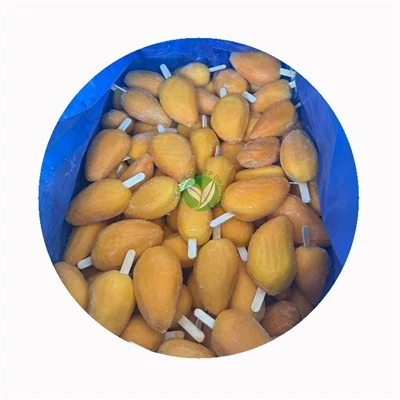
Ripeness Changes the Smell
Mango aroma develops as the fruit ripens. An unripe mango may smell faint, green, or resinous. A ripe mango usually develops a stronger fruity identity. Once the fruit becomes overripe, its volatile profile can shift again and off-flavor compounds may increase.
A 2025 study that followed mangoes through immature, ripe, and overripe stages identified different dominant aroma compounds at each stage and linked overripeness with increased off-flavor compounds. This supports a practical observation: an unusually waxy or unpleasant smell in a very soft mango may reflect overripening rather than the normal aroma of a sound ripe fruit.
Postharvest conditions also matter. The UC Davis Postharvest Research and Extension Center notes that mango cultivars differ greatly in sweetness, sourness, aroma, and texture, and that unsuitable storage atmospheres or physiological injury can produce poor flavor, discoloration, decay susceptibility, and off-flavors.
When the smell means "do not eat"
Do not taste a mango merely to test a serious off-odor. An alcoholic, sour, yeasty, moldy, rotten-egg, or putrid smell-especially with leakage, fizzing, visible mold, slimy flesh, extensive dark decay, or a collapsed texture-suggests that the fruit should be discarded.
The U.S. Food and Drug Administration advises cutting away damaged or bruised areas before preparing produce and throwing away produce that looks rotten. A small superficial bruise is not the same as extensive decay, but a strong abnormal odor plus visible deterioration should not be rationalized as normal mango character.

Fresh and Frozen Mango Need Different Checks
A frozen mango product may release little aroma while fully frozen. Its smell becomes easier to judge as it thaws. Some softening and juice release after thawing are quality changes associated with freezing and do not by themselves prove spoilage.
Evaluate odor together with package integrity, foreign matter, unusual color, excessive clumping, leakage, thawing history, and the product's label instructions. A clean fruity aroma that becomes more noticeable after thawing is different from a sour, fermented, or alcoholic off-odor.
Freezer burn, surface frost, or some texture loss can reduce quality without automatically establishing a safety problem. Temperature abuse, damaged packaging, contamination, and obvious spoilage require a separate decision. When the history is unknown and the odor is clearly abnormal, do not use the product.

The Peel and Sap Can Smell Sharper Than the Flesh
A sharp resinous smell may be strongest near the stem, peel, or sap rather than in the edible flesh. Stem-end sap can also mark or injure the skin during postharvest handling. This is different from saying that every pungent peel smell makes the pulp unsafe.
FDA guidance recommends washing whole produce under running water before cutting, even when the peel will not be eaten, so material from the surface is not transferred by the knife. Soap and detergent should not be used on produce.
Skin-contact note: Mango-induced contact dermatitis is uncommon but documented. A review found reactions associated with contact with mango skin, stem, sap, fruit, or the tree, particularly in some people previously sensitized to related plant allergens. Wash exposed skin and seek medical advice for a significant or spreading reaction.
What Frozen-Mango Buyers Should Specify
For buyers, "normal mango smell" needs a shared sensory reference rather than a vague promise. Cultivar, maturity, origin, processing time, product form, frozen storage, and thawing method can all affect the aroma presented to an inspector or product-development team.
At XMSD, we recommend confirming the intended application, mango form, cultivar or flavor target where relevant, maturity and color expectations, cut style, package format, sensory acceptance criteria, destination requirements, and a consistent thawing method for evaluation. Our current frozen mango range provides a starting point for discussing chunks, dices, slices, and other project formats.

Use a controlled sensory check
Compare a representative sample with an approved reference under the same thawing conditions. Record the aroma together with color, texture, drip, piece integrity, package condition, and cold-chain records. A supplier and buyer may otherwise describe the same resinous note as either "characteristic" or "bad" without a common standard.
Packaging should protect the agreed product through frozen distribution. Buyers can review XMSD's current frozen packaging information and request the format and documents relevant to their market and application.

XMSD sourcing note: Tell us the mango form, cut, sensory target, package style, destination market, and final application. We can discuss an applicable specification, reference sample, and quotation subject to the agreed requirements.
Frequently Asked Questions
1. Why does my mango smell like turpentine?
Some cultivars contain a strong terpene profile that people describe as piney, resinous, or turpentine-like. That note can be normal when the fruit otherwise looks sound and lacks sour, alcoholic, moldy, or rotten characteristics.
2. Why does mango smell like gasoline or paint?
A person may interpret strong natural terpene notes as chemical-like. However, if actual chemical contamination is suspected or the smell is unlike the normal fruit, do not eat it; isolate the product and contact the seller.
3. Is a sour-smelling mango bad?
A clearly sour off-odor in a mango that should be sweet and fruity may indicate overripening, fermentation, or spoilage. Discard it when the smell is abnormal, especially if there is leakage, sliminess, mold, or extensive decay.
4. Why does my mango smell alcoholic?
An alcoholic or yeasty smell can indicate fermentation in overripe or poorly handled fruit. Unless it is an intentionally fermented product made under a controlled process, do not use it.
5. Is a rotten-egg smell normal for mango?
No. A sulfurous or rotten-egg odor is not a normal fresh-mango aroma. The fruit or thawed product should be discarded.
6. Can a mango smell bad but still taste good?
A strong resinous aroma may seem unpleasant to one person even when the fruit is sound. A genuinely sour, moldy, alcoholic, sulfurous, or putrid smell should not be tested by tasting.
7. Does a ripe mango smell stronger?
Usually, aroma becomes more noticeable as mango ripens. Very soft texture plus a waxy, fermented, or otherwise unpleasant off-odor may indicate that the fruit has moved beyond normal ripeness.
8. What should an unripe mango smell like?
An unripe mango may have little aroma or smell green, herbal, or resinous. Cultivar differences mean there is no single correct intensity.
9. Why does frozen mango smell strange after thawing?
Thawing releases aroma and changes texture, so the product may smell stronger than it did while frozen. A clean fruity or resinous aroma can be normal; a sour, alcoholic, rotten, or moldy smell is not.
10. Does freezer burn make mango unsafe?
Freezer burn primarily affects quality. It should not be confused with damaged packaging, temperature abuse, contamination, or spoilage. Evaluate those risks separately and follow the product label.
11. Should I wash a mango before cutting it?
Yes. Rinse the whole mango under running water before cutting so surface material is less likely to be transferred by the knife. Do not wash produce with soap or detergent.
12. Can mango peel or sap cause a rash?
Contact dermatitis is uncommon but documented, particularly after contact with peel, stem, sap, or the tree. Avoid further exposure and seek medical advice for a significant reaction.
13. Is there a 200-gram daily mango limit?
There is no universal 200-gram safety limit that explains mango odor. Portion needs depend on the complete diet and individual circumstances. The smell question should be evaluated through cultivar, ripeness, and spoilage signs.
14. What should B2B buyers include in a mango odor specification?
Define the expected characteristic aroma, unacceptable sour or fermented notes, product form, thawing method, cultivar or flavor target where relevant, maturity, color, packaging, cold-chain review, sampling plan, and final application test.
Final Thoughts from XMSD
A pungent mango is not automatically a bad mango. Natural terpenes, cultivar, ripeness, peel, and sap can create strong resinous notes. Sour, alcoholic, sulfurous, moldy, or rotten odors accompanied by deterioration require a different response: do not eat or use the product. For frozen-mango programs, a shared sensory reference and a consistent thawing method help buyers distinguish characteristic fruit aroma from a genuine defect.
References
- Maldonado-Celis et al.: Chemical Composition of Mango Fruit
- Pino et al.: Volatile Components from Mango Cultivars
- Investigating the Aroma Transition During Rapid Mango Ripening
- UC Davis Postharvest Research and Extension Center: Mango
- FDA: Selecting and Serving Produce Safely
- Contact Allergy Induced by Mango: A Review
- XMSD: Frozen Mango Safety, Quality, and Uses
- XMSD operational experience in frozen-mango sensory review, specification, packaging, cold-chain handling, and application testing.