


Can You Eat Mango Raw? Safe Preparation from Peel to Plate
Jul 24, 2019

Yes. Both ripe mango flesh and intentionally selected unripe mango flesh can be eaten raw. Ripe flesh is soft, juicy and sweet; unripe flesh is firm, crisp and sour, so it is usually peeled and sliced for salads, relishes, pickles or seasoned snacks. The useful distinction is not simply "raw versus cooked." You need to know the ripeness stage, which part you will eat, how much contact you may have with peel or sap, and if the product is fresh, frozen, pureed, dried or part of a prepared dish.
For a fresh whole mango, wash your hands, rinse the fruit under running water, dry it, use a clean board and knife, cut around the flat stone, and separate the flesh from the peel. Washing matters even when you discard the peel because a knife can carry surface contamination into the flesh. Do not wash fruit with soap or detergent. Mango peel and sap can also cause contact dermatitis in a susceptible person, and mango allergy can involve the flesh as well. If you have reacted to mango before, do not test your tolerance by taking another bite. A packaged frozen product needs a different check: read the ingredient, storage and preparation statements instead of assuming that freezing made it ready to eat.
The short answer: Eat sound, washed, peeled mango flesh at the ripeness that suits your dish. Treat peel and sap exposure, allergy history, cut-fruit hygiene and packaged-product instructions as separate safety decisions.

What "Raw Mango" Can Mean
In everyday English, "raw mango" can mean uncooked ripe fruit or the hard, green, unripe fruit used in savory recipes. Those are both edible flesh, but they do not give the same eating experience. A third use appears in trade: "raw material mango" may mean whole fruit arriving for processing, without saying whether it is mature-green, ripe, peeled or intended for a ready-to-eat product. We keep these meanings separate because the correct preparation, quality target and acceptance check change with the form.
The National Mango Board describes mango as usable across the ripeness spectrum. An unripe mango is very firm and sour-tart; a ripe mango gives slightly under gentle pressure and tastes naturally sweeter. The National Center for Home Food Preservation also gives preparation directions for both unripe and ripe mangoes. Neither source treats normal unripe flesh as inherently poisonous. What changes is texture, acidity, aroma, sweetness and the application that makes sense.
| Form | Normal judgment | Best next action |
|---|---|---|
| Ripe, fresh flesh | Suitable for eating uncooked when the fruit is sound and properly washed and cut | Choose slight give, wash the whole fruit, remove the peel and cut around the stone |
| Unripe, fresh flesh | Edible and intentionally used for firm, tart applications | Choose a uniformly hard, sound fruit and slice it for a recipe designed for sour, crisp mango |
| Frozen, pureed, dried or prepared mango | Cannot be judged from the word "mango" alone | Read the ingredient list, intended-use statement, preparation directions and storage conditions |
A raw-food label does not cancel normal produce hygiene. An intact mango can carry dirt or microorganisms on the surface, while cutting creates a route from the peel to the edible portion. Conversely, a frozen mango cube is not "raw" merely because it was not cooked in your kitchen. It may have been peeled, cut and frozen under a defined process, but freezing itself is not a universal microbial kill step. Product identity and intended use decide the correct route.

Choose Ripeness for the Dish, Not by Skin Color Alone
For eating ripe mango by itself, we start with feel. A ripe fruit normally gives slightly when squeezed gently. A hard fruit is less ripe, while a very soft, leaking or visibly decayed fruit is not a better version of ripe. Skin color cannot settle the question because mango varieties develop different green, yellow, orange and red patterns. A red blush may come from sun exposure rather than ripeness. Stem aroma can support the decision, but it should not override obvious damage, fermentation or decay.
For a green-mango salad or pickle, firmness is an advantage. Choose fruit that is uniformly hard and free of major blemishes. Peel it, then cut a test slice. The flesh should be firm and tart, not fermented, moldy or internally collapsed. If the recipe expects ripe sweetness, a hard unripe mango is the wrong input even though it is edible. Leave it at room temperature to ripen, or choose another fruit. If the recipe expects crisp acidity, waiting for softness would remove the very characteristic you need.
Practical example: suppose you have two sound mangoes of the same variety. One is very firm and the other yields slightly to gentle pressure. For a chili-lime salad that needs thin, crisp strips, peel and test the firm fruit first. For uncooked cubes served with yogurt, use the slightly yielding fruit because it will provide softer texture and more developed sweetness. The decision comes from the application and ripeness, not from declaring one fruit safe and the other unsafe.
Do not use firmness as a food-safety certificate. A ripe mango can be wholesome or mishandled; a hard mango can be sound or contaminated. Reject fruit that looks rotten, and cut away damaged or bruised areas before preparation as FDA guidance advises. If decay extends into the flesh, the fruit leaks, or the odor is clearly fermented or putrid, discarding it is more sensible than tasting it to investigate. This page does not turn that observation into a full illness diagnosis; it keeps the decision at the level of raw preparation.

Wash and Cut Fresh Mango in a Safe Order
Sequence matters because the knife, board and your hands can move contamination. The FDA recommends washing hands with soap and warm water for at least 20 seconds before and after preparing fresh produce. It also recommends rinsing produce under running water even when the peel will not be eaten. Washing can reduce bacteria, but it cannot eliminate every hazard, so clean tools and separation from raw meat, poultry and seafood remain part of the method.
- Inspect first. Choose a sound mango. Remove labels and reject fruit that looks rotten. Cut away a localized bruise before eating, but discard a fruit with extensive decay, leakage or an unacceptable fermented odor.
- Clean hands and the work area. Use a clean board, knife, bowl and towel. Keep the produce station separate from utensils or surfaces used for raw animal foods.
- Rinse the whole mango. Hold it under plain running water and rub the surface gently. Do not apply dish soap, detergent or household cleaner. Dry it with a clean towel so it is easier to grip.
- Stabilize the fruit. Put the mango on a non-slip board with the stem end positioned so you can identify its broad sides. The stone is long and flat, so the first cut should pass beside it rather than through the center.
- Remove the cheeks and separate the peel. Cut down each side of the stone. Score the flesh without cutting through the peel, then scoop it out with a spoon or cut the cubes away on the board. Trim sound flesh from around the stone.
- Serve or chill promptly. Put cut fruit in a clean covered container and refrigerate it when it will not be served at once. Keep commercially pre-cut mango refrigerated and follow its label.
A mango can be slippery after the first cut. We prefer to keep the fruit on the board rather than score a cheek deeply while it rests in the palm. If juice coats your fingers or the knife handle, stop, rinse and dry them. A sharp knife used with controlled pressure is safer than forcing a dull blade through hard unripe flesh. Our detailed mango cutting guide shows the cheek, scoring and trimming sequence when you need more cutting detail.
The wash belongs before peeling and cutting, not after the cubes are in the bowl. Rinsing cut mango can spread juice and does not undo cross-contamination from a dirty knife. A pre-washed, ready-to-eat packaged fruit is another case: the package statement is the control. Rewashing it can expose it to a sink, colander or hands that are less clean than the controlled packing process. Read the label before adding an unnecessary step.
Peel, Sap and Allergy Change the Handling Decision
The safest default for this question is to eat the flesh and remove the peel. That recommendation is not a blanket pesticide claim, and it is not a promise that peeling removes every possible allergen. The practical reason is that mango peel and resinous sap are well-described routes for allergic contact dermatitis. Direct contact may produce an itchy, red or blistering rash around the mouth, face, hands or another exposed area in a susceptible person.
A 2021 review found only 37 reported patients across the case reports and case series it analyzed, so mango contact dermatitis appears rare in the literature. That small case base cannot give you a population risk percentage. It does show why a history of reaction matters. The review describes exposures involving mango fruit, peel, stem and sap, notes potential cross-reaction after poison ivy or poison oak sensitization, and reports that sensitizing compounds may extend into the first few millimeters of flesh beneath the skin. Peeling is a sensible exposure-reduction step, but it is not a guarantee for someone already sensitized.
Safety note: If mango peel or sap has caused a rash before, avoid handling it for a home "test" and seek advice from a qualified clinician or allergist. Sudden swelling of the lips, mouth, tongue or throat, trouble breathing, throat tightness, collapse or severe dizziness requires emergency help.
Contact dermatitis is not the only possible reaction. Immediate food allergy can involve hives, swelling, wheezing, vomiting or other symptoms, and the clinical review reports rare severe reactions. Cooking, pureeing or freezing should not be used as a personal allergy experiment. The review found that some mango allergens can remain active after technological processing. If you have a diagnosed mango allergy, follow your allergy action plan and check compound products for mango ingredients rather than assuming another format is safe.
Practical example: if your lips itch and a red rash develops after biting mango flesh directly from the peel, stop eating and avoid another exposure. Record whether you handled sap, touched peel, ate peeled flesh, consumed a mixed dish, and how quickly symptoms appeared. Keep the package or fruit source information. That record gives a clinician a better starting point than the statement "raw mango is bad for me," and it prevents a contact reaction from being confused with spoilage or ordinary dislike of sour fruit.
If you have no allergy history, alarm is not the right response. Wash the whole fruit, avoid smearing sap over the edible flesh, peel it cleanly and use normal food hygiene. If someone else peels it for a sensitive person, that person should still rely on professional advice because peel removal may not remove all relevant exposure. The correct message is proportionate: most people eat mango without contact dermatitis, while a previous reaction changes the decision.

Fresh, Frozen, Pureed, Dried and Sweetened Mango Are Different Products
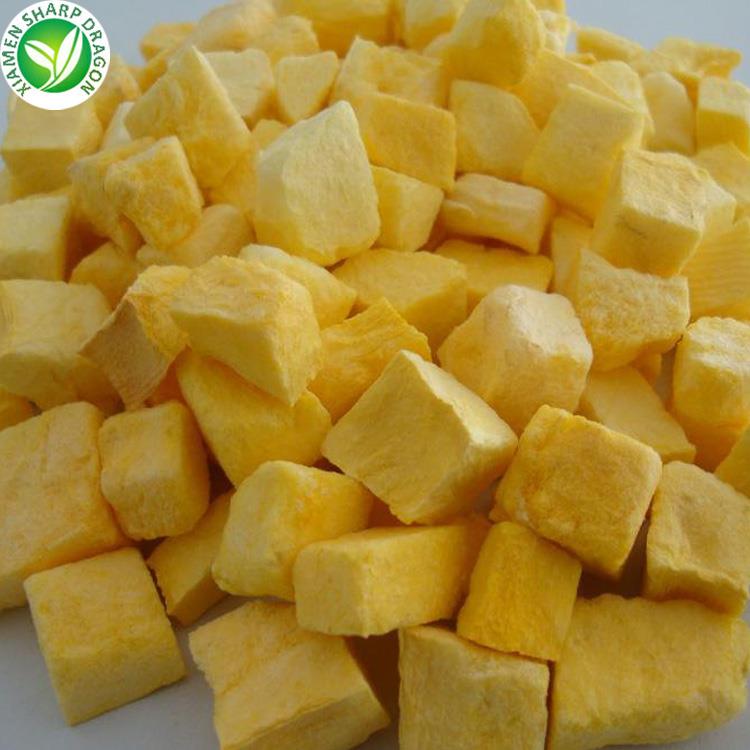
Fresh peeled flesh gives you direct control over washing, ripeness and cutting. Frozen mango has already passed through peeling, cutting, sorting and freezing steps, but that does not tell you whether the pack is ready to eat, intended for further processing or accompanied by a cooking instruction. USDA food-safety guidance explains that freezing makes microbes inactive rather than reliably destroying them; once food thaws, surviving microbes can become active again. Follow the product label and handle thawed mango as a perishable food.
If a retail pack is labeled ready to eat, stored correctly and intact, use it according to the label. If it says to cook, or if an industrial carton is supplied as an ingredient for a later validated process, do not serve it straight from the bag. Our separate guide on eating frozen mango safely owns the detailed thawing and intended-use questions. Here, the important point is that "raw mango" and "frozen mango" are not interchangeable product descriptions.
Puree changes the texture and measurement basis. It may be plain mango, concentrated mango, sweetened puree or a compound preparation. Dried mango removes water and can make a small-looking portion more concentrated by weight; some products also contain added sugar or preservatives. Juice and smoothies may include other fruits, syrup, dairy or plant-based ingredients. A nutrition or allergy decision must use the final ingredient list and serving size rather than borrowing the characteristics of 100 g of plain fresh flesh.
For composition context, the USDA FoodData Central entry for raw mango lists about 60 kcal, 15 g carbohydrate, 1.6 g fiber and 36.4 mg vitamin C per 100 g edible portion. Those values describe the database food on that basis; they do not represent every variety, ripeness stage or prepared product. Vitamin C has established physiological roles, but its presence does not prove that mango prevents disease, makes contaminated fruit safe or overrides an allergic response. Use the data to understand the ingredient, not as a safety shortcut.
Unripe and ripe mango also differ in sensory and compositional development. As fruit ripens, firmness decreases and sweetness and aroma develop. The useful practical result is simple: choose unripe flesh for crisp, tart use and ripe flesh for sweet, soft use. Do not copy the USDA ripe/raw composition values into an unripe-mango specification as though acids, soluble solids and texture were fixed. If those variables affect a commercial recipe, measure the incoming lot and approve it against the application.

Turn "Can Be Eaten Raw" into a Usable Product Decision
For foodservice, retail or industrial use, edibility is only the first gate. The product must also fit the recipe, service method and control plan. We start by writing the food form precisely: whole fresh ripe mango, peeled fresh-cut mango, frozen green mango dice, IQF ripe mango chunks, aseptic puree or another defined ingredient. That line prevents a sour, firm raw material from being accepted for a dessert that needs sweet soft pieces, and it prevents a frozen ingredient from being treated as ready to eat without evidence.
If you serve fresh-cut mango, test ripeness and usable yield before setting a portion cost. Record gross fruit weight, peel and stone waste, damaged flesh, usable cut weight and the time from cutting to service. Approve a sensory target that includes flesh color, firmness, aroma and sour-sweet balance. A visual skin-color rule alone will create inconsistent bowls because variety and sun exposure change the peel. A simple receiving sample gives you more useful information.
Worked example: assume a kitchen receives 10 kg of whole mango and its own trial produces a 65% usable peeled-flesh yield. The calculation is 10 kg × 0.65 = 6.5 kg usable mango. If the recipe needs 100 g per serving, that lot supports about 65 portions before any service loss. This 65% is an illustrative input, not a universal mango yield or an XMSD promise. Repeat the trial with the actual variety and ripeness, then use the measured result to compare whole fruit with a pre-cut format.
If your program uses frozen mango, define whether the product will be eaten without a later kill step. Review the label or specification for intended use, ingredient statement, cut size, ripeness or sensory target, storage temperature, packing format and relevant lot documentation. Inspect the sample for piece separation, color, excessive frost, breakage and thawed texture in the real recipe. A smoothie may tolerate an irregular piece that a visible retail topping will not. Explore the current XMSD frozen mango range only after the application and intended-use decision are clear.
For a retail or private-label pack, the ingredient statement must tell the truth about additions. Plain mango pieces, mango in syrup, sweetened dried mango and a mango blend do not answer the same raw-fruit question. Pack size should match the quantity opened during a service period, because repeated thawing and handling increase exposure. The seal, coding area, inner liner and carton need to remain legible and intact through the route. Our frozen-food packaging options show the formats that can be reviewed after net weight, channel and route are defined.
Application changes the acceptance logic. A green-mango pickle needs firm acidic pieces that hold shape. A ripe-mango cup needs clean sweetness and a pleasant bite. A smoothie line may prioritize blendability, portion control and low preparation labor. A bakery inclusion may need pieces that remain visible after mixing and baking. The relevant frozen fruit application pathways can help you frame that decision, but the recipe trial remains the evidence that the form works.
On arrival, do not use surface frost as the only safety judgment. Check seal integrity, carton condition, product temperature according to the agreed plan, lot identity and any signs of thawing or leakage. Separate quality defects from safety evidence: a broken cube may fail a visual specification without proving contamination, while a temperature or packaging breach needs a hold and documented review even if the mango still looks attractive. Define who can release a held lot before the shipment arrives.

XMSD sourcing note: Tell us whether your mango will be served ready to eat, blended, cooked, pickled or used as an inclusion. We can review product form, cut direction, packing, sample needs and the evidence required for your destination and application.
The Practical Raw-Mango Decision
You can eat ripe or unripe mango flesh raw when the fruit is sound and the preparation is hygienic. Choose ripe flesh for soft sweetness and unripe flesh for firm tartness. Wash the whole mango before the knife touches it, dry it, cut around the flat stone, remove the peel and keep cut fruit protected and chilled. If peel or sap has caused a reaction before, avoid casual re-exposure and get individual medical guidance.
For a packaged product, replace the broad question "Is mango raw?" with four precise ones: What is the product form? Is it intended to be ready to eat? What storage and preparation instructions apply? What evidence supports that use? Those answers keep fresh ripe fruit, green mango, IQF pieces, puree, dried fruit and sweetened preparations from being treated as one product. That is the difference between a technically edible ingredient and a controlled, repeatable eating decision.
References
- U.S. Food and Drug Administration: Selecting and Serving Produce Safely
- National Center for Home Food Preservation: The Mango, A Tropical Treat
- National Mango Board: How to Choose a Mango
- USDA FoodData Central: Mangos, Raw, SR Legacy FDC ID 169910
- Contact Allergy Induced by Mango (Mangifera indica): A Relevant Topic?
- NHS: Food Allergy Symptoms and When to Get Help
- USDA Food Safety and Inspection Service: Freezing and Food Safety