


Are Figs Good for Your Brain? Evidence and Serving Guide
Sep 11, 2019

Figs can be part of an eating pattern that supports general health, but there is not good human evidence that an ordinary serving of figs improves memory, treats a cognitive condition or prevents dementia. Fresh and dried figs provide carbohydrate, fiber, potassium and plant compounds. Those composition facts explain why figs can fit a varied diet; they do not establish a special brain effect.
The most relevant fig-specific cognitive research is still preliminary. A commonly cited study used figs in a mouse model of Alzheimer's disease, not people. A newer human study tested a combined fig-and-almond syrup alongside methylphenidate in children with attention-deficit/hyperactivity disorder. Because figs were not tested alone, the intervention was not an ordinary fruit serving and the population had a diagnosed condition, that result cannot support a broad claim that figs boost anyone's brain.
Your practical decision is simpler: choose fresh, frozen or unsweetened dried figs according to the meal, account for the concentration of dried fruit, and judge the whole dietary pattern. If memory, confusion, attention or other neurological symptoms concern you, food is not a substitute for clinical assessment.
Short answer: figs are a nutritious fruit choice, not a proven cognitive treatment. Their best-supported role is as one fruit within a varied, balanced diet, with a smaller serving usually needed for dried figs than for fresh or frozen figs.
What "Good for Your Brain" Would Have to Mean
"Brain health" can refer to very different outcomes: feeling alert after a meal, performing better on a memory test, maintaining cognition with age, reducing dementia risk or treating symptoms of a neurological condition. Evidence for one outcome does not automatically prove another. A fruit can provide useful nutrients without producing a measurable change on any cognitive test.
A convincing fig-specific claim would normally need controlled human studies that compare a defined fig product and dose with a suitable control, measure a prespecified cognitive outcome, follow participants for an appropriate period and reproduce the result. The product matters too. A whole fresh fig, dried fig, sweetened fig bar, concentrated extract and multi-ingredient syrup are not interchangeable interventions.
The National Institute on Aging takes a similarly careful view of diet and cognition. It reports that Mediterranean and MIND dietary patterns have shown potential, but the evidence is mixed and research is continuing. These patterns emphasize combinations of fruits, vegetables, whole grains, legumes, fish and unsaturated fats. They do not identify figs as a stand-alone treatment.
Example: a claim test. "Figs contain potassium" is a composition statement that can be checked against a food database or laboratory result. "Figs improve memory" is a functional outcome claim and needs direct human cognitive evidence. The first statement cannot be used as proof of the second merely because potassium participates in normal nerve transmission.

What the Direct Fig Research Actually Shows
A 2023 review of fresh and dried fig research summarizes laboratory, animal and human studies. Its cognitive section highlights a mouse study in which a diet containing figs was tested in a transgenic model used in Alzheimer's research. Animal studies can generate hypotheses and explore mechanisms, but a result in genetically modified mice does not tell us that eating a serving of figs will preserve human memory.
A 2025 randomized study adds a small piece of human evidence but does not answer the everyday question. Children with diagnosed ADHD received methylphenidate and were assigned to a combined fig-and-almond syrup, an almond syrup or placebo syrup. The study reported improvements in some attention measures in both active syrup groups. It did not isolate figs from almonds, did not compare whole figs with a control and cannot be generalized to dementia prevention or cognition in healthy adults.
This distinction also prevents a common research error. Evidence about grapes, blueberries, isolated anthocyanins or mixed fruit-and-vegetable concentrates is not automatically fig evidence. Different fruits contain different compounds and concentrations, and extracts can deliver amounts that ordinary food portions do not. Research on a broader dietary pattern can support dietary variety, not a unique "fig for the brain" promise.
For now, the defensible conclusion is modest: figs can contribute fruit, fiber and minerals to a healthy diet. Direct evidence that ordinary figs improve cognition is insufficient. That conclusion may sound less exciting than a "brain food" label, but it is more useful because it tells you exactly what is known, what is inferred and what remains unproven.
Evidence ladder for a fig-brain claim
Composition: figs contain measurable nutrients and phytochemicals. This supports a nutrition description.
Animal or laboratory research: useful for hypotheses, but not proof of a benefit in people.
Human outcomes: fig-specific, controlled and reproducible trials would be needed for a confident cognitive claim; current ordinary-food evidence does not reach that level.

What Figs Contribute Nutritionally
Historic USDA reference data list about 74 kcal, 19.2 g carbohydrate, 16.3 g total sugars, 2.9 g fiber and 232 mg potassium per 100 g of raw figs. The same reference system lists about 249 kcal, 63.9 g carbohydrate, 47.9 g total sugars, 9.8 g fiber and 680 mg potassium per 100 g of dried figs. These are general food-composition values, not a specification for every variety or SKU.
Water explains much of the difference. Raw figs are roughly four-fifths water in the USDA reference, while dried figs contain far less. Removing water concentrates energy, carbohydrate, sugars, fiber and minerals into each 100 g. Drying does not create all of that sugar; it reduces the weight of water surrounding the fruit solids. Added sugar, if used in a commercial preparation, is a separate formulation question.
Potassium is needed for normal cell function and nerve transmission, according to the NIH Office of Dietary Supplements. That physiological role is important, but it does not make each potassium-containing food a cognitive enhancer. Many fruits, vegetables, legumes, dairy foods and other foods supply potassium. Nutritional adequacy comes from the overall pattern and the person's needs.
Fiber can make figs useful in a meal or snack and helps distinguish whole fruit from juice or a highly refined sweet. Again, a general dietary role is not a brain-treatment claim. If you choose figs, do so because the form, flavor, texture and portion suit your diet-not because a nutrient list promises an immediate change in concentration.
For a packaged product, use its current nutrition label rather than copying a generic database. Variety, maturity, dehydration endpoint, syrup, coating and serving definition can change the numbers. A supplier's certificate of analysis may help with lot-specific parameters, but it does not replace destination-market nutrition-label rules.
Fresh, Frozen and Dried Figs Are Not Equal Portions
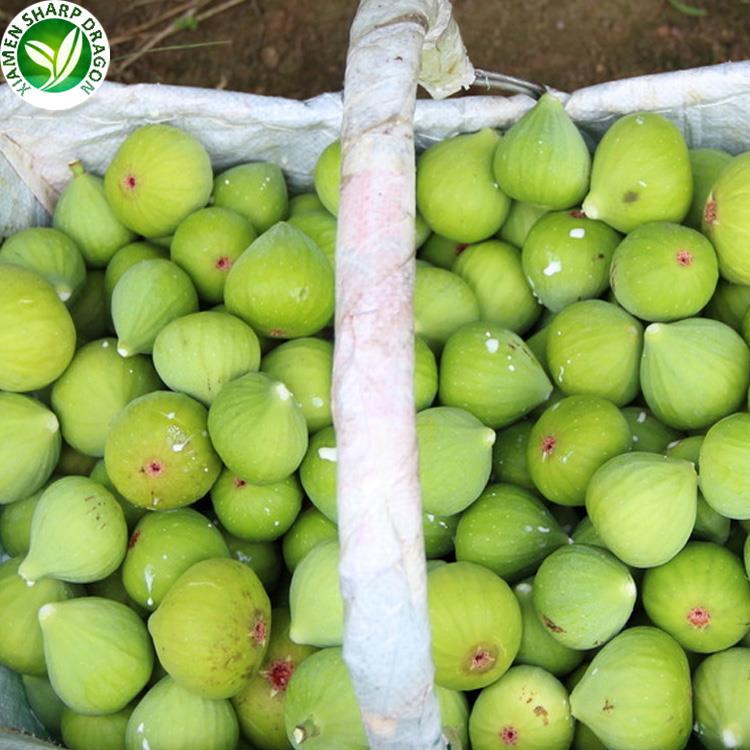
Fresh figs offer soft texture and substantial water. Frozen figs retain the fruit solids but their cells soften after thawing, so they usually suit sauces, bakery fillings, smoothies or purées better than a fresh-fruit display. XMSD's frozen figs page shows the commercial form, while the exact cultivar, maturity, pack, treatment and application still need confirmation.
Unsweetened dried figs are compact and chewy. They can be convenient where refrigeration is limited, yet it is easy to eat more fruit solids before the volume feels large. A sweetened fig paste, fig bar or confection adds other ingredients and should be judged as a complete product. "Contains figs" does not make the recipe nutritionally equivalent to whole fruit.
Frozen and canned fruit can also fit a healthy diet when products do not add excess sugar or sodium, according to the World Health Organization. For frozen figs, check whether the ingredient list is simply figs or includes syrup, sugar or processing aids. For dried figs, check added sugars, portion size and any coating. For a formulated snack, assess the full ingredient list and nutrition panel.
Practical example: if you want fruit with breakfast, 100 g of fresh figs contributes about 74 kcal using the USDA reference. A 40 g portion of dried figs contributes about 100 kcal because 249 × 0.40 = 99.6 kcal. Neither amount is universally right or wrong; the calculation shows why the dried portion looks smaller.

Worked Example: Compare Fruit Solids, Not Just Piece Count
Worked example: imagine a breakfast developer comparing 150 g of raw figs with 40 g of unsweetened dried figs. Using the cited USDA reference values, the fresh portion contains about 111 kcal: 74 kcal per 100 g × 1.50 = 111 kcal. It contains about 4.35 g fiber: 2.9 g × 1.50 = 4.35 g.
The 40 g dried portion contains about 99.6 kcal: 249 × 0.40 = 99.6 kcal. It contains about 3.92 g fiber: 9.8 × 0.40 = 3.92 g. Its total sugars are about 19.2 g: 47.9 × 0.40 = 19.16 g, compared with about 24.4 g in the 150 g fresh portion: 16.3 × 1.50 = 24.45 g.
This does not make one form the brain-health winner. It shows that a large, water-rich fresh portion and a small dried portion can deliver roughly similar energy and fiber. The suitable choice depends on appetite, recipe moisture, chewing experience, convenience and the rest of the meal. A package label or tested formulation should replace generic values in commercial calculations.
For an actual breakfast, you might combine the fruit with an unsweetened protein-containing food and a whole grain, depending on your dietary needs. That builds a more complete meal than treating figs as a stand-alone cognitive intervention. If you have diabetes, kidney disease, swallowing problems or a prescribed diet, personalize the form and amount with a qualified clinician or dietitian.

A Better Way to Build a Brain-Supportive Eating Pattern
The NIA's review of diet and Alzheimer's prevention focuses on patterns rather than any one food. Mediterranean-style and MIND-style patterns emphasize plant foods and, in various combinations, whole grains, legumes, nuts, fish and unsaturated fats. Observational results are promising in places, but NIA also stresses that more research is needed to determine cause and effect.
That broader context gives figs a sensible role. They can add fruit variety and work in a breakfast, salad, sauce, bakery product or snack. They do not replace vegetables, protein sources, whole grains or other fruit. Eating figs on top of an already adequate diet is not automatically better than using them to replace a less useful option that you otherwise would have eaten.
Avoid the "glucose means brain fuel" shortcut. The body uses glucose, but that fact does not prove that a concentrated sweet food improves cognition. A rapid subjective lift can reflect hunger relief, expectation, caffeine consumed with the food or many other variables. Long-term cognitive health cannot be judged from how alert you feel 20 minutes after a snack.
Also avoid equating antioxidant activity in a test tube with disease prevention. Laboratory assays can characterize compounds or chemical behavior; they do not reproduce digestion, metabolism, dose, tissue exposure or clinical outcomes. "Contains polyphenols" can be factual. "Protects brain cells in people" needs substantially stronger evidence.
Your most reliable actions are ordinary: eat a varied diet appropriate to your needs, keep the fruit form and portion visible, limit products high in added sugars, and treat sleep, physical activity, cardiovascular risk management and medical care as separate parts of health. No fruit should carry all of that responsibility.
When Figs Need Individual Caution
Most people can treat figs as food, but form and health context matter. Dried figs are concentrated, so a person managing carbohydrate intake may need to measure rather than estimate the serving. People with impaired potassium excretion, including some with kidney disease or certain medications, should follow their clinician's advice about potassium from all sources instead of assuming that more fruit is always beneficial.
Fig allergy is reported, and reactions can involve cross-reactivity in some people. Latex-like sap from the plant and unripe fruit can also irritate skin. These are not reasons for general alarm, but they are reasons to stop exposure and seek appropriate advice if you develop itching, swelling, breathing difficulty or another suspected allergic reaction. Urgent symptoms require urgent medical care.
Texture creates another practical distinction. Whole dried figs can be sticky and chewy; large pieces may be unsuitable for someone with swallowing or chewing difficulty unless the product is prepared appropriately. Fresh or thawed figs are softer, while a purée changes the eating rate and application. Choose the physical form for the person and meal, not for a vague health halo.
Memory loss, new confusion, sudden weakness, speech difficulty, severe headache or a major change in attention should not be managed by experimenting with foods. A clinician can distinguish urgent symptoms, medication effects, nutrient deficiencies and longer-term cognitive concerns. Figs neither diagnose nor treat those conditions.

For Product Developers: Turn Nutrition Into Verifiable Specifications
If you develop a frozen-fruit, breakfast, bakery or foodservice product, begin with product identity rather than a brain-health headline. Define fig variety or accepted varieties, whole or cut form, maturity, defects, ingredient statement, any added sugar, treatment, pack weight, storage condition and intended application. The XMSD frozen produce range provides category orientation; your signed specification must control the exact SKU.
Incoming checks should connect identity, packaging and frozen condition to the approved lot. The XMSD frozen fruit incoming inspection guide explains why one attractive carton cannot represent an entire shipment. For figs, include piece separation, color, frost, physical damage, off-odors after controlled thawing and performance in the intended recipe.
Nutrition values require a defined basis. State whether figures come from a generic database, recipe calculation or laboratory analysis; whether they apply per 100 g, per serving or as sold; and which rounding and destination rules apply. Moisture variation can materially shift values in dried products. A serving-size claim without the serving mass is incomplete.
For a foodservice application, test the complete recipe and realistic portion. A 40 g fig component may be only part of a breakfast bowl that also contains sweetened yogurt, granola and syrup. The consumer receives the whole bowl, so nutrient and claim review must not stop at the fruit.
For a private-label program, lock formula and artwork together. XMSD's private label and OEM workflow can support packaging discussion, but you still need destination-specific legal review. Avoid "boosts memory," "prevents dementia," "neuroprotective" or similar disease and function language unless competent review confirms that the exact wording and evidence meet the applicable rules.

A Practical Claim and Specification Checklist
First, identify the question you are answering. "Does the product contain figs?" is an identity question. "How much fiber is in a serving?" is a quantified nutrition question. "Does it improve memory?" is a human functional-outcome question. Each needs different evidence, and a strong answer to one does not settle the others.
Second, define the food. Record fresh, frozen, dried, puréed, sweetened or extracted form; serving mass; ingredients; test method or database; and target market. If you change from fresh to dried figs, recalculate the portion. If you add syrup, reassess the complete formula.
Third, match wording to evidence. Composition supports statements such as "contains figs" or a verified nutrient declaration. It does not by itself support memory, attention, dementia-prevention or treatment claims. Animal evidence should remain identified as animal evidence, and a multi-ingredient clinical intervention should not be presented as proof for figs alone.
Finally, review the visible message as a customer would receive it. Images of brains, medical symbols, white coats or "smart food" badges can imply a health outcome even when the text is cautious. Claims include the total presentation, not just one sentence. A plain, accurate product benefit-flavor, fruit content, convenience, texture or portioned application-is often more useful and easier to substantiate.
XMSD sourcing note: For a frozen fig project, share the required form, ingredient rule, pack size, destination, application and forecast. We can review product fit and the specification questions that need closing before quotation or sample approval.
Final Thoughts from XMSD
Figs can make a useful contribution to a varied diet, but "contains nutrients" and "improves the brain" are not the same claim. Current fig-specific evidence does not show that an ordinary serving improves memory, prevents dementia or treats an attention disorder. The strongest practical approach is to choose a suitable form and portion, judge the whole meal or product, and keep health wording proportional to the evidence.
For consumers, that means enjoying figs as fruit rather than medicine. For product teams, it means defining the SKU, measuring the serving, substantiating the nutrition panel and resisting a brain-health promise that the evidence cannot carry. Clear limits protect the reader and make the genuine qualities of the fruit easier to communicate.
References
- National Institute on Aging: What Do We Know About Diet and Prevention of Alzheimer's Disease?
- World Health Organization: Healthy Diet
- Phytochemical Composition and Health Benefits of Figs (Fresh and Dried): Review of Literature from 2000 to 2022
- Randomized Trial of Methylphenidate With Fig-Almond Syrup, Almond Syrup or Placebo Syrup in Children and Adolescents With ADHD
- USDA National Nutrient Database Legacy Basic Report: Figs, Raw
- NIH Office of Dietary Supplements: Potassium Fact Sheet for Health Professionals
- XMSD operational experience in frozen-fruit specification, quality control, packaging and B2B export coordination.