


Canned Vegetables for Remote Catering and Inventory Planning
Jan 03, 2020

Canned vegetables earn their place in a remote kitchen when delivery schedules, freezer capacity or preparation time are uncertain. An unopened shelf-stable can can hold a useful menu ingredient without taking refrigerated space. Once opened, however, the kitchen still has to handle the food safely, serve an acceptable texture and account for what remains.
The buying decision starts with portions, not the biggest container or the lowest price per kilogram on a quotation. Packing liquid adds weight but may contribute nothing to a drained side dish. A large can can be efficient at a busy lunch service and awkward for a small evening shift. Storage resilience only becomes useful when the pack fits the menu.
We would first establish how many diners need the ingredient, how often the recipe appears and what equipment is available at the destination. Those answers narrow the choice among canned vegetable products before can size, label design or shipment quantity is discussed.

Choose the reserve menu before choosing the stock
A reserve cupboard needs dishes that staff can actually produce during a disruption. Keeping corn, peas, bamboo shoots or mushrooms available is useful when they already have a place in a tested recipe. Buying unfamiliar products solely because they store well can leave the kitchen with full shelves and few workable meals.
List the constraint that each canned ingredient is intended to solve. It may replace a delayed fresh delivery, reduce peeling work on a short-staffed day or leave freezer space available for another component. A site with reliable frozen storage but limited dry-store space can reach a different decision from a camp supplied by an intermittent road route.
Keep normal and reserve recipes separate where their cooking behavior differs. A frozen vegetable added early in a pan and a heat-processed canned vegetable added near the finish may not give the same result under one instruction. Our starting point is a serviceable dish, with the alternative ingredient tested in that dish, rather than a promise that every format is interchangeable.

Separate purchased weight, drained weight and served weight
Net weight describes the contents in the can, including the packing liquid. Drained weight describes the solid food remaining after a specified draining procedure. Served weight is what finally reaches the plate after any further trimming, heating, mixing or holding. These quantities answer different questions and should occupy different fields in a costing sheet.
The USDA Food Buying Guide warns that a standard can number does not establish one fixed net weight. Contents and manufacturers differ. A description such as No. 10 can is therefore not enough to calculate portions; the actual product specification and the intended preparation are needed.
When liquid is part of a soup, it may be usable recipe material rather than waste. In a dry rice dish, the same liquid may be discarded to avoid a wet finish. Decide its role before comparing prices. Dividing the delivered price by drained kilograms is helpful for drained vegetables, but misleading for a recipe that deliberately uses the entire contents.

Run a small drain-and-serve trial
Use several cans from the sample lot, a suitable strainer and a scale that can resolve the differences you care about. Record the product, lot, stated weights and the draining method. Apply the same method to every comparison sample. The aim is a repeatable kitchen trial, not an improvised claim that a supplier has failed an official test.
Note the weight after draining, then prepare the recipe as it will be served. Check whether kernels scatter during transfer, small pieces remain in the strainer or staff remove fragments because they look poor on the plate. Those losses reduce practical yield even where the stated drained weight is met.
Portion the finished food with the intended utensil and weigh several servings. USDA guidance distinguishes volume from weight: the same level measure of different foods can have different masses. A scoop that worked for peas should not automatically become the weight standard for sliced water chestnuts.
Keep the resulting figures attached to that product code. A change in cut, packing medium or supplier can justify another trial. Do not quietly carry an old yield into a replacement purchase just because the new can looks similar.
Worked example: building a ten-day corn reserve
Consider a hypothetical camp serving 180 people a corn side each day. The recipe allows 90 g of drained kernels per diner, so daily demand is 16.2 kg. Suppose the approved sample provides 1.62 kg of usable drained corn per can. The kitchen needs ten cans for that service. These are planning assumptions, not an XMSD pack specification or a reported customer result.
If each can contains 2.50 kg net, ten cans represent 25 kg purchased but only 16.2 kg of drained kernels. The calculated drained yield is 64.8 percent. Counting the full 25 kg as vegetables would make the stock look much larger than the menu can use. The packing liquid has already been excluded from this particular side dish.
Now suppose replenishment normally takes seven days and the planner chooses three additional days of cover for a known delivery risk. At ten cans a day, the starting requirement is 100 cans for ten days of this dish. A change in menu frequency or headcount changes that reserve requirement.
Before ordering, deduct suitable stock already available and account for confirmed incoming deliveries. Exclude damaged, quarantined or otherwise unavailable cans from usable stock. If the menu serves corn only twice in ten days, the calculation changes substantially. A reserve should follow actual demand, not a daily rate copied from a different service.

Put a reorder trigger beside the opening schedule
Stock cover and shelf life are separate clocks. A product can have ample unopened life remaining while the kitchen is only one busy shift away from running out. Conversely, months of inventory may remain safe to store under its instructions but tie up money and occupy space needed for faster-moving food.
A practical stock record shows usable cans on hand, confirmed cans on order and cans already committed to planned meals. Add the expected delivery date and the next service that will draw heavily on the item. This makes a shortfall visible before someone finds the last carton during preparation.
Use the site's delivery history to choose additional cover. A seasonal road closure, a weekly boat schedule and ordinary urban traffic create different risks. Extra stock is one response; an approved substitute dish or a second delivery route may be another. Keep responsibility for the decision clear so the cook and purchaser are not using different assumptions.
Review demand after changes in occupancy. An unchanged minimum stock can quietly become too low after a camp expands or too high after a contract ends. The useful question is how many planned services the available cans support now.
Practical example: a smaller night shift changes the pack choice
Imagine a separate catering site with 22 evening diners and a 90 g drained vegetable allowance. Demand is 1.98 kg. One hypothetical large can yielding 2.70 kg leaves 720 g after service. Two smaller cans yielding 0.99 kg each match the planned requirement. All pack weights and prices in this example are illustrative.
Suppose the large can costs 3.60 currency units and each small can costs 2.10. The large option costs about 0.164 per planned diner, while the two small cans cost about 0.191. Even if the surplus from the large can is discarded, the large option still costs less on this purchase-price comparison. Less waste does not automatically mean a lower invoice.
The remaining questions concern operations. Can staff use that surplus safely in a planned later service? Is refrigerator space available? Does the time required to label, store and retrieve it matter more than the price difference? If diners arrive unpredictably, an unopened small can can also be held back until demand is clearer.
We would compare these trade-offs openly rather than select the larger or smaller format by habit. The best fit is the pack that supports the kitchen's actual opening and use pattern at an acceptable total cost.

Match cut and firmness to the finished dish
An acceptable sample on a plate may behave differently in a large pan. Stirring, transfer and the planned holding period all affect what the diner receives. Test the ingredient at the point of service, with the sauce and other vegetables present, instead of judging only the freshly opened can.
For a stir-fry, strips or slices of canned bamboo shoot need to fit the other cuts and distribute evenly. Large pieces may require extra cutting; very small pieces may disappear into the sauce. Neither outcome is necessarily a defect, but each changes labor and the eating experience.
Whole mushrooms can provide a clear visual component, whereas pieces may suit a filling or sauce. Corn kernels can contribute color to rice and mixed dishes, but excess liquid changes the recipe balance. Specify what matters at service: recognizable pieces, a particular bite, a consistent spoonful or minimal additional preparation.
Set aside a small finished portion for the same period that the food normally waits before serving. Review color, texture and liquid release again. A short sample tasting cannot tell you how a recipe will behave through the entire lunch window.
Read sodium and ingredients alongside the recipe
Packing medium matters. A vegetable in brine, a seasoned mixture and an unseasoned product should not enter a recipe as though their salt and flavor contributions were identical. Compare the ingredient list and the nutrition declaration on the basis stated by the supplier, including whether it describes drained contents.
FDA guidance recommends considering lower-sodium or no-salt-added canned vegetables and notes that rinsing can remove some sodium. It does not support assigning one universal reduction percentage to every product or kitchen method. For an accurately calculated menu, use nutrition information that matches the preparation instead of subtracting an assumed amount.
Rinsing also requires suitable water, a clean draining area and time. A remote kitchen with constrained water supply may prefer a product formulated to meet its needs without that extra step. Test the lower-sodium option in the complete dish before adding salt back automatically.
Allow for the sauce, stock and other ingredients too. A modest sodium contribution from the vegetables can be overshadowed by a salty dressing or seasoning blend. General canned-food nutrition and safety considerations belong beside, not in place of, the recipe calculation.
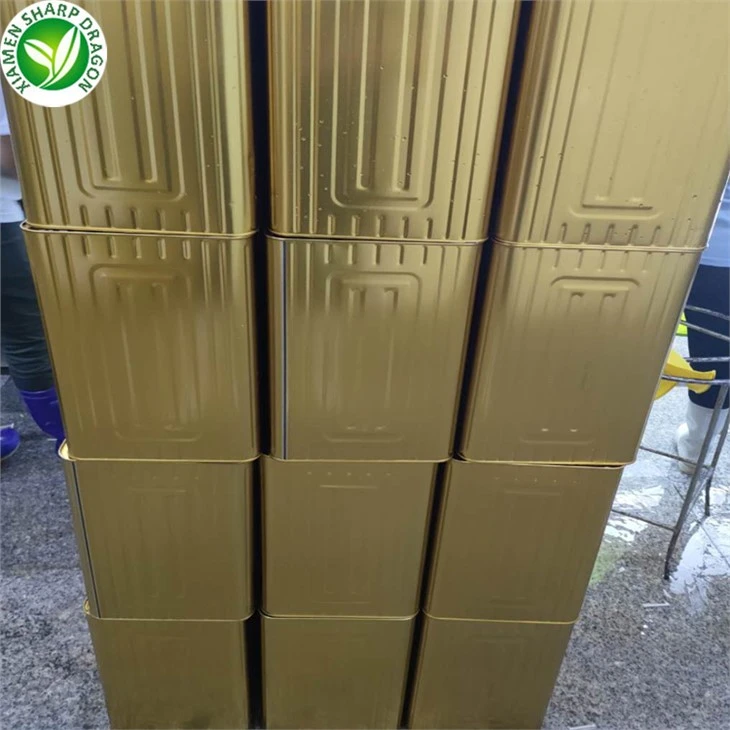
Protect cans in the dry store
Shelf-stable does not mean suitable for every storage environment. USDA advises keeping shelf-stable canned foods in a cool, dry place. A metal shed that becomes very hot or an area exposed to persistent damp is not made suitable merely by calling it a dry store.
Arrange cartons so staff can read lot codes and dates without dismantling an unstable stack. Keep the oldest suitable stock accessible and rotate according to the product's dates and the site's system. Do not bury reserve stock behind new deliveries until nobody remembers which lots it contains.
Check the actual destination conditions before finalizing a long reserve period. Temperature exposure, humidity, pest control, handling damage and the strength of shelving are practical questions. The pack's storage instructions and remaining declared life must suit the planned route and storage period.
Count by product code and lot where that distinction affects use. A carton with a similar label may contain a different cut or liquid style. Clear identification prevents a menu substitution from happening accidentally at the can opener.
Reject suspect containers without tasting
At receipt, separate visibly leaking, swollen or seriously damaged containers for the site's rejection procedure. CDC warns that contaminated food cannot reliably be recognized by appearance, smell or taste, and advises discarding suspect canned food rather than tasting it. Commercially canned products can also be involved, although such contamination is rare.
If liquid or foam spurts abnormally on opening, or the contents are visibly discolored or moldy, stop using that container. Keep the product and lot information needed for reporting without allowing the food back into service. Do not offer suspect contents to another person to check the flavor.
Agree who can place stock on hold and who contacts the supplier. Photograph the container condition and identification where that can be done safely. A written hold location is more reliable than leaving a damaged can beside normal stock with an informal warning.

Opening the can ends the shelf-stable storage plan
An unopened reserve and an opened ingredient are different stock items. CDC advises refrigerating canned food after opening. A kitchen therefore needs suitable storage for leftovers before it opens a pack larger than the current service requires.
Use the product instructions and the site's applicable food-safety procedures for handling, cooling, refrigeration and use after opening. Household storage tables are not a substitute for a commercial kitchen's controls. Put the identity and opening information on the storage container so the next shift does not have to guess.
If safe storage is unavailable, plan a pack and service size that avoids keeping leftovers. This is a menu-design issue as much as a refrigeration issue. Opening every can at the start of a quiet service removes the option of leaving unused stock sealed.
Remember the supporting equipment: a suitable opener, clean utensils, covered food containers and a workable cleaning routine. Canned food can reduce some preparation work, but it does not remove the need for hygienic handling.
Time the opening and draining work during the trial as well. A smaller pack may fit demand neatly while requiring many more individual openings at a large service. Assign space for full cans, drained ingredients and empty containers so staff are not crossing between dirty packaging and ready-to-use food. Include disposal arrangements in the site plan: accumulated metal containers take room, and sharp edges need controlled handling. These tasks can affect staffing even when the vegetable itself requires little preparation.
Give purchasing a usable product brief
A useful brief names the vegetable and cut, packing liquid, required net and drained weights, cans per carton and intended dish. Add expected servings, opening frequency and the storage conditions at the destination. For canned sweet corn, for example, kernels for a drained salad and corn used with its liquid in soup may need different evaluation methods.
Ask for current product documents and samples tied to the proposed specification. Where a pack size or label will change, confirm that change before repeating yield and recipe assumptions. An attractive product photograph cannot establish the quantity available after draining or the sodium contributed by the liquid.
Keep one accepted recipe and yield record available to both purchasing and the kitchen. That shared reference makes substitutions easier to evaluate. In foodservice and catering planning, the menu brief should travel with the accepted sample details so product selection and kitchen use stay connected.
The result should be simple enough to use during a busy service: the right can, the expected number of portions and a clear plan for anything left after opening. That is the real advantage of a well-planned reserve.
Discuss the vegetable, cut, service volume and preferred can size with us through a product inquiry. We will review the specification and packing requirements for your proposed order.